
Lemon Pepper Fried Chicken

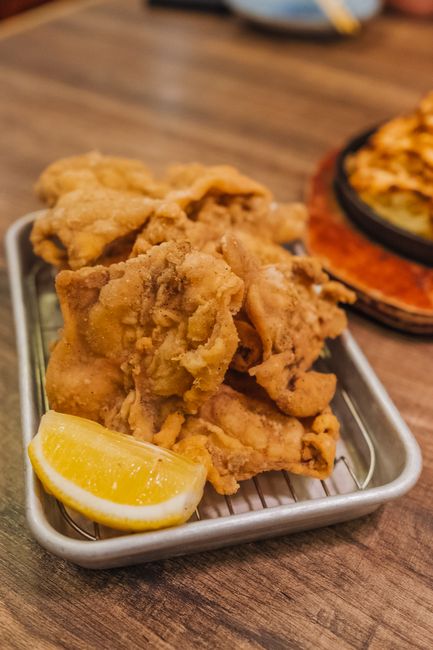
Zesty Perfection: Mastering the Art of Lemon Pepper Fried Chicken
Lemon pepper fried chicken represents a culinary crossroads, marrying the comforting, crispy crunch of perfectly fried chicken with the bright, aromatic punch of lemon and the subtle heat of black pepper. This seemingly simple flavor combination belies a depth of technique and ingredient selection that elevates it from a mere meal to a memorable gastronomic experience. Achieving this perfect balance requires understanding the fundamental principles of frying, the nuances of seasoning, and the science behind achieving that coveted golden-brown, shatteringly crisp exterior while maintaining a juicy, tender interior. This article will delve deep into the intricacies of crafting superior lemon pepper fried chicken, covering everything from selecting the ideal chicken cuts and crafting the ultimate dredge to mastering frying temperatures and achieving that signature zesty finish.
The foundation of exceptional lemon pepper fried chicken begins with the chicken itself. While any cut can be adapted, thighs and drumsticks are generally preferred for their inherent moisture content and forgiving nature during the frying process. These dark meat cuts possess more fat and connective tissue, which break down during cooking to produce a more succulent and flavorful result. Breast meat, while leaner, can easily become dry if overcooked, making it a less ideal choice for beginners. When selecting chicken, opt for fresh, high-quality cuts. Look for meat that is plump, firm, and has a natural pinkish hue. Avoid chicken that appears discolored, slimy, or has an off-putting odor. For an even more consistent cooking experience, consider cutting larger pieces into more uniform sizes. This ensures that all pieces cook at a similar rate, preventing some from being undercooked while others are burnt. If using bone-in pieces, ensure they are of similar weight and thickness to promote even cooking. Trimming excess fat is also a crucial step; while some fat contributes to flavor and moisture, excessive amounts can lead to greasiness and uneven browning. Patting the chicken thoroughly dry with paper towels is non-negotiable, regardless of the cut. Moisture on the surface of the chicken will steam the coating rather than allowing it to crisp, leading to a soggy exterior.
The marinade and brine play a pivotal role in infusing the chicken with flavor and ensuring tenderness. While some recipes skip this step in favor of a heavily seasoned dredge, a well-executed brine or marinade can dramatically enhance the final product. A simple buttermilk brine is a popular choice for its ability to tenderize chicken and contribute to a richer flavor. Combine buttermilk with salt, pepper, and perhaps a touch of garlic powder or onion powder. Submerging the chicken pieces in this mixture for at least four hours, or preferably overnight, allows the lactic acid in the buttermilk to break down muscle fibers, resulting in incredibly tender meat. Alternatively, a lemon pepper marinade can be crafted by combining fresh lemon juice, olive oil, minced garlic, black pepper, and a generous amount of lemon zest. While lemon juice’s acidity can help tenderize, it’s important not to over-marinate, as excessive exposure to acid can “cook” the chicken, resulting in a mealy texture. A marinade time of 30 minutes to two hours is generally sufficient. For both brines and marinades, ensure the chicken is fully submerged and stored in the refrigerator throughout the process. Discard any leftover marinade as it will contain raw chicken juices.
The heart of lemon pepper fried chicken lies in its dredge, the seasoned coating that transforms raw chicken into crispy, flavorful perfection. A classic approach involves a two-step process: a wet dredge followed by a dry dredge. The wet dredge typically consists of beaten eggs, milk, or the aforementioned buttermilk. This liquid coating acts as the adhesive, allowing the dry ingredients to adhere to the chicken. The dry dredge is where the lemon pepper magic truly happens. A foundational dry dredge will include all-purpose flour, seasoned generously with salt and freshly cracked black pepper. The “lemon pepper” component can be achieved in several ways. A common method involves incorporating pre-ground lemon pepper seasoning directly into the flour mixture. However, for a more vibrant and authentic flavor, it’s highly recommended to use freshly grated lemon zest and freshly cracked black pepper. The zest provides a bright, aromatic lemon oil that is far more potent than dried zest, and freshly cracked pepper offers a more complex and pungent heat. To this base, consider adding other complementary seasonings such as garlic powder, onion powder, paprika (for color and a subtle sweetness), and a pinch of cayenne pepper for an extra kick. The ratio of lemon zest to black pepper is a matter of personal preference, but a good starting point is a 2:1 ratio of zest to pepper. Ensure all dry ingredients are thoroughly combined to distribute the flavors evenly.
The application of the dredge is a critical technique. After the chicken has been brined or marinated, it should be patted dry once more before beginning the dredging process. First, dip the chicken into the wet dredge, ensuring it is fully coated. Allow any excess liquid to drip off. Then, transfer the chicken to the dry dredge. Press the flour mixture firmly onto the chicken, ensuring every nook and cranny is covered. For an even thicker, crunchier crust, a double dredge is recommended. After the initial dry dredge, dip the chicken back into the wet dredge, and then back into the dry dredge. This multi-layer coating creates a more substantial and shatteringly crisp exterior. For optimal results, let the dredged chicken rest on a wire rack for at least 15-20 minutes before frying. This allows the coating to hydrate slightly, which helps it adhere better during the cooking process and prevents it from flaking off.
The choice of cooking oil and the precise frying temperature are paramount to achieving perfectly cooked lemon pepper fried chicken. A neutral-flavored oil with a high smoke point is essential. Popular choices include vegetable oil, canola oil, peanut oil, or shortening. These oils can withstand the high temperatures required for frying without breaking down and imparting an undesirable flavor. The ideal frying temperature for chicken is generally between 325°F (163°C) and 375°F (190°C). For a crispier crust and to ensure the interior cooks through before the exterior burns, a temperature of around 350°F (175°C) is a good starting point. It is crucial to use a thermometer to monitor the oil temperature accurately. An oil that is too cool will result in greasy chicken that absorbs too much oil. Conversely, oil that is too hot will cause the exterior to burn before the interior is cooked. Always fry in batches; overcrowding the pan will lower the oil temperature significantly, leading to soggy chicken. Aim to fry only a few pieces at a time, ensuring there is ample space between them.
When the dredged chicken is carefully lowered into the hot oil, it will begin to bubble and sizzle. The frying time will vary depending on the size and cut of the chicken. Thighs and drumsticks typically take 12-18 minutes, while breast pieces may cook faster. Use tongs to carefully turn the chicken every few minutes to ensure even browning on all sides. The chicken is done when it is golden brown and the internal temperature reaches 165°F (74°C) when measured with an instant-read thermometer inserted into the thickest part of the meat, avoiding the bone. Once cooked, remove the chicken from the oil and place it on a clean wire rack set over a baking sheet. This allows excess oil to drain off, preserving the crispiness of the crust. Avoid draining on paper towels, which can trap steam and make the chicken soggy.
The final, crucial step is to impart that signature lemon pepper flavor to the fried chicken, a technique that elevates it beyond simply seasoning the dredge. While pre-seasoning the flour is important, a post-fry seasoning application ensures the lemon and pepper flavors are bright and prominent. While the chicken is still hot, immediately after removing it from the fryer and while it’s draining on the rack, liberally sprinkle it with a mixture of finely grated lemon zest and freshly cracked black pepper. The residual heat from the chicken will help to release the aromatic oils from the zest and bloom the flavor of the pepper. For an even more pronounced lemon flavor, a light dusting of lemon pepper seasoning can also be used at this stage, but be mindful of salt content. Some chefs also opt for a light drizzle of melted butter infused with lemon zest and pepper over the hot chicken for an extra layer of richness and flavor. This final application is what truly distinguishes exceptional lemon pepper fried chicken.
For those seeking an even more intense lemon flavor without compromising the crispiness, consider a lemon pepper glaze. This can be made by reducing fresh lemon juice with a touch of sugar and butter, then brushing it over the hot chicken. However, this method should be applied sparingly to avoid softening the crispy coating. Another variation involves incorporating finely minced fresh lemon peel (the outermost yellow layer of the rind) into the dry dredge. This provides a more sustained citrus aroma throughout the cooking process. However, it is essential to ensure the peel is very finely minced to avoid any unpleasant bitterness.
Beyond the fundamental techniques, experimenting with complementary ingredients can further enhance your lemon pepper fried chicken. A pinch of dried thyme or rosemary in the dredge can add an earthy depth. Smoked paprika offers a subtle smoky undertone and a beautiful reddish hue. For a touch of heat that complements the lemon and pepper, a small amount of finely ground dried chilies like chipotle or ancho can be incorporated. The type of flour used in the dredge can also influence the texture. While all-purpose flour is standard, some cooks prefer to use a blend of all-purpose flour and cornstarch or rice flour. The starches in cornstarch and rice flour contribute to a lighter, crispier crust that is less prone to becoming heavy.
Serving lemon pepper fried chicken is an experience in itself. It pairs exceptionally well with a variety of classic Southern sides such as creamy mashed potatoes, coleslaw, mac and cheese, or a simple green salad. The bright, zesty notes of the chicken cut through the richness of these accompaniments beautifully. Freshly baked cornbread is another excellent partner, offering a slightly sweet contrast. When presenting your masterpiece, consider garnishing with fresh lemon wedges and a sprinkle of fresh parsley for a visually appealing and aromatic finish. The aroma of freshly fried, zesty chicken is a powerful draw, and the visual appeal of golden-brown, perfectly coated pieces only enhances the anticipation.
In conclusion, mastering lemon pepper fried chicken involves a meticulous approach to every stage of the cooking process. From the careful selection of chicken cuts and the thoughtful preparation of marinades or brines, to the precise application of a well-seasoned dredge and the vigilant control of frying temperatures, each step contributes to the final delectable outcome. The critical post-fry application of fresh lemon zest and cracked black pepper is the true hallmark of exceptional lemon pepper fried chicken, infusing the dish with a vibrant, unforgettable flavor profile. By understanding and implementing these techniques, any home cook can consistently produce a plate of lemon pepper fried chicken that is both incredibly delicious and satisfyingly crispy.


