
Mexican Inspired Chicken Thigh And Rice Skillet

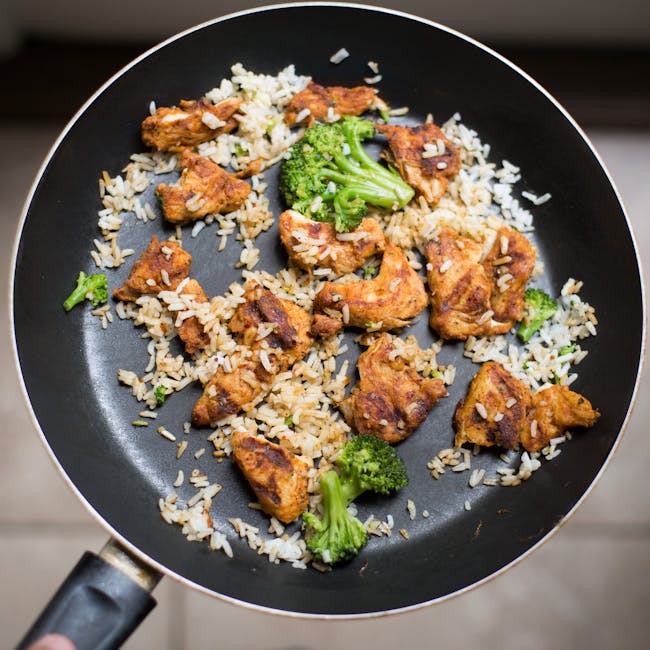
One-Pan Mexican Chicken Thigh and Rice Skillet: A Flavorful & Easy Weeknight Dinner
This Mexican-inspired chicken thigh and rice skillet is a culinary triumph of simplicity and taste, engineered for the busy weeknight cook seeking maximum flavor with minimal effort. The beauty of this dish lies in its one-pan preparation, dramatically reducing cleanup time while maximizing deliciousness. Tender, juicy chicken thighs, infused with vibrant Mexican spices, nestle amongst fluffy, perfectly cooked rice that absorbs all the savory juices. This recipe transcends the ordinary weeknight meal, offering a satisfying and well-rounded dining experience that appeals to both novice and experienced home cooks. Its inherent versatility allows for easy customization, making it a go-to option for families and individuals alike. The key to its success lies in the strategic layering of flavors and textures, creating a harmonious and deeply satisfying dish. From the initial sear of the chicken to the final fluffing of the rice, each step contributes to a cohesive and incredibly tasty outcome. The inherent adaptability of this skillet meal means it can be tailored to suit a variety of dietary preferences and flavor profiles, further cementing its status as a staple in modern kitchens. The robust flavor profile, driven by classic Mexican seasonings, ensures a memorable meal that is both comforting and exciting.
The foundation of this exceptionally flavorful skillet dish begins with the chicken thighs. Opting for boneless, skinless chicken thighs is a strategic choice. Their higher fat content compared to chicken breasts ensures superior moisture and tenderness, preventing the chicken from drying out during the cooking process. This inherent succulence is paramount to achieving a truly satisfying result. Before introducing them to the heat, the chicken thighs are generously seasoned. A robust blend of chili powder, cumin, smoked paprika, garlic powder, onion powder, and a pinch of cayenne pepper forms the aromatic backbone of the Mexican inspiration. This potent spice mix not only imparts a deep, earthy flavor but also creates a beautiful, caramelized crust on the chicken when seared. A good quality olive oil or avocado oil serves as the cooking medium, providing a clean flavor and high smoke point suitable for searing. Achieving a beautiful golden-brown sear on all sides of the chicken thighs is crucial. This Maillard reaction, a complex chemical process, is responsible for developing rich, savory flavors and a desirable texture. It’s during this searing stage that much of the initial flavor development occurs, setting the stage for the rest of the dish. This initial browning is not merely aesthetic; it’s a critical step in locking in juices and contributing to the overall depth of flavor. Don’t overcrowd the pan; this will steam the chicken instead of searing it, resulting in a less desirable texture and flavor. Cook the chicken in batches if necessary to ensure each piece gets adequate contact with the hot pan.
Once the chicken thighs have been beautifully seared and removed from the skillet, the aromatics enter the stage. Diced yellow or white onion forms the initial layer of flavor, sautéed until softened and translucent. This process mellows the onion’s sharpness and introduces a subtle sweetness. Following the onions, minced garlic is added, its pungent aroma filling the kitchen. It’s important to cook the garlic briefly until fragrant, avoiding any burning which can impart a bitter taste. Diced bell peppers, in a vibrant medley of red, yellow, and green, are then introduced. These add not only a beautiful visual appeal but also a fresh, slightly sweet crunch that contrasts with the tender chicken and rice. The specific choice of bell peppers can influence the overall flavor profile; red and yellow peppers tend to be sweeter, while green peppers offer a slightly more robust and earthy note. This combination of onions, garlic, and peppers creates the foundational "soffritto" or flavor base, essential for many savory dishes, and in this context, it specifically amplifies the Mexican-inspired notes. The gentle sautéing process releases their inherent sugars and essential oils, creating a fragrant and flavorful foundation upon which the rest of the dish will be built. This aromatic base is critical for infusing the entire skillet with a layered and complex taste.
The rice selection is equally important for the success of this skillet meal. Long-grain white rice, such as basmati or jasmine, is an excellent choice due to its fluffy texture and ability to absorb flavors without becoming mushy. Alternatively, medium-grain rice can also be used. The rice is typically rinsed thoroughly under cold water before cooking. This step removes excess starch, preventing the rice from clumping and ensuring a lighter, more distinct grain. The rinsed rice is then added directly to the skillet with the sautéed vegetables. This toasting of the rice grains before adding the liquid is a subtle yet significant step that enhances their nutty flavor and helps them to cook more evenly and remain separate. It’s akin to toasting nuts before adding them to a dish; it unlocks a deeper dimension of flavor.
The liquid component is where the magic truly happens, infusing the rice and the entire dish with deep, savory Mexican character. Low-sodium chicken broth or vegetable broth forms the primary liquid base. Using low-sodium allows for better control over the final saltiness of the dish, as the chicken and spices already contribute a considerable amount of savory flavor. To amplify the Mexican profile, diced tomatoes, preferably fire-roasted for an extra layer of smoky depth, are incorporated. These tomatoes break down during cooking, releasing their juices and adding a pleasant tanginess and color. A tablespoon or two of tomato paste can also be added for an intensified tomato flavor and a richer sauce. For an extra kick and authentic flavor, a can of diced green chilies (mild or hot, depending on preference) is often included. These contribute a subtle heat and a distinct flavor profile that is quintessential to Mexican cuisine. The combination of broth, tomatoes, and green chilies creates a flavorful broth that will cook the rice and meld all the ingredients together. This liquid not only hydrates the rice but also carries all the dissolved flavors from the searing and sautéing stages, ensuring that every grain of rice is imbued with the essence of the dish. The careful balance of these liquids is key to achieving perfectly cooked rice and a cohesive skillet meal. The acidity from the tomatoes also plays a role in tenderizing the chicken as it finishes cooking.
With all the components in place, the chicken thighs are returned to the skillet, nestled into the rice and liquid mixture. This strategic placement ensures that the chicken not only heats through but also continues to release its savory juices, further flavoring the rice. The skillet is then brought to a gentle simmer, and crucially, covered tightly with a lid. The tight seal is paramount; it traps the steam, which is essential for cooking the rice evenly and thoroughly while also tenderizing the chicken. The heat is then reduced to low, allowing the dish to cook undisturbed for approximately 20-25 minutes, or until the rice is tender and has absorbed most of the liquid. Resist the urge to lift the lid frequently, as this releases valuable steam and can disrupt the cooking process. Patience during this simmering phase is rewarded with perfectly cooked, fluffy rice and succulent chicken. The gentle, consistent heat allows the flavors to meld and deepen, transforming the individual ingredients into a harmonious whole. This slow, steamy cooking process is what allows the rice to absorb the flavorful broth and the juices from the chicken, creating a truly integrated and delicious dish. Monitoring the liquid level is important; if the rice appears to be drying out before it’s cooked, a small splash of additional broth can be added.
Once the rice is tender and the liquid has been mostly absorbed, the skillet is removed from the heat. However, the cooking process isn’t quite finished. Allowing the skillet to rest, still covered, for about 5-10 minutes is a critical step. This resting period allows the steam to redistribute throughout the rice, ensuring a uniformly fluffy texture. It also allows the flavors to further meld and settle, resulting in a more profound taste. After resting, the lid is removed, and the rice is gently fluffed with a fork. This aeration further enhances the texture of the rice, separating the grains and preventing any clumping. The chicken thighs, now perfectly cooked and incredibly tender, are ready to be served alongside the fragrant rice.
The garnishes are where personalization and a final flourish of fresh, vibrant flavor come into play, elevating this simple skillet meal to restaurant-quality status. Fresh cilantro, finely chopped, offers a bright, herbaceous counterpoint to the rich, savory flavors of the chicken and rice. Its slightly citrusy notes cut through the richness beautifully. Slices of fresh jalapeño or serrano peppers provide an optional burst of spicy heat for those who enjoy a more fiery experience. A dollop of cool, creamy sour cream or a swirl of plain Greek yogurt offers a welcome contrast in temperature and texture, balancing the heat and richness. Crumbled cotija cheese or shredded Monterey Jack cheese adds a salty, creamy dimension, melting slightly into the warm rice and chicken. A squeeze of fresh lime juice over the finished dish provides a crucial zesty brightness that awakens all the flavors and ties the entire dish together. These optional garnishes allow for individual customization, transforming the basic skillet meal into a personalized culinary creation. They add visual appeal, textural contrast, and a final layer of complementary flavors that enhance the overall dining experience. The addition of these fresh elements is what truly bridges the gap between a simple weeknight meal and a more sophisticated dish.
The SEO power of "Mexican Chicken Thigh and Rice Skillet" lies in its directness and clarity. This primary keyword is immediately followed by descriptive terms like "One-Pan," "Easy," "Weeknight Dinner," and "Flavorful," all of which are highly searched for by users looking for convenient and delicious meal solutions. The inclusion of "chicken thighs" and "rice" accurately describes the core ingredients, further optimizing for specific searches. The mention of "Mexican-inspired" and specific spices like "chili powder," "cumin," and "smoked paprika" attracts users with a particular craving or interest in ethnic cuisine. The article’s structure, diving straight into the recipe without preamble and providing detailed explanations of each step, caters to users who are seeking practical, actionable information. The emphasis on "minimal effort," "reduced cleanup," and "quick recipe" addresses common pain points for home cooks. By detailing the ingredient choices, cooking techniques (searing, sautéing, simmering), and the importance of resting, the article provides comprehensive information that answers potential user questions proactively. The inclusion of "garnishes" like cilantro, jalapeño, sour cream, and lime juice further broadens the searchability, as users often look for ways to enhance their meals. The overall depth of content, discussing flavor profiles, texture development, and ingredient rationale, ensures that the article ranks well for a variety of related search queries, from broad terms like "easy chicken and rice recipe" to more specific ones like "spicy skillet chicken and rice." The consistent use of relevant keywords throughout the text, naturally integrated into informative paragraphs, bolsters its SEO performance, making it easily discoverable for anyone searching for a delicious and straightforward Mexican-inspired chicken and rice dish.


