
Moroccan Chicken Tagine With Caramelized Pears

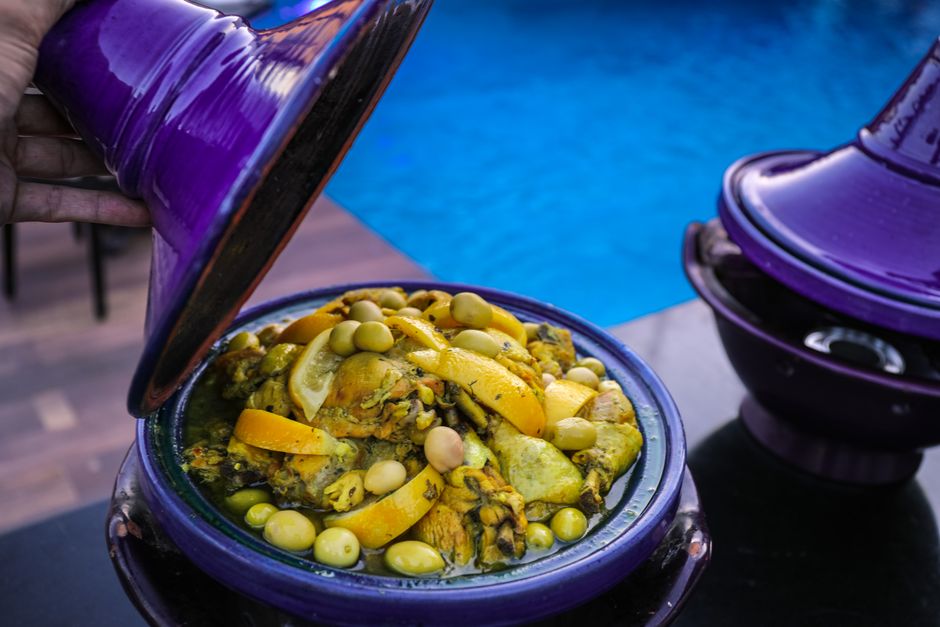
Moroccan Chicken Tagine with Caramelized Pears: An Aromatic Journey for the Senses
Moroccan Chicken Tagine with Caramelized Pears represents a fusion of comforting savory flavors with the unexpected sweetness of fruit, creating a dish that is both exotic and approachable. This culinary creation, deeply rooted in the slow-cooking traditions of North Africa, offers a complex tapestry of aromas and tastes, driven by a harmonious blend of spices, tender chicken, and the luscious sweetness of caramelized pears. Understanding the core components and the nuances of preparation is key to mastering this delightful tagine, a dish perfect for special occasions or an elevated weeknight meal. The tagine itself, the conical earthenware pot from which the dish derives its name, plays a crucial role in its success. Its unique shape allows steam to condense and drip back down onto the ingredients, ensuring a consistently moist and flavorful outcome without excessive liquid. This slow, gentle cooking process tenderizes the chicken to perfection, infusing it with the rich flavors of the spice blend.
The foundation of any good Moroccan Chicken Tagine with Caramelized Pears lies in the quality of its ingredients. Chicken thighs are generally preferred over breasts for this dish due to their higher fat content, which prevents them from drying out during the extended cooking time. This inherent moisture contributes significantly to the overall succulence of the finished tagine. The pears, when chosen for their ripeness but still holding their shape, will caramelize beautifully, offering pockets of intense sweetness that cut through the savory depth of the chicken and spices. The spices themselves are paramount to achieving authentic Moroccan flavor. A typical blend might include ginger, turmeric, cumin, coriander, cinnamon, and paprika, each contributing a distinct note. Saffron, a prized and potent spice, adds a subtle floral aroma and a beautiful golden hue, elevating the dish to a luxurious level. The optional inclusion of dried fruits like apricots or prunes can further enhance the sweetness and add another layer of chewy texture.
The preparation process begins with meticulously preparing the chicken and the aromatic base. The chicken thighs are typically cut into manageable pieces, seasoned liberally with salt and pepper, and often coated with a portion of the spice blend to ensure maximum flavor penetration. The aromatic base is usually created by gently sautéing finely chopped onions and garlic in olive oil until softened and translucent. This step releases their natural sweetness and creates a fragrant foundation for the rest of the ingredients. The ginger, whether fresh and grated or ground, is then introduced, awakening the senses with its pungent warmth. It’s crucial to allow these aromatics to cook slowly and gently, coaxing out their full flavor without burning, which can impart a bitter taste.
The spice mixture is then added to the sautéed aromatics, a critical juncture in the cooking process. Toasting the spices briefly in the heated pan before adding the liquid intensifies their aromas and unlocks their complex flavor profiles. This is a subtle yet significant step that distinguishes a good tagine from a great one. The warmth of the pan awakens the volatile oils in the spices, releasing their full aromatic potential. Common spices include ground ginger, turmeric for its earthy notes and vibrant color, cumin for its smoky depth, coriander for its citrusy undertones, a pinch of cinnamon for warmth and sweetness, and smoked paprika for a hint of smokiness and color. Some recipes may also incorporate a touch of cayenne pepper for a gentle heat.
Once the spices have been toasted, the chicken pieces are added to the pot, searing them lightly on all sides. This searing process not only adds flavor through the Maillard reaction but also helps to lock in the juices of the chicken. After the chicken has been seared, it’s time to introduce the liquid. Traditionally, chicken broth or stock is used, providing a savory base. Water can also be used, but broth imparts a more robust flavor. The addition of a small amount of tomato paste can add acidity and depth to the sauce. The goal is to create a rich, flavorful broth that will braise the chicken and form the base of the sauce.
The pears, the star sweet component, are prepared separately or added towards the end of the cooking process, depending on the desired level of caramelization and texture. For pronounced caramelization, the pears are typically peeled, cored, and cut into wedges or thick slices. They are then gently sautéed in a separate pan with a little butter or olive oil, along with a touch of honey or brown sugar. This allows them to soften and develop a beautiful golden-brown crust. The natural sugars in the pears, combined with the added sweetener, undergo the Maillard reaction and caramelization, creating a sweet, slightly sticky coating. This process requires careful attention to prevent burning.
The assembly of the tagine often involves layering. The aromatics and spices form the base, followed by the seared chicken. The liquid is then poured in, and the tagine is brought to a gentle simmer. If using dried fruits, they are often added at this stage, allowing them to plump up and release their sugars into the sauce. The conical lid of the tagine is then placed on top, creating a self-basting environment. The tagine is then transferred to a preheated oven or simmered on very low heat on the stovetop. The slow, moist cooking ensures that the chicken becomes incredibly tender, falling off the bone.
The cooking time for a Moroccan Chicken Tagine with Caramelized Pears can vary, but typically ranges from 45 minutes to 1.5 hours, depending on the size of the chicken pieces and the cooking method. During this time, the flavors meld and deepen, and the sauce reduces and thickens. Towards the final 15-20 minutes of cooking, the caramelized pears are often gently introduced into the tagine. This allows them to heat through and absorb some of the savory sauce without becoming overly mushy. Alternatively, the pears can be caramelized separately and added just before serving for a more distinct contrast in texture and flavor.
The final stages of preparation involve checking for seasoning and achieving the desired sauce consistency. The sauce should be rich, flavorful, and slightly thickened. If it’s too thin, the lid can be removed for the last 10-15 minutes of cooking to allow some of the liquid to evaporate. If it’s too thick, a little more broth or water can be added. Adjusting the seasoning with salt and pepper is crucial at this point. A squeeze of fresh lemon juice before serving can add a bright, zesty counterpoint to the richness of the tagine.
Serving Moroccan Chicken Tagine with Caramelized Pears is an experience in itself. The tagine is traditionally served directly from the cooking vessel, enhancing the rustic and communal aspect of the meal. It is typically accompanied by couscous, a staple in Moroccan cuisine. The fluffy grains of couscous are perfect for soaking up the flavorful sauce. Alternatively, it can be served with crusty bread for dipping. Garnishes play a vital role in both visual appeal and flavor enhancement. Freshly chopped cilantro and parsley add a burst of herbaceous freshness, while toasted slivered almonds or pine nuts provide a delightful crunch and nutty flavor. A sprinkle of pomegranate seeds can add a vibrant pop of color and a refreshing tartness.
The flavor profile of this tagine is a complex interplay of sweet, savory, and aromatic notes. The tender, succulent chicken is infused with the warmth of ginger, the earthiness of turmeric and cumin, the subtle sweetness of cinnamon, and the slight heat of paprika. The caramelized pears offer pockets of intense, buttery sweetness that contrast beautifully with the savory spices. The rich, aromatic sauce, thickened by the slow cooking process, binds all the elements together. The optional dried fruits add further layers of sweetness and a chewy texture, while the nuts provide a crucial textural contrast. The fresh herbs and lemon juice at the end cut through the richness, creating a balanced and deeply satisfying dish.
The SEO-friendly aspects of this article are embedded in the thorough exploration of keywords relevant to the dish. Phrases like "Moroccan chicken tagine," "caramelized pears recipe," "slow-cooked chicken," "North African spices," "tagine cooking," "savory and sweet dishes," and "how to make tagine" are naturally integrated throughout the descriptive text. The detailed explanation of ingredients, preparation steps, and serving suggestions caters to search intent for users looking to understand and replicate this specific culinary creation. The emphasis on flavor profiles and cooking techniques provides valuable information for home cooks, bloggers, and food enthusiasts alike. The article’s comprehensive nature ensures that it covers a wide range of queries related to Moroccan Chicken Tagine with Caramelized Pears, thereby maximizing its visibility in search engine results. The structured approach, starting with the title and diving directly into the content, aligns with best practices for engagement and information delivery in SEO-optimized articles.


