Nikocado Avocado faces severe health complications following body contouring surgery as recovery takes a traumatic turn

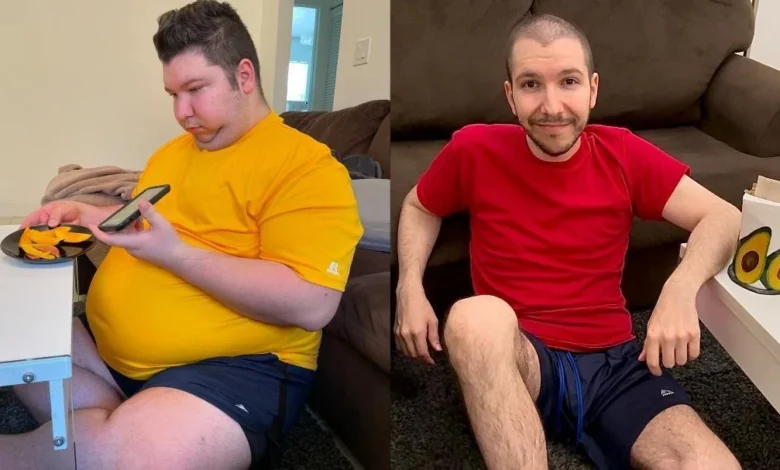
The digital landscape has long been captivated by the polarizing persona of Nicholas Perry, known globally to his millions of followers as the YouTuber Nikocado Avocado. However, the narrative surrounding the content creator has shifted dramatically from his hallmark mukbang exhibitions to a sobering account of medical trauma. Following a massive, highly publicized weight loss transformation, Perry has reported debilitating complications stemming from a recent vertical torsoplasty, a surgical procedure designed to remove excess skin and adipose tissue. Now 34 years old, Perry has publicly documented a harrowing recovery process characterized by chronic, intense pain that has compromised his basic motor functions and psychological well-being.
The Chronology of a Medical Crisis
The sequence of events leading to Perry’s current state began in the wake of his clandestine weight loss journey, during which he reportedly shed approximately 113 kilograms (roughly 250 pounds). This transformation, which Perry revealed to his audience only after the fact, was intended to serve as a new chapter of health and vitality. To address the significant surplus of skin resulting from such a rapid and substantial reduction in body mass, Perry underwent a vertical torsoplasty in September.
The initial procedure was intended to be a routine aesthetic and functional correction. However, the post-operative period deviated sharply from medical expectations. Shortly after the first surgery, Perry reported the onset of acute, stinging sensations, which he described as feeling like needles piercing his extremities. As the pain intensified, it began to disrupt his sleep cycles and his ability to perform mundane daily tasks.
By late September and early October, the condition escalated to the point where Perry required emergency intervention. Medical reports and personal disclosures indicate that surgeons had to perform secondary operations to address the complications. These procedures involved the extraction of problematic scar tissue and the drainage of fluids that were believed to be compressing nerves. Despite these corrective efforts, Perry has reported that the underlying neurological distress remains unresolved, leading to a state of profound physical and mental exhaustion.
Clinical Perspective on Vertical Torsoplasty Complications
A vertical torsoplasty is an extensive surgical intervention that involves removing loose skin from the torso, often extending from the armpits down to the hips. While common in patients who have undergone bariatric surgery or significant weight loss, the procedure carries inherent risks that are not insignificant. Medical literature indicates that complications such as nerve irritation, seromas (fluid accumulation), and hypertrophic scarring are among the most frequently cited concerns.
In Perry’s case, the primary source of agony appears to be nerve-related. When peripheral nerves are irritated or compressed—whether by internal swelling, post-surgical inflammation, or structural shifts in the soft tissue—the result is often neuropathic pain. This type of pain is characterized by a burning or "electric" sensation, often radiating to the hands and feet. For an individual like Perry, whose career relies on fine motor skills for video editing, computer navigation, and daily communication, the inability to grip objects—ranging from door handles to writing implements—represents a total loss of occupational and personal agency.
The Psychological Toll of Chronic Pain
The intersection of physical trauma and mental health is a well-documented phenomenon in surgical recovery. Perry has been candid about the psychological strain this ordeal has placed upon him. Chronic, unremitting pain is a recognized catalyst for depressive episodes, anxiety, and a sense of hopelessness. In his public statements, Perry noted that the relentless nature of the pain—which persists without reprieve—has left him unable to drive, sleep, or participate in the routine activities that previously defined his lifestyle.
His admission of feeling "full of regret" highlights a common sentiment among patients who undergo elective or secondary reconstructive surgeries, only to face complications that leave them in a worse state than they were prior to the procedure. Experts in pain management suggest that when physical pain becomes chronic, it often requires a multidisciplinary approach, involving not just surgeons, but neurologists, physical therapists, and mental health professionals to address the multifaceted nature of the recovery.
Contextualizing the Nikocado Avocado Phenomenon
To understand the weight of this news, one must consider the trajectory of Perry’s career. For years, he was a fixture of the "mukbang" genre—a subculture of internet content where creators consume large quantities of food on camera. His brand was built on extreme behavior, emotional volatility, and a significant increase in body mass, which often served as the focal point of public discourse and criticism.
His recent "reveal"—that he had been filming content months in advance while secretly losing 113 kilograms—was hailed by many as one of the most successful social experiments in YouTube history. It suggested a high level of discipline and a pivot toward a more conventional, healthier life. The irony of this situation is not lost on the public; the very surgery intended to solidify his health transformation has instead become the source of his current suffering. This shift in narrative serves as a stark reminder of the complexities of body modification and the risks associated with major reconstructive surgery.
Broader Implications for Social Media Influencers
The situation surrounding Perry raises broader questions about the culture of body image and the pressure on public figures to maintain certain aesthetic standards. For many influencers, the "after" photo is the ultimate goal of a weight loss journey, but the medical reality of skin removal surgery is often downplayed in the public imagination.
This case may serve as a cautionary tale for audiences and creators alike. It highlights that major surgical procedures are not merely cosmetic shortcuts but are serious medical events with life-altering risks. The transparency Perry has shown regarding his complications—including his inability to perform basic tasks—provides a rare, unfiltered look at the side of plastic surgery that is seldom featured in the curated feeds of social media.
The Current Status of Recovery
As of the latest reports, Perry continues to struggle with the aftermath of his secondary surgery. While he remains active on social media, the tone of his updates has shifted from the performative nature of his past content to a raw, documentary-style account of his medical struggles. There has been no official statement from the medical team that performed the procedures, which is standard procedure given patient confidentiality laws, but the severity of the symptoms described by Perry suggests a prolonged period of healing and potential long-term rehabilitation.
The medical community emphasizes that recovery from extensive tissue removal is not linear. Swelling can persist for months, and nerve regeneration—if the nerves were damaged during the procedure—is a notoriously slow process. Whether Perry will regain full function of his hands and return to his previous quality of life remains a subject of concern for his followers.
Analysis of the Medical Pathway Forward
Moving forward, medical analysts suggest that the primary focus for Perry will likely be pain management and neurological assessment. If the "stabbing" sensation is caused by nerve entrapment, further imaging, such as an MRI or nerve conduction study, may be necessary to identify the exact location of the obstruction. If the nerves have been damaged rather than merely compressed, the treatment path may shift toward physical therapy and pharmacological management to help the body adapt to the chronic signaling issues.
The broader public health message remains clear: any elective surgery, particularly those involving extensive tissue removal, requires a comprehensive consultation process that includes a thorough discussion of the potential for complications. As Perry navigates this difficult period, his experience serves as a sobering touchpoint in the digital age, illustrating that behind the screen, the challenges faced by influencers are as human and fragile as those of any other patient. The focus now turns to whether time and specialized care can alleviate the symptoms that have so significantly derailed his recovery.
In conclusion, the story of Nicholas Perry is currently defined by a painful paradox. After successfully navigating a massive weight loss journey that was meant to secure his future health, he now finds himself in a medical crisis that threatens both his career and his physical autonomy. The coming weeks and months will be critical in determining the extent of his recovery and whether he can move past this chapter of surgical complications to return to a state of normalcy. For his audience, the situation serves as an unexpected and sobering lesson on the unpredictable nature of surgical intervention and the reality of health, which persists regardless of one’s digital profile.