Olives: More Than Just a Briny Bite, a Pillar of Health and Mediterranean Tradition

As a nutritionist with deep roots in both Greece and the United States, and with summers spent in a small Peloponnesian village where my family has cultivated olive trees for four generations, I can attest from both firsthand experience and professional training that olives are among the healthiest foods one can consume. This article delves into the comprehensive understanding of olives, from their rich history and nutritional profile to their profound health benefits and the critical importance of their preparation.
The Undervalued Superfood: Why Olives Deserve Greater Recognition
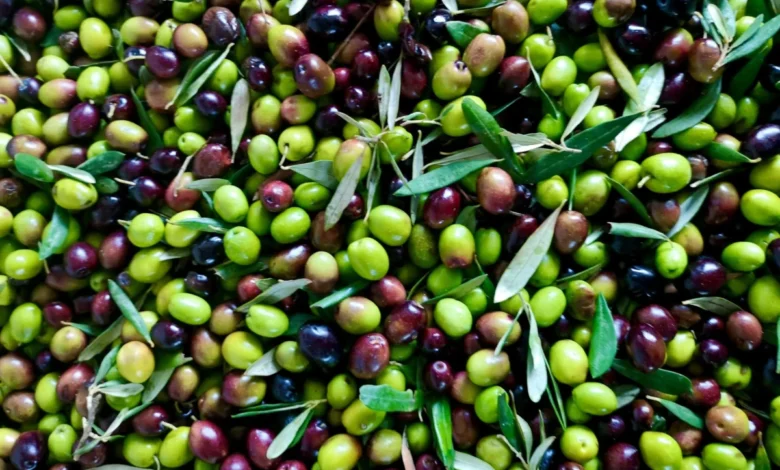
While the Mediterranean diet is widely celebrated for its health benefits, and olive oil often takes center stage, the olive itself—the whole fruit—is an equally vital component. My own upbringing in my father’s mountain village in the Peloponnese, where olive trees have been a family legacy for four generations, provided an intimate understanding of this truth long before formal nutritional education. Each November, the olive harvest yields not only the precious oil but also a significant portion saved for table olives, a staple on every meal. This personal connection, validated by contemporary scientific research, underscores the intuitive wisdom of Mediterranean cultures that have long recognized the olive’s importance.
This exploration will cover the intrinsic composition of olives, the scientific basis for their health-promoting properties, the crucial distinctions between different types and processing methods, and practical guidance on incorporating more olives into one’s diet.
A Legacy of 6,000 Years: The Origins and Diversity of Olives
The cultivation of olive trees dates back over 6,000 years, forming the bedrock of what we recognize today as the Mediterranean diet. This enduring relationship has led to the development of hundreds of olive varieties globally. Among the most renowned are Greece’s Kalamata and Throuba, Italy’s Castelvetrano, France’s Niçoise, and Spain’s Manzanilla. Each variety possesses unique characteristics, but they share a common heritage as fruits rich in beneficial compounds.
Olives: A Fruit Packed with Phytochemical Power
Contrary to common perception, which often categorizes olives as mere condiments or fat sources, they are botanically classified as fruits. This classification immediately signals their rich content of antioxidants and plant-based compounds typically associated with fruits. Scientific investigations have identified over 30 phytochemicals in olives exhibiting beneficial biological activity, with ongoing research continually uncovering more. This means olives are not solely a source of healthy fats but also a potent reservoir of vital antioxidants.
The Crucial Distinction: Why Olive Type and Processing Matter Profoundly
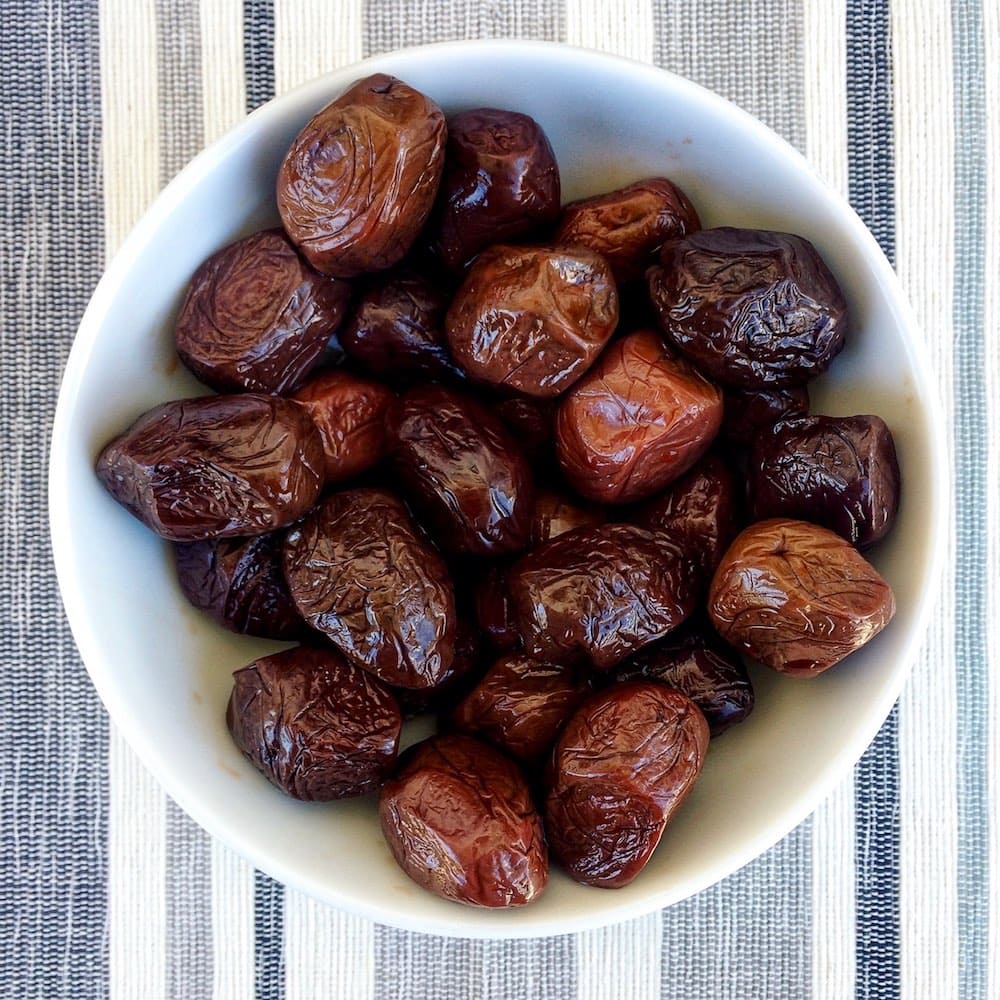
A fundamental aspect of understanding olive healthfulness lies in recognizing that not all olives are created equal, and their processing significantly impacts their nutritional integrity. A raw olive, freshly plucked from the tree, is intensely bitter and virtually inedible. Every olive consumed has undergone a curing process to mitigate this bitterness. The method employed has a substantial effect on the olive’s nutritional value.
The olives traditionally cured by families in regions like the Peloponnese offer a stark contrast to the commonly found canned black olives in many Western supermarkets. This difference extends beyond taste and appearance; scientific evidence now confirms a significant disparity in their nutritional profiles.
Greek-Style Olives: The Art of Natural Fermentation in Brine
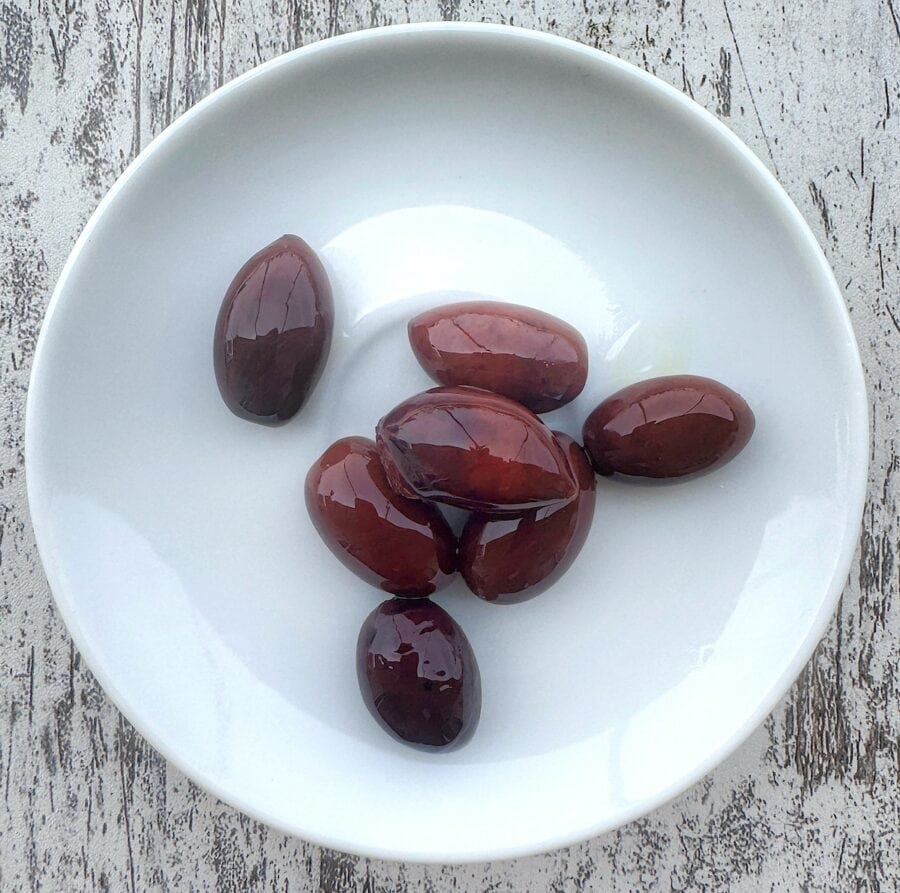
Traditional Greek-style olives are cured through a slow, natural fermentation process in saltwater brine. This time-honored method, practiced for generations, is how my own family prepares olives. It is instrumental in preserving high levels of beneficial polyphenols, including oleuropein, oleocanthal, and hydroxytyrosol, as well as probiotics. The natural fermentation process allows beneficial bacteria to flourish, enhancing the olive’s health-promoting properties.
Spanish-Style and California-Style Olives: The Impact of Lye Treatment
In contrast, Spanish-style and California-style olives undergo a lye (sodium hydroxide) treatment to expedite the curing process. While this method is faster and more cost-effective, it significantly diminishes the polyphenol content. California-style black olives undergo an even more intensive process: lye treatment is followed by artificial darkening through oxidation and then heat processing. This results in a mild, soft olive with a substantially reduced polyphenol count and less nuanced flavor compared to naturally ripened varieties.

The Simple Principle for Selecting Healthier Olives
The overarching recommendation for consumers is to opt for naturally fermented, brine-cured olives whenever possible. The difference in polyphenol and probiotic content is substantial. While this distinction may not always be explicitly labeled, seeking out traditionally cured varieties is key. When in doubt, Greek black olives are a reliable choice, as they are typically cured using natural methods.
Unpacking the Health Benefits: A Nutritional Powerhouse
A serving of approximately 10 olives (around 40 grams) typically contains between 50 to 75 calories. The primary macronutrient is fat, predominantly monounsaturated fat. Olives are low in carbohydrates and provide a small amount of protein. They are also a valuable source of vitamin E, dietary fiber, and essential minerals such as calcium, iron, and magnesium. Crucially, they contain beneficial plant compounds known as polyphenols. Naturally processed olives also offer probiotics, which are vital for gut health.
The Potent Antioxidant Arsenal of Olives
The health-promoting effects of olives are largely attributed to their rich polyphenol content.
- Oleuropein: This compound is responsible for the characteristic bitterness of raw olives, a sign of its potent antioxidant presence. Oleuropein possesses strong anti-inflammatory and antioxidant properties and has been linked to cardiovascular and anti-cancer benefits.
- Oleocanthal: This polyphenol exhibits anti-inflammatory action akin to ibuprofen, helping to reduce inflammation in the body.
- Hydroxytyrosol: Recognized as one of the most powerful dietary antioxidants, hydroxytyrosol plays a critical role in protecting cells from oxidative damage, a process implicated in aging and various diseases.
Supporting Cardiovascular Wellness
Olives contribute to heart health through a dual mechanism. Their monounsaturated fats help to lower LDL (bad cholesterol) while simultaneously increasing HDL (good cholesterol), thereby improving overall cholesterol balance. Concurrently, the polyphenols in olives combat inflammation within blood vessels, enhance arterial function, and may contribute to lower blood pressure and reduced arterial stiffness. These combined effects foster long-term cardiovascular well-being.
Combating Chronic Inflammation
Chronic inflammation is a significant underlying factor in numerous major diseases, including heart disease, type 2 diabetes, cancer, and Alzheimer’s disease. The polyphenols found in olives play a crucial role in mitigating this inflammation by regulating inflammatory pathways and reducing oxidative stress throughout the body.
Promoting Brain Health
The antioxidants present in olives offer protective benefits for the brain, shielding it from long-term damage caused by oxidative stress and inflammation. These compounds support the health of brain cells and may contribute to enhanced cognitive function. Emerging research also suggests a potential link between olive consumption and a reduced risk of neurodegenerative conditions such as Alzheimer’s disease.
Assisting Blood Sugar Regulation
Certain compounds within olives have demonstrated the ability to improve the body’s response to insulin, thereby aiding in the regulation of blood sugar levels. This can lead to more stable glucose levels and support metabolic health, particularly in reducing the risk of developing type 2 diabetes.
Contributing to Healthy Aging
By reducing oxidative stress and chronic inflammation at the cellular level, olives may contribute to a healthier aging process. The protective action of olive compounds against cellular damage can help to mitigate aspects of biological aging.
Enhancing Digestive Health
A less commonly recognized, yet significant, benefit of olives is their contribution to digestive health, primarily through their fiber content and, in naturally processed varieties, probiotics. Naturally fermented olives serve as a source of beneficial probiotic bacteria essential for a healthy gut microbiome. However, it is crucial to note that many commercially processed olives, including those pasteurized or treated with lye, lose these beneficial bacteria.
Integrating Olives into Your Daily Diet: Simple and Delicious Approaches
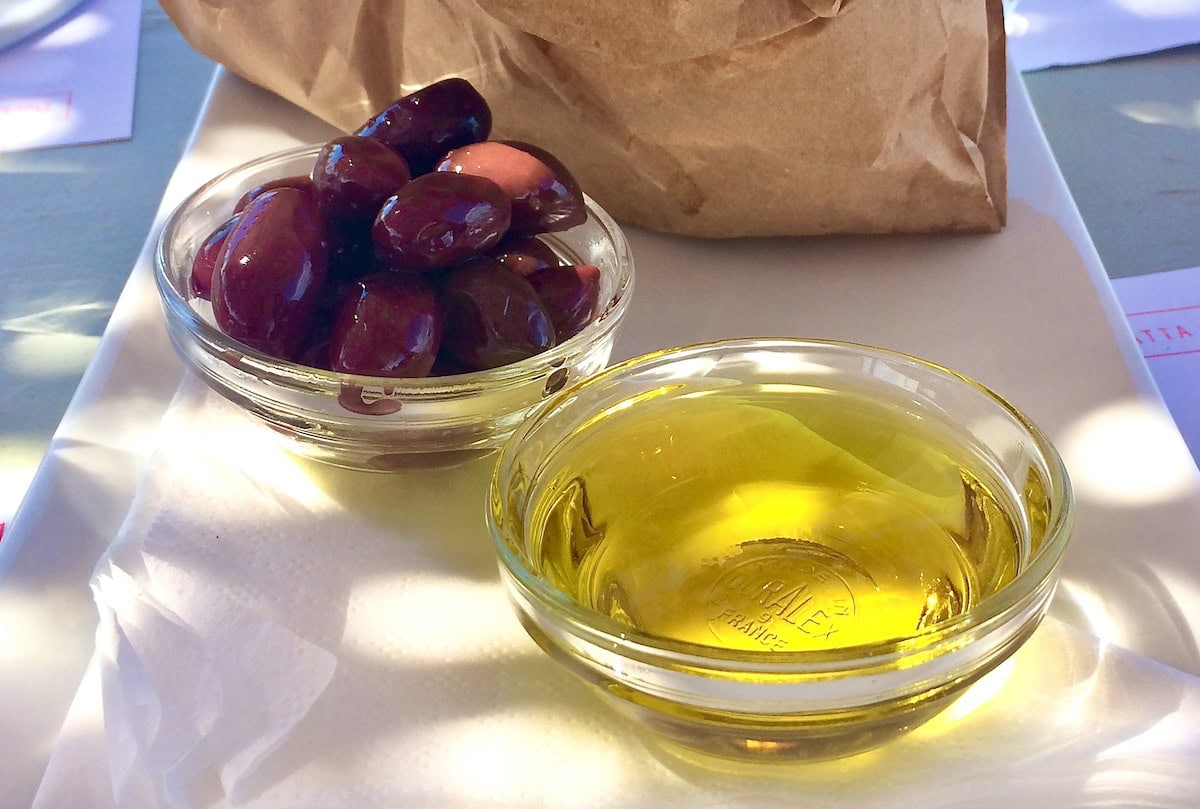
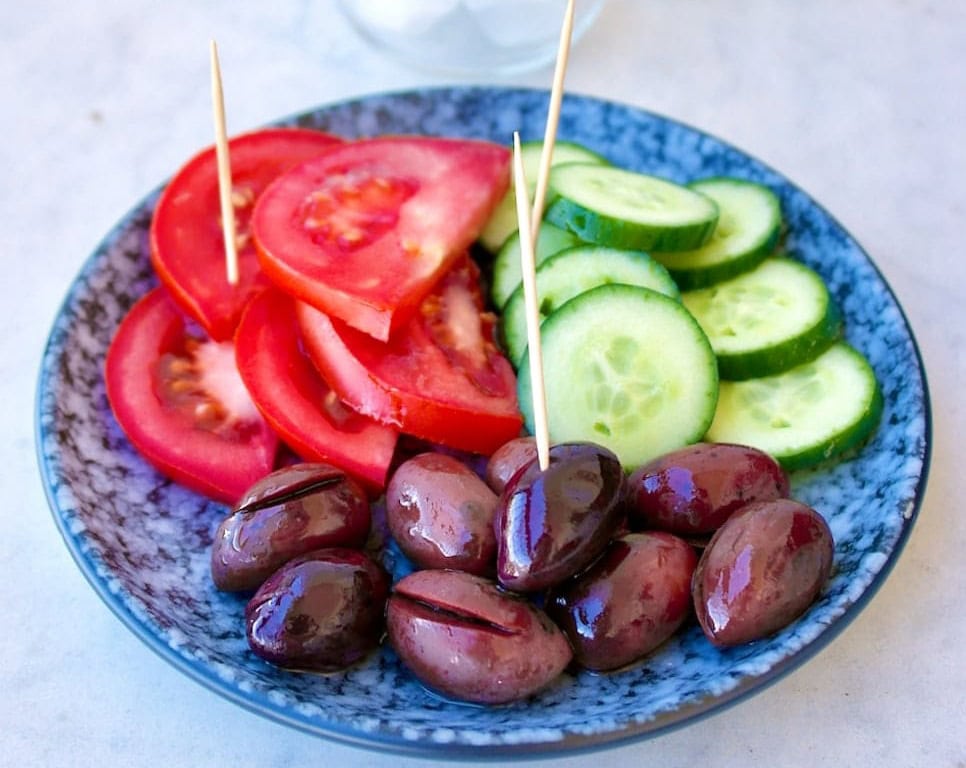
One of the most appealing aspects of olives is their versatility and ease of incorporation into various meals. They can be enjoyed plain, as a simple accompaniment to bread, or as a flavorful addition to a wide array of dishes.
Effortless Ways to Increase Olive Consumption
- Snacking: A handful of olives makes a satisfying and healthy snack.
- Salad Enhancement: Chop olives and add them to green salads, grain bowls, or pasta salads for a briny, savory kick.
- Pizza Topping: A classic and delicious addition to any pizza.
- Omelets and Frittatas: Incorporate chopped olives into breakfast or brunch dishes.
- Sandwich and Wrap Filler: Add a burst of flavor and texture to sandwiches and wraps.
- Marinades and Dressings: Olive brine can add depth to marinades, and chopped olives can enrich vinaigrettes.
- Cheese Boards: Olives are a perfect complement to a variety of cheeses.
Culinary Inspiration with Olive-Centric Recipes
For those seeking more specific culinary inspiration, several recipes highlight the unique flavors and textures olives bring to the table:
- Greek Style Herb Roasted Olives: A simple yet flavorful preparation that intensifies the olive’s natural taste.
- Mediterranean Stuffed Baked Potatoes with Marinated Feta and Kalamata Olives: A hearty and flavorful dish showcasing the classic pairing of olives and feta.
- Black Olive Tapenade: A versatile Mediterranean condiment perfect for spreading on toast, crackers, or as a dip.
Addressing Common Queries About Olives
Are olives beneficial for daily consumption?
Yes, a daily serving of approximately 10 olives provides valuable healthy fats, polyphenols, fiber, vitamin E, and, in naturally fermented varieties, probiotics.
What is the healthiest type of olive to eat?
Greek-style olives, naturally fermented in brine, are considered the healthiest due to their high polyphenol content and the presence of beneficial probiotics.
Do olives possess anti-inflammatory properties?
Absolutely. The anti-inflammatory effects are primarily derived from their rich polyphenol content, with oleuropein, oleocanthal, and hydroxytyrosol being key contributors.
Do olives contain probiotics?
Naturally fermented, brine-cured olives do contain probiotics. However, olives processed with lye, and many California-style black olives, do not retain these beneficial bacteria.
What is a recommended daily intake of olives?
A serving of around 10 olives is generally considered a healthy daily portion.
What determines the color of an olive?
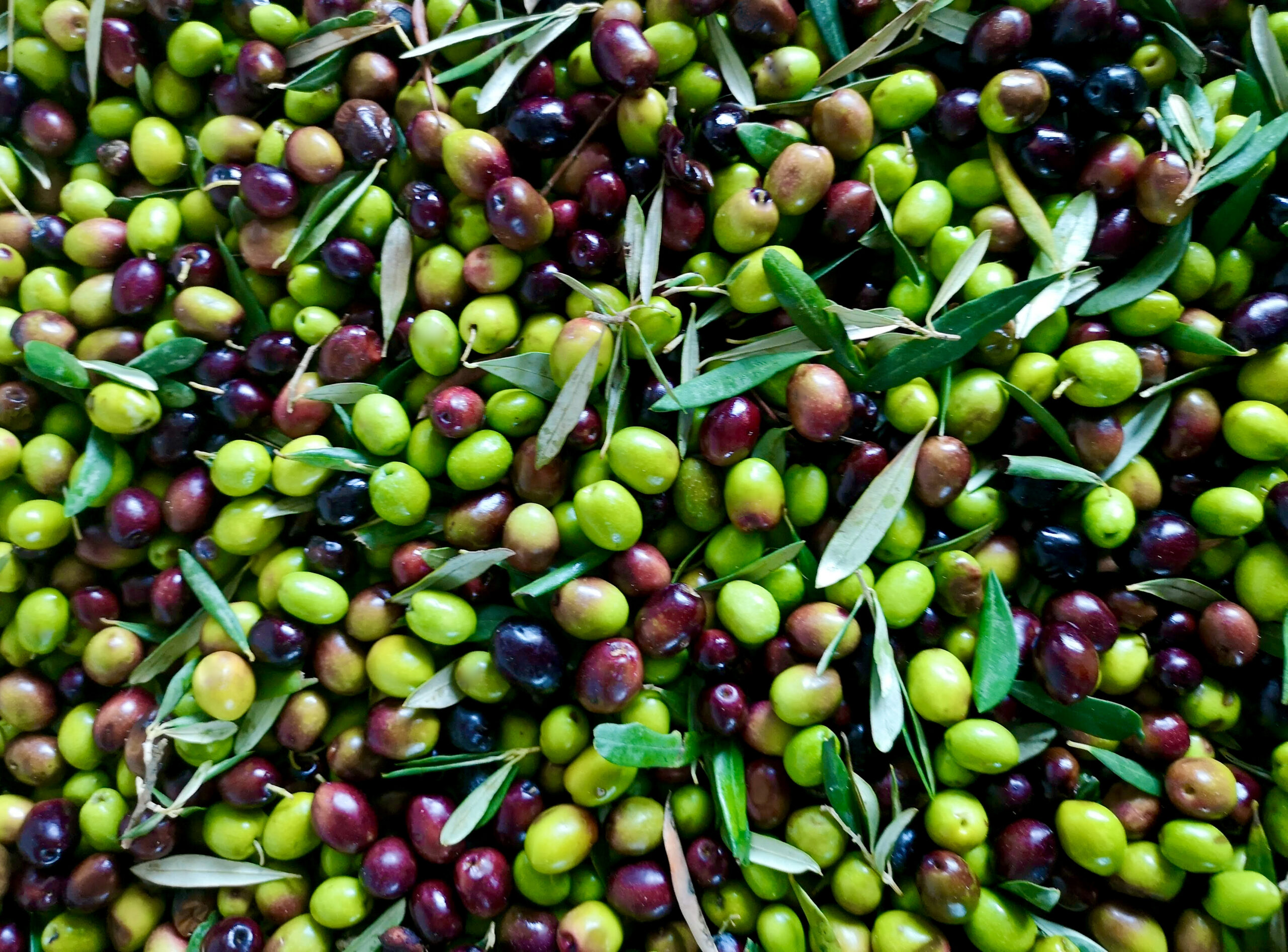
The color of an olive is primarily an indicator of its ripeness. Olives begin as green and gradually darken as they mature, progressing through shades of yellow, pinkish, and purple before reaching their fully ripened black stage. Witnessing this transformation annually in my village provided a tangible understanding of this natural process.
A Crucial Exception: The Case of California-Style Canned Black Olives
It is vital to distinguish that California-style canned black olives are not naturally black. They are green olives that undergo lye treatment, followed by artificial darkening through oxidation, and then heat processing. While this results in a uniform dark color and soft texture, it significantly compromises their polyphenol content and diminishes their flavor complexity compared to naturally ripened varieties.
Are Green or Black Olives Healthier?
Both green and black olives are healthy; they are simply the same fruit at different stages of ripeness. Green olives are harvested earlier, while black olives are left to ripen fully on the tree. The more critical factor influencing healthfulness is the processing method. A naturally fermented black olive is nutritionally superior to a lye-processed green one. When making a choice, traditionally cured varieties from Greece, Italy, or France are generally recommended.
Scientific References:
- Conte, Paola et al. “Table Olives: An Overview on Effects of Processing on Nutritional and Sensory Quality.” Foods (Basel, Switzerland), vol. 9, no. 4, 20 Apr. 2020, doi:10.3390/foods9040514.
- Perpetuini, Giorgia et al. “Table Olives More than a Fermented Food.” Foods (Basel, Switzerland), vol. 9, no. 2, 12 Feb. 2020, doi:10.3390/foods9020178.
Photos by Elena Paravantes. All Rights Reserved.
By Elena Paravantes, MS, RDN
Elena Paravantes, MS, RDN is a Registered Dietitian Nutritionist by the U.S. Commission on Dietetic Registration (CDR) and an esteemed expert on the Mediterranean Diet. With two decades of experience as a clinician, consultant, author, and lecturer in both the U.S. and Greece, she is particularly recognized for her deep knowledge of the Greek Mediterranean Diet. Her interviews and articles have been featured in prominent publications including CNN, U.S. News and World Report, Prevention, NPR, and Shape. Elena has collaborated with numerous academic and health organizations, including Loyola University, Yale University, the University of Missouri, Louisiana State University, and the American College of Greece. She holds a Bachelor of Science in Human Nutrition and Dietetics and a Bachelor of Liberal Arts and Sciences in Psychology from the University of Illinois at Chicago, and a Master of Science in Health Management.