
Orzo And Arugula Salad

Orzo and Arugula Salad: A Culinary Powerhouse of Flavor, Nutrition, and Versatility
The orzo and arugula salad transcends its simple name to offer a complex and satisfying culinary experience. This dish marries the delicate, rice-like pasta of orzo with the peppery bite of fresh arugula, creating a dynamic flavor profile that is both invigorating and comforting. Beyond its appealing taste, this salad is a nutritional powerhouse, packed with essential vitamins, minerals, and fiber. Its inherent versatility makes it a go-to for a variety of occasions, from a light weekday lunch to an elegant side dish at a summer barbecue. Understanding the components and their synergistic interaction is key to appreciating why this salad has earned its place in the pantheon of modern healthy cuisine.
The Orzo: A Foundation of Comfort and Texture
Orzo, Italian for "barley," is a small, rice-shaped pasta that forms the neutral yet essential base of this salad. Its petite size allows it to absorb dressings and flavors beautifully, while its slightly chewy texture provides a satisfying foundation that prevents the salad from feeling one-dimensional. Unlike larger pasta shapes, orzo cooks quickly, making it an excellent choice for time-conscious cooks. Its mild flavor profile makes it exceptionally adaptable, readily accepting the assertive notes of arugula and the nuances of various dressings. When cooked al dente, orzo offers a pleasing resistance to the bite, contributing to the overall textural complexity of the salad. The cooking process itself is straightforward: boiling water, a pinch of salt, and a careful eye to avoid overcooking. A slight undercooking is often preferred for salads, as the residual heat from cooking will continue to soften the pasta as it cools and is tossed with other ingredients. Rinsing cooked orzo under cold water is a crucial step in salad preparation to halt the cooking process and prevent the pasta from becoming sticky. This also helps to cool it down to an ideal temperature for mixing with fresh ingredients. The starch released during cooking, if not rinsed, can make the salad clumpy and less appealing.
The Arugula: A Burst of Peppery Vitality
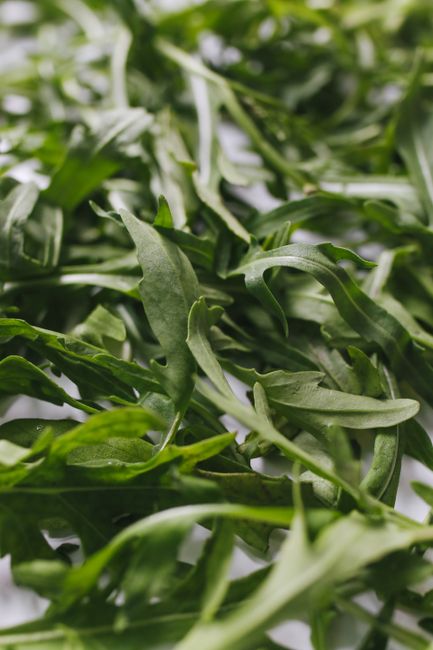
Arugula, also known as rocket, is the vibrant green that elevates the orzo and arugula salad from a simple pasta dish to a sophisticated culinary creation. Its distinctive peppery, slightly bitter, and earthy flavor profile cuts through the richness of any dressing and provides a refreshing counterpoint to the mildness of the orzo. This cruciferous vegetable is not just about flavor; it’s a nutritional champion. Arugula is an excellent source of vitamins A and C, vital for immune function and skin health. It also contains significant amounts of folate, important for cell growth and development, and vitamin K, crucial for blood clotting and bone health. The characteristic bite of arugula comes from its glucosinolates, compounds that are also being studied for their potential health benefits, including antioxidant and anti-inflammatory properties. When selecting arugula for the salad, look for fresh, vibrant green leaves without signs of wilting or yellowing. The younger, smaller leaves tend to be milder, while older, larger leaves possess a more intense peppery flavor. Thorough washing and drying of arugula are essential to remove any grit and to ensure the dressing adheres properly. A salad spinner is an invaluable tool for achieving this dryness.
The Synergy: Balancing Flavors and Textures
The magic of orzo and arugula salad lies in the harmonious interplay between its core ingredients. The creamy, slightly yielding texture of perfectly cooked orzo provides a comforting base, while the crisp, peppery leaves of arugula offer a sharp, invigorating contrast. This textural duality keeps the palate engaged and prevents the salad from becoming monotonous. Flavor-wise, the mildness of orzo acts as a perfect canvas for the bold, peppery notes of arugula. Without the arugula, the salad might be perceived as bland. Conversely, without the orzo, a salad composed solely of arugula might be too intense for some palates. The combination creates a balanced flavor profile where neither ingredient overpowers the other. This synergy is further amplified by the dressing and additional ingredients that are commonly incorporated into orzo and arugula salads. These additions can be strategically chosen to enhance specific flavor dimensions or introduce new textural elements, leading to an endlessly customizable dish.
Dressing Dynamics: The Unifying Element
The dressing is the culinary conductor that brings the orzo and arugula salad together. A well-balanced dressing will complement the inherent flavors of the pasta and greens without masking them. Classic vinaigrettes are a natural fit. Olive oil, the cornerstone of many Mediterranean-inspired dressings, provides a rich, fruity base. Lemon juice or vinegar (red wine, balsamic, or white wine) introduces acidity, which is crucial for cutting through richness and awakening the palate. Dijon mustard acts as an emulsifier, helping to bind the oil and acid, and also contributes a subtle sharpness. Garlic, minced or grated, adds a pungent aroma and flavor that pairs exceptionally well with both orzo and arugula. Herbs, such as fresh parsley, basil, or mint, can introduce bright, aromatic notes. The ratio of oil to acid is a matter of personal preference, but a common starting point is 3:1 or 2:1 (oil to acid). Seasoning with salt and freshly ground black pepper is paramount for enhancing all the other flavors. For a creamier dressing, a touch of Greek yogurt or tahini can be incorporated. The key is to whisk the dressing vigorously until it is well emulsified and to taste and adjust the seasonings before tossing the salad.
Nutritional Profile: A Health-Conscious Choice
The orzo and arugula salad is a smart choice for those seeking a nutritious and satisfying meal. Orzo, being a pasta, provides carbohydrates for energy. While its glycemic index is moderate, its composition with other nutrient-dense ingredients significantly balances its impact. Arugula, as previously mentioned, is a nutritional powerhouse. Its abundance of vitamins (A, C, K), minerals (iron, calcium, potassium), and antioxidants contributes to overall health and well-being. Iron, found in arugula, is essential for oxygen transport in the blood. Calcium supports bone health, and potassium helps regulate blood pressure. The fiber content in both orzo (especially whole wheat orzo) and arugula aids in digestion, promotes satiety, and can contribute to stable blood sugar levels. When the salad is enhanced with lean proteins like grilled chicken, shrimp, or chickpeas, or healthy fats from ingredients like avocado or nuts, it becomes a complete and balanced meal that supports muscle repair, sustained energy, and cellular health. The anti-inflammatory properties of arugula’s phytonutrients further bolster its health credentials.
Versatility and Customization: Infinite Possibilities
The true brilliance of orzo and arugula salad lies in its remarkable versatility. It serves as a perfect canvas for a multitude of additions, transforming it from a simple side to a hearty main course.
-
Protein Power: Grilled chicken breast, pan-seared shrimp, flaked salmon, hard-boiled eggs, chickpeas, lentils, or white beans can all be incorporated to add substantial protein and make the salad a complete meal. For a vegetarian or vegan option, grilled halloumi or marinated tofu are excellent choices.
-
Vegetable Garden: Beyond arugula, a wide array of vegetables can be added. Cherry tomatoes, cucumber, bell peppers, red onion, corn, roasted sweet potatoes or butternut squash, artichoke hearts, and sun-dried tomatoes all contribute color, texture, and flavor.
-
Fruity Accents: For a touch of sweetness and a different acidic note, consider adding fresh berries (strawberries, blueberries), diced apple, pear, or segments of orange or grapefruit. Dried cranberries or cherries can also add a chewy sweetness.
-
Crunch and Creaminess: Toasted nuts (pine nuts, almonds, walnuts) or seeds (sunflower seeds, pumpkin seeds) provide a delightful crunch and healthy fats. Creamy elements like avocado, crumbled feta cheese, goat cheese, or fresh mozzarella balls add richness and a different textural dimension.
-
Herbal Infusions: Beyond the dressing, fresh herbs can be finely chopped and tossed directly into the salad. Basil, mint, dill, chives, and oregano all offer distinct aromatic profiles that can dramatically alter the salad’s character.
-
Flavor Boosters: Capers, olives, roasted red peppers, and pickled onions can introduce briny, savory, or tangy notes that add complexity. A sprinkle of red pepper flakes can add a touch of heat.
-
Grain Variations: While orzo is traditional, other small pasta shapes like ditalini or couscous can be substituted. For a gluten-free option, quinoa or millet can be used as the base.
-
Seasonal Adaptations: The salad can be easily adapted to the seasons. In spring, asparagus and peas are excellent additions. Summer calls for fresh corn, tomatoes, and cucumbers. Autumn welcomes roasted root vegetables, and winter can benefit from heartier greens and grains.
Serving Suggestions: From Lunch to Potluck
The orzo and arugula salad is a chameleon in the culinary world, adapting seamlessly to various serving occasions.
-
Light Lunch: A smaller portion, perhaps with added chickpeas or a hard-boiled egg, makes for a refreshing and energizing midday meal. It’s significantly more satisfying than a traditional green salad due to the orzo’s filling nature.
-
Elegant Side Dish: As a side to grilled fish, roasted chicken, or steak, the orzo and arugula salad adds a vibrant burst of flavor and color. Its acidity helps to cut through the richness of heavier main courses.
-
Potluck Perfection: This salad travels exceptionally well and is always a crowd-pleaser at potlucks and barbecues. Its ability to hold up without becoming soggy is a distinct advantage, especially when dressed just before serving or with the dressing on the side.
-
Vegetarian Main Course: Loaded with grilled vegetables, beans, or cheese, it can easily stand alone as a satisfying vegetarian or vegan main course.
-
Brunch Staple: A lighter, perhaps fruit-forward version can be a delightful addition to a brunch spread, offering a savory counterpoint to sweeter dishes.
Preparation Tips for Optimal Results:
Achieving the perfect orzo and arugula salad requires attention to detail in preparation.
- Cook Orzo Al Dente: Overcooked orzo will turn mushy. Follow package directions and test a piece for doneness about a minute or two before the suggested cooking time. It should have a slight bite.
- Rinse and Cool Orzo: Immediately after draining, rinse the orzo under cold water to stop the cooking process and prevent sticking. Drain thoroughly.
- Dry Arugula Thoroughly: Excess water will dilute the dressing. Use a salad spinner or gently pat the arugula dry with paper towels.
- Wash and Prepare Add-ins: Ensure all vegetables and fruits are washed and prepared according to their specific needs (diced, sliced, halved).
- Make Dressing in Advance: Vinaigrettes often benefit from sitting for a bit to allow the flavors to meld. Whisk well before dressing the salad.
- Dress Just Before Serving (Ideally): While the salad is somewhat forgiving, dressing it too far in advance can cause the arugula to wilt slightly. For optimal texture, toss just before you plan to serve. If making ahead, keep the dressing separate and toss right before.
- Taste and Adjust Seasoning: Always taste your salad and dressing before serving and adjust salt, pepper, and acidity as needed.
- Consider Textural Contrast: Intentionally include ingredients that offer different textures – something creamy (avocado, cheese), something crunchy (nuts, seeds), and something fresh and crisp (vegetables).
Conclusion: A Resilient and Rewarding Dish
The orzo and arugula salad is more than just a recipe; it’s a testament to the power of simple, high-quality ingredients combined with thoughtful preparation. Its inherent nutritional value, combined with its remarkable adaptability and satisfying flavor profile, makes it a culinary cornerstone for health-conscious individuals and discerning home cooks alike. From its humble beginnings as pasta and greens, it evolves into a versatile dish capable of impressing at any table. The peppery kick of arugula, balanced by the comforting chew of orzo, creates a symphony of tastes and textures that keeps diners returning for more. Its ease of preparation further cements its status as a go-to option for busy weeknights and festive gatherings, proving that healthy eating can be both delicious and effortlessly achievable.


