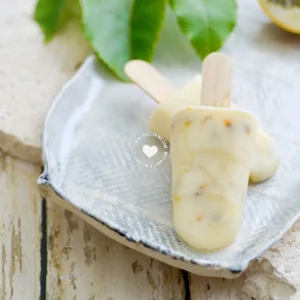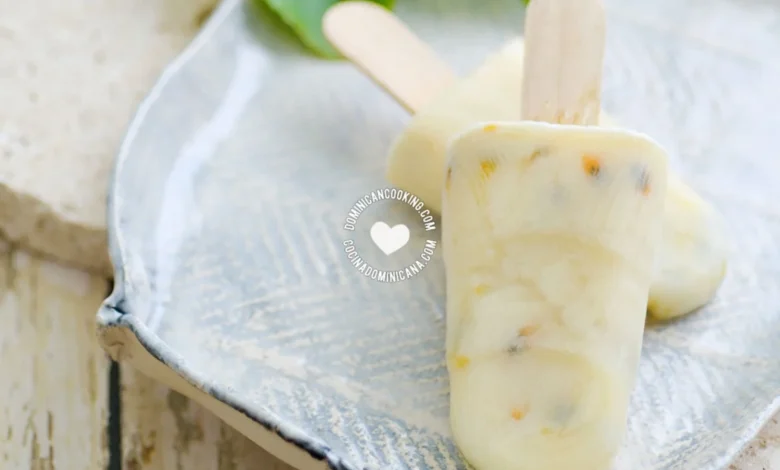
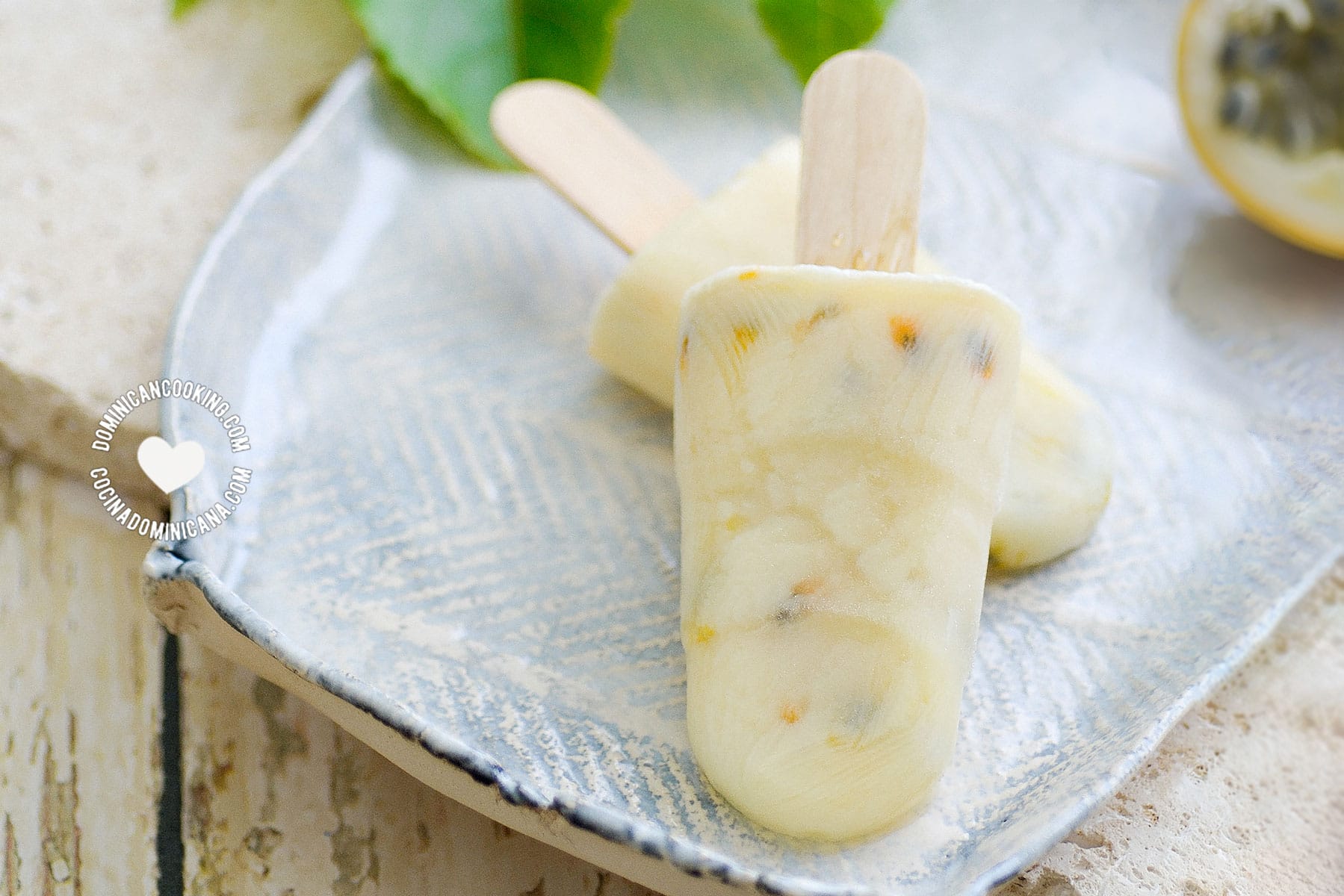
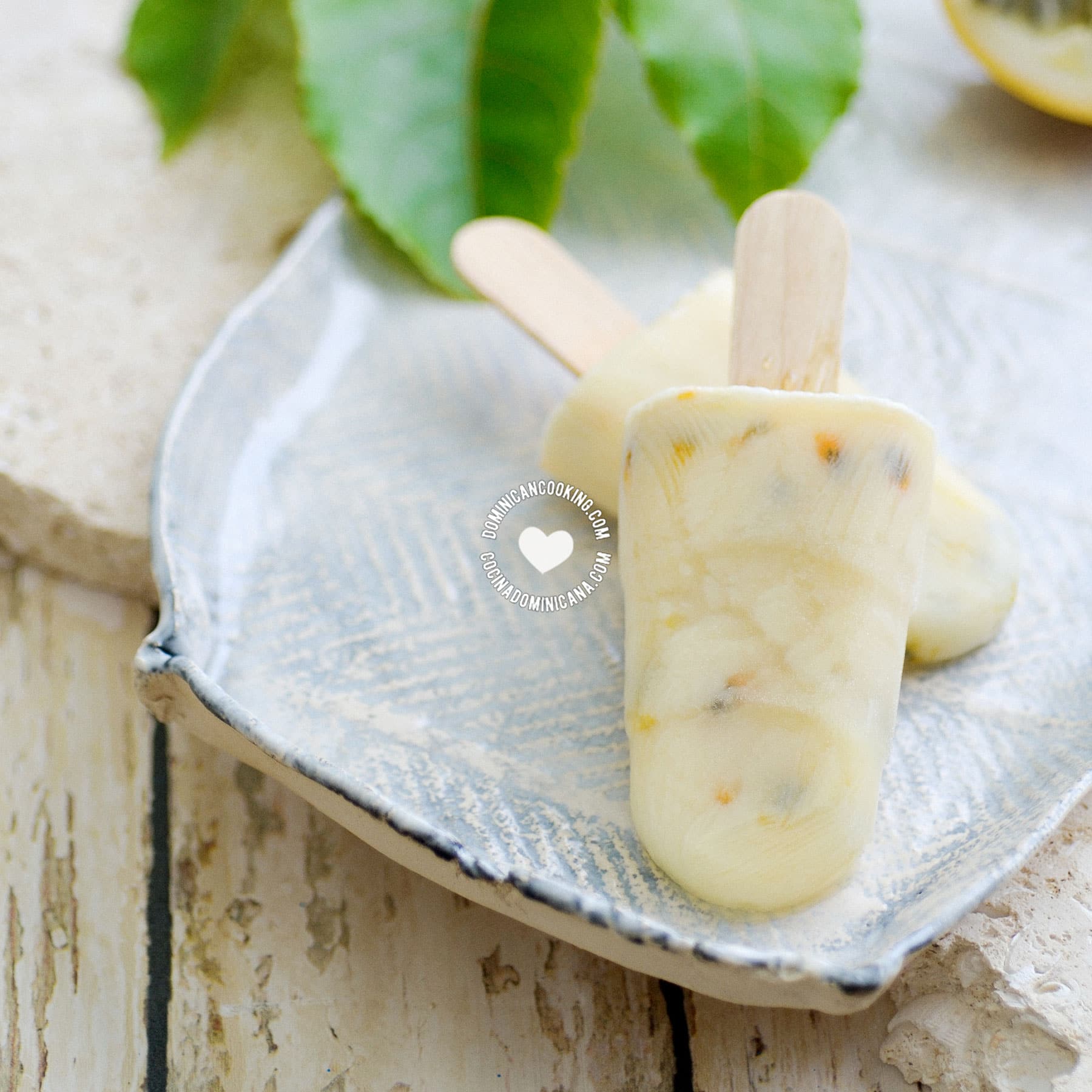
As peak summer temperatures consistently shatter historical records across the globe, culinary traditions that offer both comfort and vital relief from the heat are gaining unprecedented attention. Among the most innovative responses to rising temperatures is a frozen adaptation of a beloved Caribbean classic: the Paleta de Chinola con leche, or milk and passion fruit popsicle. Developed by culinary historians and traditional food preservationists, this frozen confection reimagines the iconic Dominican beverage Morir Soñando into a portable, nutrient-dense treat designed to combat heat-related illnesses during prolonged summer heatwaves.
The Origins of Morir Soñando and Its Frozen Evolution
To understand the cultural and culinary significance of the passion fruit popsicle, one must examine the beverage that inspired it. Morir Soñando, which literally translates to "to die dreaming," is a historic Dominican drink traditionally crafted by combining fresh citrus juice—most commonly Valencia or bitter orange, but occasionally lime—with cold milk and cane sugar. The precise chemistry of the drink requires careful handling; pouring highly acidic citrus juice directly into cold milk without proper agitation or temperature control can cause the dairy to curdle. When executed correctly, the beverage yields a velvety, creamy texture balanced by a sharp, refreshing citrus bite.
In recent years, home cooks and professional pastry chefs alike have sought to adapt traditional regional beverages into new formats to accommodate shifting consumer habits and increasingly severe summer climates. Passion fruit—known locally in the Dominican Republic as chinola, and elsewhere as maracuyá, parchita, or fruta de la pasión—technically classifies botanically as a berry rather than a citrus fruit. However, its high natural acidity and intensely aromatic profile mirror the sensory properties of traditional citrus. By substituting passion fruit juice for orange juice within the classic Morir Soñando framework, culinary creators have developed a modern fusion that maintains the foundational creaminess of the dairy while elevating the tropical tartness of the fruit.

Nutritional Profile and Culinary Composition
Beyond its cooling properties, the Paleta de Chinola con leche offers a specific nutritional composition that aligns with dietary needs during high-temperature months. According to nutritional data compiled for standard 6-serving yield preparations, a single 1-serving portion contains approximately 211 kilocalories, 49 grams of carbohydrates, 5 grams of protein, and only 1 gram of fat. Furthermore, the inclusion of whole fruit puree provides an estimated 4 grams of dietary fiber alongside notable levels of vitamin C (11.8 mg), calcium (154 mg), and potassium (328 mg), positioning the dessert as a functional food that helps replenish electrolytes lost through perspiration.
Public health officials consistently emphasize the importance of hydration and light nutritional intake during extreme heat events, noting that heavy, calorie-dense foods can exacerbate sluggishness during heatwaves. Frozen dairy-and-fruit combinations bridge the gap between hydration and caloric maintenance, offering an accessible vehicle for essential minerals like potassium and calcium, which support muscular function and hydration balance in high temperatures.
Chronology and Preparation Methodology
The contemporary commercialization and home-kitchen adoption of gourmet paletas have accelerated over the past decade, driven by the global popularity of artisanal ice cream and Latin American gastronomy. The preparation process for the milk and passion fruit popsicle requires a precise sequence of steps to ensure structural integrity and flavor balance:
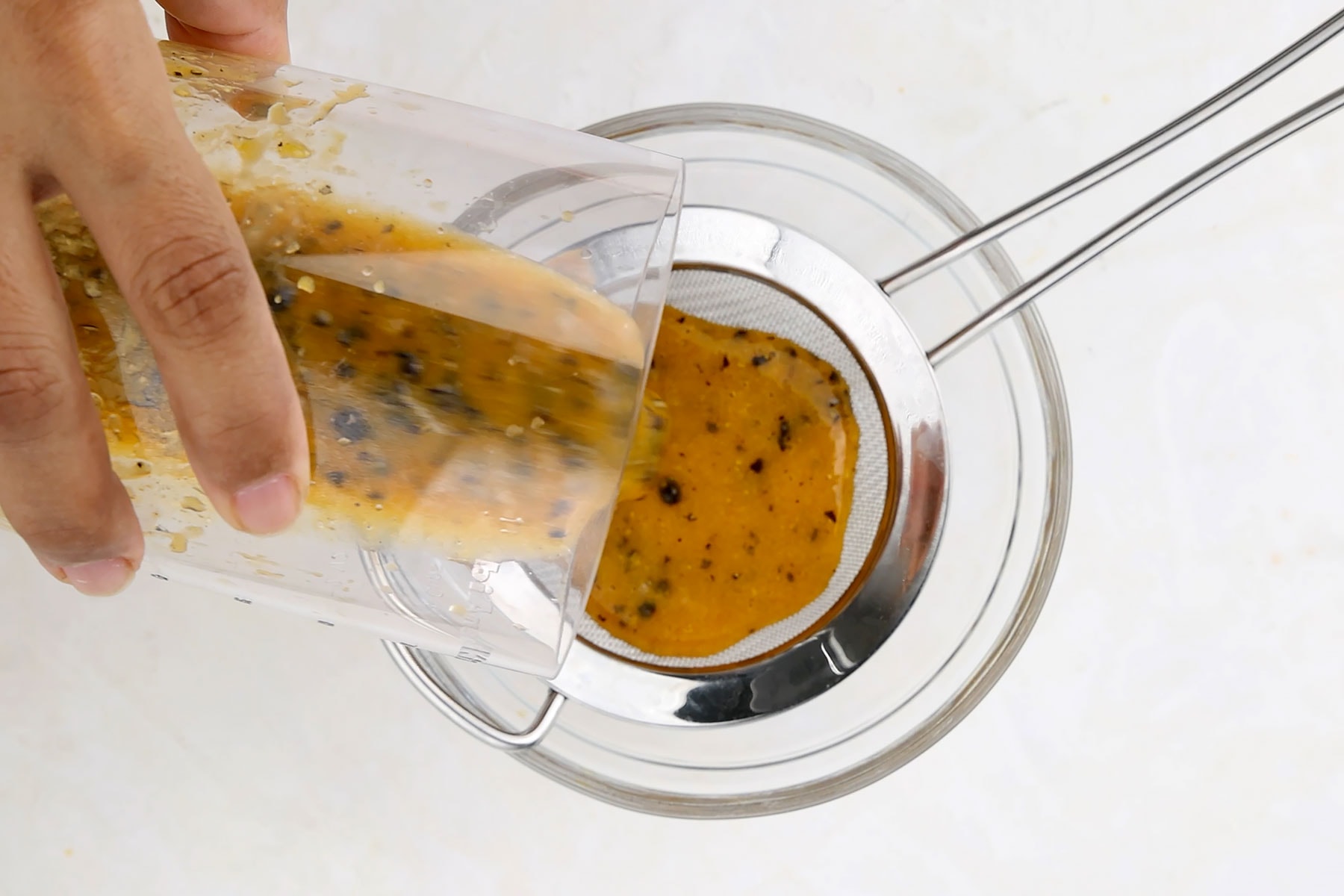
- Juice Extraction and Chilling: Fresh passion fruits are halved, and the pulp is strained to separate the vibrant yellow-orange juice from the seeds. The juice is thoroughly chilled to minimize the risk of curdling when introduced to dairy.
- Emulsification and Sweetening: Whole milk or evaporated milk is blended with cane sugar and the chilled passion fruit juice under controlled temperature conditions. Continuous whisking or blending ensures a homogeneous mixture where the acidity of the fruit integrates smoothly with the milk fats.
- Molding and Freezing: The liquid base is poured evenly into specialized popsicle molds, typically calibrated for six standard servings. Wooden sticks are inserted once the mixture reaches a semi-solid state during the initial freezing phase. The units are then left to cure in sub-zero freezers for a minimum of one hour and fifteen minutes until fully solidified.
- Demolding and Service: The finished popsicles are briefly submerged in warm water to release them from the molds, preparing them for immediate consumption or cold storage.
Industry Reception and Broader Culinary Impact
Food industry analysts note that traditional Latin American flavors are experiencing a surge in mainstream markets across North America and Europe. Consumers increasingly seek out authentic, culturally rich food experiences that offer natural ingredients rather than artificial flavorings and color additives. The passion fruit variant of the Morir Soñando popsicle capitalizes on this demand, bridging the gap between nostalgic comfort food and innovative dessert engineering.
Culinary educators point out that the versatility of paletas lies in their ability to adapt to seasonal resource availability. While summer dictates the peak consumption period for frozen treats, the year-round availability of flash-frozen or pulped passion fruit allows food businesses to maintain production regardless of agricultural seasonality. This supply chain stability has enabled small-scale artisanal producers to scale their operations, introducing Caribbean flavor profiles to broader, international demographics.
As meteorological trends indicate that future summers will feature more frequent and intense heatwaves, the culinary sector continues to look toward traditional wisdom for solutions. The transformation of a historic Dominican milk-and-citrus drink into a structured, frozen format exemplifies how heritage recipes can evolve to meet modern environmental and lifestyle challenges, providing both physical relief and a celebration of rich cultural flavors.
Related posts: