
Police Confirm Isis Responsibility For Central Jakarta Terror Attack Involving Explosives And Firearms

Police Confirm ISIS Responsibility for Central Jakarta Terror Attack Involving Explosives and Firearms
The Islamic State of Iraq and Syria (ISIS) has officially claimed responsibility for the coordinated terror attack that rocked the heart of Central Jakarta on January 14, 2016, employing a combination of explosives and firearms against civilians and security forces. Indonesian authorities, initially working to identify the perpetrators and their affiliations, have now corroborated the ISIS claim, confirming the group’s direct involvement in the audacious assault that left multiple dead and dozens injured. The attack, characterized by its multi-pronged nature and brazenness in a high-traffic urban center, represents a significant escalation of extremist activity in Indonesia and has sent shockwaves through the nation and the wider international community. This confirmation of ISIS’s role elevates the incident from a domestic security concern to a manifestation of a global terrorist network’s reach and operational capabilities within Southeast Asia. The modus operandi, involving suicide bombers detonating explosives in public spaces and gunmen engaging in a protracted firefight, aligns with tactics previously employed by ISIS in other theaters of conflict. Investigations by the Indonesian National Police (Polri) and intelligence agencies, including evidence recovered from the attack sites and subsequent interrogations of suspected accomplices, have provided the definitive link to the self-proclaimed caliphate.
The terror unfolded in a series of meticulously planned stages, beginning with a suicide bombing at a popular Starbucks cafe located in the bustling vicinity of the Sarinah department store. This initial blast, detonated by a lone assailant, was intended to sow chaos and draw a swift response from law enforcement. Almost immediately after the first explosion, a second suicide bomber detonated their device near a police booth situated across the street from the cafe, further intensifying the panic and creating a tactical opportunity for subsequent attackers. The simultaneous deployment of armed assailants in the immediate vicinity transformed the initial incident into a sustained siege. These gunmen, armed with automatic weapons, opened fire on fleeing civilians and the arriving police officers, turning the usually vibrant commercial district into a warzone. The deliberate targeting of a public gathering point and law enforcement personnel underscores the attackers’ intent to maximize casualties and inflict psychological terror. The use of both improvised explosive devices (IEDs) and small arms fire demonstrates a level of tactical sophistication and logistical preparation that Indonesian security forces had been increasingly concerned about, particularly in light of ISIS’s growing influence.
Investigators have pieced together a grim narrative of the attackers’ movements and intentions. Preliminary reports indicated that the attackers were part of a small cell, likely numbering around five to seven individuals. The suicide bombers were identified as key operatives, tasked with delivering the initial explosive payloads. The gunmen, positioned strategically, were responsible for engaging with responders and continuing the assault. Evidence gathered at the scene included fragments of IEDs, spent bullet casings from various firearms, and personal belongings of the deceased attackers. Forensic analysis of these materials, coupled with intelligence intercepts and witness testimonies, has been crucial in establishing the ISIS connection. The group’s propaganda arm later released statements and images on encrypted messaging platforms, explicitly claiming responsibility and hailing the attackers as "lions of the caliphate" who had carried out a "blessed operation" against "crusader elements." This explicit attribution, disseminated through channels known to be utilized by ISIS for operational claims, has been a primary source of confirmation for authorities.
The attack’s strategic location in Central Jakarta, a hub of government institutions, embassies, and major commercial enterprises, was not incidental. It was a deliberate choice designed to inflict maximum psychological and economic impact. By striking at the heart of the capital, the perpetrators aimed to demonstrate their ability to penetrate even the most secure areas and to undermine public confidence in the government’s ability to protect its citizens. The proximity to foreign embassies also served as a signal to the international community, highlighting the global reach of ISIS and its intent to project its influence beyond its core territories. The use of a Starbucks, a globally recognized Western brand, also served as a symbolic target, aligning with ISIS’s broader anti-Western rhetoric. This calculated approach to target selection and symbolic messaging is a hallmark of ISIS’s operational planning, aimed at not only causing physical harm but also at propagating their ideology and instilling fear.
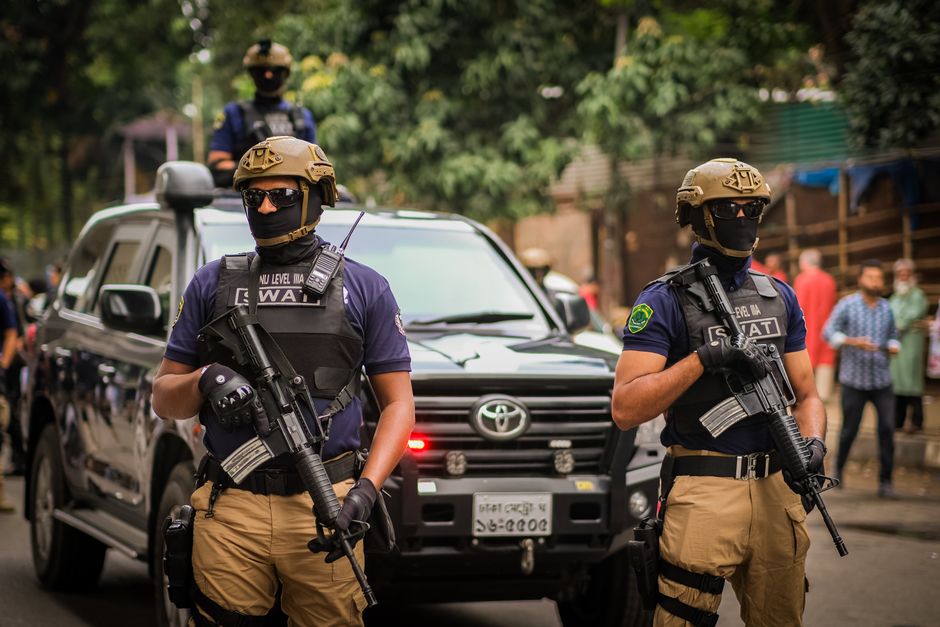
The Indonesian National Police, in the immediate aftermath of the attack, launched a swift and comprehensive manhunt. They swiftly engaged with the perpetrators, neutralizing several of the gunmen in a tense exchange of fire. The rapid response of the Gegana (Bomb Squad) and Densus 88 (Counter-Terrorism Special Detachment) units was critical in containing the situation and preventing further escalation. While the initial focus was on identifying the individuals responsible, the question of their affiliation quickly became paramount. Intelligence sharing with international partners, particularly those with a deep understanding of ISIS’s network and operations, played a significant role in corroborating the initial findings. The nature of the explosives used, the specific execution of the suicide bombings, and the use of a coordinated attack structure all pointed towards a well-organized and ideologically motivated group.
Subsequent investigations revealed that the cell responsible for the Jakarta attack was believed to be linked to a broader network of ISIS sympathizers operating within Indonesia and the surrounding region. This network is thought to be responsible for recruitment, radicalization, and the facilitation of logistical support for attacks. The use of social media and encrypted communication channels by these groups to spread propaganda, coordinate activities, and claim responsibility has become a persistent challenge for counter-terrorism agencies worldwide. The Jakarta attack served as a stark reminder of the ongoing threat posed by ISIS and its ability to inspire and enable attacks even in countries far from its traditional strongholds. The ideological underpinnings of the attack, as expressed in ISIS’s claims of responsibility, centered on a narrative of jihad against “infidels” and those perceived to be allied with Western interests, a narrative that continues to resonate with a segment of the population vulnerable to extremist ideologies.
The confirmation of ISIS responsibility has triggered a heightened state of alert across Indonesia and has prompted a review of existing counter-terrorism strategies. The government has reiterated its commitment to combating terrorism and has pledged to bring all those involved in the attack to justice. The incident has also underscored the importance of addressing the underlying factors that contribute to radicalization, including socioeconomic grievances, ideological manipulation, and the online spread of extremist content. International cooperation on intelligence sharing, law enforcement, and the disruption of terrorist financing remains a critical component of the global effort to counter ISIS and its affiliates. The attack in Jakarta highlights the evolving nature of terrorism, with groups like ISIS demonstrating adaptability and a persistent capacity to exploit vulnerabilities in security measures and societal divisions.
The investigation into the financing and logistical support for the attack is ongoing, with authorities seeking to dismantle the entire support network. This includes identifying individuals who provided funding, acquired weapons and explosives, and facilitated the movement of the perpetrators. The interconnectedness of extremist networks means that disrupting one cell often requires a broader approach to dismantle the entire operational infrastructure. The psychological impact of the attack on the Indonesian public cannot be understated. The feeling of vulnerability, particularly in densely populated urban centers, is a significant concern. Security measures have been intensified, and public awareness campaigns aimed at encouraging vigilance and reporting suspicious activities have been reinforced. The government’s response has focused on a dual approach of robust security enforcement and efforts to counter extremist narratives through community engagement and de-radicalization programs.
The long-term implications of the Jakarta terror attack extend beyond immediate security concerns. It has undoubtedly influenced Indonesia’s foreign policy and its engagement with regional and global partners on counter-terrorism matters. The confirmation of ISIS’s involvement solidifies the threat landscape, moving it from a domestic issue to one that requires sustained international collaboration. The attack has also served as a catalyst for increased dialogue and cooperation among ASEAN nations, recognizing that the threat of transnational terrorism demands a unified regional response. The focus on intelligence sharing and coordinated operations to disrupt extremist travel and financing channels has become even more critical. The long-term strategy involves not only the immediate disruption of terrorist plots but also the cultivation of societal resilience against radicalization.
The perpetrators themselves, beyond the suicide bombers who perished, are being actively pursued. Intelligence suggests that some members of the cell may have escaped immediate capture and could pose an ongoing threat. The police have released descriptions and appeals for information regarding any individuals believed to be connected to the attack. The legal framework for prosecuting individuals involved in terrorism-related activities in Indonesia is robust, and authorities are committed to ensuring that those responsible face the full force of the law. The prosecution of such individuals serves as a deterrent and reinforces the government’s resolve in combating terrorism. The technical aspects of the explosives and firearms used in the attack are also being analyzed to understand the procurement channels and potential for future attacks using similar methods. This detailed forensic analysis contributes to the broader understanding of terrorist capabilities and informs future counter-terrorism strategies.
The attack also brings into sharp focus the role of online radicalization and the challenges of combating extremist propaganda disseminated through digital platforms. ISIS has been particularly adept at leveraging the internet to recruit, inspire, and direct attacks. Indonesian authorities, in collaboration with international counterparts, are working to counter this online threat through various means, including content removal, counter-narrative campaigns, and digital forensics. The psychological warfare aspect of terrorism, aimed at creating a climate of fear and instability, is a significant component that requires a multi-faceted response. The confirmation of ISIS’s responsibility validates concerns that have been voiced for some time about the group’s growing influence in Southeast Asia and the potential for it to serve as a regional hub for terrorist activity. The attack serves as a cautionary tale for nations across the globe regarding the persistent and evolving threat posed by ISIS and its capacity to adapt its tactics and target new geographies.


