Recipes 1951 VeggiesandChickenCasserole
1951 Veggies and Chicken Casserole: A Nostalgic Culinary Journey Through Post-War American Comfort Food
The 1951 Veggies and Chicken Casserole, a culinary artifact from a pivotal post-war era in American history, embodies the resourceful spirit and emerging trends in home cooking. This dish, often found in community cookbooks, church potlucks, and family recipe collections from the mid-20th century, speaks volumes about the ingredients, techniques, and flavor profiles that defined American kitchens of the time. Understanding its context – a period of increasing prosperity, the rise of convenience foods, and a desire for hearty, economical meals – is crucial to appreciating the enduring appeal of this seemingly simple yet profoundly satisfying casserole. The 1951 iteration typically involved readily available ingredients, often relying on leftover cooked chicken, a medley of common vegetables, and a creamy, binding sauce, all baked together until golden and bubbly. Its simplicity belies its ability to deliver a complete, balanced meal, making it a staple for busy families navigating the post-war boom.
The foundational element of the 1951 Veggies and Chicken Casserole is, unequivocally, the chicken. In 1951, home cooks often utilized whole chickens, roasting them for Sunday dinner and then carefully reserving the leftover meat for subsequent meals. This practice of stretching ingredients, a carryover from wartime rationing, remained prevalent. The chicken, whether roasted, boiled, or even fried from a previous meal, would be shredded or diced into bite-sized pieces. The emphasis was on maximizing flavor and ensuring no part of the bird went to waste. For those without pre-cooked chicken, boiling a chicken specifically for the casserole was also common, yielding both tender chicken and a flavorful broth that could be incorporated into the sauce, further enhancing the dish’s savory depth. The texture of the chicken, tender and yielding, provided a satisfying chew that contrasted beautifully with the softer vegetables and the creamy sauce.
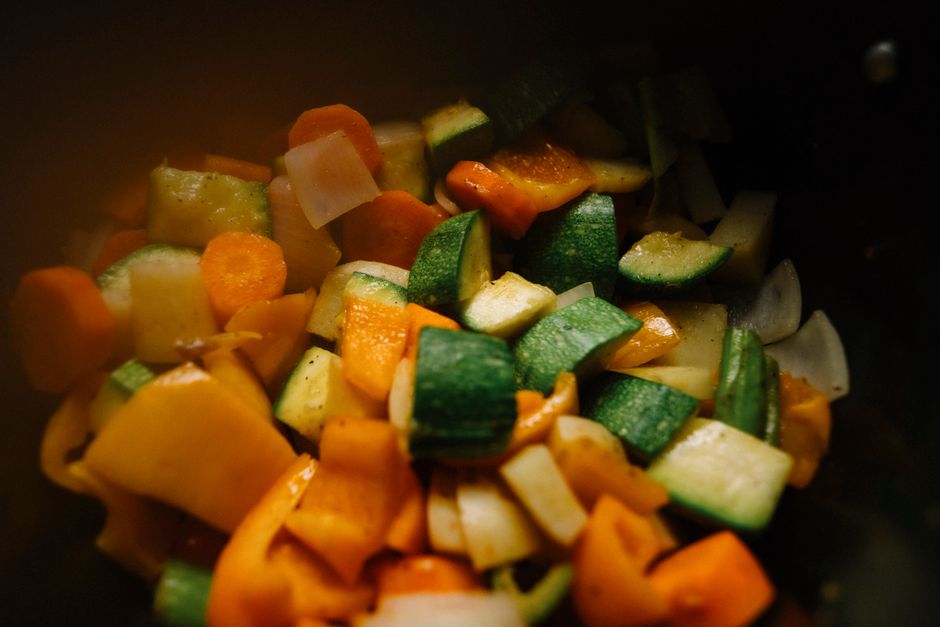
The "veggies" component of this classic casserole was typically a reflection of what was readily available, affordable, and, importantly, could withstand the baking process without disintegrating into mush. Canned vegetables were rapidly gaining popularity in 1951 due to their convenience and extended shelf life. Peas, corn, green beans, and carrots were the undisputed champions of the 1951 Veggies and Chicken Casserole. These vegetables, often drained of their canning liquid, provided bursts of sweetness, color, and a slight textural contrast. The common practice was to combine several types of canned vegetables to create a visually appealing and nutritionally diverse medley. For instance, a combination of bright green peas, sunny yellow corn kernels, and tender sliced carrots offered a pleasing spectrum of colors and flavors. Frozen vegetables, though less ubiquitous than canned options at this exact time, were also beginning to make their way into kitchens, offering a slightly fresher alternative. The careful selection and preparation of these vegetables were key to preventing a watery or bland casserole. Draining canned vegetables thoroughly was a critical step to avoid diluting the sauce and compromising the overall texture.
The creamy binder is what truly transforms the individual components of the 1951 Veggies and Chicken Casserole into a cohesive and comforting dish. In the mid-20th century, the foundation for such creamy sauces was often a simple béchamel, a roux-based sauce made from butter, flour, and milk. However, the rise of convenience foods introduced a shortcut that would become synonymous with casserole making: condensed cream soups. Specifically, condensed cream of mushroom soup or condensed cream of chicken soup were the absolute workhorses of 1951 casseroles. These readily available, shelf-stable soups provided both the creamy texture and a significant flavor base, often incorporating seasonings and dehydrated mushrooms or chicken. The beauty of using condensed soup was its simplicity; it required minimal preparation, often just a small amount of added milk or water to achieve the desired consistency. This shortcut was revolutionary for home cooks, streamlining the meal preparation process significantly and contributing to the widespread popularity of casseroles. The resulting sauce was rich, velvety, and adhered perfectly to the chicken and vegetables, creating a harmonious marriage of flavors and textures.
Seasoning in the 1951 Veggies and Chicken Casserole was generally straightforward, focusing on enhancing the natural flavors of the core ingredients. Salt and black pepper were the absolute staples, applied judiciously to bring out the best in the chicken, vegetables, and sauce. Beyond these basics, common additions included onion powder and garlic powder, which provided a foundational savory aroma and taste without the need for fresh, finely minced alliums that could sometimes burn during baking. A pinch of dried thyme or parsley might have been added for a subtle herbaceous note, contributing to the overall complexity of the flavor profile. The key was not to overpower the dish but to provide a well-rounded savory experience. The condensed soups, with their pre-existing seasonings, also played a significant role in dictating the final taste, often contributing a subtle umami depth.
The assembly of the 1951 Veggies and Chicken Casserole was as unpretentious as its ingredients. A greased baking dish, typically a ceramic or Pyrex casserole dish of moderate size, served as the vessel. The cooked chicken, shredded or diced, was spread evenly across the bottom. This was then followed by the drained mixed vegetables. Finally, the condensed soup, thinned slightly with milk or broth, was poured over the chicken and vegetables, ensuring everything was thoroughly coated. The goal was to create a homogenous mixture that would bake into a unified dish. Some variations might have called for a layer of the soup mixture beneath the chicken and vegetables, or even mixed throughout, but the most common method involved pouring it over the top to create a crust during baking.
The baking process was crucial for achieving the desired texture and golden-brown finish. The 1951 Veggies and Chicken Casserole was typically baked in a moderately hot oven, around 350-375°F (175-190°C). The baking time would vary depending on the size of the casserole dish and the pre-cooked state of the ingredients, but generally ranged from 20 to 30 minutes. This duration allowed the flavors to meld, the sauce to thicken, and the top to develop a slightly browned, often bubbly surface. Some resourceful cooks might have added a simple topping for added texture and visual appeal. This could have been a sprinkle of breadcrumbs, perhaps mixed with a little melted butter for a crispy, golden crust. In more elaborate versions, crushed crackers or even a thin layer of cheese, though less common in the absolute earliest iterations of this specific casserole, could have been employed. The characteristic bubbling of the sauce as it baked was a sign of its readiness, promising a comforting and deeply satisfying meal.
The SEO relevance of the "1951 Veggies and Chicken Casserole" lies in its connection to several important search queries. Users interested in "vintage recipes," "mid-century comfort food," "easy chicken casseroles," "budget-friendly meals," and "recipes using leftover chicken" would all find value in this dish. The inclusion of "1951" specifically taps into historical culinary searches, appealing to those seeking authenticity and a taste of the past. Furthermore, the clear enumeration of "Veggies and Chicken" directly addresses keywords related to the core ingredients, making it highly discoverable for individuals looking for specific flavor profiles or meal components. The inherent simplicity of the dish also makes it a strong candidate for searches related to "quick weeknight dinners" or "beginner casserole recipes."
The evolution of this casserole reflects broader societal and culinary shifts. While the 1951 version heavily leaned on canned goods and condensed soups for convenience, modern interpretations might opt for fresh vegetables, homemade béchamel sauce, and perhaps even rotisserie chicken for a quicker start. However, the essence of the 1951 Veggies and Chicken Casserole – a hearty, economical, and comforting dish that celebrates resourcefulness and familiar flavors – remains timeless. It serves as a delicious portal to a bygone era of American home cooking, a testament to the enduring power of simple ingredients transformed into something truly special. Understanding this recipe is not just about cooking; it’s about appreciating a piece of culinary history, a dish that fed families and nourished communities during a transformative period in American life. The enduring appeal of this casserole lies in its fundamental qualities: it is forgiving, adaptable, and, most importantly, deeply satisfying, offering a comforting embrace in every spoonful, a true embodiment of post-war American culinary ingenuity.