
Salmon With Lemon And Dill

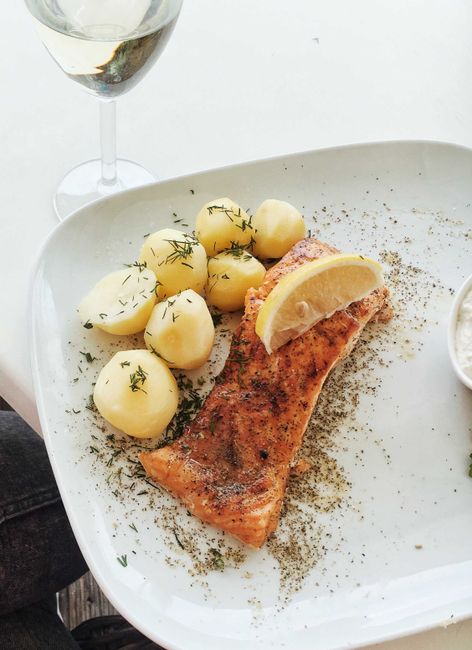
The Pinnacle of Simplicity: Mastering Salmon with Lemon and Dill for Optimal Health and Flavor
Salmon with lemon and dill represents a culinary archetype, a testament to the power of minimalist ingredient combinations to unlock profound flavor and deliver exceptional nutritional benefits. This deceptively simple preparation elevates the inherent richness of salmon, its omega-3 fatty acid profile, and its delicate, flaky texture. The zesty brightness of lemon cuts through the oiliness, preventing palate fatigue and enhancing the fish’s natural sweetness, while the herbaceous aroma of dill provides a fresh, slightly anise-like counterpoint that is intrinsically linked to seafood in many global cuisines. Beyond its gustatory appeal, salmon is a nutritional powerhouse, a readily available source of high-quality protein, essential vitamins like D and B12, and critically, potent omega-3 fatty acids, namely EPA (eicosapentaenoic acid) and DHA (docosahexaenoic acid). These polyunsaturated fats are lauded for their extensive health benefits, ranging from cardiovascular support and anti-inflammatory effects to cognitive function enhancement and mood regulation. The synergy between salmon, lemon, and dill, therefore, extends far beyond a mere meal; it embodies a holistic approach to well-being, offering a delicious vehicle for optimal nutrition.
The preparation of salmon with lemon and dill is remarkably versatile, lending itself to a variety of cooking methods, each yielding distinct textures and nuances. Pan-searing, perhaps the most popular technique, delivers a beautifully crisped skin and a succulent interior. The key to achieving this perfection lies in achieving a sufficiently hot cooking surface and resisting the urge to overcrowd the pan. A well-seasoned cast-iron skillet or a heavy-bottomed stainless steel pan are ideal for pan-searing salmon. Begin by patting the salmon fillets thoroughly dry, a crucial step for promoting skin crisping and preventing splattering. Season generously with fine sea salt and freshly cracked black pepper. For the cooking fat, a combination of olive oil and a knob of unsalted butter offers both a high smoke point and a rich flavor. Heat the oil and butter over medium-high heat until shimmering but not smoking. Carefully place the salmon fillets skin-side down in the hot pan. You will immediately hear a satisfying sizzle. Press down gently on each fillet for the first 30 seconds to ensure even contact with the pan and prevent the skin from curling. Allow the salmon to sear undisturbed for 4-6 minutes, depending on the thickness of the fillet, until the skin is deeply golden brown and releases easily from the pan. Flip the fillets and sear for another 2-4 minutes, or until cooked to your desired level of doneness. The flesh should be opaque and flake easily with a fork, but still be moist. During the final minute of cooking, squeeze fresh lemon juice directly into the pan, allowing it to deglaze and emulsify with the pan drippings and butter. Toss in a generous handful of fresh dill, letting its fragrance bloom in the residual heat. This method results in a restaurant-quality dish achievable in under 15 minutes.
Baking salmon with lemon and dill offers a more hands-off approach, ideal for weeknight meals or when preparing larger quantities. This method gently steams the fish, preserving its moisture and infusing it with the aromatics. Preheat your oven to 400°F (200°C). Line a baking sheet with parchment paper or aluminum foil for easy cleanup. Arrange the salmon fillets on the prepared sheet. Drizzle with olive oil, then season with salt and pepper. Top each fillet with thin slices of lemon and a generous sprig of fresh dill. For an added layer of flavor and moisture, you can create a simple foil packet, enclosing the salmon, lemon, and dill. This steaming effect intensifies the diffusion of flavors. Bake for 10-15 minutes, depending on thickness, until the salmon is opaque and flakes easily. The advantage of baking is its inherent forgiving nature; overcooking is less likely than with pan-searing. For a more concentrated lemon flavor, consider zesting some of the lemon peel over the salmon before baking.
Grilling salmon with lemon and dill introduces a delightful smoky char and an enhanced depth of flavor. Ensure your grill grates are clean and well-oiled to prevent sticking. Preheat your grill to medium-high heat. You can grill salmon fillets directly on the grates or, for a less fussy experience, use cedar planks. To use cedar planks, soak them in water for at least 30 minutes prior to grilling to prevent them from igniting. This also imparts a subtle, woody aroma to the fish. Brush the salmon fillets with olive oil and season with salt and pepper. Place the seasoned salmon, skin-side down if grilling directly, onto the preheated grill or the cedar planks. Grill for approximately 4-6 minutes per side, or until cooked through. During the last few minutes of grilling, squeeze fresh lemon juice over the salmon and scatter fresh dill. The heat of the grill will cause the dill to wilt slightly and release its fragrance. Grilling is particularly effective at rendering the salmon skin crispy, a textural element that many find highly desirable.
Steaming salmon with lemon and dill is arguably the healthiest preparation method, as it requires no added fat and preserves the delicate nutrients of the fish. This can be achieved using a stovetop steamer basket or a dedicated steam oven. If using a stovetop steamer, fill a pot with about an inch of water and bring it to a boil. Place the salmon fillets in a steamer basket lined with parchment paper or a few dill sprigs to prevent sticking and infuse flavor. Arrange lemon slices and dill sprigs over the salmon. Cover the pot and steam for 8-12 minutes, depending on thickness, until the salmon is cooked through. A dash of lemon juice and a scattering of fresh dill after steaming further enhance the flavor profile. Steaming yields an incredibly moist and tender result, allowing the pure flavor of the salmon to shine.
The nutritional superiority of salmon is well-documented and forms the bedrock of its appeal in this simple preparation. Salmon is a prime source of omega-3 fatty acids, EPA and DHA. These essential fats play a pivotal role in numerous bodily functions. Cardiovascular Health: Omega-3s are instrumental in reducing triglyceride levels, lowering blood pressure, and preventing the formation of blood clots, all of which contribute to a healthier heart. Anti-inflammatory Properties: Chronic inflammation is a precursor to many diseases. Omega-3s possess potent anti-inflammatory properties that can help mitigate this process, offering relief from conditions like arthritis and potentially reducing the risk of inflammatory diseases. Cognitive Function and Brain Health: DHA, in particular, is a major structural component of the brain. Adequate intake of omega-3s is linked to improved cognitive function, memory, and a reduced risk of age-related cognitive decline, including Alzheimer’s disease. Mood Regulation: Studies suggest a correlation between omega-3 intake and improved mood, potentially alleviating symptoms of depression and anxiety. Protein Source: Salmon is an excellent source of high-quality protein, essential for muscle building and repair, satiety, and overall metabolic function. Vitamin D: Fatty fish like salmon are among the few natural dietary sources of Vitamin D, crucial for bone health, immune function, and mood. B Vitamins: Salmon provides a spectrum of B vitamins, including B12, niacin, B6, and riboflavin, which are vital for energy production, DNA synthesis, and the proper functioning of the nervous system.
Beyond the inherent nutritional benefits of the salmon itself, the accompanying lemon and dill contribute their own unique micronutrients and phytochemicals. Lemons are a good source of Vitamin C, a potent antioxidant that supports the immune system, aids in collagen production for healthy skin, and enhances iron absorption. The citric acid in lemon juice also aids digestion. Dill, while used in smaller quantities, offers a range of vitamins and minerals, including Vitamin C, Vitamin A, and small amounts of iron and calcium. Furthermore, dill contains various beneficial plant compounds, such as flavonoids and monoterpenes, which possess antioxidant and anti-inflammatory properties. The combination of these ingredients creates a synergistic effect, enhancing both the health profile and the sensory experience of the dish.
Selecting the right salmon is paramount to achieving optimal flavor and texture. Wild-caught salmon, such as Sockeye, King, or Coho, is often prized for its richer flavor, firmer texture, and higher omega-3 content due to their natural diet. Farmed salmon, while more readily available and often more affordable, can vary in quality. Look for sustainably farmed options that adhere to strict environmental and ethical standards. When purchasing salmon, its appearance is a good indicator of freshness. The flesh should be vibrant in color, firm to the touch, and free from any strong, fishy odor. The gills of whole fish should be bright red. Whether buying whole fillets, steaks, or portions, ensure they are displayed on a bed of ice.
The versatility of salmon with lemon and dill extends to its pairing with an array of side dishes. Simple steamed or roasted asparagus, green beans, or broccoli complement the richness of the salmon without overpowering it. A light quinoa or couscous salad, tossed with fresh herbs and a lemon vinaigrette, provides a wholesome and satisfying accompaniment. Roasted root vegetables, such as sweet potatoes, carrots, and parsnips, offer a touch of sweetness and earthy flavor that pairs well with the fish. For a more substantial meal, consider serving it alongside a delicate risotto or a small portion of pasta. The key is to choose sides that enhance, rather than compete with, the star of the dish.
The aromatic contribution of dill is often underestimated. Fresh dill, with its feathery fronds and distinctive scent, is indispensable for this preparation. The flavor of dill is bright, fresh, and slightly anise-like. It pairs exceptionally well with the richness of salmon and the acidity of lemon. When using fresh dill, it’s best to add it towards the end of the cooking process, or even as a garnish, to preserve its vibrant flavor and aroma. Dried dill can be used, but its flavor is more muted and can sometimes have a slightly bitter edge. If using dried dill, use it sparingly and add it earlier in the cooking process to allow its flavor to rehydrate and meld. Zest from the lemon, in addition to its juice, provides a more intense citrus aroma and a subtle bitterness that can add complexity to the dish. The oils in the lemon zest are released during cooking and contribute significantly to the overall fragrance.
In conclusion, salmon with lemon and dill is a culinary cornerstone that exemplifies the profound impact of simple, high-quality ingredients. Its appeal lies not only in its elegant simplicity and exquisite taste but also in its significant contribution to a healthy lifestyle. By mastering the various cooking techniques and understanding the nutritional synergy at play, individuals can consistently create a dish that is both deeply satisfying and demonstrably beneficial for overall well-being. This classic combination serves as an enduring reminder that optimal health and exceptional flavor can, and often do, go hand in hand.


