Salted Caramel Apple Pie Bars Offer a Streamlined Alternative to Traditional Baking

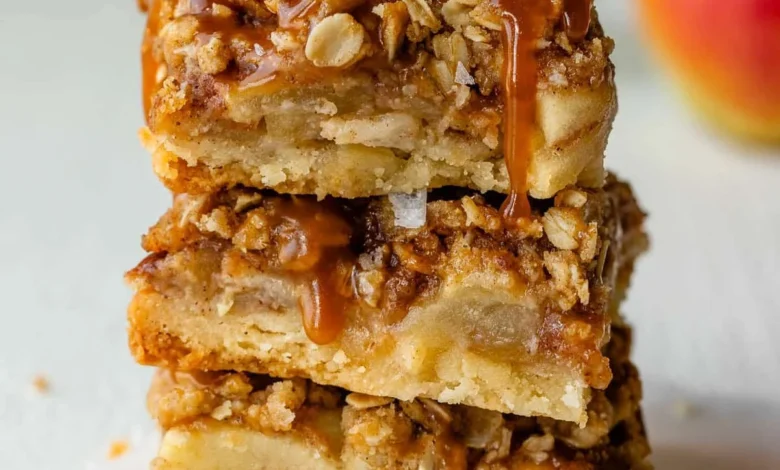
The evolution of home baking has increasingly favored efficiency without compromising traditional flavors, a trend vividly illustrated by the enduring popularity of bar-style desserts. Among these, salted caramel apple pie bars have emerged as a definitive favorite for autumn baking enthusiasts seeking the complex flavor profile of a classic apple pie in a more accessible format. Originally introduced to culinary audiences in 2014, this recipe has recently undergone a comprehensive series of refinements to optimize structural integrity, baking times, and textural contrast. Culinary analysts note that such recipe adaptations reflect a broader consumer demand for dependable, high-yield baked goods that simplify preparation while elevating familiar seasonal ingredients.
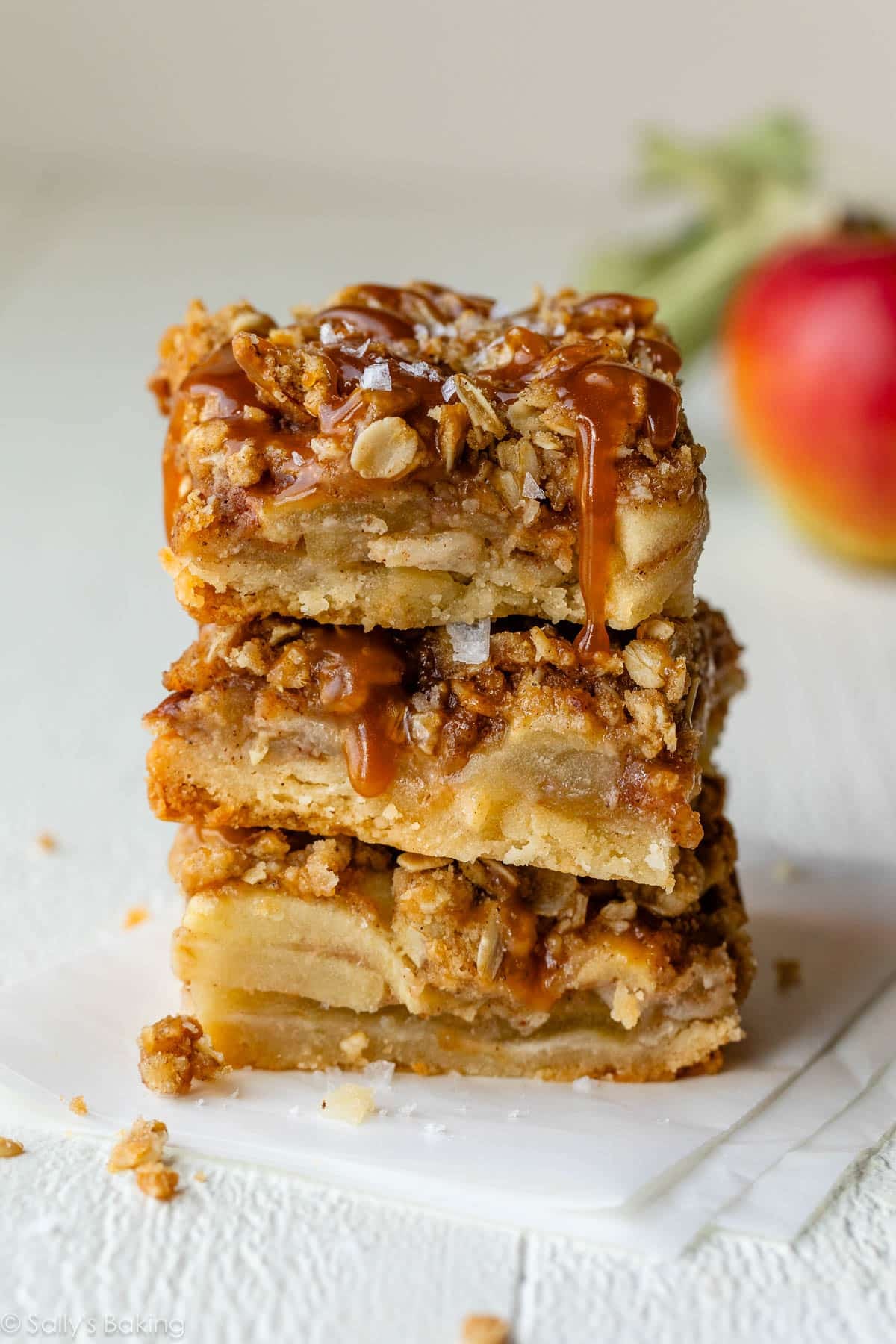
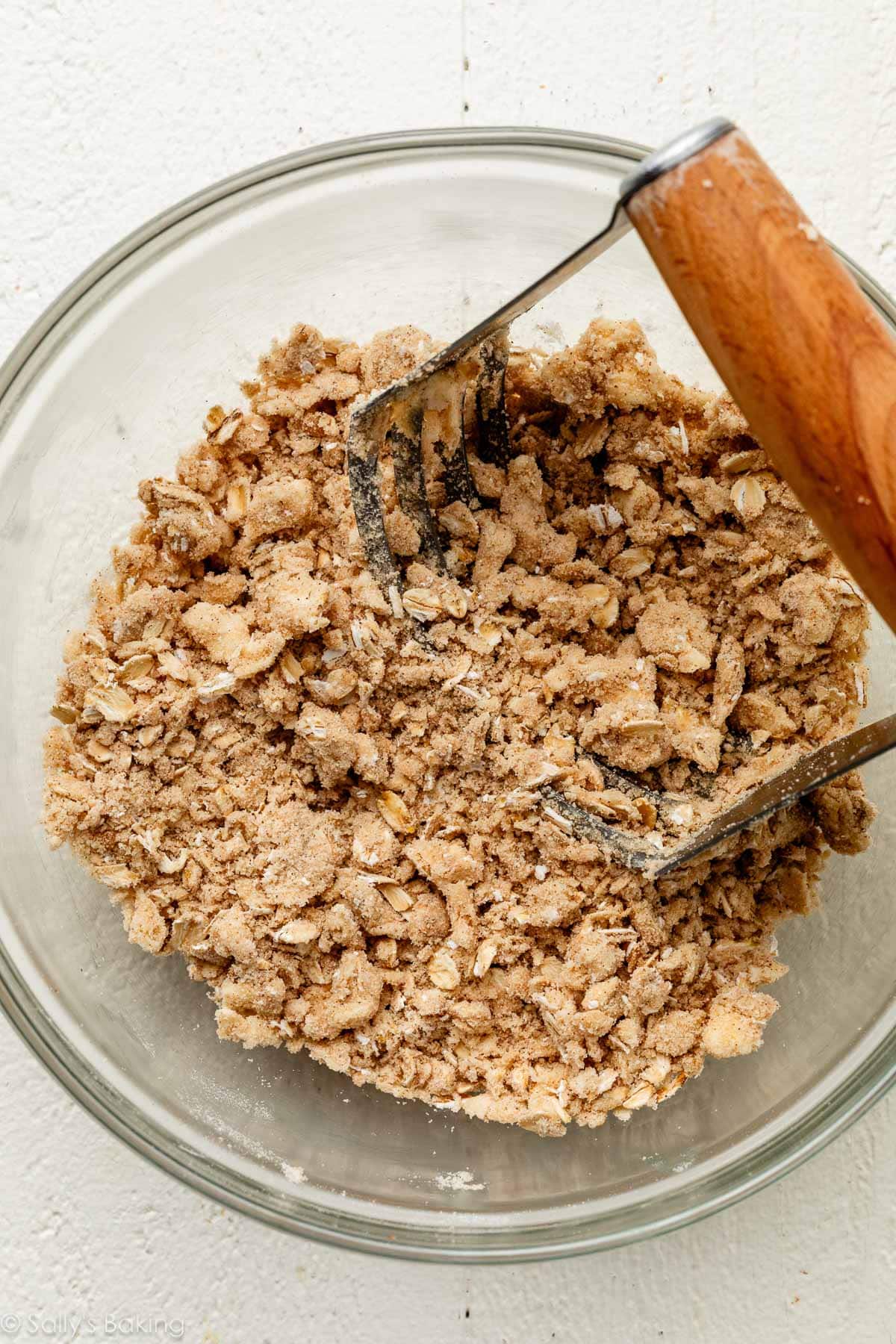
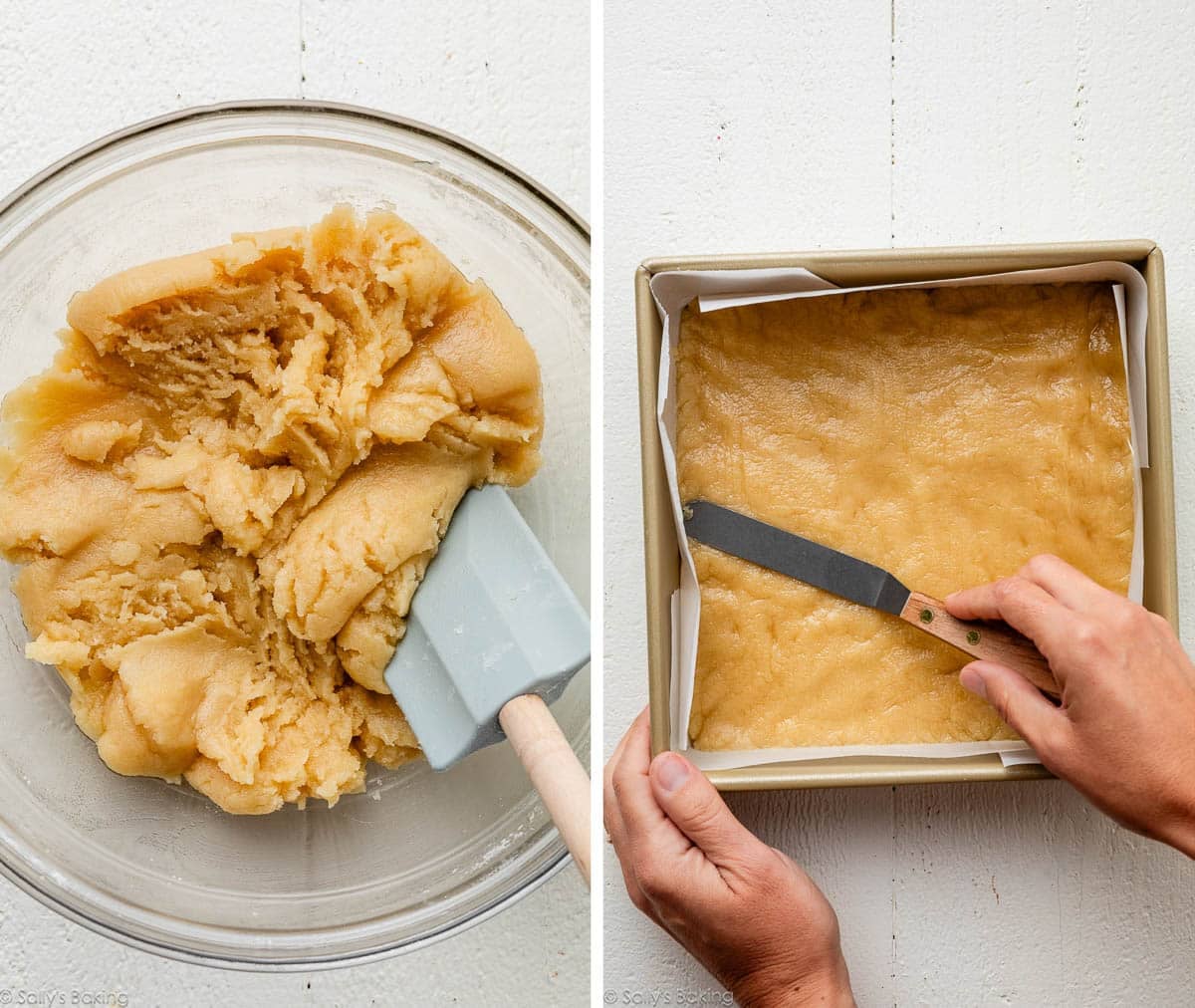
The architectural profile of the dessert relies on three distinct layers that balance structural support with dynamic flavor delivery. The foundation consists of a sturdy yet tender shortbread crust, engineered with melted butter to facilitate rapid preparation and pressed directly into an eight-inch square baking pan. Unlike conventional pie doughs that require careful cutting of fats and extensive chilling, the shortbread base is designed to offer robust support for a heavy accumulation of fruit. Resting above the crust is a densely packed layer of sliced, spiced apples infused with cinnamon and nutmeg, requiring no pre-cooking on a stovetop. The final component is a crisp brown sugar oat streusel, which is prepared and refrigerated in advance to ensure the butter remains firm, preventing the topping from dissolving into the fruit during baking.
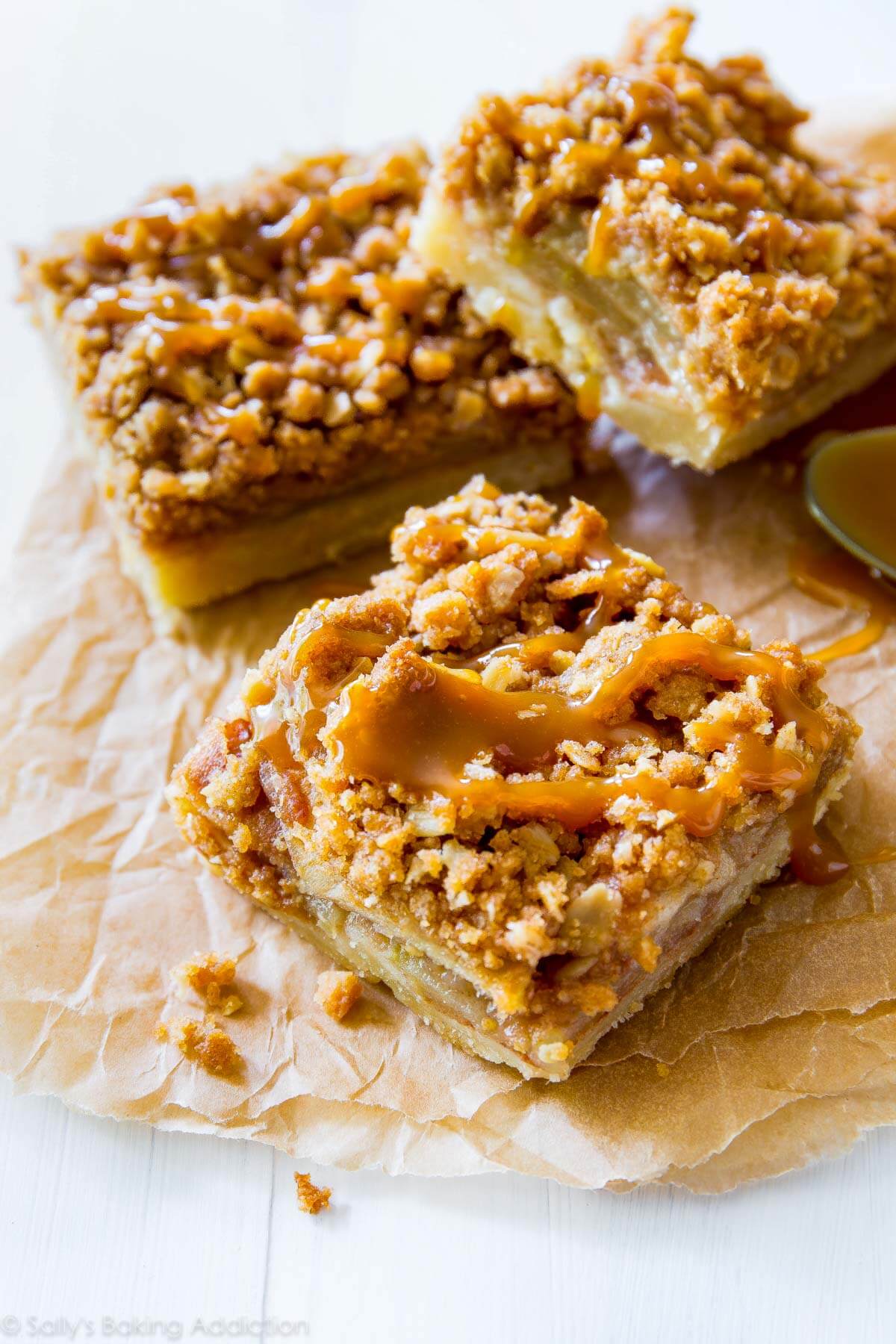
Recent updates to the foundational recipe were driven by systematic compilation of home baker feedback. Modifications include an increased flour ratio in the shortbread crust to enhance shape retention, extended overall baking durations for more thorough heat distribution, and a strict procedural mandate to chill the streusel mixture prior to oven entry. Food scientists and experienced pastry chefs emphasize that chilling fat-heavy crumble toppings is a critical thermodynamic step, as it delays the melting point of the butter, allowing the oats and brown sugar to form distinct, desirable clumps rather than a flat, uniform layer. Furthermore, culinary experts recommend specific apple cultivars—such as Granny Smith, Honeycrisp, and Pink Lady—due to their low moisture content and firm cell structures, which prevent the filling from becoming overly aqueous during the 40-to-45-minute baking cycle.
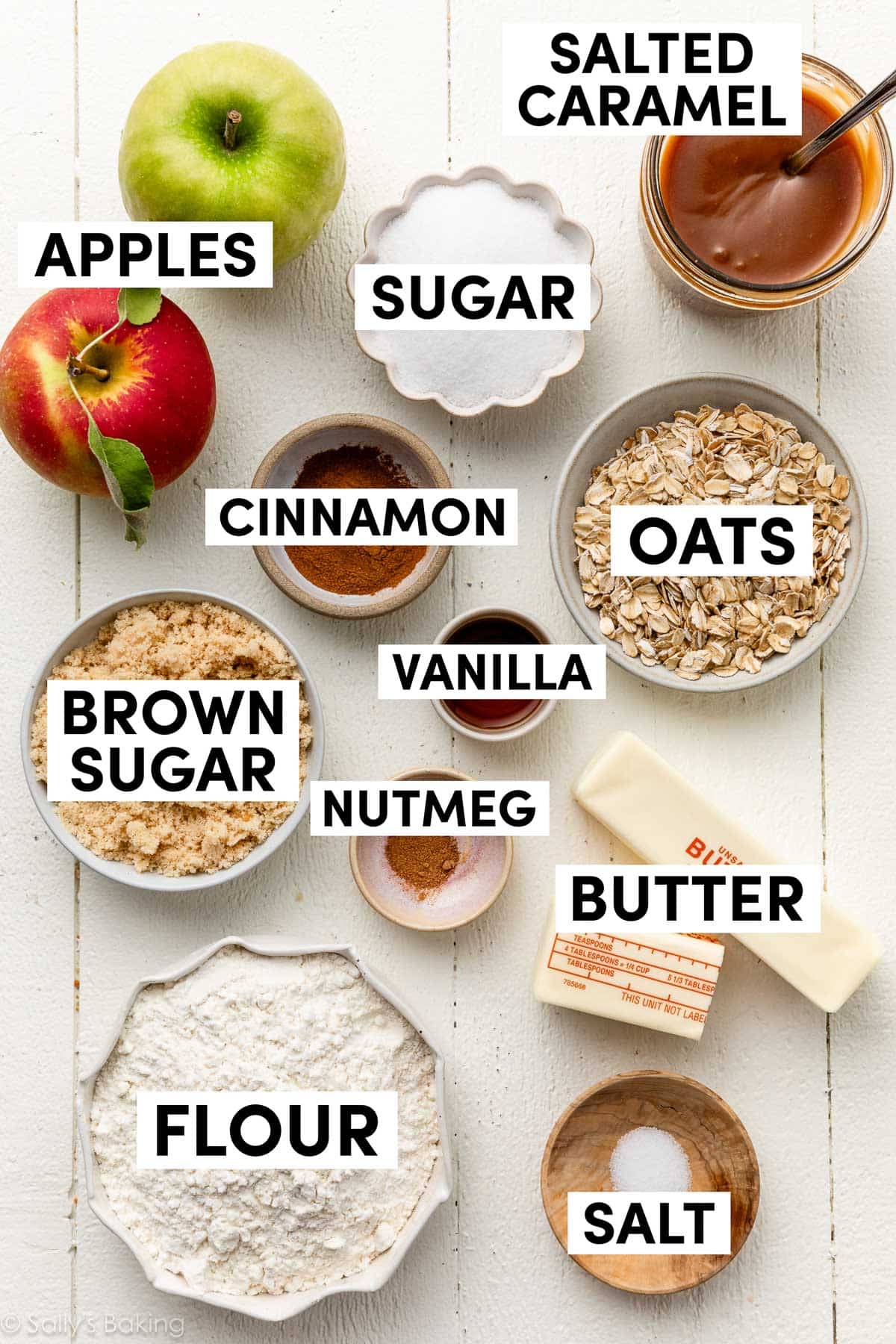
The incorporation of homemade salted caramel serves as both a finishing garnish and a contextual link to broader modern dessert trends. The culinary phenomenon of pairing salted caramel with fruit desserts bridges sweet and savory profiles, a movement that gained significant momentum in artisan bakeries throughout the late 2000s and has since become a fixture in home kitchens. While artisanal enthusiasts advocate for a four-ingredient homemade caramel prepared without a candy thermometer, convenience-driven adaptations officially accommodate commercial alternatives. According to culinary economists and baking supply retailers, the market for scratch-made dessert components paired with time-saving shortcuts represents a major sector of growth in culinary media, as home cooks balance hectic schedules with a desire for artisanal presentation.
Nutritional and logistical flexibility further enhances the appeal of bar-style desserts in modern household meal planning. Unlike circular pies, which require specialized slicing techniques and fragile serving utensils, square-cut dessert bars yield uniform portions that can be easily extracted using parchment paper linings. For large-scale gatherings, the recipe scales linearly; doubling the ingredients for a standard 9-by-13-inch pan requires only modest adjustments to pre-baking and total thermal exposure. Additionally, the finished bars demonstrate exceptional resilience to preservation, maintaining optimal texture and flavor integrity for up to three months when subjected to proper commercial-grade freezing and thawing protocols.
As consumer interest in heritage flavor combinations remains strong, the enduring success of refined dessert bar recipes underscores a shift in how classic American comfort foods are consumed. By deconstructing the labor-intensive elements of traditional pastry—such as rolling laminated doughs and blind-baking pie shells—culinary creators have successfully lowered the barrier to entry for novice bakers while delivering a product that satisfies the rigorous expectations of culinary purists. Industry observers anticipate that hybrid dessert formats, which merge the nostalgic taste profiles of holiday centerpieces with the functional efficiency of sheet-pan baking, will continue to dominate domestic baking trends for the foreseeable future.