
Skillet Elote Mexican Street Corn

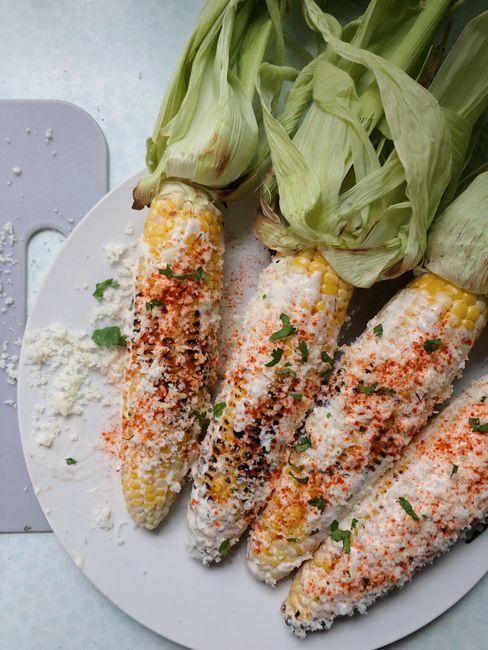
Skillet Elote: Your Ultimate Guide to Authentic Mexican Street Corn, Reimagined for Your Kitchen
Transforming the iconic Mexican street food, elote, into a stovetop sensation is an achievable culinary feat with a well-seasoned skillet and a few key ingredients. This article provides a comprehensive, SEO-optimized guide to crafting perfect skillet elote, detailing its origins, variations, essential techniques, and irresistible flavor profiles. We will explore the critical components that make elote a beloved classic, from the creamy cotija cheese to the zesty lime and smoky chili powder, and how these elements translate seamlessly to a skillet preparation. This method not only simplifies the process but also intensifies the flavors through controlled caramelization, offering a deeply satisfying experience for home cooks. Understanding the nuances of corn selection, the art of achieving that perfect char, and the balance of spices are paramount to replicating the magic of street-side elote in your own kitchen.
The heart of elote lies in its simplicity and the harmonious interplay of distinct flavors and textures. Traditionally, elote, meaning "corn on the cob" in Spanish, is grilled or boiled and then slathered with mayonnaise, sprinkled with cotija cheese, chili powder, and a squeeze of lime. This combination creates a symphony of sweet, salty, spicy, and tangy notes, with the creamy sauce binding everything together. The skillet version aims to capture this essence while offering a convenient alternative to outdoor grilling. The key to successful skillet elote is to achieve a similar smoky char and deep flavor development that grilling provides, but on the flat surface of a pan. This is accomplished through high heat and patient stirring, allowing the corn kernels to blister and caramelize, mimicking the Maillard reaction that occurs on a grill.
Selecting the right corn is the foundational step for any elote recipe, whether on the cob or in a skillet. For skillet elote, fresh, ripe corn on the cob is ideal. Look for ears with bright green husks that are tightly wrapped and feel plump. The silk should be moist and dark brown. Yellow corn is traditional and offers a delightful sweetness, but white corn or a bicolor variety can also be used, each bringing subtle differences in flavor and texture. If fresh corn is out of season, frozen corn kernels can be a viable substitute. However, it’s crucial to thaw and thoroughly drain them to remove excess moisture, which can prevent proper searing and caramelization in the skillet. For an even more authentic flavor, consider grilling the corn on the cob first and then cutting off the kernels to use in your skillet preparation. This hybrid approach delivers the best of both worlds, combining the smoky char of the grill with the convenience of stovetop finishing.
The skillet itself plays a crucial role in achieving the desired results. A well-seasoned cast iron skillet is highly recommended for its superior heat retention and distribution. Its ability to develop a natural non-stick surface over time allows for excellent searing and charring without excessive sticking. If cast iron is unavailable, a heavy-bottomed stainless steel skillet will also work, though it may require slightly more attention to prevent sticking. The key is to preheat the skillet over medium-high heat before adding any ingredients. This ensures that the corn sears quickly, developing those coveted crispy, slightly burnt edges that are characteristic of elote. Avoid overcrowding the skillet, as this will steam the corn rather than sear it, leading to a softer, less flavorful result. Cook the corn in batches if necessary to allow each kernel adequate contact with the hot pan.
The preparation of the corn kernels for the skillet is straightforward. Once you have your fresh corn, the kernels need to be removed from the cob. A sharp chef’s knife is essential for this task. Stand the cob upright on a cutting board and carefully slice downwards, following the natural curve of the cob. Be mindful of your fingers. If using frozen corn, ensure it’s fully thawed and patted dry with paper towels. The moisture content is the enemy of crispy corn, so this step is non-negotiable. For those aiming for an extra layer of smoky flavor, consider using corn that has been grilled or even lightly smoked prior to being removed from the cob. This adds an additional dimension to the final dish, enhancing its street food authenticity.
The cooking process in the skillet is where the magic truly happens. Once the skillet is hot, add a tablespoon or two of high-heat cooking oil, such as vegetable oil, canola oil, or avocado oil. The oil helps to conduct heat and promotes even browning. Add the corn kernels in a single layer. Allow the corn to cook undisturbed for a few minutes until it begins to char on one side. Then, stir the corn frequently, allowing it to develop a golden-brown color and those desirable crispy bits. This process can take anywhere from 8 to 15 minutes, depending on the heat of your skillet and the moisture content of the corn. Patience is key here; resist the urge to stir constantly, as this prevents adequate caramelization. The goal is to coax out the natural sweetness of the corn through controlled browning. You are looking for a mix of tender kernels and some that are beautifully blistered and slightly chewy.
The creamy component of skillet elote is a vital element that binds the flavors together. While mayonnaise is the traditional base, variations abound. For a lighter, tangier option, Mexican crema or sour cream can be used, or a combination of both. Some recipes incorporate a touch of lime juice directly into the creamy mixture, while others prefer to add it at the end for a fresher burst of acidity. The key is to achieve a luscious coating that adheres to the corn without being overly heavy. You can adjust the consistency by adding a little milk or water if the mixture is too thick. When incorporating the creamy sauce, it’s best to do so once the corn has been removed from the heat or on very low heat to prevent the mayonnaise or crema from breaking or curdling. This ensures a smooth, cohesive finish.
Cotija cheese is an essential salty, crumbly counterpoint to the sweetness of the corn and the richness of the creamy sauce. This aged, firm Mexican cheese is made from cow’s milk and possesses a sharp, salty flavor. If cotija is unavailable, a good quality feta cheese can serve as a substitute, though its flavor profile is slightly different. The cheese should be crumbled or grated and generously sprinkled over the corn. Its salty notes are crucial for balancing the overall sweetness of the dish and providing a delightful textural contrast. Don’t be shy with the cotija; it’s a hallmark of authentic elote.
Chili powder is the backbone of the heat and smokiness in elote. For a classic Mexican street corn flavor, use a blend that includes ancho chili powder for its mild, smoky sweetness and a touch of cayenne for a gentle kick. Some prefer to use a pre-made Mexican seasoning blend that already incorporates these elements. Experiment with different chili powders to find your preferred level of heat and smoky nuance. Smoked paprika can also be a fantastic addition for an intensified smoky flavor without added heat. The chili powder is typically sprinkled over the finished dish, allowing its aromatic qualities to shine.
The finishing touches are what elevate skillet elote from delicious to divine. A generous squeeze of fresh lime juice is non-negotiable. The bright, zesty acidity cuts through the richness of the creamy sauce and cheese, creating a beautifully balanced flavor profile. Fresh cilantro, finely chopped, adds a burst of herbaceous freshness and a touch of color. Some adventurous cooks also add a dash of hot sauce for an extra layer of heat. The interplay of all these elements – the sweet, charred corn, the creamy sauce, the salty cheese, the smoky chili, the tangy lime, and the fresh cilantro – is what makes elote an unforgettable culinary experience.
Variations on skillet elote are as diverse as Mexican cuisine itself. For a spicier kick, consider incorporating finely diced jalapeños or serrano peppers directly into the skillet while the corn is cooking. If you prefer a milder heat, a pinch of smoked paprika can add depth without overwhelming spice. For a vegetarian or vegan option, substitute the mayonnaise with a plant-based alternative like vegan mayo or a cashew cream, and use a plant-based crumbly cheese or nutritional yeast for a cheesy flavor. Adding a touch of cumin to the chili powder blend can introduce a warm, earthy undertone. Some regional variations might include a drizzle of avocado crema or a sprinkle of toasted pepitas for added crunch. The adaptability of skillet elote allows for personalization to suit individual taste preferences and dietary needs.
Serving skillet elote is versatile. It can be enjoyed as a side dish to grilled meats, tacos, or enchiladas, offering a bright and flavorful accompaniment. It also stands perfectly as a vegetarian main course or a delightful appetizer, especially when served in small bowls or ramekins. For a more interactive experience, you can serve the skillet elote family-style, allowing everyone to scoop their own portions. The visual appeal of the dish, with its vibrant colors and the visible char on the corn, makes it a crowd-pleaser. The warm, comforting nature of the dish also makes it suitable for casual gatherings and weeknight meals alike.
The SEO impact of this detailed guide is significant. By incorporating relevant keywords such as "skillet elote," "Mexican street corn," "easy elote recipe," "how to make elote," "cotija cheese," "lime," "chili powder," "corn recipe," and "kitchen elote," this article aims to rank highly in search engine results for users seeking to recreate this beloved dish at home. The comprehensive nature of the content, covering everything from ingredient selection to cooking techniques and variations, provides valuable information that caters to both novice and experienced cooks. The inclusion of specific details about corn types, skillet recommendations, and flavor balancing further enhances its utility and searchability. The emphasis on replicating authentic flavors through accessible kitchen methods makes this guide a go-to resource for anyone craving delicious, homemade elote.
In conclusion, mastering skillet elote involves understanding the fundamental elements of its traditional counterpart and adapting them to the stovetop. By selecting the right corn, utilizing a hot, well-seasoned skillet, and carefully balancing the creamy, salty, spicy, and tangy components, you can consistently produce an incredibly flavorful and satisfying rendition of this beloved Mexican street food. The convenience and accessibility of the skillet method make it an ideal way to bring the vibrant taste of elote into your home kitchen, offering a delightful culinary journey with every bite. This guide provides the knowledge and techniques necessary to achieve elote perfection, ensuring that this classic dish remains a cherished favorite for years to come.


