
Slow Cooker Chicken Curry

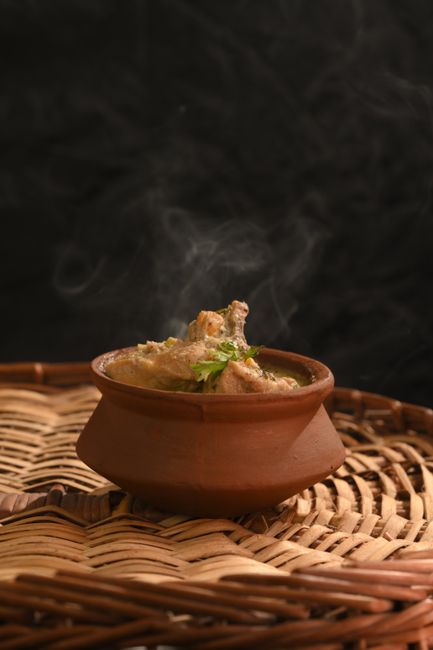
Slow Cooker Chicken Curry: A Flavorful and Effortless Meal
Slow cooker chicken curry transcends the limitations of time-intensive preparation, offering a deeply flavorful and remarkably convenient culinary experience. This method transforms humble chicken pieces into tender, succulent morsels bathed in a rich, aromatic sauce, all with minimal active involvement. The magic of the slow cooker lies in its ability to gently and consistently cook ingredients, allowing complex flavors to meld and deepen over several hours. This results in a dish that tastes as if it simmered for ages, despite requiring only a few minutes of hands-on prep. Perfect for busy weeknights or leisurely weekends, slow cooker chicken curry is a versatile recipe that can be adapted to suit a wide range of dietary preferences and spice levels. Its inherent ease of preparation makes it an ideal candidate for meal prepping, allowing for delicious leftovers or pre-portioned lunches. Furthermore, the slow cooker’s gentle cooking process ensures the chicken remains incredibly moist and tender, avoiding the dryness often associated with other cooking methods when dealing with lean cuts of poultry. The foundation of any great curry lies in its spice blend, and the slow cooker excels at coaxing out the full aroma and flavor of these ingredients. As the spices slowly infuse the chicken and liquid, they develop a depth and complexity that is hard to replicate quickly. This article will delve into the core components, variations, and essential tips for creating an outstanding slow cooker chicken curry that will become a staple in your recipe repertoire.
The fundamental structure of a slow cooker chicken curry recipe hinges on a few key components: the protein, the aromatics, the liquid base, and the spices. For the protein, boneless, skinless chicken thighs are often the preferred choice due to their higher fat content, which contributes to a more tender and flavorful end product that holds up well to slow cooking. Chicken breasts can be used, but vigilance is required to prevent them from becoming dry, and some cooks opt to add them later in the cooking process. The aromatics, the building blocks of flavor, typically include onions, garlic, and ginger. These ingredients are usually sautéed briefly before being added to the slow cooker, a step that deepens their sweetness and removes any raw pungency. The liquid base provides moisture for cooking and forms the sauce. Common options include chicken broth, coconut milk, crushed tomatoes, or a combination thereof. Coconut milk, in particular, imparts a creamy richness and a subtle sweetness that complements the spices beautifully. The spice blend is the heart and soul of the curry. A typical mix might include curry powder, turmeric, cumin, coriander, garam masala, and cayenne pepper for heat. The beauty of a slow cooker curry is that these spices have ample time to bloom and meld, creating a complex and nuanced flavor profile. Beyond these core elements, vegetables can be incorporated to add texture, nutrients, and additional layers of flavor. Common additions include bell peppers, potatoes, sweet potatoes, peas, spinach, and carrots. The choice of vegetables will influence the overall texture and cooking time, with denser vegetables like potatoes requiring more time than quick-cooking greens like spinach.
Preparing slow cooker chicken curry is remarkably straightforward, making it an accessible recipe for cooks of all skill levels. The initial step usually involves preparing the aromatics. This typically means finely dicing an onion, mincing several cloves of garlic, and grating or mincing fresh ginger. Many recipes recommend sautéing these ingredients in a tablespoon or two of oil (such as vegetable oil, coconut oil, or ghee) in a skillet over medium heat until the onions are softened and translucent. This brief sautéing step is crucial as it caramelizes the sugars in the onions, develops the pungent aromas of garlic and ginger, and removes any harsh raw notes. While this step is optional and can be skipped for true one-pot convenience, it significantly enhances the depth of flavor in the final dish. Next, the chicken is prepared. For boneless, skinless thighs, this usually means trimming any excess fat and cutting them into bite-sized pieces, about 1-2 inches. If using chicken breasts, they can be left whole or cut into larger chunks to minimize the risk of drying out. The spices are then either added directly to the slow cooker with the other ingredients or bloomed in the skillet with the aromatics for an extra burst of flavor. This blooming process involves briefly toasting the spices in the hot oil for about 30 seconds until fragrant, which intensifies their aromas and flavors. Once the aromatics and spices are ready, they are added to the slow cooker insert. The chicken pieces are then added, followed by the chosen liquid base. If incorporating vegetables, denser root vegetables like potatoes or carrots are added at this stage, while quicker-cooking vegetables like peas or spinach are often added towards the end of the cooking time to prevent them from becoming mushy. The lid is then secured, and the slow cooker is set to the desired temperature and cooking time.
The cooking process for slow cooker chicken curry is where its true magic unfolds, allowing flavors to develop with minimal intervention. The vast majority of slow cooker chicken curry recipes are cooked on either the "low" or "high" setting. The "low" setting typically requires 6-8 hours of cooking, while the "high" setting usually takes 3-4 hours. The "low" setting is ideal for developing deeper, more nuanced flavors and for ensuring maximum tenderness, especially when using tougher cuts of meat or denser vegetables. It’s a great option for those who can prepare the meal in the morning and let it cook throughout the day. The "high" setting is a more time-efficient option for busy individuals, offering a delicious meal in a shorter timeframe. However, it’s important to note that cooking on high can sometimes lead to a slightly less tender result compared to the low setting, and some ingredients may benefit from being added later to prevent overcooking. Regardless of the setting chosen, the slow cooker’s gentle, consistent heat works to break down the connective tissues in the chicken, rendering it incredibly tender and moist. As the liquid simmers, it infuses the chicken with the aromatic spices and the flavors of the other ingredients. The slow, steady evaporation of liquid also helps to concentrate the flavors, creating a rich and satisfying sauce. Towards the end of the cooking time, particularly during the last 30 minutes to an hour, any quick-cooking vegetables like peas, corn, or spinach can be stirred in. This ensures they retain their vibrant color and crisp-tender texture. Once the cooking cycle is complete, many recipes call for a final step to thicken the sauce, if desired, and to adjust seasonings. A cornstarch slurry (cornstarch mixed with a little water) can be stirred in and allowed to simmer for a few minutes to thicken the sauce. Tasting and adjusting the salt, pepper, and spice levels is a crucial final step to ensure the curry is perfectly seasoned.
Variations on the slow cooker chicken curry theme are virtually limitless, allowing for endless customization and catering to diverse palates and dietary needs. One of the most popular variations involves the type of curry. A Thai-inspired green curry can be achieved by using green curry paste, coconut milk, lemongrass, kaffir lime leaves, and fish sauce. This version often incorporates vegetables like bamboo shoots, Thai basil, and bell peppers. For a red curry, red curry paste, coconut milk, and ingredients like chilies and red bell peppers are key. Vindaloo, traditionally a spicy Goan curry, can be adapted for the slow cooker by using vinegar, chilies, garlic, and a blend of warm spices. Korma, a milder, creamier curry, can be made with yogurt or cashew paste, ginger, garlic, and a delicate spice blend. For those seeking a vegetarian or vegan option, the chicken can be replaced with chickpeas, lentils, tofu, or a medley of hearty vegetables like cauliflower, sweet potatoes, and eggplant. The liquid base can be adjusted to suit the desired flavor profile; for instance, a rich tomato-based curry can be achieved by using crushed tomatoes as the primary liquid. The spice blend itself offers a canvas for creativity. Experimenting with different curry powders, adding individual spices like cardamom, fenugreek, or mustard seeds, or incorporating fresh herbs like cilantro or mint can dramatically alter the final taste. The addition of fruits like mango or pineapple can introduce a delightful sweetness and tropical note, especially to milder curries. Some recipes benefit from a touch of acidity at the end, such as a squeeze of lime or lemon juice, which brightens the overall flavor profile. Even the type of onion can be varied; red onions offer a slightly sweeter and more robust flavor than yellow onions. The key to successful variation lies in understanding how each ingredient contributes to the overall balance of sweet, sour, salty, and spicy flavors.
Enhancing the flavor and texture of your slow cooker chicken curry is achievable through a few strategic culinary techniques and ingredient choices. Searing the chicken before adding it to the slow cooker, even if you don’t sauté the aromatics, can add a layer of browned flavor and improve its texture. Similarly, toasting the whole spices before grinding them or adding them to the spice blend will unlock their full aromatic potential. Blooming the ground spices in a hot oil or butter for a short period before adding them to the slow cooker is another highly effective method for intensifying their flavor. The quality of your curry powder or paste is paramount. Using fresh, high-quality spices will result in a significantly more flavorful curry than using old, dull ones. Don’t be afraid to experiment with the liquid base. While coconut milk is a popular choice for its richness, consider using a combination of chicken broth and a touch of cream for a lighter but still creamy sauce, or even a splash of white wine or beer for added depth. Layering flavors is also key. Adding a pinch of sugar can balance the acidity of tomatoes, while a touch of acidity, like lime juice or tamarind paste, can brighten a rich, heavy curry. For a deeper umami flavor, consider adding a teaspoon of fish sauce or a tablespoon of soy sauce, particularly in Asian-inspired curries. Incorporating fresh aromatics like lemongrass or galangal can add distinct and authentic flavors. When adding vegetables, consider their cooking times. Harder root vegetables like potatoes and carrots should be added at the beginning, while softer vegetables like peas, spinach, or bell peppers are best added in the last 30-60 minutes of cooking to prevent them from becoming overcooked and mushy. The finish of the curry is also important. A swirl of plain yogurt, sour cream, or a dollop of coconut cream can add a creamy richness and visual appeal. A sprinkle of fresh cilantro, chopped nuts (like cashews or almonds), or toasted coconut flakes can provide a delightful textural contrast and a burst of freshness. Finally, tasting and adjusting seasonings throughout the cooking process, and especially at the end, is crucial for achieving a perfectly balanced and delicious curry.
Serving slow cooker chicken curry opens up a world of complementary accompaniments and presentation ideas, elevating the meal from a simple dish to a well-rounded dining experience. The most classic pairing for any curry is rice. Basmati rice, with its long, slender grains and subtle fragrance, is an ideal choice as it absorbs the flavorful sauce without becoming clumpy. Other excellent rice options include jasmine rice, brown rice for a healthier alternative, or even coconut rice, which adds another layer of tropical flavor. Naan bread is another indispensable accompaniment, perfect for scooping up every last drop of the rich curry sauce. Warm, soft naan, whether plain or garlic-infused, provides a delightful contrast in texture and a satisfying chew. For those seeking lighter options, roti or chapati are also excellent choices. Beyond starches, a variety of condiments and garnishes can transform a good curry into a great one. A dollop of plain yogurt or raita (a yogurt-based dip with cucumber, mint, and spices) provides a cooling counterpoint to the heat of the curry. A sprinkle of fresh cilantro adds a burst of herbaceous freshness, while chopped toasted nuts, such as cashews, almonds, or peanuts, offer a delightful crunch and nutty flavor. Toasted coconut flakes are another popular garnish, adding sweetness and a tropical aroma. For those who enjoy extra heat, a side of chopped fresh chilies or a chili oil can be offered. Lime or lemon wedges are essential for squeezing over the curry, as the acidity brightens the flavors and cuts through the richness. Pickled onions or mango chutney can add a sweet and tangy dimension that complements the spices beautifully. When it comes to presentation, consider serving the curry directly from the slow cooker insert placed on a trivet for a casual, family-style meal. Alternatively, ladle the curry into individual bowls, arranging the garnishes artfully on top. The vibrant colors of the curry, particularly if it includes a variety of vegetables, are visually appealing on their own, but the addition of fresh green herbs and contrasting textures further enhances its presentation.
The nutritional profile of slow cooker chicken curry can be surprisingly wholesome, depending on the ingredients used. Chicken itself is a good source of lean protein, essential for muscle repair and growth, and when cooked in a slow cooker, it remains exceptionally moist and digestible. The base of many curries, coconut milk, while containing saturated fat, also provides medium-chain triglycerides (MCTs), which are metabolized differently than other fats. Opting for light coconut milk can reduce the fat and calorie content. Incorporating a variety of vegetables significantly boosts the fiber content, along with a spectrum of vitamins and minerals. Ingredients like spinach, bell peppers, and carrots are packed with antioxidants, vitamin A, vitamin C, and potassium. When using whole grains like brown rice as a side, the fiber content of the meal increases, promoting digestive health and satiety. While curry powders and pastes can contribute to sodium content, it’s often possible to find lower-sodium options or to control the amount of salt added during cooking. Utilizing healthy fats by cooking with coconut oil or ghee adds beneficial fatty acids. The slow cooking process itself can contribute to nutrient retention, as the ingredients are cooked gently at lower temperatures for extended periods, minimizing the loss of water-soluble vitamins that can occur with high-heat cooking methods. For those managing specific dietary needs, modifications are readily available. Gluten-free versions can be easily achieved by ensuring all spices and any thickening agents are certified gluten-free, and serving with gluten-free grains or vegetables. Low-carb options can be created by omitting rice and naan, and focusing on a generous portion of non-starchy vegetables or serving over cauliflower rice. Dairy-free versions are inherent when using coconut milk as the primary liquid base. By being mindful of ingredient choices, slow cooker chicken curry can be a delicious and nutritionally balanced meal that caters to a wide range of health goals and dietary preferences.
Slow cooker chicken curry is an exemplar of how minimal effort can yield maximum flavor and culinary satisfaction. Its inherent adaptability, forgiving nature, and ability to produce deeply complex tastes with simple preparation make it an indispensable recipe for modern kitchens. The slow cooker’s gentle, consistent heat orchestrates a symphony of flavors, transforming humble ingredients into a rich, aromatic, and incredibly tender dish. From the foundational aromatics of onion, garlic, and ginger to the transformative power of a well-balanced spice blend and the creamy embrace of coconut milk, each component plays a vital role in creating this beloved comfort food. The versatility of slow cooker chicken curry lies not only in its ease of preparation but also in its boundless potential for customization. Whether one seeks the fiery kick of a vindaloo, the mild creaminess of a korma, or a vibrant, vegetable-laden creation, the slow cooker provides a reliable canvas for culinary exploration. The act of layering flavors, from toasting spices to adding a final squeeze of citrus, elevates the dish beyond its basic components. Accompanied by fragrant rice, warm naan, and a medley of cooling or zesty garnishes, slow cooker chicken curry transforms into a complete and deeply satisfying meal. Furthermore, its nutritional potential, when thoughtfully constructed with lean protein, abundant vegetables, and healthy fats, makes it a choice that nourishes the body as well as the palate. The enduring appeal of slow cooker chicken curry rests on its ability to deliver restaurant-quality flavor with unparalleled convenience, solidifying its status as a go-to recipe for both novice and experienced home cooks. Its ability to deliver a wholesome, flavorful, and remarkably easy meal makes it a testament to the power of slow, patient cooking.


