Smoked Stuffed Pork Loin
Smoked Stuffed Pork Loin: A Comprehensive Guide to Mastering This Savory Masterpiece
The art of smoking pork loin, particularly when elevated by the addition of a flavorful stuffing, represents a pinnacle of home barbecue and culinary craftsmanship. This comprehensive guide delves into every facet of creating a truly exceptional smoked stuffed pork loin, from selecting the perfect cut to achieving that coveted smoky bark and succulent interior. We will explore the essential equipment, the nuances of wood selection, the meticulous preparation of the pork, the diverse world of stuffing options, and the critical smoking process that transforms a humble cut into an unforgettable centerpiece. Whether you’re a seasoned pitmaster or a curious home cook, this article will equip you with the knowledge and techniques necessary to confidently execute a flawless smoked stuffed pork loin that will impress discerning palates and elevate your outdoor cooking game.
Choosing the Right Pork Loin: The Foundation of Flavor
The success of your smoked stuffed pork loin hinges significantly on the quality and type of pork loin you select. The most common and suitable cut is the "center-cut" pork loin, also known as a pork tenderloin roast or boneless pork loin roast. This cut is characterized by its uniform thickness, lean protein composition, and exceptional tenderness. Look for a loin that is bright pink in color, firm to the touch, and has a minimal amount of visible fat. Excessive fat can render too quickly during the smoking process, leading to a greasy finished product. Conversely, too little fat can result in a dry and less flavorful outcome. Aim for a loin that is roughly 2-3 pounds, as this size is manageable for most smokers and allows for even cooking. Avoid pre-marinated or enhanced pork loins, as these can interfere with the penetration of your chosen rubs and smoke. The goal is to start with a pristine canvas ready to absorb the complex flavors of your smoke and stuffing. Understanding the fat cap is also crucial. A thin, even fat cap can provide moisture and flavor, but it should be trimmed to about 1/4 inch to prevent the smoke from having difficulty penetrating the meat.
The Essential Toolkit for Smoked Pork Loin Mastery
To achieve optimal results with your smoked stuffed pork loin, certain essential equipment is indispensable. A quality smoker is paramount, whether it’s a charcoal smoker, an electric smoker, a pellet grill with smoking capabilities, or even a drum smoker. Each type offers unique advantages in terms of temperature control and smoke generation. For charcoal smokers, a good quality lump charcoal or briquettes are necessary, along with wood chunks or chips for smoke. Electric smokers require precise temperature management, and wood chips are typically placed in a dedicated smoke box. Pellet grills offer remarkable convenience and precise temperature control, utilizing wood pellets to generate both heat and smoke. Regardless of your smoker type, a reliable meat thermometer is non-negotiable. An instant-read thermometer is ideal for checking the internal temperature at various stages of cooking, while a leave-in probe thermometer allows for continuous monitoring without opening the smoker lid, thus maintaining a consistent temperature. Other helpful tools include sturdy butcher’s twine for securing the stuffed loin, sharp knives for trimming and butterflying, and a good quality cutting board. Aluminum foil or butcher paper will be essential for wrapping the loin during the latter stages of smoking to retain moisture and prevent over-smoking.
The Art of Stuffing: Unleashing Culinary Creativity
The stuffing is where your smoked stuffed pork loin truly shines, offering an unparalleled opportunity for flavor innovation. The possibilities are virtually endless, catering to a wide array of palates and dietary preferences. Classic combinations often feature bread-based stuffings, such as cornbread or sourdough, providing a comforting and absorbent base. These can be enhanced with ingredients like sautéed onions and celery, fresh herbs (sage, thyme, rosemary), dried cranberries or apricots for a touch of sweetness, toasted nuts (pecans, walnuts) for texture, and crumbled breakfast sausage or bacon for savory depth. For a lighter, more vegetable-forward stuffing, consider a blend of finely chopped spinach, artichoke hearts, sun-dried tomatoes, roasted red peppers, and feta or goat cheese. Mushroom and wild rice stuffings offer an earthy and sophisticated alternative. When preparing your stuffing, ensure it is not overly wet, as excessive moisture can lead to a soggy result and compromise the structural integrity of the loin. It should be moist enough to bind together but firm enough to hold its shape. Consider pre-cooking certain stuffing ingredients, such as sautéing aromatics or toasting nuts, to develop their flavors and ensure they are tender and fully integrated into the stuffing mixture.
Butterfly and Prepare: Creating the Perfect Canvas
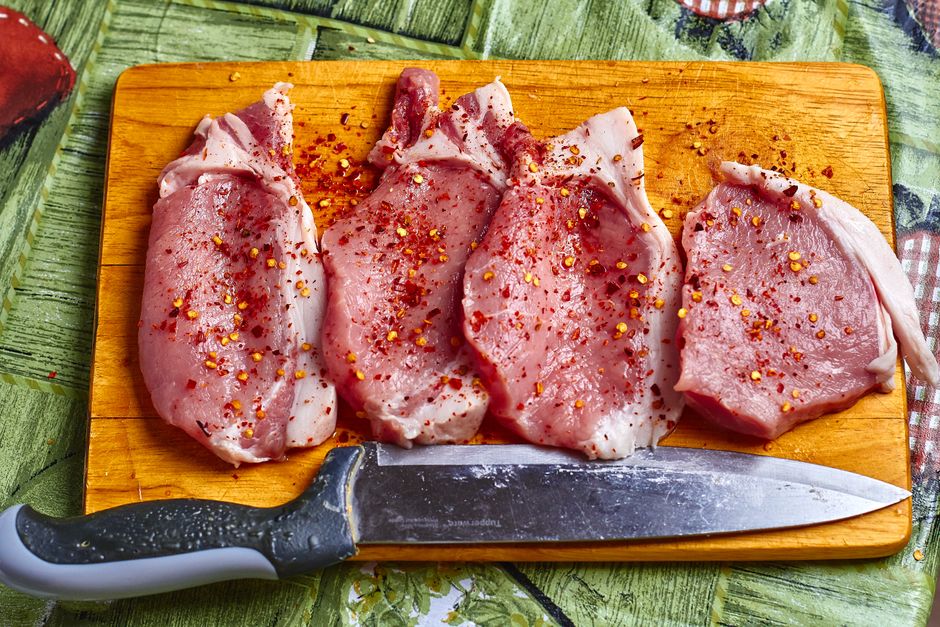
The preparation of the pork loin is a critical step that directly impacts the successful integration of the stuffing and the even cooking of the roast. The technique most commonly employed is butterflying. To butterfly a pork loin, place the roast on a clean cutting board with the fat cap facing up. Using a sharp, thin-bladed knife, make a lengthwise cut about halfway through the thickness of the loin, stopping just before you cut all the way through. Then, open the loin like a book. For larger loins, you may need to repeat this process on the other half of the opened loin to create an even surface area for stuffing. Once butterflied, pound the loin lightly with a meat mallet or the flat side of your knife to create a more uniform thickness. This ensures that the stuffing has an even surface to lie on and that the entire roast cooks at a similar rate. Season the inside of the butterflied loin generously with your chosen dry rub. This is your primary opportunity to infuse the meat itself with flavor before the stuffing and smoke do their work.
The Magic of the Dry Rub: Building the Flavor Profile
A well-formulated dry rub is the cornerstone of any great smoked meat, and your stuffed pork loin is no exception. A classic pork rub often includes a base of brown sugar or turbinado sugar for sweetness and caramelization, coarse kosher salt for curing and flavor enhancement, black pepper for a bit of bite, and paprika for color and subtle smokiness. From there, the possibilities expand exponentially. Consider adding garlic powder, onion powder, smoked paprika, cayenne pepper for heat, cumin for earthy notes, or even a touch of ground mustard. The key is to create a balanced blend that complements, rather than overpowers, the natural flavor of the pork and your chosen stuffing. For a more pronounced smoky flavor, incorporate a portion of chipotle powder or smoked chili flakes. Experimentation is encouraged, but a good starting point for a standard pork loin might be a 3:1 ratio of brown sugar to salt, with smaller amounts of other spices. Ensure the rub is applied evenly to both the inside and outside of the butterflied pork loin, pressing it gently into the meat to adhere.
Stuffing and Rolling: Securing the Savory Core
With the pork loin butterflied and seasoned, it’s time to introduce the star of the show: the stuffing. Spread your prepared stuffing evenly over the entire surface of the butterflied loin, leaving a small border around the edges to prevent excessive leakage during cooking. Gently press the stuffing down to create a compact layer. Now, carefully begin to roll the pork loin from one of the long sides, tucking the stuffing inside as you go. The goal is to create a tight, cohesive roll that will hold its shape during the smoking process. Once the loin is rolled, it’s crucial to secure it with butcher’s twine. Tie the twine at regular intervals, approximately every 1-2 inches, to ensure the stuffing remains firmly in place and the roast maintains its cylindrical shape. This also helps to prevent the loin from unraveling during handling and cooking. If the loin is uneven, you may need to tie it more frequently to create a uniform diameter.
Wood Selection: Imparting the Signature Smoky Aroma
The choice of wood is a defining element in the character of your smoked stuffed pork loin. Different woods impart distinct flavor profiles, ranging from mild and sweet to bold and pungent. For pork, fruitwoods like apple and cherry are perennial favorites, offering a delicate sweetness and a mild, pleasant smoke that complements the pork without overpowering it. Hickory is another popular choice, providing a more robust, classic smoky flavor that pairs exceptionally well with pork. Mesquite offers a bold, assertive smoke that can be overpowering if not used judiciously; it’s best employed in smaller quantities or blended with milder woods. For a more complex smoky profile, consider a blend of woods. Pecan wood offers a nutty, sweet, and slightly earthy smoke, while oak provides a neutral, clean smoke that allows the other flavors to shine. When using wood chunks for smoking, ensure they are soaked in water for at least 30 minutes prior to use to promote a longer, more consistent burn and to generate more steam, which helps tenderize the meat. For pellet grills, select pellets made from woods that complement pork.
The Smoking Process: Patience and Precision
The smoking process for stuffed pork loin is a journey that demands patience and precise temperature control. The ideal smoking temperature for pork loin is generally between 225°F and 275°F (107°C to 135°C). Lower temperatures promote a longer smoke time and allow for greater smoke penetration, while slightly higher temperatures can speed up the cooking process. Begin by preheating your smoker to your desired temperature. Place the prepared and tied pork loin directly on the smoker grates. For the first few hours of smoking, resist the urge to open the smoker lid frequently. Each opening allows heat and smoke to escape, prolonging the cooking time. The goal is to allow the smoke to work its magic and develop a beautiful, flavorful bark on the exterior of the roast. You’re looking for a rich, mahogany color to develop.
The Wrap: Retaining Moisture and Accelerating Cooking
Once your pork loin has developed a satisfactory bark (typically after 2-3 hours, depending on smoker temperature and wood), it’s time to wrap it. This stage is crucial for retaining moisture and ensuring a tender, succulent interior. You have two primary options for wrapping: aluminum foil or butcher paper. Aluminum foil creates a tight seal, effectively steaming the meat and accelerating the cooking process. Butcher paper, on the other hand, is more breathable, allowing some steam to escape while still retaining moisture and preventing the bark from becoming too soft or mushy. For a moister end product, foil is often preferred. For a slightly crisper bark, butcher paper is a good choice. Tightly wrap the pork loin in your chosen material, ensuring there are no gaps.
The Final Cook and Temperature Target
After wrapping, return the pork loin to the smoker. Continue to smoke until the internal temperature reaches your desired level. For a tender and juicy smoked stuffed pork loin, aim for an internal temperature of 145°F (63°C) to 150°F (66°C) when using a thermometer probe inserted into the thickest part of the loin, avoiding any pockets of stuffing. While some may prefer to cook pork loin to higher temperatures, modern pork is safe to consume at these lower temperatures, resulting in a far more tender and flavorful experience. The total smoking time will vary depending on your smoker’s temperature, the size of the loin, and ambient weather conditions. A general estimate for a 2-3 pound loin can range from 4 to 6 hours. Use your meat thermometer diligently to monitor the progress.
Resting and Carving: The Culmination of Craftsmanship
Once your smoked stuffed pork loin has reached its target internal temperature, remove it from the smoker and allow it to rest for at least 15-20 minutes before carving. This resting period is critical for allowing the juices to redistribute throughout the meat, resulting in a more moist and tender finished product. If you carve too soon, the juices will simply run out onto your cutting board, leaving you with a drier roast. While the loin rests, you can prepare your serving platter and any accompanying sauces or sides. To carve, carefully remove the butcher’s twine. Using a sharp carving knife, slice the pork loin into desired thicknesses, revealing the beautifully integrated stuffing within. Serve immediately and savor the fruits of your labor.
Troubleshooting Common Issues
Even the most experienced cooks can encounter challenges. If your pork loin is dry, it’s likely due to overcooking or insufficient resting. Ensure you’re using a reliable thermometer and not relying solely on time. If the stuffing is falling out, ensure it was tightly rolled and securely tied with twine. For a bland flavor, double-check that your dry rub was applied generously and consider adding more robust aromatics to your stuffing. If the bark is too tough, it might be a result of over-smoking without wrapping or using too much of a strong-flavored wood. Adjust your wood selection and smoking duration accordingly.
Conclusion: A Rewarding Culinary Endeavor
Smoking a stuffed pork loin is a rewarding culinary endeavor that offers immense satisfaction and delicious results. By understanding the nuances of selecting the right cut, mastering the art of stuffing, applying a flavorful dry rub, and employing precise smoking techniques, you can consistently produce a show-stopping dish. The versatility of stuffing options ensures that this dish can be adapted to any occasion or preference, making it a true crowd-pleaser. Embrace the process, experiment with flavors, and enjoy the incredible aroma and taste of your homemade smoked stuffed pork loin.