
South Carolina Catfish Stew

South Carolina Catfish Stew: A Culinary Tradition Unveiled
South Carolina catfish stew, often referred to simply as "catfish stew" in the Palmetto State, is more than just a dish; it’s a deeply ingrained culinary tradition, a communal experience, and a testament to the resourcefulness and palate of its people. While the term "stew" might conjure images of slow-cooked meats and chunky vegetables, South Carolina catfish stew presents a distinct, often brothier, and more delicately spiced profile. Its origins are rooted in the bounty of the region’s waterways, where catfish, abundant and flavorful, became a staple protein. This dish is a cornerstone of Lowcountry cooking, a distinct culinary style characterized by its use of local ingredients, French and African influences, and a mastery of simmering and slow cooking. The essence of South Carolina catfish stew lies in its simplicity, allowing the inherent sweetness of the catfish and the subtle interplay of spices to shine through. It’s a dish typically prepared in large batches, meant to be shared among family and friends, especially during gatherings, church socials, and holidays. The preparation itself is often a communal effort, fostering a sense of togetherness and shared heritage.
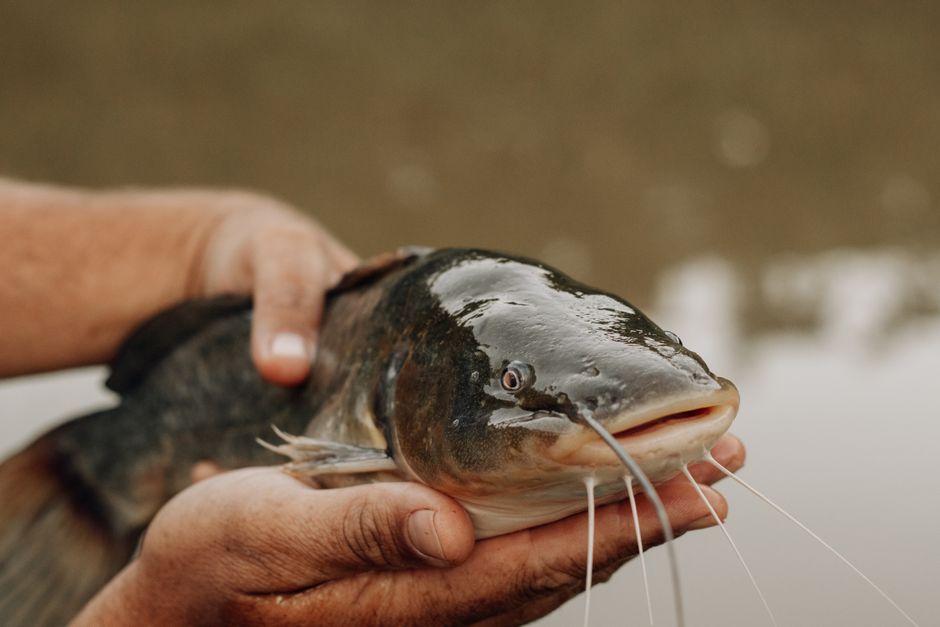
The foundational element of any authentic South Carolina catfish stew is, of course, the catfish itself. Historically, freshwater catfish, particularly bullheads and channel catfish, were the go-to species. These fish are known for their firm, white flesh and a distinct, somewhat sweet flavor that holds up exceptionally well in a stew. While many modern recipes might call for fillets, traditionalists often prefer bone-in pieces, believing the bones contribute depth and richness to the broth. The fat content in catfish also plays a crucial role, adding a pleasing mouthfeel and carrying the flavors of the spices and vegetables. The process of cleaning and preparing the catfish is an art form in itself. Removing the "catfish slime" – a gelatinous coating – is paramount to achieving a clean flavor. This is typically done by rubbing the fish with cornmeal or coarse salt and rinsing thoroughly. Cut into manageable chunks, the catfish becomes the star, absorbing the aromatic broth and offering tender, flaky bites with every spoonful. The quality of the catfish directly impacts the final outcome, underscoring the importance of sourcing fresh, locally caught fish whenever possible for the most authentic experience.
Beyond the catfish, the broth is where the soul of the stew truly resides. While variations exist, a classic South Carolina catfish stew broth is built upon a flavorful base. Often, this begins with the rendered fat from the catfish itself, sometimes supplemented with a touch of salt pork or bacon for an added layer of savory depth. Water is the primary liquid, though some recipes might incorporate a small amount of fish stock or clam juice to further enhance the seafood notes. The spices are where regional nuances truly emerge. A gentle hand with heat is typically favored, allowing the other flavors to harmonize. Onion and garlic form the aromatic foundation, providing a pungent sweetness that mellows during the simmering process. Bell peppers, particularly green bell peppers, add a vegetal brightness and a hint of peppery zest. While not always present, a touch of celery can contribute a subtle earthy note. The real magic, however, often lies in the judicious use of seasonings. Black pepper is a constant, providing a warm, lingering spice. A pinch of cayenne pepper might be introduced for a subtle kick, but it’s rarely the dominant flavor. Some cooks will add a bay leaf, which imparts a subtle herbal aroma. The key is balance; no single spice should overpower the delicate sweetness of the catfish or the savory notes of the broth.
The role of starches in South Carolina catfish stew is typically more pronounced than in many other stews, often acting as thickeners and flavor carriers. Cornmeal is an indispensable ingredient, serving multiple purposes. Coarse or medium-grind cornmeal is often stirred into the simmering broth towards the end of cooking, providing a subtle thickening and a characteristic grainy texture. This isn’t about creating a heavy, gravy-like consistency, but rather a pleasant mouthfeel that coats the palate. Some recipes call for adding a cornmeal slurry – cornmeal mixed with a small amount of water to form a paste – which helps to prevent lumps from forming in the broth. In other instances, whole ears of corn, or kernels cut from the cob, are added to the stew. The natural sweetness of the corn complements the catfish beautifully, and the kernels themselves offer bursts of tender texture. Potatoes are another common addition, typically cubed and added early enough to soften and absorb the flavors of the broth. They contribute to the heartiness of the stew and provide a satisfying, starchy component. The combination of corn and potatoes creates a comforting and filling dish that is both rustic and refined.
The cooking process for South Carolina catfish stew is characterized by patience and slow simmering, allowing the flavors to meld and deepen. It’s not a dish that can be rushed. The initial steps often involve rendering any added fat, sautéing the aromatics – onions, garlic, and bell peppers – until softened and fragrant. The catfish is then introduced, typically in stages, to prevent overcrowding the pot and to ensure even cooking. The liquid is added, and the stew is brought to a gentle simmer, never a rolling boil, which can break down the delicate catfish too quickly. The simmering time can vary, but it’s generally long enough for the catfish to become tender and flake easily, and for the flavors to fully develop. The addition of cornmeal or potatoes usually occurs towards the latter half of the cooking process. Throughout the simmering, occasional stirring is necessary to prevent sticking and to ensure the cornmeal is evenly incorporated. The aroma that fills the kitchen during this time is intoxicating, a promise of the comforting and delicious meal to come. This unhurried approach is central to the traditional preparation, reflecting a time when cooking was a labor of love and a communal activity.
Serving South Carolina catfish stew is an occasion in itself. It’s rarely served as a solitary dish. Accompaniments are essential and contribute to the overall experience. Crusty bread, often cornbread, is a non-negotiable partner, perfect for sopping up every last drop of the flavorful broth. The crumbly texture of cornbread, especially a slightly sweet variety, contrasts beautifully with the savory stew. Coleslaw, with its crisp, cool crunch, provides a refreshing counterpoint to the richness of the stew. Pickled vegetables, such as pickled okra or cucumbers, add a tangy zest that cuts through the savory notes. For those who enjoy a bit more heat, a side of hot sauce is a common offering, allowing individuals to customize their spice level. The presentation is typically rustic and unfussy, served in deep bowls or even large platters, encouraging family-style sharing. The communal aspect of eating catfish stew is as important as its preparation, reinforcing its role as a dish that brings people together.
The enduring appeal of South Carolina catfish stew lies in its adaptability and its deep connection to Southern heritage. While a classic recipe provides a strong foundation, there’s ample room for personal interpretation and regional variations. Some coastal communities might incorporate a touch of seafood broth or even a hint of oyster liquor for an oceanic depth. Others might lean more heavily on certain spices, adding a whisper of smoked paprika or a dash of thyme. The type of cornmeal used – white or yellow, fine or coarse – can also subtly alter the texture and flavor. Even the choice of vegetable additions can vary, with some families including diced tomatoes or even a small amount of sweet potato for added sweetness and color. Despite these variations, the core elements remain: the tender catfish, the savory broth, the comforting starches, and the spirit of communal enjoyment. This flexibility ensures that catfish stew continues to evolve while remaining true to its roots, a testament to its timeless and beloved status in South Carolina’s culinary landscape. Its SEO value is intrinsically linked to its regional specificity and the depth of its cultural significance.
The economic and environmental implications of South Carolina catfish stew are also noteworthy. Historically, catfish was a readily available and affordable protein source for many in the region, particularly those living near rivers and waterways. This made it an accessible and sustainable food option. Today, while aquaculture has expanded catfish farming, the appreciation for locally sourced and sustainably caught fish continues. The dish also promotes the consumption of local produce, such as corn and bell peppers, further supporting regional agriculture. As a dish that encourages large-batch preparation and sharing, it fosters a sense of community and can be an economical way to feed a gathering. Its popularity also contributes to the visibility of Southern culinary traditions, potentially drawing culinary tourism to the state and supporting local businesses involved in food production and service. Understanding these aspects adds another layer to the appreciation of this iconic dish.
The historical context of South Carolina catfish stew is rich and complex. Its roots can be traced back to Native American culinary practices, which often involved simmering fish with local vegetables and grains. As the region developed, influences from West African cuisine, brought by enslaved Africans, played a significant role in shaping the flavor profiles and cooking techniques. The use of cornmeal as a thickener and the emphasis on slow cooking are particularly indicative of these influences. French culinary traditions, prevalent in the Lowcountry, also contributed to the refined yet rustic nature of the dish. The availability of catfish in the state’s numerous rivers and swamps made it a natural and abundant food source, especially for those with limited access to other proteins. Over generations, these influences coalesced, evolving into the distinct and beloved catfish stew we recognize today. It’s a dish that tells a story of migration, adaptation, and the creation of a unique culinary identity.
The modern interpretation and appreciation of South Carolina catfish stew are strong. While traditional methods are still cherished, contemporary chefs and home cooks are also exploring new ways to present and enjoy this classic. This might involve using higher-quality, sustainably farmed catfish, experimenting with different spice blends, or incorporating more diverse vegetable accompaniments. The stew is increasingly featured on restaurant menus, both within South Carolina and in Southern-themed establishments across the country, introducing a wider audience to its unique charms. Online food blogs and social media platforms play a significant role in disseminating recipes and fostering discussions about this beloved dish, contributing to its continued popularity and SEO visibility. This renewed interest ensures that South Carolina catfish stew will remain a vibrant part of the culinary landscape for generations to come, a delicious embodiment of the state’s rich heritage. Its ability to adapt while retaining its core identity is a key factor in its enduring success and its potential for widespread culinary recognition.


