
Super Summer Grilled Bluefish

Super Summer Grilled Bluefish: A Comprehensive Guide for Seafood Enthusiasts
Grilled bluefish is a quintessential summer seafood experience, offering a robust flavor and flaky texture that stands up exceptionally well to the heat of the grill. This oily fish, often overlooked in favor of milder white fish, possesses a distinct character that, when prepared correctly, transforms into a culinary delight. Understanding the unique properties of bluefish – its rich oil content, potent flavor, and propensity for overcooking – is key to unlocking its full potential on the barbecue. This article provides a comprehensive, SEO-friendly guide to sourcing, preparing, and grilling bluefish to perfection, ensuring a memorable summer meal.
The flavor profile of bluefish is often described as strong, bordering on fishy, by those unfamiliar with it. This intensity stems from its high oil content, a characteristic that makes it incredibly moist and rich when cooked. However, this same oil content can also lead to a less desirable flavor if the fish is not handled and cooked properly. For instance, older bluefish or those that have not been kept very cold can develop a more pronounced "fishy" taste. Therefore, sourcing fresh, high-quality bluefish is paramount. Look for fish with clear, bright eyes, firm flesh that springs back when pressed, and a clean, briny smell, not an overpowering ammonia-like odor. Ideally, purchase bluefish that was caught recently and kept on ice immediately. If you have the opportunity to catch your own, bleed and gut the fish as soon as possible after harvesting and store it on ice. The size of the bluefish also plays a role. Smaller bluefish, often referred to as "snappers," tend to have a milder flavor and a more tender texture compared to larger ones. When buying, consider the weight. Fish in the 1-3 pound range are generally excellent for grilling whole. Larger fish can be filleted, but care must be taken to manage their strong flavor.
Preparation techniques for grilled bluefish are crucial for mitigating its stronger flavor and ensuring a moist, flaky result. Marinating is a popular and highly effective method. The acidity in marinades helps to break down some of the stronger-tasting compounds and also infuses the fish with complementary flavors. Citrus-based marinades are excellent choices. Lemon, lime, or orange juice, combined with olive oil, garlic, herbs like dill, parsley, or thyme, and a touch of sweetness from honey or maple syrup, can create a beautifully balanced marinade. For those who enjoy a bit of heat, incorporating chili flakes or a diced jalapeño into the marinade is a great option. Acidic marinades, however, should not be used for extended periods, typically no more than 30 minutes to an hour, as the acid can begin to "cook" the fish, resulting in a mushy texture. Soy-based marinades, incorporating soy sauce, ginger, garlic, and perhaps a touch of sesame oil, offer an umami-rich alternative. Another effective pre-grilling treatment is brining. A simple brine of water, salt, and sugar can help to season the fish throughout and retain moisture. A basic brine ratio is 1/4 cup of salt and 1/4 cup of sugar per quart of water. Submerge the bluefish in the brine for about 20-30 minutes, then rinse thoroughly and pat dry before grilling.
Beyond marinades and brines, simple seasoning can also be highly effective. A generous application of salt and freshly ground black pepper, along with a drizzle of olive oil, is often all that’s needed, especially for high-quality, fresh fish. If grilling whole bluefish, stuffing the cavity with aromatics such as lemon slices, garlic cloves, and sprigs of fresh herbs adds an extra layer of flavor from the inside out. Scoring the skin of the bluefish before grilling can also be beneficial. This allows marinades to penetrate more effectively and helps the skin to crisp up nicely. When scoring, make shallow cuts, about 1/4 inch deep, across the thickness of the fish at 1-2 inch intervals.
Grilling methods for bluefish require careful attention to temperature and timing to avoid drying out this naturally oily fish. Medium-high heat is generally recommended. Too low a heat, and the fish will cook slowly, potentially losing moisture and developing a less appealing texture. Too high a heat, and the exterior can burn before the interior is cooked through. When grilling whole bluefish, a well-oiled grill grate is essential to prevent sticking. A fish basket or a hinged grilling grate specifically designed for fish can be invaluable for managing whole fish or larger fillets, making it easier to flip without the risk of the fish falling apart.
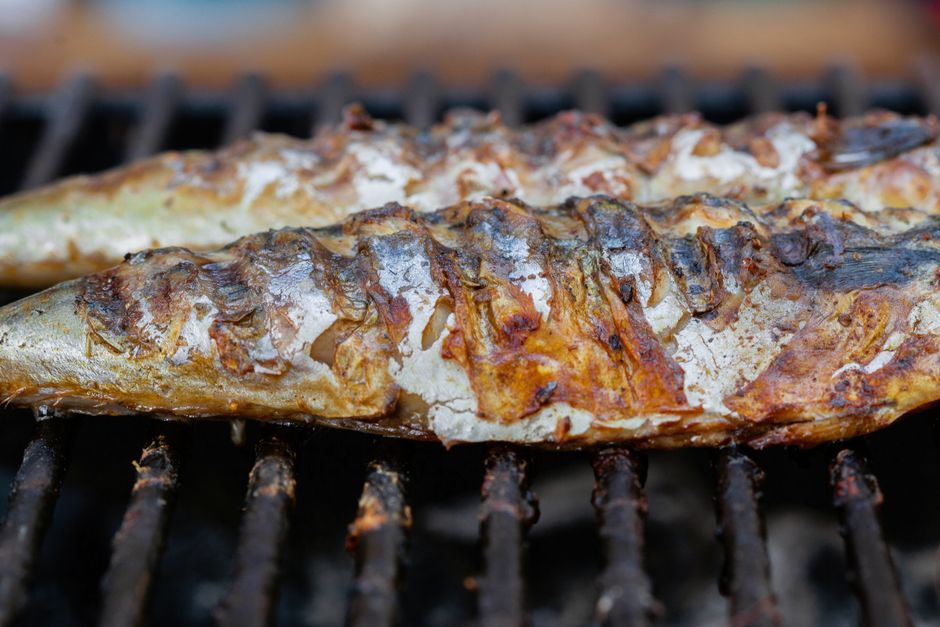
For whole bluefish, the grilling time will vary depending on its size, but a good rule of thumb is approximately 8-10 minutes per inch of thickness, measured at the thickest part of the fish. Start by grilling one side for roughly half the cooking time, then carefully flip and cook the other side until the fish is opaque and flakes easily with a fork. The skin should be nicely charred and crispy. If you are grilling bluefish fillets, the cooking time will be significantly shorter, typically 4-6 minutes per side, depending on the thickness of the fillet. Again, the key is to cook until opaque and flaky. Overcooking is the most common pitfall when grilling bluefish, so it is always better to err on the side of slightly undercooked than overcooked. The residual heat will continue to cook the fish after it is removed from the grill.
The char marks from the grill add a smoky depth of flavor that complements the richness of the bluefish beautifully. Achieving good grill marks involves ensuring the grill grates are clean and well-oiled, and that the fish has had sufficient time on each side to sear. Don’t be tempted to move the fish too soon after placing it on the grill; allow it to develop a nice crust before attempting to flip. For larger fish or fillets, a spatula or two, and perhaps a long pair of tongs, will be your best friends for a successful flip.
Serving grilled bluefish is where its versatility truly shines. Its robust flavor pairs well with a variety of accompaniments that can either complement or contrast with its richness. Simple sides are often best to let the flavor of the fish take center stage. Grilled vegetables are a natural fit. Asparagus, bell peppers, zucchini, and corn on the cob, all grilled alongside the fish, create a complete summer meal. A fresh salsa, such as a pico de gallo or a corn and black bean salsa, provides a bright, acidic counterpoint to the oily fish. Creamy accompaniments like a lemon-dill aioli or a horseradish cream sauce can also be delicious, though use them judiciously to avoid overwhelming the fish. For a heartier meal, consider serving grilled bluefish with roasted potatoes or a quinoa salad.
The strong flavor of bluefish also makes it an excellent candidate for being incorporated into heartier dishes, even after grilling. Flaked grilled bluefish can be used in tacos, added to pasta dishes, or even mixed with mayonnaise and other seasonings to create a flavorful fish salad. When serving grilled bluefish, consider its presentation. A whole grilled fish, garnished with fresh herbs and lemon wedges, is a visually impressive centerpiece. Fillets can be served simply with a squeeze of lemon and a drizzle of olive oil, or plated with a dollop of your chosen sauce.
For those who are new to grilling bluefish, starting with fillets can be a more approachable option. They are easier to handle and cook more quickly. However, once you gain confidence, grilling a whole bluefish offers a more traditional and deeply flavorful experience. The bones and skin contribute to the overall moisture and flavor of the flesh during cooking. If you choose to grill fillets, ensure they are of similar thickness to ensure even cooking.
When it comes to seasoning, beyond salt and pepper, consider incorporating spices that stand up to the strong flavor of bluefish. Paprika, cayenne pepper, garlic powder, and onion powder are good choices. A Cajun-inspired rub can also be very effective, bringing a complex blend of spices that enhances the fish without overpowering it. Remember that marinades and rubs with sugar will caramelize and can burn quickly on the grill, so keep a close eye on them and adjust the heat as needed.
Storage of cooked grilled bluefish is straightforward. Allow the fish to cool completely before refrigerating. It can be stored in an airtight container for up to 2-3 days. Reheating can be done gently in a low oven or microwave, or it can be enjoyed cold in salads or sandwiches. However, bluefish is best enjoyed fresh off the grill.
In summary, super summer grilled bluefish is an accessible and rewarding culinary pursuit. By prioritizing fresh ingredients, employing effective preparation techniques like marinating or brining, mastering grilling temperatures and timing, and pairing it with complementary accompaniments, you can unlock the exceptional flavor and texture of this underappreciated fish. Embrace the robustness, savor the char, and enjoy the taste of summer with perfectly grilled bluefish. Its oily nature makes it forgiving to a degree, but precise cooking is key to transforming its strong character into a truly delightful dining experience, making it a star attraction for any summer barbecue.


