
Tag Pasta Sauce Page 2

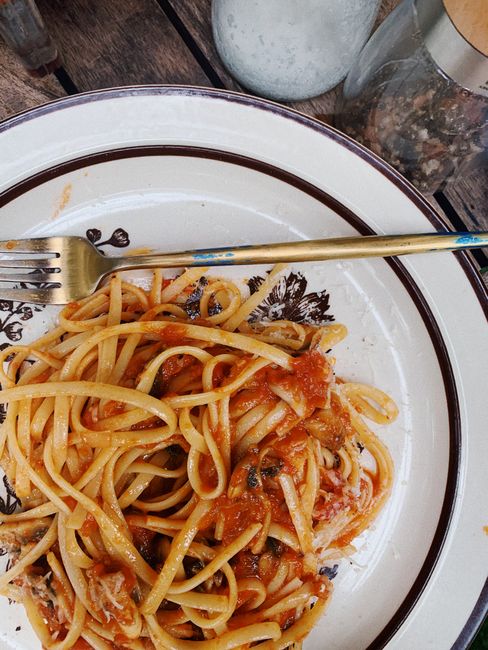
Tagliatelle Pasta Sauce: Elevating Your Everyday Meal – Page 2
Beyond the foundational elements of a robust tagliatelle sauce, the true artistry lies in its versatility and the subtle yet impactful additions that can transform a good dish into an exceptional one. For those seeking to delve deeper into the world of tagliatelle sauces, this section explores advanced techniques, flavor profiles, and complementary pairings that will satisfy discerning palates and elevate your culinary endeavors.
Embracing Umami: The Fifth Taste in Tagliatelle Sauces
Umami, often described as a savory or brothy taste, is crucial for creating depth and complexity in any sauce, and tagliatelle sauces are no exception. Achieving a powerful umami profile often involves incorporating ingredients rich in glutamates, the natural compounds responsible for this distinct flavor.
-
Mushroom Power: Dried mushrooms, such as porcini or shiitake, are umami powerhouses. Rehydrate them in warm water, then finely chop the mushrooms and add them directly to your sauce. Crucially, don’t discard the soaking liquid; strain it carefully to remove any grit and incorporate it into your sauce for an intensified mushroom flavor and a boost of umami. Fresh mushrooms like cremini and shiitake also contribute, but dried varieties offer a more concentrated punch. Sautéing mushrooms until deeply browned before adding them to the sauce caramelizes their natural sugars, further enhancing their savory notes.
-
Anchovies: A Savory Secret: The mere mention of anchovies can be polarizing, but when used judiciously in a sauce, they melt away, leaving behind a profound savory depth without a fishy aftertaste. Two or three finely minced anchovy fillets, sautéed with garlic and onions at the beginning of the sauce-making process, will integrate seamlessly. The saltiness of anchovies also contributes to the overall seasoning, potentially reducing the need for added salt.
-
Tomato Paste: Concentrated Flavor: While fresh tomatoes provide sweetness and acidity, tomato paste offers a concentrated burst of umami. Always cook tomato paste for a minute or two before adding liquids; this process, known as "caramelizing," reduces its raw, metallic taste and deepens its savory character. The longer you cook it, the richer the flavor will become.
-
Parmesan Rinds: A Treasure Trove: Don’t toss those hard, leftover Parmesan rinds. They are brimming with umami. Simmer them gently in your sauce for at least 30 minutes (or longer for a more pronounced flavor). The rinds will soften, releasing their savory essence into the sauce. Remember to remove them before serving.
-
Soy Sauce or Tamari (for non-traditional twists): While not a traditional Italian ingredient, a splash of soy sauce or tamari can introduce a significant umami boost to certain tagliatelle sauce variations, especially those leaning towards fusion cuisine. Use it sparingly to avoid overpowering other flavors.
Herbal Harmony: Beyond the Basics
While basil and oregano are classic partners for tomato-based tagliatelle sauces, exploring other herbs can unlock new dimensions of flavor.
-
Thyme and Rosemary: These robust, woody herbs pair exceptionally well with meat sauces, particularly those featuring beef, lamb, or pork. Add fresh sprigs during simmering for a subtle, aromatic infusion. Remove the sprigs before serving. Dried thyme and rosemary can also be used, but exercise caution as their flavor is more potent and can become overwhelming if too much is used.
-
Parsley (Flat-Leaf): Flat-leaf parsley offers a bright, clean, herbaceous flavor that acts as a palate cleanser and a refreshing counterpoint to richer sauces. It’s best added towards the end of cooking or as a fresh garnish to preserve its vibrant flavor and color. Finely chopped parsley stirred in just before serving adds a final flourish of freshness.
-
Sage: Sage has a distinctive earthy and slightly peppery flavor that is particularly well-suited for sauces featuring butter, cream, or pork. Pan-frying sage leaves in butter until crisp creates an incredibly aromatic and flavorful addition, often used as a garnish for butternut squash or cream-based tagliatelle sauces.
-
Dill: While less common, dill can be surprisingly effective in creamy or seafood-based tagliatelle sauces. Its fresh, slightly anise-like flavor complements fish and shellfish beautifully.
Spices: Igniting the Palate
Beyond salt and pepper, a judicious use of spices can add intrigue and character to your tagliatelle sauces.
-
Red Pepper Flakes (Crushed Red Pepper): For a touch of heat, red pepper flakes are indispensable. They can be added at the beginning of cooking to infuse the oil with their spicy essence or stirred in towards the end for a more immediate kick. Adjust the quantity to your preferred level of heat.
-
Smoked Paprika: This spice adds a delightful smoky undertone without the need for actual smoking. It’s particularly effective in tomato-based sauces and complements slow-cooked meats beautifully.
-
Nutmeg: A pinch of freshly grated nutmeg can add warmth and a subtle sweetness to creamy sauces and sauces featuring ingredients like spinach or ricotta. Be sparing; too much nutmeg can be overpowering.
-
Cumin: In fusion dishes or sauces inspired by Middle Eastern or North African flavors, cumin can provide a warm, earthy depth.
Acidity: Balancing the Richness
A touch of acidity is crucial for cutting through the richness of many tagliatelle sauces and brightening their overall flavor profile.
-
Wine: Deglazing and Flavor Building: White wine (for lighter sauces, seafood, or cream-based dishes) or red wine (for richer meat sauces) is often used to deglaze the pan after sautéing aromatics. This process lifts browned bits from the bottom of the pan, incorporating them into the sauce and adding significant depth of flavor. The alcohol also evaporates during cooking, leaving behind the nuanced flavors of the wine.
-
Lemon Zest and Juice: Lemon adds a vibrant, fresh acidity that is perfect for seafood tagliatelle, creamy sauces, or to brighten up a rich tomato sauce. Use both the zest (for aromatic oils) and the juice (for tartness), but add the juice towards the end of cooking to prevent its flavor from becoming too sharp.
-
Vinegar: Balsamic vinegar, with its sweet and tangy profile, can add a sophisticated layer of flavor to tomato sauces and reductions. Red wine vinegar or sherry vinegar can offer a sharper, more assertive acidity.
Fat is Flavor: The Importance of Quality
The type and quality of fat used in your tagliatelle sauce significantly impacts its texture and flavor.
-
Extra Virgin Olive Oil: The cornerstone of many Italian sauces, high-quality extra virgin olive oil imparts its own distinct fruity or peppery notes. Use it for sautéing aromatics and as a finishing drizzle for fresh flavor.
-
Butter: Butter adds richness, creaminess, and a smooth mouthfeel to sauces. Brown butter, in particular, develops a nutty aroma and a deeper, more complex flavor.
-
Pancetta or Guanciale: These cured pork products are essential for authentic carbonara and contribute incredible flavor and texture to many other tagliatelle sauces. Render them slowly to release their fat, which then becomes the base for sautéing other ingredients.
Sweetness: A Subtle Enhancement
While not always the primary focus, a touch of sweetness can round out and balance the flavors in a tagliatelle sauce.
-
Caramelized Onions: Slow-cooked onions transform from sharp to sweet and deeply flavorful. This process can take up to an hour but is well worth the effort for the rich, sweet base it provides.
-
Carrots: Finely grated or diced carrots, sautéed with onions and garlic, add a natural sweetness and a subtle earthy note to tomato-based sauces.
-
A Touch of Sugar (if needed): If your tomatoes are particularly acidic, a small pinch of sugar can help to balance the flavor without making the sauce overtly sweet. Add it incrementally and taste as you go.
Texture and Mouthfeel: The Tactile Experience
Beyond taste, the texture of your tagliatelle sauce is paramount to its success.
-
Simmering Time: Patience is key. Allowing a sauce to simmer gently for an extended period allows flavors to meld, liquids to reduce and thicken, and ingredients to become tender. For tomato sauces, this can mean hours. For creamier sauces, a shorter simmer is often sufficient.
-
Thickening Agents: While reduction is the preferred method for thickening, sometimes a little extra help is needed. A roux (flour cooked with butter or fat) can be used for cream sauces. A slurry of cornstarch or arrowroot (mixed with cold water) is a quick alternative, but use sparingly to avoid a gummy texture.
-
Pureeing: For ultra-smooth sauces, consider pureeing a portion or all of your sauce with an immersion blender or in a high-powered blender. This creates a luxurious, velvety texture.
-
Adding Cream or Cheese: For a richer, more decadent mouthfeel, incorporating heavy cream, mascarpone cheese, or a generous amount of grated Parmesan cheese at the end of cooking can transform the sauce’s texture.
Tagliatelle Sauce Pairings: The Perfect Marriage
The choice of tagliatelle sauce can dramatically influence the overall dining experience. Consider these pairings:
-
Hearty Meat Sauces (Bolognese, Ragu): Perfectly complemented by the wide, flat surface of tagliatelle, which holds substantial sauces beautifully. Think slow-cooked beef, pork, or lamb.
-
Creamy Sauces (Alfredo, Carbonara – with pancetta/guanciale): The richness of these sauces clings to tagliatelle, providing a satisfying and decadent experience.
-
Vegetable-Forward Sauces (Mushroom, Primavera, Pesto): The texture of tagliatelle stands up well to the distinct components of these sauces, allowing each ingredient to shine.
-
Seafood Sauces (Shrimp Scampi, Clam Sauce): The delicate strands of tagliatelle are ideal for lighter, more nuanced seafood flavors, ensuring they aren’t overwhelmed.
By mastering these advanced techniques and understanding the interplay of flavors, spices, and textures, you can elevate your tagliatelle pasta sauce from a simple meal to a culinary masterpiece. Experimentation is encouraged; the most rewarding dishes often arise from venturing beyond the traditional and discovering your own signature creations.


