The reputation of the classic baked cheesecake as a temperamental, high-maintenance dessert is largely a misconception perpetuated by common kitchen errors rather than inherent complexity. While home bakers often fear the sight of a cracked surface, lumpy batter, or a soggy crust, professional pastry chefs view the cheesecake as a highly structured, forgiving, and predictable custard. By understanding the chemistry behind the ingredients and the physics of the baking process, one can elevate this dessert from a source of anxiety to a consistent, professional-grade staple.
The Science of the Custard
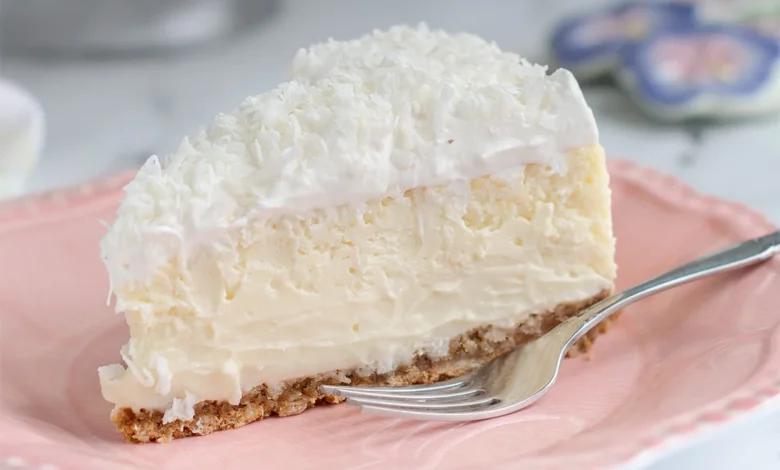
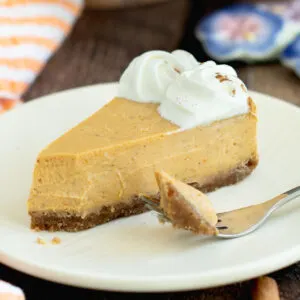
To understand the baked cheesecake, one must first classify it correctly. Unlike a standard sponge cake, which relies on leavening agents like baking powder or whipped egg whites for structure and lift, a baked cheesecake is fundamentally a dense, rich custard. Its primary structure is provided by the coagulation of egg proteins, which set the emulsion of cream cheese, sugar, and fat into a stable, creamy matrix.
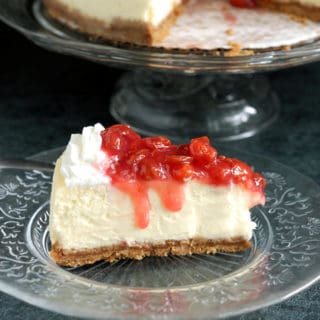
Because it is a custard, the cheesecake demands a departure from standard cake-baking techniques. Whereas high heat is necessary to activate chemical leaveners in traditional cakes, cheesecakes require low, gentle, and consistent heat. This prevents the proteins from tightening too quickly—a reaction that causes the dreaded surface cracks and leads to a grainy, rather than velvety, mouthfeel.
Reevaluating the Equipment: Why Professional Chefs Skip the Springform
The culinary industry has long touted the springform pan as the definitive tool for cheesecake production. The logic is sound: a removable ring allows the delicate, chilled cake to be released without the risk of breaking. However, many professional bakers have moved away from this traditional vessel.
The primary issue with springform pans is their lack of structural integrity when exposed to the high-moisture environment of a water bath. Over time, the metal clips and seams often warp, creating a breach in the seal. This leads to water infiltration, resulting in a soggy, ruined crust. Furthermore, the practice of wrapping the pan in multiple layers of heavy-duty aluminum foil is often unreliable and labor-intensive.
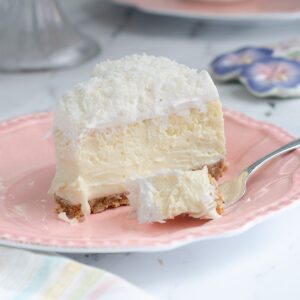
Instead, many pastry professionals utilize a standard, solid-bottom cake pan lined with high-quality parchment paper. Once the cheesecake is fully set and chilled—a process that is non-negotiable for structural stability—the bottom of the pan is briefly exposed to gentle heat. By dipping the base in hot water or using a controlled culinary blowtorch, the fats in the crust soften just enough to allow the entire cake to slide out seamlessly. This method eliminates the need for foil, prevents water seepage, and provides a more reliable release for a pristine presentation.
The Anatomy of a Smooth Batter
A common failure in home baking is the presence of lumps in the finished cheesecake. These pockets of unmixed cream cheese occur when the temperature differential between ingredients is too vast or when the mixing process is rushed.
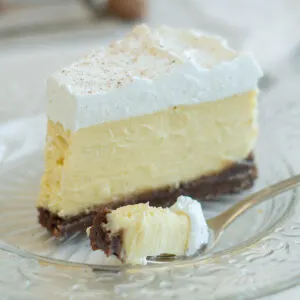
The secret to a mirror-smooth batter lies in temperature regulation. Ingredients, particularly the cream cheese and eggs, should be brought to room temperature before mixing. This ensures that the proteins emulsify smoothly. To achieve a professional consistency, bakers should adopt a gradual incorporation technique, slowly tempering the thinner liquid ingredients into the thick, aerated cream cheese. Over-mixing, however, is a secondary danger; excessive aeration creates air bubbles that expand during the bake and collapse during cooling, causing structural failure.
Preventing Surface Fractures: A Chronological Guide
Cracking is the most common grievance in cheesecake preparation, typically occurring due to the tension created as the cake rises and subsequently shrinks. To mitigate this, bakers must manage the temperature curve of the oven and the cooling process.
- Low-Temperature Baking: A slow, steady bake at 300°F (150°C) or lower is essential. High temperatures cause the edges to set too quickly, forcing the center to rise and then crater.
- The Water Bath (Bain-Marie): This remains the gold standard for temperature regulation. The water provides a thermal buffer, ensuring that the ambient temperature around the pan never exceeds the boiling point of water, keeping the custard temperature uniform.
- Avoid Over-Baking: The center of the cheesecake should remain slightly wobbly—the "jiggle" test—when removed from the oven. The carry-over heat will complete the setting process as it cools.
- Controlled Cooling: A sudden temperature shock, such as moving a hot cheesecake into a cold kitchen, will inevitably cause contraction and cracking. The cake should cool in the oven with the door ajar for at least an hour.
- The Perimeter Release: To further mitigate cracking, a thin, sharp paring knife should be run around the inner edge of the pan while the cake is still warm. This detaches the cake from the sides of the pan, allowing it to contract inward as it cools without being anchored to the metal.
Market Context and Cultural Evolution
The American-style baked cheesecake, defined by its high density and cream-cheese-heavy base, has evolved significantly over the last two decades. While the traditional New York style—often enriched with sour cream for a distinct tang—remains the industry benchmark, market trends have shifted toward creative fusion.
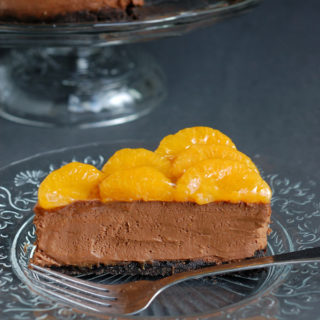
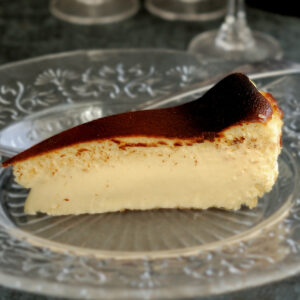
Data from the specialty baking sector indicates a rising interest in regional variations, such as the Basque Burnt Cheesecake. Unlike the American iteration, which prizes a uniform, pale top and a smooth edge, the Basque variety is baked at higher temperatures to achieve a caramelized, dark brown exterior and a molten, custard-like center. This "unstructured" style has gained immense popularity in urban markets, as it inherently bypasses the common pitfalls of cracking and lumpy textures, offering a more rustic, forgiving alternative for home bakers.
Strategic Implications for Commercial Bakeries
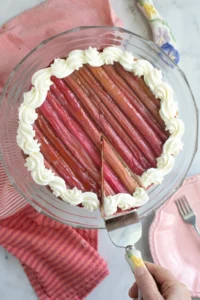
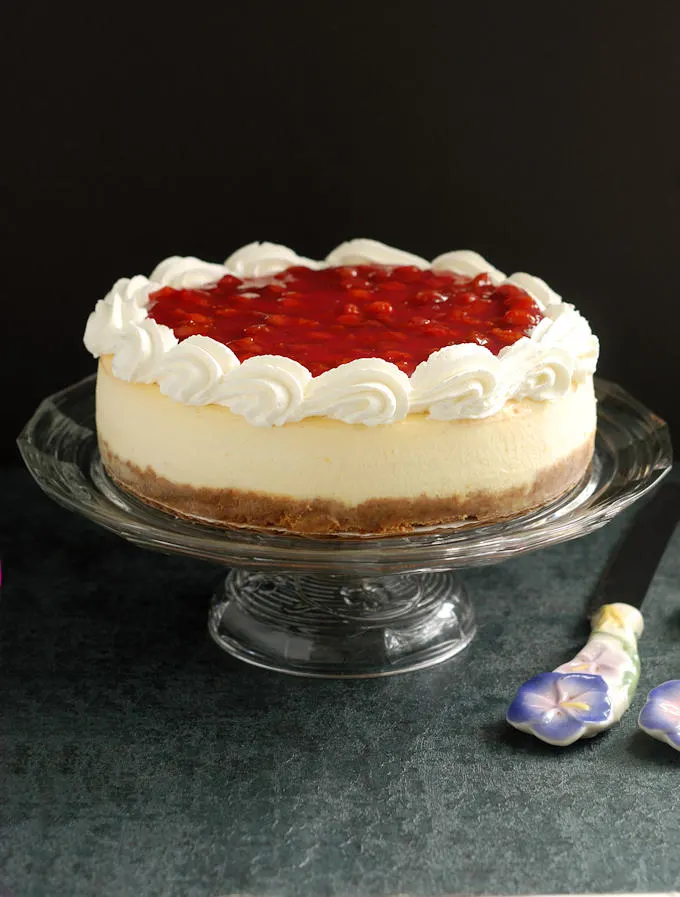
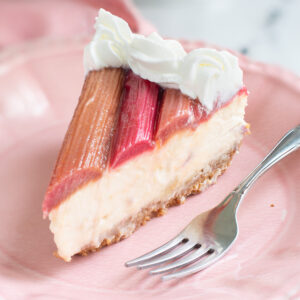
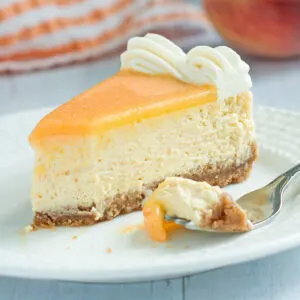
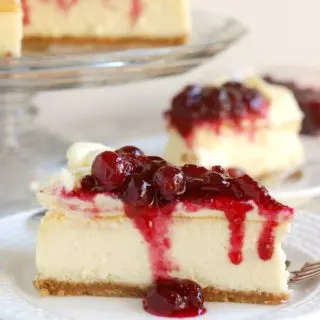
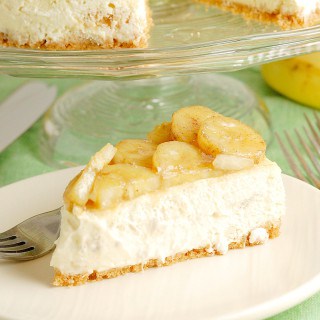
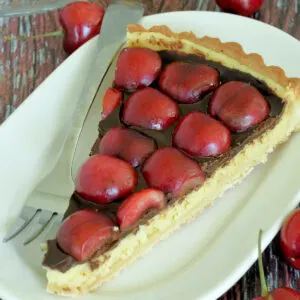
For commercial operations, the choice of recipe and methodology has direct implications for food waste and labor costs. The move toward specialized fillings—such as fruit-based compotes (rhubarb, peach, cherry) or infusions (Bourbon, Baileys, white chocolate)—serves both as a flavor enhancement and a tactical way to hide minor cosmetic imperfections.
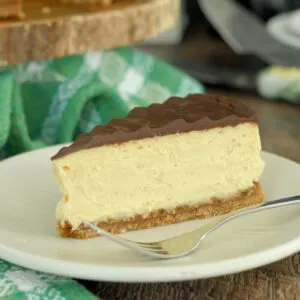
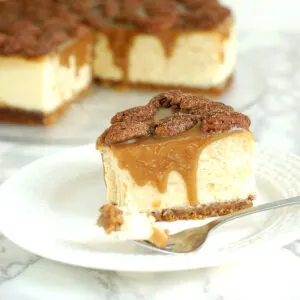
Furthermore, the integration of distinct crusts—using gingersnaps for spice-forward cakes or cornmeal for a textural contrast in tarts—reflects a broader trend in artisanal baking: the pursuit of structural complexity. By manipulating the crust-to-filling ratio, bakers can ensure that even if the custard portion is exceptionally rich, the structural base provides the necessary support for high-volume retail display.
Storage and Shelf Life Optimization
Once the baking process is complete, the shelf life of a cheesecake is governed by its high fat and moisture content. Professional standards dictate that a finished cheesecake must be fully chilled for at least 12 to 24 hours before serving. This allows the starches and proteins to fully hydrate and set, ensuring a clean slice.
Storing the product in an airtight environment at 34°F to 38°F (1°C to 3°C) is critical to preventing the absorption of odors from other refrigerated items. For long-term storage, the cheesecake can be frozen; however, it must be wrapped in multiple layers of plastic film to prevent freezer burn. When thawing, it should be transitioned to the refrigerator slowly to maintain the integrity of the emulsion.
Final Assessment
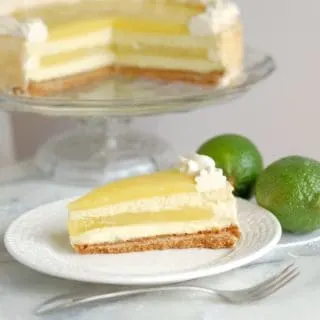
The pursuit of the perfect baked cheesecake is an exercise in restraint. Whether one is preparing a complex layered key lime cake or a minimalist, high-heat Basque burnt version, the success of the endeavor depends on patience. By ignoring the traditional reliance on springform pans, embracing the physics of gentle heat, and adhering to strict cooling protocols, the amateur baker can achieve results that mirror those found in professional pâtisseries. As the culinary landscape continues to favor sophisticated, ingredient-driven desserts, the mastery of the cheesecake remains a hallmark of technical competence in the kitchen.