
Tender Pork Spare Ribs

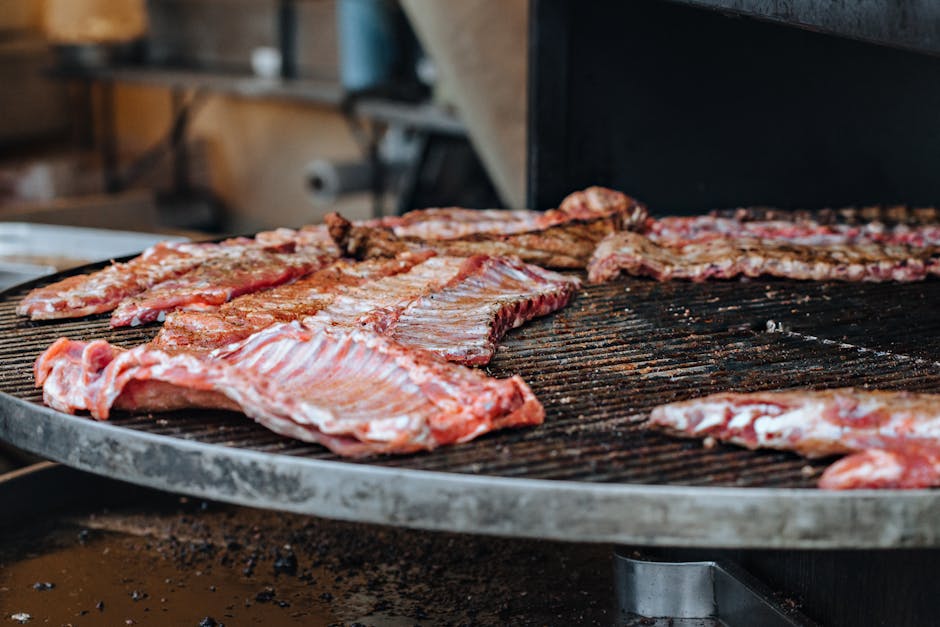
Unlocking Unparalleled Tenderness: A Deep Dive into Perfect Pork Spare Ribs
Achieving exceptionally tender pork spare ribs is a culinary pursuit that rewards patience and precision. The inherent connective tissue within spare ribs, particularly the membrane and the layers of collagen, requires specific cooking methodologies to break down into gelatin, rendering the meat impossibly succulent and melt-in-your-mouth. This article explores the essential techniques, science, and considerations for creating truly tender pork spare ribs, moving beyond simple grilling to embrace methods that guarantee a superior texture. Understanding the composition of spare ribs is the first step. They are cut from the belly and breastbone of the pig, offering a richer, fattier profile than baby back ribs. This fat content is a crucial ally in achieving tenderness, acting as a basting agent during the low-and-slow cooking process. The key lies in rendering this fat and breaking down the collagen without drying out the precious meat.
The foundation of tender spare ribs rests on proper preparation. Before any heat is applied, the removal of the membrane is paramount. This thin, papery layer, located on the bone side of the ribs, is tough and chewy. To remove it, slide a thin, blunt knife or a butter knife under the membrane at one end. Once a section is lifted, grip it firmly with a paper towel (to prevent slippage) and pull it away from the bone. This step, though seemingly minor, has a profound impact on the final texture, allowing marinades and rubs to penetrate more effectively and ensuring a more enjoyable eating experience. Following membrane removal, a well-formulated dry rub is crucial. A balanced rub, typically including salt, pepper, paprika, brown sugar, garlic powder, and onion powder, not only imparts flavor but also aids in the tenderization process. The salt helps to draw out moisture initially, then reabsorbs it along with the rub’s flavors, contributing to a more tender and juicy final product. Brown sugar, when exposed to heat, caramelizes, adding a sticky, flavorful crust. The spices provide a complex flavor profile that complements the rich pork.
Low-and-slow cooking is the undisputed king when it comes to tender pork spare ribs. This approach, often utilizing methods like smoking, baking, or braising, allows ample time for the connective tissues to break down gradually. The critical temperature window for this transformation is generally between 165°F and 195°F (74°C to 90°C) internal meat temperature. At these temperatures, collagen begins to denature and liquefy, coating the muscle fibers and creating that signature fall-off-the-bone tenderness. Conversely, cooking at higher temperatures too quickly will cause the muscle proteins to seize and contract, squeezing out moisture and resulting in dry, tough ribs. Therefore, patience is not just a virtue; it’s a fundamental requirement. The smoking method, a classic for spare ribs, offers a dual benefit of low temperature and the infusion of smoky flavors. Using hardwoods like hickory, mesquite, or applewood imparts a complex aroma that enhances the pork’s natural richness. Maintaining a consistent smoker temperature, ideally between 225°F and 275°F (107°C to 135°C), is crucial. The ribs are typically cooked for several hours, undergoing a process of moisture loss followed by reabsorption as the collagen breaks down.
The 3-2-1 method is a widely adopted strategy for achieving remarkably tender smoked spare ribs, and it’s worth dissecting its components. The first "3" represents three hours of smoking unwrapped. During this initial phase, the ribs are exposed to the smoke, allowing the bark to develop and the surface to begin tenderizing. The second "2" signifies two hours of wrapping the ribs tightly in aluminum foil or butcher paper, often with a splash of liquid like apple cider vinegar, apple juice, or broth. This wrapping stage creates a steamy environment that accelerates the breakdown of collagen and traps moisture, preventing further drying. The foil acts as a barrier, preventing the ribs from over-browning and ensuring that the internal temperature continues to rise efficiently, pushing the collagen conversion. Finally, the last "1" indicates one hour of unwrapping and applying barbecue sauce, if desired. This final hour allows the sauce to caramelize and create a sticky, flavorful glaze, while also giving the bark a chance to re-crisp slightly. While the 3-2-1 method is a popular guideline, adjustments may be necessary based on the thickness of the ribs, the specific temperature of the smoker, and individual preferences for bark texture. Some pitmasters might opt for a 4-1-1 or even a 2-2-1 approach. The core principle remains: low and slow heat, followed by a period of moist, contained cooking.
Beyond smoking, oven-baking offers a more accessible yet equally effective path to tender spare ribs. The principles of low-and-slow apply here as well. Roasting the ribs in a preheated oven at a moderate temperature, around 275°F to 325°F (135°C to 160°C), for an extended period is key. Similar to smoking, wrapping the ribs during a portion of the baking process is highly recommended for maximizing tenderness. You can achieve this by placing the seasoned ribs on a baking sheet, covering them tightly with foil, and adding a small amount of liquid to the bottom of the pan, such as water, broth, or apple juice. This creates a moist environment within the foil tent, mimicking the effect of steaming and encouraging collagen breakdown. Baking time will vary, but expect it to be in the range of 2.5 to 4 hours, depending on the size and thickness of the ribs. To finish, you can remove the foil for the last 30 minutes to an hour of baking to allow for some browning and crisping of the edges, especially if you plan to add barbecue sauce. Another oven technique involves a two-stage approach: initially braising the ribs in a covered dish with liquid (water, broth, wine, or even cola) for several hours at a low temperature (around 300°F/150°C), then draining off the braising liquid, applying a rub or sauce, and finishing them under the broiler or at a higher oven temperature to develop a glaze.
Braising is an exceptional method for achieving unparalleled tenderness in pork spare ribs, particularly for those who may not have access to a smoker or prefer a less hands-on approach. This wet-heat cooking method submerges the ribs in liquid, allowing for extremely gentle and consistent heat transfer, which is ideal for breaking down tough connective tissues. The process typically begins with searing the ribs to develop a flavorful crust, although this step is optional for pure tenderness. The real magic happens when the ribs are transferred to a heavy-bottomed pot or Dutch oven, along with aromatics like onions, garlic, herbs, and a flavorful braising liquid. The liquid can range from water, broth, or wine to more complex options like cola, beer, or even a tomato-based sauce. The key is to ensure the liquid comes at least halfway up the sides of the ribs, or even fully submerges them for ultimate tenderness. The pot is then covered tightly, and the ribs are simmered gently in a low oven, typically between 300°F and 325°F (150°C to 160°C), for 2 to 4 hours, or until the meat is exceptionally tender and easily pulls away from the bone. The braising liquid, rich with dissolved collagen and rendered fat, can then be reduced to create a luscious sauce that can be brushed back onto the ribs. This method guarantees moist, fall-off-the-bone results every time, making it a foolproof option for tender spare ribs.
Regardless of the cooking method employed, certain universal principles contribute to tender spare ribs. Utilizing quality ingredients is foundational. Opt for fresh, well-marbled spare ribs from a reputable butcher. The marbling, those thin streaks of fat within the muscle, is essential for moisture retention and flavor during the long cooking process. Overcooking is the enemy of tenderness. Even with low-and-slow methods, it’s possible to push the ribs too far, resulting in dry, shredded meat. Understanding the signs of doneness is crucial. While internal temperature is a guide, visually inspecting the ribs is equally important. They should have a slight bend when lifted from one end, and the meat should pull back from the bone, exposing about a quarter inch of the bone. The "jiggle test," where the rack of ribs should have a noticeable wobble, is another indicator of rendered collagen and tender meat. Resting the ribs after cooking is a non-negotiable step. Allowing the ribs to rest for at least 15-30 minutes, tented loosely with foil, permits the juices to redistribute throughout the meat. Skipping this step can lead to moisture loss when cutting, diminishing the final succulence.
The role of moisture in tenderizing pork spare ribs cannot be overstated. Connective tissues, particularly collagen, require a moist environment to break down efficiently. This is why methods involving wrapping, braising, or even spritzing during smoking are so effective. Spritzing, for instance, involves periodically spraying the ribs with a liquid (water, apple cider vinegar, apple juice, or a mixture) during the smoking process. This helps to keep the surface of the ribs moist, preventing the bark from drying out and cracking too early, and contributing to the overall tenderization. The acidity in some spritz liquids, like apple cider vinegar, can also help to slightly break down muscle fibers, further enhancing tenderness. The fat content of spare ribs plays a vital role in this moisture retention. As the ribs cook, the fat renders, basting the meat from within and preventing it from becoming dry. This is why choosing ribs with good marbling is so important. The rendered fat, combined with the gelatin from the broken-down collagen, creates a rich, unctuous mouthfeel that is the hallmark of perfectly tender spare ribs.
Understanding the Maillard reaction and its impact on texture is also relevant, though often considered in parallel with tenderness. While the Maillard reaction is responsible for the desirable browning and flavor development on the exterior of the ribs, achieving optimal tenderness requires a balance. Overly aggressive Maillard reactions, achieved through high heat and short cooking times, will lead to tough, dry meat. The goal is to allow the Maillard reaction to occur gently during the low-and-slow cooking process, forming a flavorful bark that complements the tender interior, rather than dominating it. This is why techniques that involve wrapping the ribs after initial bark formation are so effective; they protect the developing bark from drying out while allowing the interior to continue tenderizing. The interplay between the moist interior and the flavorful exterior is what elevates good ribs to exceptional ones.
Finally, when it comes to serving, cutting the ribs properly is the last step in presenting tender perfection. Use a sharp knife and cut between the bones. The meat should slice cleanly, revealing the juicy interior. If the meat is tearing or shredding excessively, it may indicate that they are overcooked, or that the resting period was insufficient. Serving immediately after resting, while still warm, is ideal to maximize the sensory experience of tenderness and flavor. The pursuit of tender pork spare ribs is a journey of understanding heat, time, moisture, and the intrinsic qualities of the meat itself. By mastering these elements, any home cook can consistently produce ribs that are remarkably tender and deeply satisfying.


