The arrival of the summer season brings a distinct shift in culinary preferences, characterized by a transition from heavy, labor-intensive baked goods to lighter, temperature-conscious preparations that prioritize seasonal produce. As temperatures rise between June and September, both professional pastry chefs and home cooks pivot toward strategies that minimize oven usage, focusing instead on the integration of market-fresh stone fruits, berries, and citrus. This seasonal shift is not merely a matter of convenience; it represents a strategic alignment with agricultural cycles, where the peak availability of produce dictates the structure of the dessert menu.
Seasonal Agricultural Trends and Culinary Adaptation
Data from the U.S. Department of Agriculture (USDA) indicates that the peak harvest window for high-demand summer fruits—specifically strawberries, blueberries, peaches, and raspberries—typically occurs between late spring and early autumn. This alignment is the primary driver for the current trend in "low-heat" dessert preparation. When ambient temperatures reach their annual peak, the utility of a conventional oven decreases, prompting a rise in the popularity of no-bake, frozen, and chilled dessert formats.
From a culinary standpoint, the objective during these months is to allow the intrinsic sugar content and acidity of seasonal fruit to serve as the primary flavor profile. This approach reduces the need for excessive artificial sweeteners and complex chemical leavening agents, which are often required in more traditional, winter-oriented baking.

Categorization of Summer Dessert Methodologies
The preparation of summer desserts is currently categorized into four distinct technical approaches, each designed to manage the challenges of the season:
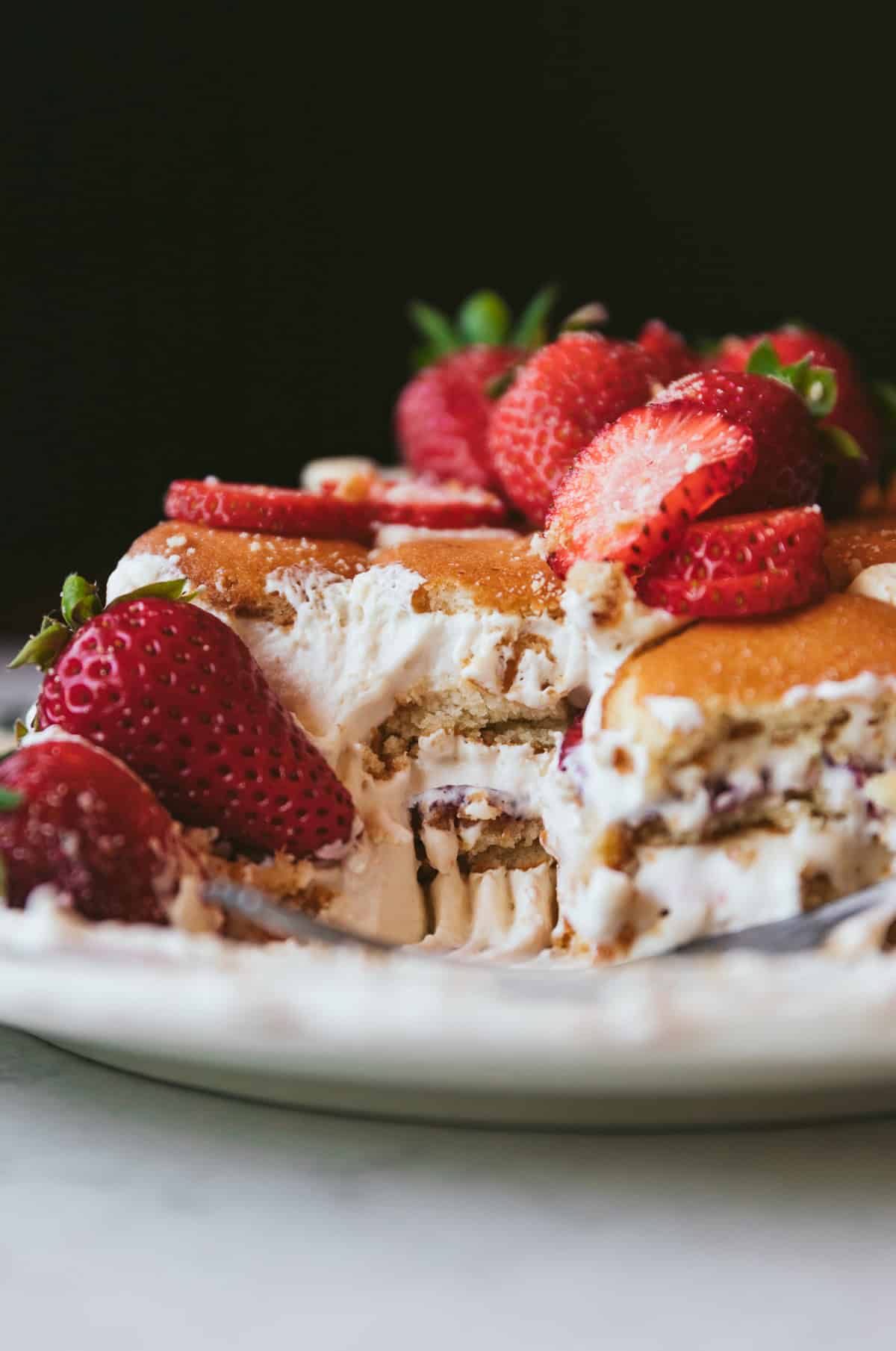
- No-Bake and Frozen Assemblies: These preparations, including icebox cakes, popsicles, and churned ice creams, utilize thermodynamics to solidify ingredients. By relying on refrigeration or freezing rather than thermal denaturation through an oven, these methods maintain the integrity of delicate fruit textures.
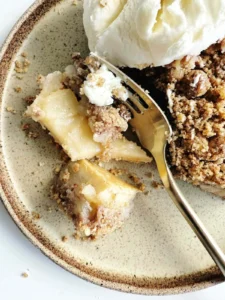
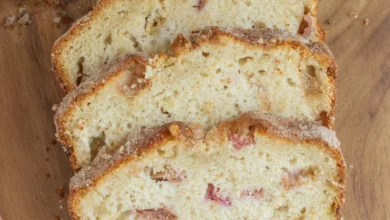
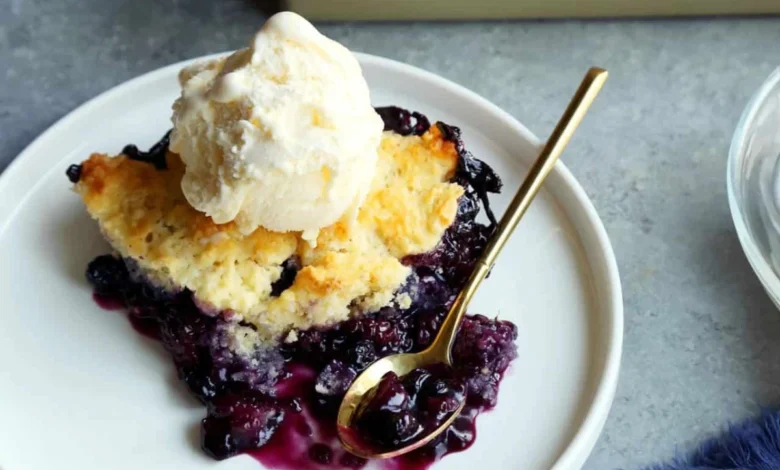
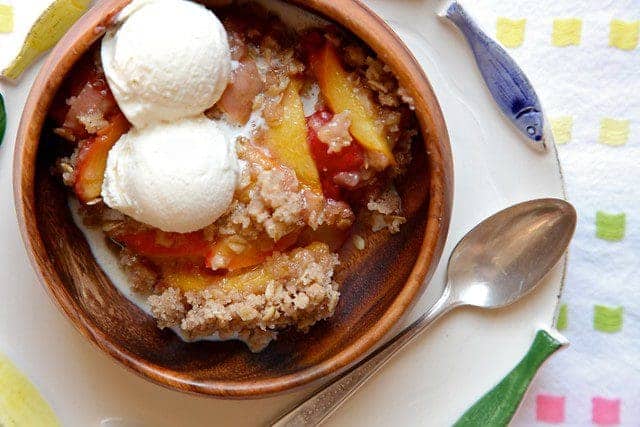
- Fruit-Forward Baking: This category utilizes seasonal harvests in cobblers, crumbles, and pies. The goal is a high fruit-to-dough ratio, where the fruit provides the moisture and structure for the dish.
- Citrus-Infused Pastries: Citrus acts as a balancing agent. High-acid fruits like lemons and limes provide a sensory perception of cooling, which is highly sought after in warmer climates.
- Bulk-Production Sheet Desserts: Designed for social gatherings, these are engineered for efficiency, allowing for large-scale service with minimal preparation time.
Chronological Planning for Summer Baking
Culinary experts suggest that a well-planned summer baking schedule follows the natural harvest timeline. In early June, the focus is traditionally on early-season berries. As the season progresses into July and August, the focus shifts to stone fruits such as peaches and nectarines, which thrive in the sustained heat of mid-summer. By late August, the transition begins toward more stable, pantry-friendly citrus ingredients that can bridge the gap as the berry season wanes.

Supporting Data: The Impact of No-Bake Trends
Industry reports from food service analysts suggest that consumer demand for "no-bake" recipes has seen a significant increase over the last five years. This trend is partially attributed to the rising costs of energy, as households look for ways to mitigate the high electricity usage associated with running ovens during summer months. Additionally, the increasing frequency of heatwaves across the Northern Hemisphere has turned the "no-oven" kitchen strategy from a lifestyle preference into a practical necessity for maintaining interior climate control.
Comparative Analysis of Preparation Methods
| Technique | Primary Benefit | Best Use Case |
|---|---|---|
| Icebox Cakes | Heat mitigation | Extreme temperature days |
| Frozen Pops/Cream | Temperature regulation | Outdoor social events |
| Cobblers/Crumbles | Volume and efficiency | Large-scale gatherings |
| Citrus Bars/Cakes | Shelf-life stability | Make-ahead requirements |
Managing Freshness and Quality Control
A critical aspect of summer dessert preparation involves the preservation of ingredients in a high-temperature environment. Food safety protocols dictate that desserts containing dairy, custard, or fresh fruit must be maintained at temperatures below 40°F (4°C) to prevent the rapid proliferation of bacteria.

Professional pastry chefs emphasize that the "best" summer desserts are those that can be prepared in advance. By preparing components like lemon bars or strawberry sheet cakes 24 hours prior to service, the structural integrity of the dessert is improved. Chilling allows for cleaner cuts, better flavor development, and a more professional presentation, which is often difficult to achieve when working with warm ingredients.
Strategic Implications for Home Hosts
For those planning to host gatherings, the focus on "one-pan" or "sheet-pan" desserts is a matter of logistical efficiency. The ability to prepare a dessert in a single vessel reduces cleanup time and allows the host to focus on guest management. Furthermore, the use of fruits that are in their peak harvest ensures that the dessert requires less added sugar, aligning with broader consumer trends toward healthier, more natural ingredient profiles.

Analysis of Expert Recommendations
The industry consensus is clear: the success of a summer dessert is inversely proportional to the complexity of the heat application. When analyzing the recipes frequently cited by culinary influencers and chefs, a recurring theme emerges: simplicity is the highest form of sophistication during the summer months.
For instance, the use of roasted strawberries in popsicles is not just a flavor preference; it is a chemical process that concentrates the fruit’s natural sugars and reduces its water content, resulting in a superior texture when frozen. Similarly, the use of a cheesecake base in ice cream—rather than a traditional egg-custard base—is a technical adaptation that provides a tangy, refreshing profile while bypassing the need for a stovetop temper-and-cook process.

The Role of Market-Seasonality in Menu Planning
Market-driven baking encourages consumers to engage with their local food systems. By purchasing produce at the height of its season, home cooks ensure they are receiving the highest quality raw materials. This practice reduces the "food miles" associated with produce and supports local agricultural economies.
The integration of these seasonal ingredients into desserts such as blueberry cobblers or peach-raspberry crumbles is a testament to the versatility of summer produce. These dishes are inherently forgiving; they do not require the precise, scientific measurements of high-end French pastry, making them accessible to a wider demographic of home cooks.
Conclusion: Sustaining the Summer Culinary Tradition
As the summer season concludes, the recipes utilized during these months often serve as a nostalgic anchor for the year. The transition from the "no-bake" methods of June to the more substantial, fruit-rich crumbles of late summer reflects a broader human desire to harmonize domestic habits with the natural environment. By prioritizing methods that minimize oven reliance and maximize the use of local, seasonal produce, individuals can maintain a high standard of culinary output while adapting to the physical demands of the summer climate.
Whether the objective is to host a large outdoor gathering or to provide a simple, cooling treat for the household, the principles remain the same: source the best ingredients, respect the limitations of the season, and keep the kitchen temperature as cool as possible. As the data suggests, the most successful summer desserts are those that lean into the season’s inherent characteristics rather than working against them. Through thoughtful planning and an adherence to these established culinary techniques, the summer dessert remains a staple of the seasonal experience, offering a blend of refreshment, flavor, and convenience.