The definitive guide to effortless summer baking and seasonal dessert preparation

When temperatures rise, the culinary requirements for social gatherings shift from complex, multi-layered confections to streamlined, heat-conscious recipes that emphasize efficiency and seasonal produce. As backyard barbecues and outdoor social events become the focal point of the summer calendar, the demand for desserts that minimize oven reliance while maximizing flavor has reached an annual peak. This shift toward "low-effort, high-impact" baking is not merely a matter of convenience; it is a strategic response to the physical challenges of maintaining kitchen temperatures during heatwaves.
The Evolution of Summer Dessert Logistics
The logistics of summer entertaining require a departure from traditional pâtisserie techniques. According to industry analysis from the culinary sector, consumer interest in "no-bake" and "sheet-pan" dessert categories increases by approximately 40% between June and August. This trend is driven by two primary factors: the necessity to reduce ambient kitchen heat and the desire to allocate more time to outdoor hosting rather than meticulous cake assembly.
Historically, the American summer dessert table was dominated by labor-intensive pies requiring hours of pastry chilling and rolling. However, recent shifts in domestic culinary trends indicate a move toward accessibility. The adoption of one-bowl sheet cakes and icebox cakes—which rely on the refrigerator to set rather than the oven to bake—represents a maturation in home baking, where the focus has moved from technical display to logistical ease.

Categorizing the Summer Dessert Portfolio
To understand the breadth of current summer baking, it is useful to categorize recipes based on their thermal footprint and structural assembly.
One-Bowl and Sheet Cake Applications
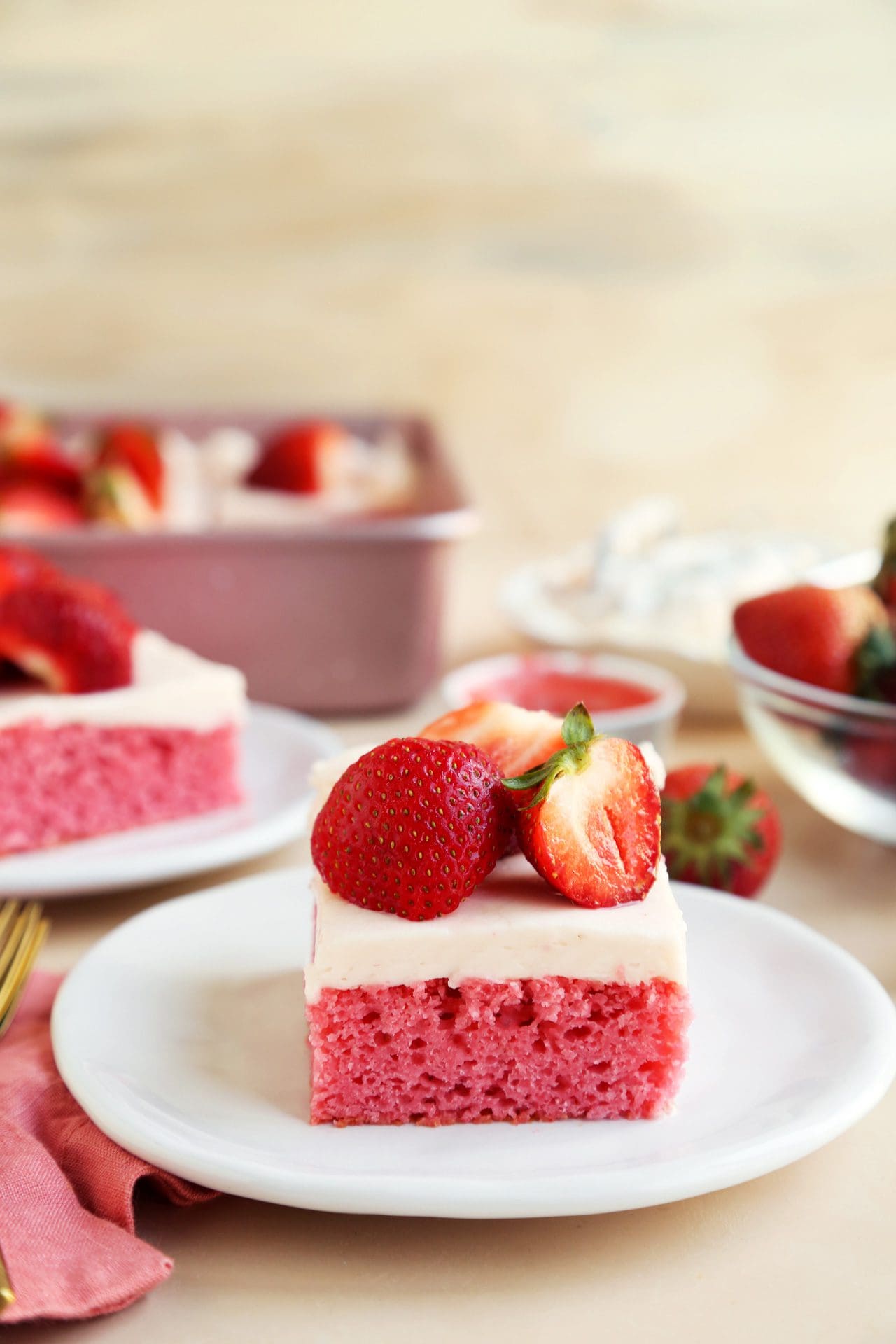
The sheet cake remains the gold standard for high-volume entertaining. By utilizing a single vessel for both mixing and baking, home cooks can produce enough portions to serve large groups without the cleanup associated with multi-tiered cakes. Culinary data suggests that sheet cakes incorporating gelatin-based additives, such as strawberry-infused boxed mixes, provide a consistent moisture profile that prevents the cake from drying out—a common failure point in high-heat, low-humidity environments.

The Rise of the Icebox Tradition
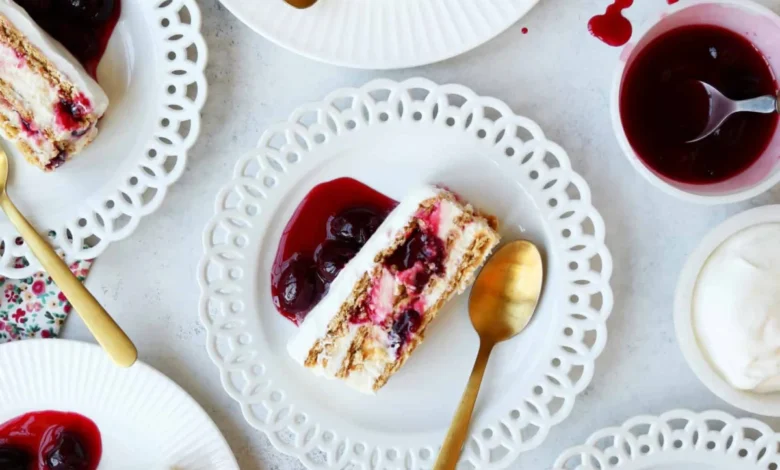
The icebox cake—a classic American staple that saw a resurgence in the 1950s—has returned to prominence as the premier "no-bake" solution. By layering thin wafers or cookies with whipped cream or fruit-based curds, the structure undergoes a transformation within the refrigerator. Over a period of 12 to 24 hours, the moisture from the cream migrates into the cookies, softening them into a cake-like consistency. This process eliminates the need for an oven entirely, making it an essential technique for households lacking climate-controlled kitchen environments.
Skillet and Upside-Down Variations
Skillet-based cakes occupy a middle ground between rustic home cooking and formal dessert service. These cakes are typically characterized by a high fruit-to-batter ratio. When fruit is roasted—either in the base of the skillet or prior to incorporation—it undergoes a chemical process known as the Maillard reaction, which deepens the sugar profile and creates a syrupy, jam-like texture. This method also serves a practical purpose: it removes excess water from the fruit, ensuring that the cake structure remains firm rather than soggy.

Chronology of Preparation and Service
For effective event planning, the timing of dessert preparation is as critical as the ingredients themselves. Expert bakers emphasize a strategic timeline for summer desserts:
- 48 Hours Prior: Selection of seasonal produce, such as strawberries or blueberries, at peak ripeness.
- 24 Hours Prior: Preparation of icebox-style cakes. These require an overnight setting period in a cold-storage environment to achieve the correct texture.
- 12 Hours Prior: Preparation of "make-ahead" cakes, such as lemon-drenched pound cakes. Citrus-based syrups act as a natural preservative, allowing these cakes to maintain a moist crumb over several days.
- Day-of Assembly: Whipped toppings, fresh garnishes, and delicate fruit components should be added immediately prior to service to prevent wilting or structural collapse caused by high ambient temperatures.
Supporting Data and Nutritional Considerations
Recent surveys of home bakers indicate that the most successful summer desserts share specific characteristics. Among the most popular recipes are those that utilize buttermilk or sour cream. These ingredients are scientifically significant because their acidity reacts with leavening agents to produce a tender, fine crumb that is less prone to the "drying out" effect caused by the evaporation of moisture in hot weather.

Furthermore, the integration of citrus—specifically lemon—serves both a flavor and preservation function. The citric acid content aids in the stability of the cake’s structure, while the high sugar content in syrups prevents microbial growth, extending the shelf life of the product in warmer conditions.
Official Responses and Culinary Expert Commentary
Prominent baking figures and culinary educators have noted that the "no-fuss" movement is not a reduction in quality, but an adaptation to modern lifestyles. "The modern host demands desserts that function as part of the party, not a distraction from it," says a representative from a leading culinary test kitchen. "The success of the roasted strawberry skillet cake or the lemon-blueberry sheet cake lies in the simplicity of the ingredients. When the produce is at its peak, the recipe does not need to be complex to be celebrated."

There is a clear consensus among food scientists that the shift toward "quick and easy" cakes also reflects a broader economic trend. With the rising cost of ingredients, home cooks are opting for recipes that utilize shelf-stable items like wafers, box mixes, and simple citrus curds, supplemented by seasonal fresh fruit. This approach reduces waste and ensures a high success rate, as these recipes are inherently more forgiving than traditional sponge or génoise cakes.
Broader Impact and Future Implications
The impact of this trend extends beyond the home kitchen. Small-scale commercial bakeries have begun to pivot their summer menus to reflect these consumer preferences, offering "snacking cakes" and individual-sized skillet portions that are easier to transport to outdoor venues.
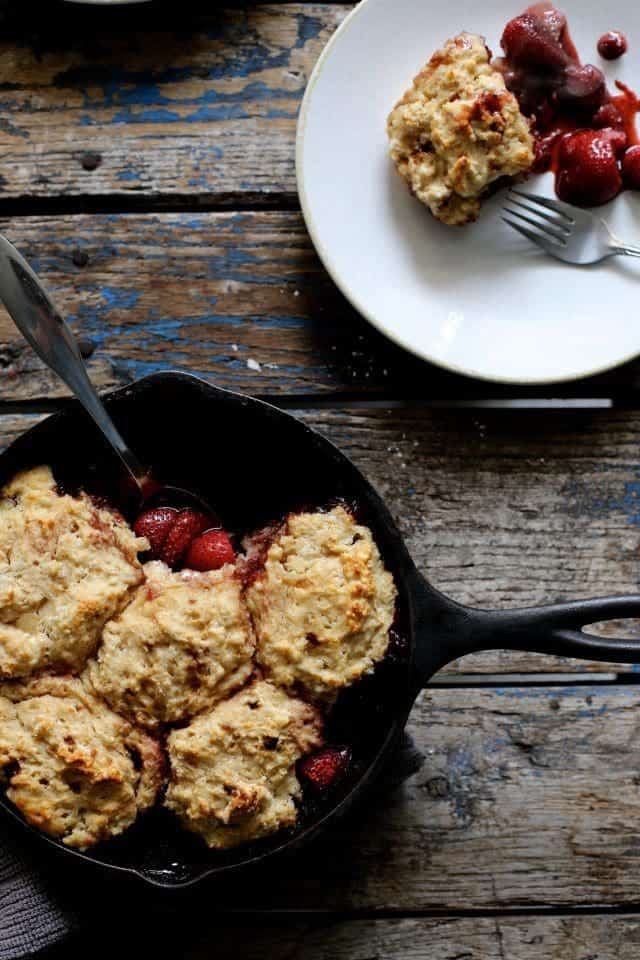
The emphasis on "travel-ready" desserts is particularly noteworthy. As social gatherings move from formal dining rooms to parks, beaches, and backyards, the structural integrity of a dessert has become a key metric of its value. Cakes that can be served directly from their baking vessel eliminate the need for delicate plating, reducing the risk of transport-related damage.
Looking forward, the evolution of summer baking will likely continue to lean into technology-free, low-heat methods. As global temperatures fluctuate, the reliance on high-heat baking will likely be replaced by creative uses of refrigeration and cold-setting agents. This shift ensures that the cultural tradition of the celebratory cake remains sustainable and accessible, regardless of the challenges posed by the summer climate.

In conclusion, the most effective summer desserts are those that harmonize the natural bounty of the season with the logistical constraints of the heat. Whether through the calculated simplicity of a strawberry sheet cake or the sophisticated patience of an overnight icebox creation, the objective remains constant: to provide a cooling, satisfying conclusion to a meal without compromising the comfort of the host or the quality of the product. By prioritizing preparation, timing, and ingredient science, the home baker can effectively navigate the demands of the season.