The Ultimate Guide to Spaghetti Aglio e Olio: History, Technique, and the Global Appeal of Naples’ Simplest Culinary Masterpiece

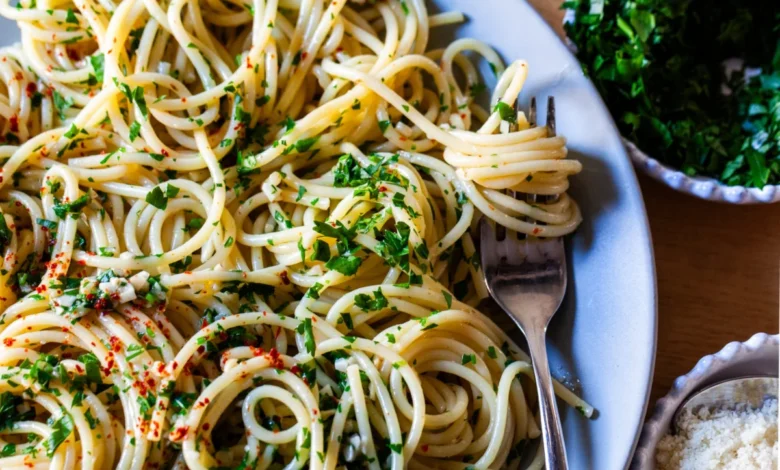
The global culinary community continues to reexamine the enduring appeal of minimal-ingredient cooking, shining a fresh spotlight on one of Campania’s most revered historic exports: spaghetti aglio e olio. Hailing from Naples, Italy, this deceptively simple dish of spaghetti, extra virgin olive oil, garlic, and red pepper flakes has transitioned from a regional subsistence meal into a cornerstone of international home cooking. As contemporary households face mounting pressures regarding grocery budgets, time constraints, and kitchen fatigue, culinary historians and food scientists note a significant resurgence in recipes that rely on pantry staples rather than elaborate, multi-step procedures.
Main Facts and Culinary Anatomy
Spaghetti aglio e olio translates literally to "spaghetti with garlic and oil." Unlike many contemporary pasta dishes that rely on complex emulsions, long-simmering tomato sauces, or heavy dairy products, aglio e olio achieves its luxurious, glossy consistency through a precise chemical reaction between starchy pasta water, high-quality olive oil, and delicate aromatics.

The preparation requires only a handful of ingredients:
- High-quality durum wheat spaghetti
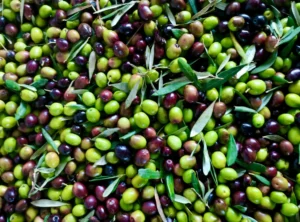
- Extra virgin olive oil (ideally a robust, cold-pressed variety)
- Fresh garlic cloves, thinly sliced or minced
- Crushed red pepper flakes (peperoncino)
- Fresh flat-leaf parsley
- Kosher salt for the boiling water
Despite its short ingredient list, the dish commands respect in professional and domestic kitchens alike due to the precision required. Culinary experts emphasize that the success of the dish hinges on temperature control. Unlike recipes that call for dropping garlic into pre-heated oil—a method that frequently leads to bitter, burnt fragments—authentic aglio e olio preparation dictates placing the cold oil, sliced garlic, and red pepper flakes into a cold skillet simultaneously, turning the heat to medium only after the ingredients are combined. This technique ensures the garlic gently infuses the oil without scorching.
Chronology and Historical Origins
The history of spaghetti aglio e olio is deeply intertwined with the socio-economic evolution of Southern Italy, specifically the bustling port city of Naples.

- Late 18th to 19th Century: Prior to the widespread integration of tomatoes into Southern Italian cuisine—which did not become a dominant pasta pairing until the 19th century—Neapolitan street vendors and working-class families relied on oil, lard, and cheese to dress dried pasta. Aglio e olio emerged as a nutritious, highly affordable meal for laborers.
- Mid-20th Century: Following mass migrations from Southern Italy to North America and Northern Europe, diasporic communities carried the recipe abroad. It quickly became recognized as the ultimate "midnight meal" (spaghetto di mezzanotte) in Italian households, traditionally prepared for late-night guests or after returning home from evening social events.
- Early 21st Century: The advent of digital food media and online recipe sharing propelled aglio e olio into global mainstream consciousness. The dish received a major cultural boost following its prominent feature in the 2014 culinary film Chef, directed by Jon Favreau, which introduced millions of viewers to the meticulous technique of slicing garlic paper-thin so it melts into the oil.
- Present Day: Amid shifting economic landscapes and post-pandemic shifts toward home cooking, food trends data consistently ranks aglio e olio among the most-searched comfort food recipes, valued for its low cost-per-serving and minimal cleanup requirements.
Supporting Data and Economic Efficiency
Recent consumer spending analyses highlight a growing consumer preference for "pantry-raid" meals as household food budgets face inflationary pressures. According to recent retail data, staple goods such as dry pasta and olive oil have seen stable, high-volume demand, while specialty produce items experience periodic fluctuations.
From an economic standpoint, spaghetti aglio e olio represents one of the most cost-effective balanced meals available in modern gastronomy.
- Cost Efficiency: The average cost per serving of homemade aglio e olio typically ranges between $1.00 and $2.00, depending on the grade of olive oil utilized.
- Nutritional Profile: While primarily carbohydrate-driven, the dish incorporates healthy monounsaturated fats from extra virgin olive oil, which studies associate with cardiovascular health benefits. Furthermore, home cooks frequently customize the dish by incorporating leftover roasted vegetables, grilled proteins, or fresh leafy greens, transforming a basic side into a nutritionally complete dinner.
- Preparation Speed: With a total active time of under 15 minutes, the recipe aligns with modern labor-saving kitchen demands, offering a viable alternative to commercial takeout.
Official Responses and Culinary Perspectives

Professional chefs and food scientists frequently point to aglio e olio as a masterclass in culinary technique. Because the dish relies on so few components, every individual element must be executed flawlessly.
"When you strip a dish down to four or five ingredients, there is nowhere to hide poor technique," notes Marcus Vance, a consulting chef and food science instructor based in Chicago. "The magic of aglio e olio is entirely mechanical. By undercooking the pasta by two minutes and finishing it directly in the simmering garlic oil alongside reserved starchy pasta water, you create a natural starch-and-oil emulsion that coats every strand uniformly. It teaches home cooks the fundamental principles of sauce-making without requiring a culinary degree."
Nutritional sociologists also view the resurgence of such traditional recipes as a positive pushback against ultra-processed convenience foods. By returning to whole, recognizable ingredients like garlic, olive oil, and wheat, consumers reclaim agency over their dietary habits while maintaining maximum schedule efficiency.
Broader Impact and Societal Implications

The enduring popularity of spaghetti aglio e olio speaks volumes about contemporary lifestyles. In an era dominated by hyper-connectivity, digital fatigue, and demanding work schedules, the domestic kitchen has increasingly transformed from a site of elaborate culinary labor into a sanctuary for rapid decompression.
Dishes that bridge the gap between high flavor and low effort—often categorized colloquially as "survival cooking" or back-pocket recipes—provide psychological benefits alongside physical nourishment. They offer a sense of mastery and immediate gratification without demanding excessive cognitive load at the end of a strenuous day.
Moreover, the versatility of aglio e olio underscores a broader sustainability trend. By encouraging the utilization of leftover ingredients—such as wilting herbs, stray vegetables, or proteins nearing their expiration date—the recipe aligns with global initiatives to reduce household food waste.
As food trends continue to evolve, the humble plate of spaghetti, garlic, and oil remains a testament to a timeless culinary truth: complexity does not equate to quality. Whether served plainly with a dusting of parsley or elevated with grilled seafood and seasonal vegetables, aglio e olio stands firmly as a resilient monument to minimalist gastronomy, proving that remarkable flavor is always within reach, even on the most exhausting of days.