
What Is Cream Cheese

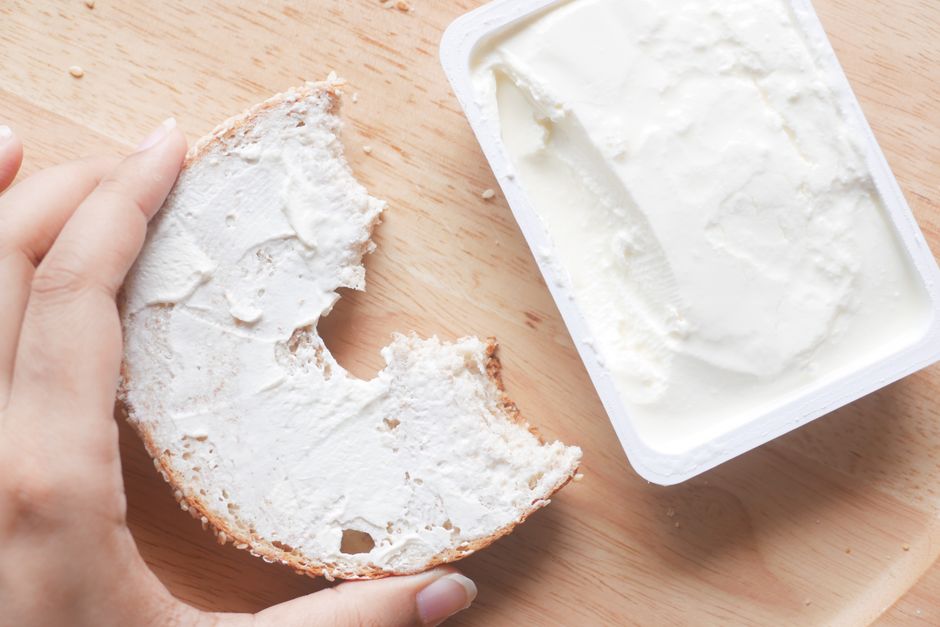
What is Cream Cheese? A Comprehensive Exploration
Cream cheese, a staple in both sweet and savory culinary applications, is a soft, mild-tasting fresh cheese. Its defining characteristics are its smooth, spreadable texture and its slightly tangy flavor. Unlike aged cheeses that undergo significant ripening processes, cream cheese is a young cheese, consumed shortly after its production. The primary ingredients are milk and cream, with a starter culture and sometimes stabilizers. The process involves pasteurizing the milk and cream, adding the starter culture to acidify it, and then often using a coagulant, such as rennet or an acidifier like citric acid, to separate the curds from the whey. The curds are then drained to a specific moisture content, resulting in the characteristic dense yet yielding consistency. The fat content is a crucial factor in its texture and mouthfeel, with standard cream cheese typically containing at least 33% milkfat. Lighter versions, such as Neufchâtel or reduced-fat cream cheese, have lower fat percentages, which can subtly alter their texture and flavor profile. The inherent creaminess and subtle tang make it an incredibly versatile ingredient, lending itself to a wide array of dishes, from the iconic cheesecake to simple bagel toppings and savory dips. Understanding its composition and production is key to appreciating its culinary significance and its role in kitchens worldwide.
The fundamental production of cream cheese begins with the careful selection of high-quality milk and cream. These dairy components are pasteurized, a heat treatment process that eliminates harmful bacteria while preserving the desirable characteristics of the dairy. Following pasteurization, a specific blend of lactic acid bacteria, known as a starter culture, is introduced. This culture plays a vital role in the acidification of the milk and cream mixture. As the bacteria ferment the lactose (milk sugar) into lactic acid, the pH of the mixture decreases. This acidification causes the proteins in the milk, primarily casein, to denature and coagulate, forming a semi-solid mass. While lactic acid fermentation is the primary driver of coagulation, a small amount of rennet, an enzyme derived from the stomach of young ruminants, or other acidifiers like citric acid, may be added to aid in the separation of the curds from the liquid whey. The coagulated mass, now referred to as curd, is then subjected to a draining process. This is a critical step that determines the final texture and moisture content of the cream cheese. Various methods can be employed for draining, including using fine-mesh screens, cheesecloth, or more sophisticated mechanical dewatering equipment. The goal is to remove a significant portion of the whey without excessively drying out the curds, thus achieving the desired smooth and spreadable consistency. Stabilizers, such as carrageenan, guar gum, or locust bean gum, are sometimes added during or after the draining process. These ingredients help to prevent whey separation, maintain a uniform texture, and improve the overall stability of the product, especially in formulations with reduced fat content. The fat content is a defining characteristic of cream cheese, with U.S. Food and Drug Administration (FDA) regulations specifying a minimum of 33% milkfat for "cream cheese." Other variations, such as "light" or "reduced-fat" cream cheese, will have a lower fat percentage, typically achieved by using a higher proportion of skim milk or by incorporating alternative emulsifiers and stabilizers. The precise combination of milkfat, moisture, and the absence of significant aging are what distinguish cream cheese from other dairy products and contribute to its unique culinary properties.
The chemical composition of cream cheese underpins its distinct sensory attributes and functional behavior in cooking. The primary macronutrients present are fat and protein, with carbohydrates present in the form of lactose, though typically in lower concentrations than in fresh milk due to fermentation. The fat content is a dominant factor, contributing to its richness, smooth mouthfeel, and emulsifying properties. Milkfat consists of triglycerides, which are esters of glycerol and fatty acids. The specific profile of fatty acids in cream cheese, influenced by the diet of the cows, contributes to its subtle flavor notes. Proteins, primarily casein and whey proteins, are essential for the structure and texture of cream cheese. Casein proteins, when denatured by acidification and enzymatic action, form the matrix that traps fat globules and water. The degree of protein coagulation and subsequent whey expulsion directly impacts the firmness and spreadability. Carbohydrates, primarily lactose, are largely consumed by the starter cultures during fermentation, converting it into lactic acid. This acidification is crucial for flavor development, contributing the characteristic mild tang, and for protein coagulation. Water is the other major component, influencing the texture and density. The moisture content is carefully controlled during the draining process. Typical cream cheese contains around 50-55% moisture. The presence of lactic acid, produced by the starter cultures, gives cream cheese its characteristic tangy flavor profile. The pH of cream cheese typically ranges from 4.5 to 4.9, which contributes to its slightly acidic taste and also aids in its preservation by inhibiting the growth of many spoilage microorganisms. Minerals, such as calcium and phosphorus, are present in smaller amounts, inherited from the milk. Vitamins, particularly fat-soluble vitamins like Vitamin A, are also present, primarily due to the cream content. The interplay of these chemical components – the fat, protein structure, lactic acid, and moisture content – is what gives cream cheese its signature creamy, slightly tart, and spreadable nature, making it an indispensable ingredient in a wide range of culinary applications.
The culinary versatility of cream cheese is vast, extending across both sweet and savory preparations, and its texture and flavor profile make it uniquely suited for a multitude of applications. In the realm of desserts, its most iconic application is undoubtedly cheesecake. The high fat content and emulsifying properties of cream cheese allow it to create a smooth, dense, and stable custard when baked with eggs and sugar. It provides the rich, creamy base that defines this popular dessert. Beyond cheesecake, cream cheese is a popular choice for frosting and fillings for cakes and cupcakes, offering a tangier alternative to buttercream and a richer texture than simple glazes. Its ability to hold its shape when chilled makes it ideal for no-bake desserts like cheesecakes and layered parfaits. It is also frequently incorporated into cookies, brownies, and pastries to add moisture, richness, and a subtle tang that balances sweetness. For instance, swirls of cream cheese in brownies create pockets of creamy indulgence, while cream cheese danishes offer a delightful blend of sweet pastry and tangy filling.
In savory cuisine, cream cheese shines as a foundational ingredient for dips and spreads. Its inherent creaminess and mild flavor serve as an excellent canvas for a variety of additions. Popular examples include spinach and artichoke dip, buffalo chicken dip, and simple cream cheese and herb spreads. When blended with other ingredients like sour cream, mayonnaise, or yogurt, it creates a smooth and cohesive base that can be served warm or cold. Cream cheese is also a key component in many savory pastry fillings, such as those found in stuffed mushrooms, jalapeño poppers, and cheese-filled pierogi. Its ability to melt and become gooey when heated adds a decadent texture. Furthermore, it can be used to bind ingredients in meatloaf or meatballs, adding moisture and a subtle richness without overpowering the primary flavors. In Scandinavian cuisine, it is sometimes used as a spread on rye bread or as a component in gravlax preparations, where its mildness complements the cured salmon. Its application extends to sauces and gravies, where it can be incorporated to add body and a creamy finish to pan sauces or to enrich macaroni and cheese. The ability of cream cheese to emulsify fats and liquids also makes it a useful addition to certain vinaigrettes and salad dressings, particularly those that aim for a richer, creamier texture. The diverse range of its uses highlights its adaptability and its capacity to enhance both the texture and flavor of a wide spectrum of dishes, cementing its status as a cornerstone ingredient in global gastronomy.
Cream cheese comes in various forms and formulations, catering to different culinary needs and dietary preferences. The most common is full-fat cream cheese, also known as plain cream cheese. This variety adheres to the standard fat content regulations (typically a minimum of 33% milkfat in the U.S.) and offers the richest flavor and creamiest texture. It is the go-to for traditional cheesecakes, rich frostings, and decadent dips.
Light cream cheese and reduced-fat cream cheese are formulated to have a lower fat content. While regulations can vary, these typically contain between 3% and 5% milkfat. To achieve this lower fat percentage, skim milk is often used in higher proportions, and manufacturers may incorporate stabilizers and emulsifiers to mimic the texture and mouthfeel of full-fat cream cheese. While a healthier option in terms of fat reduction, these variations can sometimes have a slightly less rich flavor and a subtly different texture, being more prone to weeping or a firmer consistency. They are suitable for many applications where the richness of full-fat is not paramount, such as in some dips and lighter frostings.
Neufchâtel cheese is a French cheese that is often grouped with cream cheese due to its soft, spreadable nature and mild flavor. In the United States, the term "Neufchâtel" on a label often refers to a product that is very similar to light cream cheese, typically containing around 3.5% milkfat. Traditional French Neufchâtel is often made with a higher proportion of cream and can have a slightly more pronounced tang and a softer, more yielding texture than U.S. Neufchâtel or light cream cheese.
Whipped cream cheese is a variation where air is incorporated into the cream cheese, resulting in a lighter, fluffier, and more spreadable product. This is achieved through a mechanical whipping process, often at the manufacturing level. Whipped cream cheese is excellent for quick and easy spreads on bagels or toast, and it can also be used for frosting when a lighter texture is desired. Its aeration means it will behave differently in baked goods compared to regular cream cheese, potentially affecting density and structure.
Flavored cream cheeses are widely available, offering a convenient way to add taste and complexity to dishes. Common flavors include chive and onion, strawberry, blueberry, jalapeño, and smoked salmon. These are essentially cream cheese with the addition of flavorings, herbs, spices, or small pieces of ingredients. They are ideal for immediate use as spreads and dips, eliminating the need for additional preparation.
Cream cheese alternatives have emerged to cater to vegan and dairy-free diets. These are typically made from plant-based ingredients such as cashews, almonds, soy, coconut, or a blend of oils and starches. Their flavor and texture can vary significantly from traditional dairy cream cheese, and their performance in baking and cooking may differ depending on the specific ingredients and formulations.
Each of these variations offers a unique profile, and choosing the right type depends on the intended culinary application, desired flavor intensity, and dietary considerations. Understanding these differences is crucial for achieving optimal results in cooking and baking.
The nutritional profile of cream cheese highlights its contribution of fat and protein, with varying levels depending on the specific formulation. A typical serving of full-fat cream cheese (approximately 1 ounce or 28 grams) provides around 100-110 calories, with the majority of these calories coming from its fat content. The fat content is generally around 9-10 grams per serving, with a significant portion being saturated fat. This high fat content contributes to its rich mouthfeel and satiety. Protein content is relatively modest, typically around 2 grams per serving. This protein primarily comes from the milk solids. Carbohydrates are present in small amounts, usually less than 2 grams per serving, primarily in the form of lactose. However, during the fermentation process, much of the lactose is converted to lactic acid, thus lowering the overall carbohydrate count compared to plain milk.
Cream cheese is a good source of several vitamins and minerals, though not typically considered a primary source of most micronutrients. It contains some Vitamin A, primarily due to its cream content. Vitamin A is fat-soluble and plays a role in vision, immune function, and cell growth. Small amounts of B vitamins, such as riboflavin (Vitamin B2), can also be found. Calcium is present, but in lower concentrations than in other dairy products like milk or yogurt, as a significant portion of the calcium remains in the whey during the cheese-making process. However, it still contributes to daily calcium intake. Phosphorus, another important mineral for bone health, is also present.
The impact of fat content on nutritional value is significant. Light or reduced-fat cream cheese will have a lower calorie count and a lower amount of total fat and saturated fat per serving. For instance, a serving of light cream cheese might contain around 35-50 calories and 2-4 grams of fat. However, these lower-fat versions may have a higher carbohydrate content due to the addition of ingredients to improve texture and mouthfeel.
It’s important to consider the context of consumption. While cream cheese can be part of a balanced diet, its high fat content, particularly in the full-fat variety, means it should be consumed in moderation. When used as a spread on bagels or as an ingredient in rich desserts, it contributes significantly to the overall calorie, fat, and saturated fat intake of a meal or snack. However, its unique textural and flavor contributions can justify its inclusion in small to moderate amounts for culinary enjoyment. For individuals managing specific dietary concerns, such as high cholesterol or calorie restriction, choosing reduced-fat options or using cream cheese sparingly can be beneficial.
The storage and handling of cream cheese are crucial for maintaining its quality, safety, and optimal texture. Proper storage begins immediately after purchase. Cream cheese should always be refrigerated. The ideal temperature range for storing cream cheese is between 35°F and 40°F (1.7°C and 4.4°C), which is the typical temperature of a refrigerator.
When storing cream cheese, it is essential to keep it tightly wrapped or sealed. The original packaging, if resealable, is often suitable. If not, wrapping it tightly in plastic wrap or aluminum foil, or placing it in an airtight container, will prevent it from drying out, absorbing odors from other foods in the refrigerator, and becoming contaminated. Exposure to air can lead to a change in texture, making it harder and potentially developing a stale flavor.
Unopened, commercially packaged cream cheese typically has a "best by" or "sell by" date. It is generally safe to consume for a period after this date if stored properly, but quality may decline. Once opened, cream cheese should be consumed within a recommended timeframe to ensure safety and optimal quality. For full-fat and light cream cheese, this is typically around one to two weeks after opening. Over time, cream cheese can develop spoilage, indicated by changes in odor, color, or texture, or the appearance of mold. Any cream cheese that exhibits these signs of spoilage should be discarded immediately.
Freezing cream cheese is possible, but it will significantly alter its texture. When frozen, the water content in cream cheese can form ice crystals, which, upon thawing, can disrupt the fat and protein structure. This results in a crumbly or grainy texture and potential separation of whey. Therefore, while frozen cream cheese is safe to consume, it is generally not recommended for applications where a smooth, creamy texture is paramount, such as in cheesecake or frosting. If freezing is necessary, it is best to thaw it slowly in the refrigerator and then whisk or blend it vigorously to try and reintegrate the components. Frozen cream cheese is better suited for cooked applications where texture is less critical.
When using cream cheese for recipes, it is often beneficial to bring it to room temperature. This process, known as "tempering," softens the cream cheese, making it easier to cream with sugar, blend with other ingredients, and incorporate smoothly into batters and fillings. To temper cream cheese, it can be left on the counter for 30-60 minutes (depending on room temperature), or the foil wrapper can be removed and the block can be cut into smaller pieces to speed up the process. Overheating cream cheese, such as by microwaving it too aggressively, can cause it to melt unevenly and become oily, negatively impacting its texture. Gentle warming or allowing it to sit at room temperature are the preferred methods for achieving a workable consistency. Proper handling and storage are paramount to unlocking the full culinary potential of cream cheese.


