
Zucchini And Blue Cheese Side

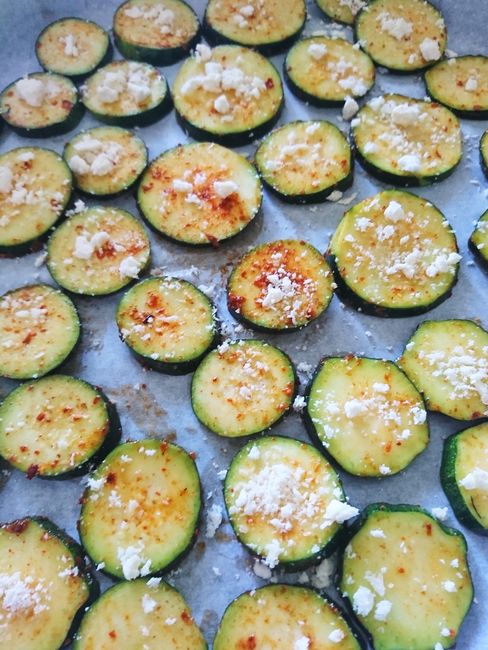
Zucchini and Blue Cheese: A Bold Flavor Pairing for Elevated Side Dishes
The humble zucchini, often relegated to the background of summer meals, finds its culinary potential unlocked when paired with the assertive, piquant character of blue cheese. This combination transcends the ordinary, transforming a simple vegetable side into a sophisticated and flavorful accompaniment. The mild, subtly sweet flesh of cooked zucchini provides a neutral canvas, allowing the salty, earthy, and often sharp notes of blue cheese to shine. This article delves into the synergy of zucchini and blue cheese, exploring the diverse preparation methods, ingredient variations, and the underlying flavor science that makes this pairing so compelling for home cooks and discerning palates alike.
The versatility of zucchini in cooking is well-established. Whether grilled, sautéed, roasted, or steamed, it retains a pleasing texture and a delicate flavor profile. When subjected to heat, zucchini softens and releases some of its moisture, concentrating its natural sweetness. This subtle sweetness is crucial in balancing the intensity of blue cheese. The crumbly texture of many blue cheeses, such as Gorgonzola, Roquefort, or Stilton, also plays a role. As it melts, it creates pockets of creamy richness, infusing the zucchini with its distinctive tang. This textural contrast, from the tender vegetable to the molten cheese, is inherently satisfying. Furthermore, the inherent umami present in both zucchini and blue cheese contributes to the dish’s overall depth of flavor, creating a more complex and savory experience than either ingredient might offer individually.
Several core preparation methods form the foundation for delicious zucchini and blue cheese sides. Roasting is perhaps the most popular and yields exceptional results. Sliced or cubed zucchini, tossed with olive oil, salt, and pepper, is roasted until tender and slightly caramelized. This caramelization enhances the zucchini’s sweetness and develops a depth of flavor that complements the blue cheese beautifully. Once the zucchini is nearly cooked, crumbled blue cheese is scattered over the top, allowing it to melt into the hot vegetable. This method results in evenly distributed cheese and a slightly crispy exterior on the zucchini. Sautéing offers a quicker alternative. Thinly sliced or diced zucchini is cooked in a skillet with a touch of oil until tender-crisp. The blue cheese is then stirred in at the last minute, allowing it to soften and meld with the zucchini. This method preserves more of the zucchini’s inherent crispness, offering a different textural experience. Grilling imbues zucchini with a smoky aroma and char marks that add another layer of complexity. Zucchini planks or thick slices are grilled until tender and slightly charred, then topped with blue cheese and allowed to melt under the residual heat of the grill or briefly under a broiler. Steaming, while less common for this specific pairing, can be used for a lighter preparation. Steamed zucchini, still slightly firm, can be tossed with a warm blue cheese sauce or simply topped with crumbled blue cheese to allow it to melt.
Beyond these fundamental techniques, numerous variations can elevate the zucchini and blue cheese side dish. The choice of blue cheese itself significantly impacts the final flavor profile. A milder, creamy Gorgonzola Dolce offers a gentler, sweeter blue cheese experience, ideal for those less accustomed to intense flavors. A sharper, more pungent Roquefort or Stilton will provide a bolder, more assertive tang, suitable for those who relish strong cheese profiles. Mixing different types of blue cheese can also create a nuanced flavor. Adding aromatics is another key area for customization. Garlic, whether minced and sautéed with the zucchini or roasted whole and mashed into a paste, is a classic pairing that harmonizes well with both components. Shallots, with their subtle oniony sweetness, can also be sautéed alongside the zucchini, adding another layer of savory depth. Fresh herbs introduce freshness and complexity. Parsley, chives, and thyme are excellent choices, providing herbaceous counterpoints to the richness of the cheese and the earthiness of the zucchini. For a hint of citrus, a squeeze of lemon juice or a grating of lemon zest, added just before serving, can brighten the dish and cut through the richness.
Incorporating other complementary ingredients further expands the possibilities. Toasted nuts, such as walnuts or pecans, add a delightful crunch and a nutty flavor that pairs exceptionally well with blue cheese. The slight bitterness of toasted nuts also helps to balance the sweetness of the zucchini and the pungency of the cheese. Crispy pancetta or bacon bits can introduce a salty, smoky, and savory element, transforming the side dish into a more indulgent offering. For a touch of sweetness and acidity, a drizzle of balsamic glaze or a scattering of dried cranberries can add a welcome contrast. The subtle acidity of the balsamic glaze complements the richness of the blue cheese, while the tartness of the cranberries offers a burst of flavor. Diced red onion, sautéed until softened, can provide a mild sweetness and a pleasant bite. For a vegetarian option, a sprinkle of nutritional yeast can add a cheesy, umami flavor without additional dairy.
The science behind the zucchini and blue cheese pairing lies in the interplay of taste and texture. Zucchini, rich in water and natural sugars, possesses a mild, slightly sweet, and vegetal flavor. Its texture, when cooked, ranges from tender-crisp to soft and yielding. Blue cheese, on the other hand, is characterized by its high salt content, developed through the action of Penicillium mold. This mold produces complex volatile compounds that contribute to its distinctive aroma and pungent, tangy, and often nutty or earthy flavor profile. The saltiness of the blue cheese acts as a flavor enhancer, amplifying the inherent sweetness and savory notes of the zucchini. The fat content in blue cheese, particularly in creamier varieties, contributes to its melting quality, creating a luxurious coating for the zucchini and a luscious mouthfeel. The pungency of the blue cheese, while potent, is tempered by the mildness of the zucchini. This dynamic creates a balanced flavor profile where neither element overwhelms the other, but rather they work in concert to create a more satisfying and complex taste experience. The contrast in textures – the tender, yielding zucchini against the creamy, sometimes slightly granular blue cheese – further enhances the sensory appeal of the dish.
From a nutritional perspective, zucchini is a low-calorie, nutrient-dense vegetable, providing essential vitamins like C and K, as well as potassium and fiber. Blue cheese, while richer in fat and sodium, also offers protein and calcium. When prepared with moderate amounts of oil and cheese, a zucchini and blue cheese side can be a relatively healthy option, offering a good balance of macronutrients and micronutrients. However, it is important to be mindful of portion sizes, especially concerning the blue cheese, due to its higher fat and sodium content.
SEO considerations for this article are paramount to ensure its discoverability by individuals seeking recipes and information on this specific flavor pairing. Keywords such as "zucchini blue cheese recipe," "roasted zucchini blue cheese," "sautéed zucchini blue cheese," "grilled zucchini blue cheese," "blue cheese vegetable side," "easy zucchini side dish," and "gourmet vegetable recipes" should be strategically integrated throughout the text, particularly in headings, subheadings, and naturally within the body paragraphs. The use of long-tail keywords, like "how to make zucchini with blue cheese," "best blue cheese for zucchini," and "flavor pairings for zucchini," will also attract a more targeted audience. Image optimization, with descriptive alt text for visuals of the prepared dish, will further enhance SEO performance. The article’s structure, with clear headings and subheadings, improves readability and aids search engine crawlers in understanding the content.
In conclusion, the pairing of zucchini and blue cheese is a culinary triumph, offering a sophisticated and deeply flavorful side dish option. By understanding the inherent properties of each ingredient and exploring various preparation methods and complementary additions, home cooks can consistently create impressive and delicious results. Whether seeking a quick weeknight accompaniment or a show-stopping addition to a special meal, the versatile and bold combination of zucchini and blue cheese offers a rewarding culinary experience. The fundamental interplay of subtle sweetness, savory depth, and the distinctive tang of blue cheese, amplified by thoughtful preparation and complementary ingredients, cements its place as a standout side dish.


