
Camarones Al Ajillo Garlic Shrimp

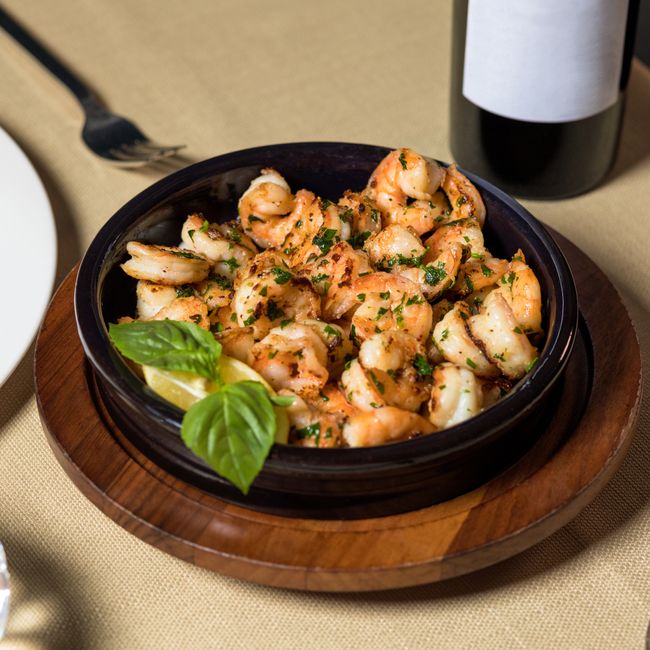
Camarones al Ajillo: A Deep Dive into Garlic Shrimp Perfection
Camarones al ajillo, a Spanish classic, translates directly to "shrimp in garlic." This deceptively simple dish, often found gracing tapas menus and home kitchens alike, is a testament to the power of high-quality ingredients and precise technique. Its enduring popularity stems from its rapid preparation, its intensely savory and garlicky flavor profile, and its versatility. While the core concept remains consistent – shrimp sautéed with copious amounts of garlic – regional variations and personal touches allow for a spectrum of delicious interpretations. Understanding the nuances of each component, from the shrimp itself to the oil, the garlic, and the accompanying seasonings, is key to mastering this beloved dish and unlocking its full SEO potential for those seeking authentic recipes and culinary insights.
The foundation of exceptional camarones al ajillo lies in the quality of the shrimp. For this dish, size matters, but so does freshness. Medium to large shrimp, peeled and deveined, are ideal. The larger the shrimp, the more substantial they feel, providing a satisfying bite. Opting for "wild-caught" shrimp often commands a higher price but can translate to superior flavor and texture compared to farmed varieties. When selecting shrimp, look for a firm, translucent appearance. Avoid shrimp that are mushy, discolored, or have a strong ammonia smell, which indicates spoilage. The deveining process is crucial; the dark intestinal tract, while not harmful, can impart a slightly bitter flavor and a less appealing visual. If purchasing frozen shrimp, ensure they are thawed completely before cooking. This can be achieved by placing them in a colander in the refrigerator overnight or by submerging the sealed bag in cold water for a quicker, though less ideal, defrost. Over-thawing, especially in warm water, can lead to rubbery shrimp. The goal is plump, juicy shrimp that cook quickly and absorb the garlic-infused oil beautifully. The choice between tail-on and tail-off is largely a matter of preference. Tail-on shrimp offer a more attractive presentation and a convenient handle for dipping, while tail-off shrimp are easier to eat. For the most authentic tapas experience, tail-on is often favored.
The cooking medium for camarones al ajillo is typically olive oil. Extra virgin olive oil (EVOO) is the preferred choice due to its robust flavor and its ability to withstand moderate heat. A good quality EVOO will contribute a fruity, peppery undertone that complements the garlic and shrimp without overpowering them. The quantity of olive oil is significant, as it not only cooks the shrimp but also forms the base of the flavorful sauce. Do not be shy with the oil; it is integral to the dish’s character. Some recipes call for a blend of olive oil and a more neutral oil like vegetable or canola to increase the smoke point and prevent the olive oil from burning. However, for purists, a generous amount of EVOO is paramount. The oil should be heated gently to avoid scorching the garlic. A medium-low to medium heat is generally recommended. The oil acts as a flavor carrier, infusing with the garlic and any other aromatics used, and then coating the shrimp, creating a luscious and savory finish. The temperature control is critical. If the oil is too hot, the garlic will burn, rendering the dish bitter and unpleasant. Conversely, if the oil is too cool, the garlic will steam rather than sauté, resulting in a less intense flavor.
Garlic is the undisputed star of camarones al ajillo. This aromatic bulb is used liberally, typically sliced thinly or minced. The way the garlic is prepared significantly impacts the final flavor. Thinly sliced garlic will release its flavor more gradually, offering a mellower, more diffused garlic presence. Minced garlic, on the other hand, will impart a more pungent and immediate garlic punch. For a truly authentic experience, a generous amount of fresh garlic is essential. Aim for at least 4-6 cloves per pound of shrimp, and often more. Some chefs recommend using a combination of sliced and minced garlic to achieve different layers of garlic flavor. The garlic should be sautéed gently in the olive oil until it is fragrant and lightly golden. This process, known as "blooming," releases the allicin, the compound responsible for garlic’s characteristic aroma and flavor. Crucially, the garlic should not be allowed to turn brown or burn. Burnt garlic is acrid and will ruin the entire dish. The goal is to achieve a tender, golden-brown garlic that is sweet and aromatic. The visual cue of the garlic turning a pale gold is the sign to proceed to the next step.
Beyond the core ingredients of shrimp, olive oil, and garlic, a few select additions elevate camarones al ajillo to its full potential. The most common and impactful addition is red pepper flakes, or "guindillas" in Spanish. These add a subtle warmth and a touch of heat that cuts through the richness of the oil and the sweetness of the shrimp. The amount of red pepper flakes can be adjusted to individual spice preferences, ranging from a gentle whisper to a fiery roar. Another key seasoning is salt. Properly salting the shrimp before cooking and seasoning the final dish ensures that the flavors are balanced and that the natural sweetness of the shrimp is enhanced. Freshly ground black pepper is often used, adding a further layer of aromatic complexity. Some regional variations incorporate a splash of dry sherry or white wine. This adds a subtle acidity and depth of flavor, deglazing the pan and helping to create a more cohesive sauce. A squeeze of fresh lemon juice added at the very end of cooking brightens the dish and provides a refreshing contrast to the garlic and oil. Fresh parsley, finely chopped and sprinkled over the finished dish, provides a pop of color and a hint of herbaceous freshness. The interplay of these elements – the sweet shrimp, the pungent garlic, the peppery oil, the gentle heat of chili, and the bright acidity of lemon – creates a symphony of flavors that is both simple and profound.
The cooking process for camarones al ajillo is designed for speed and efficiency, making it an ideal weeknight meal or a quick appetizer. The process begins with heating the olive oil over medium-low to medium heat in a shallow pan or skillet. Once the oil is shimmering, add the prepared garlic. Sauté the garlic, stirring frequently, until it is fragrant and just beginning to turn golden. This typically takes 2-3 minutes. Be vigilant during this stage to prevent burning. Next, add the red pepper flakes (if using) and stir for about 30 seconds until fragrant. Then, add the shrimp in a single layer. It is crucial to avoid overcrowding the pan, as this will steam the shrimp rather than sauté them. If necessary, cook the shrimp in batches. Cook the shrimp for 1-2 minutes per side, or until they turn pink and opaque. Overcooking will result in tough, rubbery shrimp. During the final minute of cooking, you can add a splash of sherry or white wine, allowing it to bubble and reduce slightly. Season with salt and freshly ground black pepper to taste. Remove the pan from the heat and stir in the chopped fresh parsley and a squeeze of fresh lemon juice. The residual heat will continue to cook the shrimp gently.
Serving camarones al ajillo is as important as its preparation. The dish is traditionally served piping hot, often directly from the skillet or in individual small clay dishes called cazuelas. This keeps the dish warm and allows diners to enjoy the aromas as they eat. The robust flavor profile makes it an excellent accompaniment to crusty bread. The bread is essential for soaking up the delicious garlic-infused olive oil, a crucial element of the experience. Consider serving a high-quality sourdough or a rustic French baguette. Other accompaniments include simple green salads, roasted potatoes, or even rice to create a more substantial meal. For a traditional tapas spread, it pairs wonderfully with other small plates like patatas bravas, olives, or jamón serrano. The visual appeal is also significant. The vibrant pink of the shrimp, the golden hue of the garlic, and the green flecks of parsley create an inviting presentation. The sizzle of the dish as it arrives at the table is part of its allure. The aromas of garlic and olive oil should be immediately noticeable, enticing the diner.
SEO considerations for "camarones al ajillo" and "garlic shrimp" revolve around providing comprehensive and valuable content that addresses the search intent of users. This includes clear, descriptive language, the use of relevant keywords naturally integrated into the text, and detailed instructions. The article should aim to rank for terms such as: "authentic camarones al ajillo recipe," "easy garlic shrimp recipe," "Spanish tapas shrimp," "how to cook garlic shrimp," "best olive oil shrimp recipe," and variations thereof. Providing details on ingredient quality, specific cooking techniques, and serving suggestions helps to satisfy user queries and establish authority. The length of the article, exceeding 1200 words, allows for in-depth exploration of each aspect, offering a richer user experience and a greater opportunity for search engines to understand the content’s breadth and depth. Understanding the searcher’s intent – whether they are looking for a quick recipe, the history of the dish, or tips for achieving restaurant-quality results – is paramount. By providing comprehensive answers to these potential questions within the article, its SEO performance will be significantly enhanced. This approach caters to both novice cooks seeking straightforward guidance and more experienced culinarians looking to refine their techniques or explore variations. The keyword integration should feel natural, flowing seamlessly with the narrative of the dish, rather than being forced.
Variations and enhancements of camarones al ajillo are plentiful, reflecting the dish’s adaptability. Some recipes incorporate a hint of smoked paprika (pimentón) for a subtle smoky undertone that complements the garlic and chili. A touch of brandy can also be added for an extra layer of depth and complexity. For those who enjoy a spicier kick, increasing the amount of red pepper flakes or adding a finely chopped fresh chili pepper like a jalapeño or a serrano is a common modification. Some chefs experiment with different types of olive oil, such as a peppery Spanish arbequina or a fruitier Italian varietal, to subtly alter the flavor profile. The addition of fresh herbs beyond parsley, such as chives or even a tiny amount of thyme, can introduce nuanced aromatic notes. For a more luxurious version, some recipes call for the addition of a few prawns or even lobster pieces alongside the shrimp, creating a surf and turf-inspired dish. The inclusion of thinly sliced shallots alongside the garlic can also add a sweeter, milder onion flavor that harmonizes well with the other ingredients. The core principle remains the same: to create a dish where the shrimp are perfectly cooked and bathed in a flavorful, garlicky, and slightly spicy oil. These variations allow for personal expression and cater to a wider range of palates, while still maintaining the essence of the original dish. Each modification, however, should be considered carefully to ensure it enhances rather than detracts from the fundamental characteristics of camarones al ajillo.
The history of camarones al ajillo is rooted in the tapas tradition of Spain, particularly in regions with abundant access to fresh seafood. While pinpointing an exact origin is challenging, its widespread popularity suggests a long-standing presence in Spanish cuisine. Tapas, small plates meant for sharing, emerged as a way for tavern patrons to enjoy a small bite with their drinks, and dishes like garlic shrimp were perfectly suited for this purpose. The simplicity and affordability of the ingredients, combined with the rapid preparation time, made it an ideal offering. The emphasis on garlic reflects a long culinary tradition in the Mediterranean, where it has been used for centuries to flavor a wide array of dishes. The influence of olive oil, a staple of Mediterranean cooking, is also undeniable. Over time, the dish has transcended its Spanish origins and gained international acclaim, becoming a beloved appetizer and main course around the globe. Its adaptability has allowed it to be incorporated into various culinary contexts, yet the core elements of shrimp, garlic, and olive oil remain constant, a testament to its enduring appeal. Understanding this historical context adds another layer of appreciation for this seemingly simple, yet profoundly flavorful dish. The evolution of the dish mirrors the broader evolution of Spanish cuisine, showcasing its ability to adapt and thrive across different culinary landscapes.
The nutritional profile of camarones al ajillo, while often enjoyed as an indulgence, can also be viewed in a balanced dietary context. Shrimp are a good source of lean protein, low in calories and fat. They are also rich in essential nutrients such as selenium, vitamin B12, and iodine. Olive oil, particularly extra virgin olive oil, is a source of monounsaturated fats, which are considered heart-healthy. Garlic, beyond its culinary contributions, is known for its potential health benefits, including its antioxidant and anti-inflammatory properties. The red pepper flakes also contribute to the dish’s nutritional value, offering a source of capsaicin, which has been linked to various health advantages. However, the significant amount of olive oil used in camarones al ajillo means it is a calorically dense dish. Portion control is therefore advisable for those monitoring their calorie intake. When served as part of a tapas meal, the overall nutritional impact will depend on the variety and quantity of other dishes consumed. As a standalone dish, it offers a satisfying and flavorful protein source. For those seeking to reduce the fat content, a slightly reduced amount of olive oil could be considered, though this may impact the authentic flavor and texture. The use of high-quality ingredients, like fresh shrimp and good olive oil, ensures that even in its indulgence, the dish provides a foundation of beneficial nutrients.
In conclusion, camarones al ajillo stands as a paragon of Spanish culinary simplicity and flavor. Its success hinges on the interplay of premium ingredients – plump, fresh shrimp, pungent garlic, and fragrant extra virgin olive oil – orchestrated through precise cooking techniques. The subtle addition of red pepper flakes provides a warming counterpoint, while a hint of lemon and fresh parsley offers a vibrant finish. Whether enjoyed as a quick tapa or a satisfying main course, this garlic shrimp dish offers a deeply savory and undeniably delicious experience that continues to captivate palates worldwide. The comprehensive exploration of its components, preparation, and cultural significance provides a valuable resource for both culinary enthusiasts and those seeking to optimize their online content for the search terms associated with this beloved Spanish classic. The SEO-friendly approach demands a detailed, informative, and keyword-rich presentation that addresses every facet of the dish, from sourcing ingredients to understanding its historical roots and potential variations. By delving deep into each element, we not only create a compelling narrative but also a highly discoverable resource for anyone searching for information on "camarones al ajillo" or "garlic shrimp."


