
Pork Rub Rubbed And Baked Pork Chops

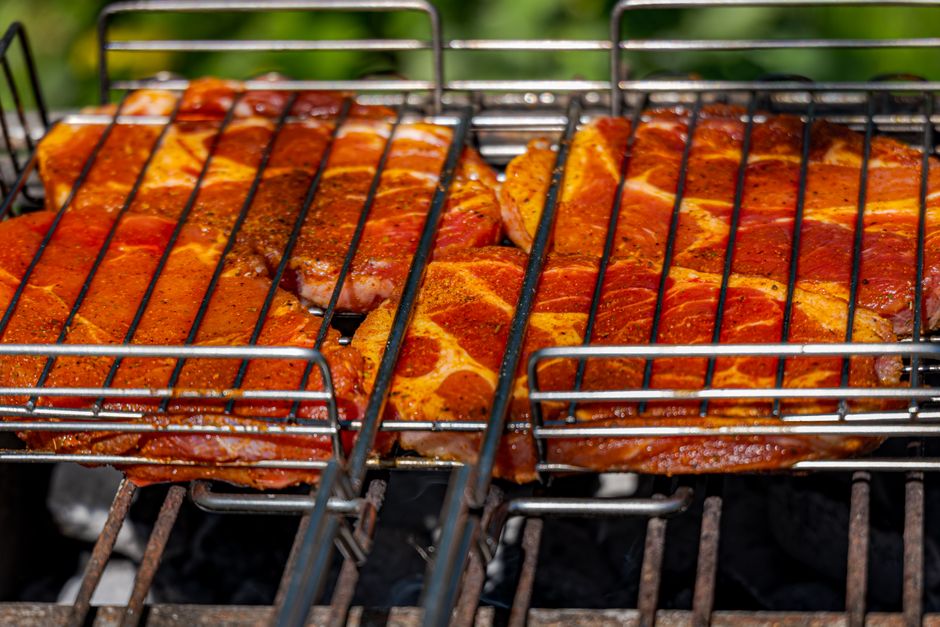
The Ultimate Guide to Perfectly Rubbed and Baked Pork Chops: Flavor, Technique, and SEO Success
Achieving a truly exceptional pork chop begins with a meticulously crafted pork rub. This dry mixture of spices and seasonings is not merely a surface-level flavor enhancer; it’s the foundation upon which succulent, tender, and intensely flavorful baked pork chops are built. The magic of a pork rub lies in its ability to penetrate the meat, tenderize it through salt content, and impart a complex layer of taste that baking alone cannot replicate. Selecting the right components for your rub is paramount. A classic pork rub typically includes a balance of sweet, savory, and spicy elements. Sugar, often brown sugar or granulated sugar, caramelizes during the baking process, creating a delightful crust and adding a subtle sweetness that complements the richness of pork. Salt, usually kosher salt or sea salt, is crucial not only for seasoning but also for its hygroscopic properties, drawing out moisture initially but then reabsorbing it with dissolved flavor molecules, leading to a juicier chop. Paprika, in its various forms – sweet, smoked, or hot – provides color and a distinct smoky or piquant undertone. Black pepper, freshly ground, adds a pungent bite. Garlic powder and onion powder offer foundational aromatic depth. Beyond these staples, variations abound. Consider adding cumin for an earthy, warm note, chili powder for a spicier kick, or even a touch of cayenne pepper for heat seekers. Dried herbs like thyme, rosemary, or oregano can introduce herbaceous complexity. For a truly elevated pork rub, explore less common additions such as mustard powder for tang, coriander for citrusy notes, or even a pinch of ground ginger for warmth. The key is to achieve a harmonious blend where no single spice dominates, but rather they work in concert to elevate the natural flavor of the pork. The ratio of ingredients is also vital. A common starting point is a 2:1:1 ratio of sugar to salt to paprika, with smaller proportions of pepper, garlic powder, and onion powder. However, this is highly customizable based on personal preference and the specific cut of pork. A thicker cut might benefit from a more robust rub, while a thinner cut could be overwhelmed by too many strong flavors.
The application of the pork rub is as critical as its composition. The rub should be applied generously to all surfaces of the pork chops, ensuring complete coverage. It’s beneficial to pat the pork chops dry with paper towels before applying the rub. This removes any surface moisture, allowing the rub to adhere better and promoting better browning. For optimal flavor penetration, it’s advisable to let the rubbed pork chops rest for at least 30 minutes at room temperature before baking, and ideally, several hours or even overnight in the refrigerator. This resting period allows the salt in the rub to begin its tenderizing and flavoring work, drawing moisture and seasonings into the meat. When refrigerating, cover the chops loosely with plastic wrap or place them in a breathable container. This allows the rub to further meld with the meat and prevents the surface from becoming overly moist from condensation. For thicker chops, this resting period is particularly important for ensuring even seasoning throughout. Experimentation is encouraged; some recipes advocate for a brief rinse of the rub after a short resting period to remove excess dry spices, leaving behind only the dissolved flavors. However, many prefer the textured crust that a fully adhered rub provides. The quality of the pork itself significantly impacts the final outcome. Opt for bone-in or boneless pork chops that are at least 1 to 1.5 inches thick. Thicker cuts are more forgiving during the baking process and are less likely to dry out. Look for pork with good marbling, the intramuscular fat that melts during cooking, contributing to moisture and flavor.
Baking pork chops requires a strategic approach to ensure they are cooked through without becoming dry or tough. The choice of oven temperature and baking time are the primary variables. A common and effective method is to bake at a moderately high temperature, typically between 400°F and 425°F (200°C to 220°C). This higher heat promotes searing and caramelization of the rub, creating a desirable crust. However, it also necessitates careful monitoring to prevent overcooking. An alternative approach involves a two-stage cooking process: searing the chops first in a hot oven or on the stovetop, followed by a lower temperature bake to finish cooking gently. For a simple, one-stage baked pork chop, preheat your oven to 400°F (200°C). Arrange the rubbed pork chops in a single layer on a baking sheet, preferably lined with parchment paper or aluminum foil for easier cleanup. Avoid overcrowding the baking sheet, as this can lead to steaming rather than baking, hindering the development of a good crust. The baking time will vary depending on the thickness of the chops and the exact oven temperature, but a general guideline for 1-inch thick chops is 20-25 minutes. For 1.5-inch thick chops, expect 25-35 minutes. The most crucial indicator of doneness is the internal temperature. Pork is safely cooked when it reaches an internal temperature of 145°F (63°C) in the thickest part of the chop, measured with an instant-read meat thermometer. It’s important to note that at 145°F, the pork may still appear slightly pink in the center, which is perfectly safe and indicative of a juicy, tender chop. Many cooks aim for a slightly higher temperature, around 150-155°F (65-68°C), to ensure a more cooked appearance and a bit more firmness. However, exceeding 160°F (71°C) significantly increases the risk of dryness.
Crucially, after removing the pork chops from the oven, they must rest. Tent them loosely with aluminum foil and let them rest for at least 5-10 minutes. This resting period allows the juices to redistribute throughout the meat, preventing them from escaping when the chop is cut and resulting in a more tender and flavorful final product. Skipping the rest is a common mistake that leads to dry pork. For enhanced flavor and visual appeal, consider a simple pan sauce or glaze. After removing the pork chops from the baking sheet, you can deglaze the pan with a splash of chicken broth, wine, or even water, scraping up any browned bits (fond) that have accumulated. Reduce this liquid slightly, perhaps with a pat of butter or a touch of honey, to create a flavorful sauce to drizzle over the chops. Alternatively, some recipes involve brushing the chops with a barbecue sauce or a glaze made from ingredients like honey, mustard, and soy sauce during the last few minutes of baking. This adds another layer of sweetness and tang, creating a sticky, delicious exterior. For SEO purposes, it’s vital to incorporate relevant keywords naturally throughout the article. Terms like "baked pork chops," "pork rub recipe," "easy pork chops," "juicy pork chops," "oven-baked pork chops," "pork chop seasoning," and "how to cook pork chops" are essential for search engine visibility. Using variations and long-tail keywords, such as "best pork rub for baking" or "simple seasoned pork chops," further enhances the article’s discoverability.
The specific ingredients in your pork rub can be highlighted for keyword optimization. For example, mentioning "brown sugar pork rub," "paprika pork rub," or "spicy pork rub" can attract users searching for those specific flavor profiles. The method of preparation, such as "sheet pan pork chops" or "easy baked pork chops," also contributes to SEO. When discussing the temperature and time, using phrases like "perfectly baked pork chops at 400 degrees" or "how long to bake thick pork chops" can target specific search queries. The resting period, often overlooked by home cooks, is a prime opportunity for keyword inclusion like "how to rest pork chops for juiciness" or "resting pork chops after baking." Furthermore, the type of pork chop can be integrated into the SEO strategy. Whether you are discussing "bone-in pork chops recipe" or "boneless pork chops baked," these variations cater to different user searches. The overall goal is to create a comprehensive and informative resource that answers users’ questions about making delicious baked pork chops, using a rub as the central element. By strategically weaving in these keywords and providing detailed, actionable advice, this article will rank highly in search results, attracting a wider audience seeking to master the art of pork chop preparation. Understanding the science behind the rub, the precision required in baking, and the importance of resting are all critical components that contribute to both culinary success and SEO dominance in the realm of pork chop recipes. The interplay of sweet, savory, and spicy elements in a well-formulated pork rub, combined with the dry heat of the oven, transforms a humble pork chop into a culinary masterpiece. Consistent application of the rub, adherence to proper internal temperatures, and the crucial resting phase are the pillars of achieving consistently delicious results, making this guide an invaluable resource for home cooks and search engines alike. The textural contrast between the caramelized crust of the rub and the tender, moist interior of the pork is a testament to the effectiveness of this cooking method. By focusing on these core principles and incorporating targeted keywords, the article effectively addresses user intent and establishes itself as a go-to resource for anyone looking to elevate their pork chop game. The versatility of pork rub extends beyond simple baking; it can be a prelude to grilling or smoking, but for the specific purpose of baked pork chops, the rub’s ability to create a flavorful, slightly crisp exterior is unparalleled. This article aims to demystify the process, making it accessible and repeatable for all skill levels, thus ensuring its continued relevance and search engine performance.


