
Light And Easy Greek Potato Salad

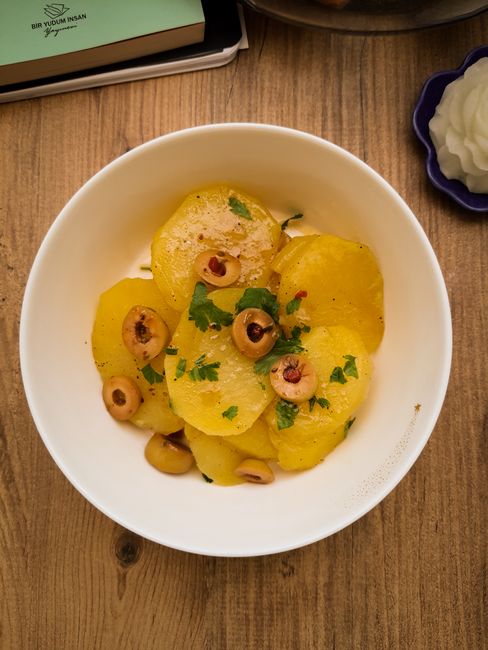
Light & Easy Greek Potato Salad: A Refreshing Twist on a Classic
This light and easy Greek potato salad is a vibrant, herb-infused departure from the heavier, mayonnaise-laden versions. Instead of relying on creamy dressings, this recipe celebrates the natural flavors of tender potatoes, crisp vegetables, and a zesty lemon-oregano vinaigrette. It’s the perfect side dish for grilled meats, fish, or a simple summer lunch. The beauty of this salad lies in its simplicity and the way the fresh ingredients harmonize. You’ll find yourself reaching for this recipe again and again, whether for a casual barbecue, a potluck, or a weeknight meal. The key to its success is using good quality potatoes and not overcooking them, ensuring they retain their shape and texture.
The foundation of this Greek potato salad is, of course, the potatoes. Opt for waxy or all-purpose varieties such as Yukon Gold, Red Bliss, or Fingerling potatoes. These types hold their shape well when boiled and are less likely to crumble, which is crucial for a visually appealing and texturally pleasing salad. Avoid starchy potatoes like Russets, as they tend to become mushy. The preparation of the potatoes is straightforward: wash them thoroughly, then boil them whole, unpeeled, in generously salted water until they are tender but still have a slight bite. This "al dente" stage is critical. Overcooked potatoes will disintegrate, turning your salad into a paste. The salt in the boiling water seasons the potatoes from the inside out, enhancing their natural flavor. Once cooked, drain them immediately and let them cool slightly before proceeding. While still warm, but manageable to handle, is the ideal time to cut them. This allows them to absorb the dressing more effectively. Cut them into bite-sized pieces, about 1-1.5 inches in size, ensuring uniformity for even distribution of flavors.
The supporting cast of vegetables in this Greek potato salad brings a burst of freshness and a delightful crunch. Red onion, thinly sliced, offers a pungent sweetness that mellows beautifully as it marinates. For a milder flavor, you can soak the sliced red onion in cold water for about 10 minutes before adding it to the salad; this process is called "blooming" and effectively reduces its sharpness. Cucumbers, with their cool, crisp texture, add another layer of refreshment. English cucumbers, with their thin skin and fewer seeds, are an excellent choice, eliminating the need for peeling and deseeding. Simply dice them into bite-sized pieces. Kalamata olives, brine-cured and intensely flavorful, are essential for that authentic Greek essence. Their salty, slightly fruity notes are a perfect counterpoint to the other ingredients. If Kalamata olives aren’t readily available, other high-quality Greek or black olives can be substituted, though the flavor profile will be slightly different. Cherry tomatoes, halved or quartered depending on their size, contribute a burst of juicy sweetness and a vibrant pop of color. Their acidity also helps to balance the richness of the olive oil.
The aromatic heart of this Greek potato salad lies in its generous use of fresh herbs. Fresh dill and fresh parsley are the stars. Dill, with its feathery fronds and distinct anise-like flavor, is a classic pairing with potatoes and adds a bright, herbaceous note. Parsley, preferably flat-leaf (Italian) parsley for its more robust flavor, contributes a clean, slightly peppery taste that complements the other ingredients. Don’t be shy with the herbs; a generous amount is key to achieving that signature Greek flavor. Finely chop both the dill and parsley to ensure they are evenly distributed throughout the salad. If fresh herbs are not available, dried herbs can be used in a pinch, but the flavor will be less vibrant. Use about one-third the amount of dried herbs as fresh. The combination of these two herbs creates a wonderfully fragrant and flavorful salad.
The dressing for this light Greek potato salad is what truly sets it apart. It’s a simple yet incredibly effective vinaigrette, focusing on bright, citrusy, and herbaceous notes. The base is extra virgin olive oil, the cornerstone of Mediterranean cuisine. Use a good quality olive oil for the best flavor; its fruity and slightly peppery notes will shine through. Freshly squeezed lemon juice provides the essential acidity, cutting through the richness and adding a zesty tang. The juice of one to two lemons is typically sufficient, depending on your preference for tartness. Dried oregano, the quintessential herb of Greece, is another vital component. Its earthy, slightly bitter flavor is distinctive and pairs exceptionally well with potatoes and lemon. Ensure your oregano is fresh; stale oregano loses its potency. A pinch of red pepper flakes can be added for a subtle hint of heat, though this is entirely optional and can be adjusted to your liking. Garlic, minced very finely or even grated, adds a pungent depth of flavor. Use fresh garlic for the best results; dried garlic powder won’t provide the same intensity.
Combining the elements of this Greek potato salad is an exercise in gentle mixing to preserve the integrity of the ingredients. Once the potatoes are cooked and cut, and the vegetables are prepped, place them all in a large mixing bowl. In a separate small bowl or jar, whisk together the olive oil, lemon juice, dried oregano, red pepper flakes (if using), and minced garlic. Season this vinaigrette generously with salt and freshly ground black pepper. Taste and adjust the seasoning as needed. Pour the dressing over the potato mixture. Gently toss everything together, ensuring that the dressing coats all the ingredients evenly. Avoid vigorous stirring, which can break down the potatoes. The goal is to coat, not to mash.
For optimal flavor, this Greek potato salad benefits from a chilling period. Once dressed, cover the bowl and refrigerate for at least 30 minutes, or preferably for a couple of hours. This allows the flavors to meld and deepen. The warm potatoes will absorb the vinaigrette, and the raw vegetables will soften slightly while retaining their crunch. The chilling process also allows the garlic and herbs to infuse their flavors into the entire salad. If you are pressed for time, you can serve it immediately, but the flavor development will be less pronounced.
Serving suggestions for this versatile Greek potato salad are abundant. It’s an ideal accompaniment to grilled lamb chops, chicken souvlaki, or grilled fish like sea bass or branzino. It also makes a fantastic side for burgers or a simple steak. For a vegetarian or vegan option, pair it with grilled halloumi cheese, falafel, or a lentil stew. It’s also a perfect addition to a picnic basket or a potluck spread, holding up well at room temperature for a reasonable period. You can also transform it into a light lunch by adding some crumbled feta cheese and a few more olives, serving it alongside some crusty bread. A sprinkle of fresh dill and parsley as a garnish just before serving will enhance both the visual appeal and the aroma of the finished dish.
Variations on this light and easy Greek potato salad are simple and can be tailored to individual preferences. For added protein and a creamier texture, consider adding some crumbled feta cheese. The salty tang of feta is a natural fit for Greek flavors. Some finely chopped red bell pepper can add another layer of sweetness and color. Capers, with their briny, vinegary pop, can also be a delightful addition. For a spicier kick, increase the red pepper flakes or add a finely chopped jalapeño pepper. If you prefer a less acidic dressing, you can reduce the amount of lemon juice and perhaps add a teaspoon of honey or a touch of Dijon mustard to emulsify the dressing slightly. Experimenting with different types of olives, such as Castelvetrano olives for their buttery flavor, can also offer a subtle shift in taste. Some people enjoy adding a few tablespoons of chopped artichoke hearts for an extra dimension of flavor and texture.
When it comes to storing this Greek potato salad, it’s best to keep it refrigerated. It will typically keep well in an airtight container in the refrigerator for 3-4 days. The flavors tend to develop further on the second day. Ensure it is properly chilled before serving and avoid leaving it out at room temperature for extended periods, especially during warm weather, due to the raw vegetables and herbs. If the salad seems a bit dry after refrigerating, you can always add a little extra drizzle of olive oil or a squeeze of lemon juice just before serving.
The SEO benefits of this article stem from its comprehensive coverage of a popular dish, using relevant keywords naturally. Terms like "Greek potato salad," "easy potato salad recipe," "light potato salad," "herb potato salad," "lemon oregano dressing," and "Mediterranean potato salad" are woven throughout the text. The detailed breakdown of ingredients, preparation steps, serving suggestions, and variations makes it a valuable resource for anyone searching for this specific recipe. The focus on freshness, simplicity, and a lighter approach also appeals to a growing audience seeking healthier meal options. This article aims to be a definitive guide, addressing common questions and offering practical tips for achieving the perfect light and easy Greek potato salad. The emphasis on ingredient quality and technique ensures that readers can confidently recreate this delicious dish, leading to increased engagement and sharing of the content. The structured format with clear headings and bullet points (implied through descriptive paragraphs) also aids in readability and search engine indexing.


