Beets On The Grill
Beets on the Grill: A Comprehensive Guide to Roasting Nature’s Sweetest Root Vegetable
Grilling beets unlocks a remarkable transformation, elevating their earthy sweetness into a complex, caramelized delight. This primal cooking method, employing direct or indirect heat from a grill, concentrates their natural sugars, creating tender morsels with a smoky char that surpasses any oven-roasted preparation. The process itself is straightforward, but understanding the nuances of beet selection, preparation, and grilling techniques is crucial for achieving optimal results. From ruby red to golden and striped varieties, each beet type brings a unique character to the grill. Red beets, the most common, offer an intense sweetness and vibrant color that can stain, while golden beets are milder and less prone to bleeding. Chioggia, or candy stripe, beets boast stunning concentric rings and a delicate, nutty flavor. Regardless of the variety chosen, freshness is paramount. Look for firm, unblemished roots with smooth skins and vibrant greens still attached, indicating recent harvesting. Avoid beets that are soft, shriveled, or have excessive root damage. The size of the beet also plays a role; smaller to medium-sized beets tend to cook more evenly and quickly on the grill, while larger specimens may require more time and potentially a lower, indirect heat approach.
Preparation is the foundational step for successful grilled beets. Thoroughly washing the beets is essential to remove any clinging soil. A stiff vegetable brush is ideal for this task. Depending on your preferred method, you can grill beets whole, halved, or sliced. Grilling whole beets, while requiring the longest cooking time, yields the most intense, concentrated flavor. The skin acts as a natural protective layer, steaming the beet from within and preventing excessive moisture loss. If opting for whole beets, it’s recommended to trim the greens and root tail, leaving about an inch of the stem attached to prevent bleeding. For faster cooking and more uniform charring, halving or quartering larger beets is advisable. Slice them into uniform pieces, approximately ½ to ¾ inch thick, to ensure even heat penetration. Thinly sliced beets, while quick to cook, risk becoming too soft or even incinerated if not carefully monitored. For those seeking a more manageable grilling experience, wrapping prepared beets in foil is a popular and effective technique. This method essentially creates a steam packet, tenderizing the beets while infusing them with smoky flavor from the grill. Seasoning is key to enhancing the natural sweetness of the beets. A simple drizzle of olive oil or another high-heat cooking oil, followed by a generous pinch of salt and freshly ground black pepper, is a good starting point. Other complementary seasonings include garlic powder, onion powder, smoked paprika, or even a touch of brown sugar or maple syrup for an extra layer of caramelization. For a more complex flavor profile, consider adding fresh herbs like thyme, rosemary, or sage to the foil packets or directly onto the beets before grilling.
The grilling process for beets can be approached using both direct and indirect heat methods, each offering distinct advantages. Direct heat, where the food is placed directly over the heat source, is ideal for smaller, uniformly cut beets or those wrapped in foil. It provides intense heat for quick searing and caramelization. Preheating your grill to a medium-high heat (around 400-450°F or 200-230°C) is crucial for achieving a good char. For whole or larger halved/quartered beets, indirect heat is often the preferred method. This involves arranging the coals or turning off the burners on one side of the grill, creating a cooler zone away from the direct flame. This allows the beets to cook through gently without burning the exterior. If using charcoal, arrange the hot coals on one side of the grill. If using a gas grill, preheat all burners to medium-high, then turn off half of them. Place the beets on the cooler side of the grill for cooking. For foil-wrapped beets, the direct heat method can be effective, as the foil provides a buffer. Place the foil packets directly over the heat source, turning them occasionally. For un-wrapped, halved, or quartered beets, direct grilling can also work, but requires more vigilance to prevent burning. Place them cut-side down over direct heat for initial searing, then flip and move to indirect heat to finish cooking. The cooking time for grilled beets varies significantly based on their size, preparation method, and the heat of your grill. Whole beets can take anywhere from 45 minutes to over an hour, even on indirect heat. Halved or quartered beets typically require 20-30 minutes, while thinly sliced beets might be done in 10-15 minutes. The best indicator of doneness is tenderness. Pierce the beets with a fork or skewer; they should yield easily. Overcooked beets will become mushy and lose their appealing texture.
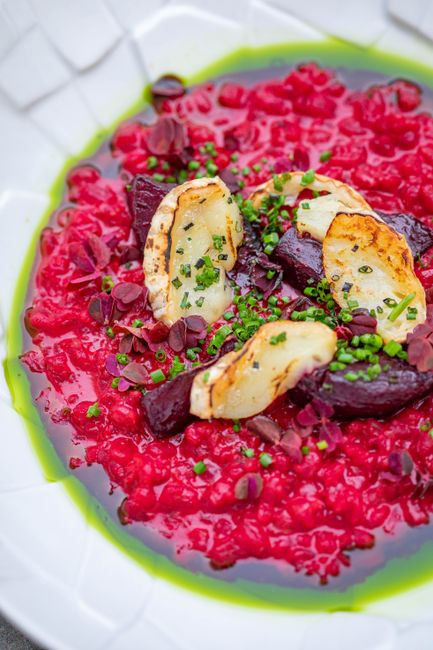
Once grilled to perfection, a world of culinary possibilities opens up for your beets. The natural sweetness and smoky undertones make them incredibly versatile. Cooling the beets slightly after grilling makes them easier to handle for further preparation. Peeling the skin, which will have softened considerably, is a simple matter of rubbing it off with a paper towel or using a small paring knife. This reveals the vibrant, tender flesh beneath. Grilled beets can be served warm as a side dish, showcasing their inherent flavors. A simple drizzle of balsamic glaze, a sprinkle of crumbled feta or goat cheese, and a scattering of toasted walnuts or pecans create a classic and elegant preparation. Fresh herbs like parsley, chives, or mint add a refreshing counterpoint to the richness of the beets. For a more substantial meal, grilled beets can be incorporated into salads, grain bowls, or even pasta dishes. Their earthy sweetness pairs beautifully with peppery arugula, creamy avocado, and tangy vinaigrettes. When making a beet salad, consider combining them with other grilled vegetables such as asparagus, zucchini, or bell peppers for a vibrant and flavorful medley. The caramelized edges of the grilled beets add a delightful textural contrast to softer ingredients. They can also be pureed into a vibrant soup or sauce, offering a unique depth of flavor. A dollop of crème fraîche or Greek yogurt provides a cooling contrast to the concentrated beet flavor. For a stunning appetizer, consider serving thinly sliced grilled beets on crostini, topped with ricotta cheese and a drizzle of honey. The inherent sweetness of the beets, amplified by the grilling process, also lends itself well to more adventurous flavor pairings. Consider incorporating them into dishes with citrus elements, such as orange segments or lemon zest, to brighten their flavor profile. Spicy elements, like a pinch of chili flakes or a drizzle of sriracha, can also create an intriguing sweet and savory contrast.
Beyond the immediate enjoyment, understanding the health benefits of beets amplifies their appeal as a grilling staple. Beets are a nutritional powerhouse, packed with essential vitamins, minerals, and antioxidants. Their vibrant color is a testament to the presence of betalains, potent antioxidants known for their anti-inflammatory properties and potential to support detoxification. These compounds may play a role in protecting cells from damage and reducing the risk of chronic diseases. Beets are also a good source of dietary fiber, which is crucial for digestive health, promoting regularity, and contributing to a feeling of fullness, which can aid in weight management. The fiber content also helps to regulate blood sugar levels, making beets a beneficial addition to a balanced diet. Furthermore, beets are rich in folate (vitamin B9), essential for cell growth and DNA formation, and manganese, which plays a role in bone health and metabolism. They also contain notable amounts of potassium, important for maintaining healthy blood pressure, and vitamin C, a powerful antioxidant that supports the immune system. One of the most well-known benefits of beets is their impact on cardiovascular health. They are a natural source of nitrates, which the body converts into nitric oxide. Nitric oxide helps to relax and widen blood vessels, improving blood flow and potentially lowering blood pressure. Regular consumption of beets has been linked to improved exercise performance due to their ability to enhance oxygen utilization. For athletes or individuals seeking to boost their physical capabilities, incorporating grilled beets into their diet can be a strategic choice. The natural sugars in beets, while present, are accompanied by a wealth of nutrients, making them a far healthier alternative to processed sweets. Their ability to be grilled without significant loss of their nutritional integrity further enhances their value as a health-conscious culinary ingredient.
Optimizing your grilling experience for beets involves a few key considerations to ensure consistently delicious results and to maximize their appeal for search engines. When it comes to SEO, incorporating relevant keywords naturally throughout the article is paramount. Terms like "grilled beets," "roasting beets on grill," "barbecue beets," "easy beet recipe," "healthy grilled vegetables," and "sweet and savory beets" should be integrated thoughtfully. The article’s structure, with clear headings and subheadings, not only enhances readability for users but also helps search engines understand the content’s hierarchy and relevance. Focusing on actionable advice and detailed instructions appeals to users actively searching for this specific culinary technique. Highlighting the versatility of grilled beets, from simple side dishes to more complex preparations, broadens the appeal and attracts a wider audience. Emphasizing the health benefits provides valuable content that users interested in healthy eating are likely to seek out. Using descriptive language that evokes sensory experiences – "smoky char," "caramelized delight," "earthy sweetness," "vibrant color" – makes the content more engaging. Offering practical tips, such as troubleshooting common grilling problems (e.g., beets burning before cooking through) or suggesting variations in seasonings and pairings, adds significant value. For instance, a subheading like "Grilling Techniques for Perfectly Tender Beets" or "Flavor Pairings for Your Grilled Beets" would be highly beneficial. The advice on beet selection, preparation, and cooking times directly addresses user queries and provides comprehensive answers, which search engines favor. Furthermore, encouraging experimentation with different beet varieties and seasonings can lead to users discovering new and exciting ways to enjoy this vegetable, fostering repeat engagement. The educational aspect, detailing the nutritional benefits, positions the article as a reliable source of information, further enhancing its SEO value. Ultimately, a well-researched, detailed, and practically applicable article like this will naturally rank higher in search results due to its comprehensive nature and the direct fulfillment of user search intent.