Ballast Point Brewing Faces Threat of Operational Collapse Amid Legal Battle Over Unauthorized Multi-Million Dollar Loans

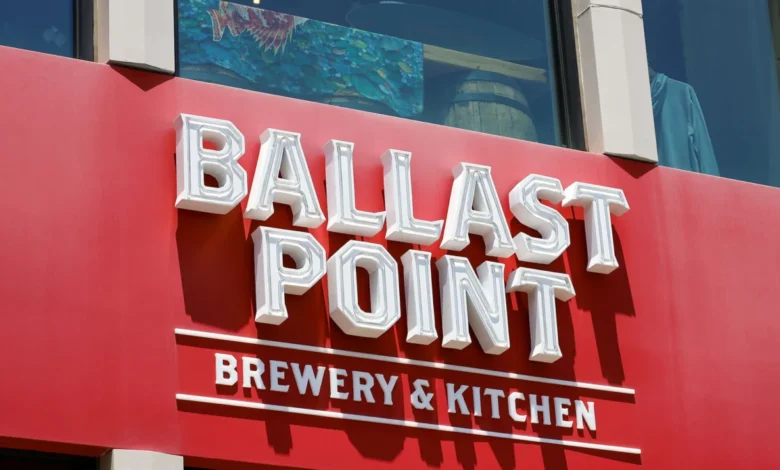
The craft beer industry, once characterized by explosive growth and billion-dollar valuations, is currently witnessing a high-stakes legal confrontation involving one of its most storied pioneers. Ballast Point Brewing, the San Diego-based company that became a symbol of the craft beer "gold rush" in the mid-2010s, is reportedly facing the imminent threat of "operational collapse." This dire warning comes from within its own ownership group, Kings & Convicts Holding Co., LLC, as members engage in a fierce legal battle over allegations of unauthorized financial dealings, embezzlement, and a lack of corporate transparency.
The conflict centers on two civil complaints filed in April, which allege that William Trzos, a prominent member of the Kings & Convicts ownership group, secured $3 million in loans from three separate lenders without the knowledge or authorization of the other board members. According to court filings reviewed by the San Diego Union-Tribune, these financial maneuvers have left the brewery—once the crown jewel of the craft beer world—in a state of extreme financial instability, characterized by garnished bank accounts and intercepted revenue streams.
The Core Allegations: Unauthorized Loans and Financial Secrecy
The legal proceedings paint a picture of a fractured leadership team. The plaintiffs, who comprise the remainder of the board at Kings & Convicts Holding Co., claim that Trzos acted unilaterally to obtain high-interest loans between mid-2025 and February of the current year. The complaints allege that the board only became aware of these obligations when the lenders themselves approached the group to collect outstanding dues.
In addition to the unauthorized nature of the loans, the plaintiffs have leveled accusations of embezzlement against Trzos. They argue that the $3 million in debt was not used for the benefit of Ballast Point’s operations but was instead part of a pattern of financial mismanagement that has put the brewery’s continued existence in jeopardy. The filings suggest that the brewery’s bank accounts have already been targeted for garnishment, a legal process where a creditor seizes funds directly from a debtor’s account, often leading to immediate cash flow crises that prevent a business from paying staff or suppliers.
Trzos, for his part, has mounted a defense based on his majority stake in the company. Filings from the defendant’s legal team assert that as a 55 percent owner of Kings & Convicts Holding Co., Trzos had the authority to manage financial arrangements. Furthermore, Trzos claims that the board has unfairly retaliated against him by denying him access to the company’s financial records. While Trzos maintains that he has already repaid approximately $2 million of the debt in question, the plaintiffs have countered that no proof of such repayment has been provided to the board or the court.
A Timeline of Ballast Point: From Homebrew Shop to Billion-Dollar Brand
To understand the gravity of the current legal struggle, one must look back at the meteoric rise and subsequent volatility of the Ballast Point brand. The company’s journey serves as a microcosm of the broader trends within the American craft beer industry over the last three decades.
1996: The Foundations
Ballast Point was founded by Jack White in the back of Home Brew Mart, a supply shop in San Diego. It quickly became a cornerstone of the city’s burgeoning craft scene, gaining a reputation for high-quality, innovative brews that pushed the boundaries of traditional styles.
2005–2014: The Sculpin Phenomenon
The release of Sculpin IPA changed everything for Ballast Point. The beer became a national sensation, winning numerous awards and defining the "West Coast IPA" style. Its success fueled rapid expansion, allowing the brewery to open multiple taprooms and distribution networks across the United States.
2015: The Billion-Dollar Acquisition
At the height of the craft beer acquisition craze, Constellation Brands—the parent company of Corona and Modelo—purchased Ballast Point for a staggering $1 billion. At the time, the deal was seen as a sign that craft beer had reached permanent mainstream dominance. However, industry analysts later viewed the price tag as a peak-market overvaluation.
2019–2020: The Shift to Kings & Convicts
By late 2019, the craft beer market had cooled, and Constellation Brands began taking significant impairment charges on the Ballast Point brand. In a move that shocked the industry, Constellation sold the brewery to Kings & Convicts Holding Co., a relatively small and obscure craft brewery based in Highwood, Illinois. The sale price was not disclosed but was widely understood to be a fraction of the original $1 billion valuation.
2021–2024: Navigating a Changing Market
Under the leadership of Kings & Convicts, Ballast Point attempted to return to its "independent" roots. However, the brewery faced a difficult post-pandemic landscape, characterized by rising aluminum costs, changing consumer preferences toward spirits and hard seltzers, and a crowded retail shelf.
2025–2026: Internal Strife and Legal Action
The current legal battle began to take shape in mid-2025, coinciding with the period when Trzos allegedly began seeking outside financing. The culmination of these tensions led to the April lawsuits and the recent revelations of the brewery’s precarious financial state.
Operational Consequences and the San Francisco Closure
The financial strain described in the lawsuits is already manifesting in the brewery’s physical footprint. Just three weeks prior to the public emergence of the legal dispute, Ballast Point abruptly shuttered its high-profile taproom in San Francisco’s Mission Bay neighborhood. The closure of such a prominent location—situated near the Chase Center—served as an early warning sign of deeper internal issues.
While many breweries have closed locations in recent years due to high rents and shifting foot traffic, the plaintiffs in the current lawsuit suggest that Ballast Point’s troubles are uniquely tied to the "unauthorized obligations" incurred by Trzos. The "intercepted revenue" mentioned in the court filings suggests that the company may be struggling to maintain the daily cash flow necessary to keep multiple taprooms operational.
For employees and fans of the brand, the phrase "operational collapse" is particularly alarming. In the brewing industry, an operational collapse typically involves the inability to purchase raw materials like malt and hops, the loss of distribution contracts due to supply inconsistency, and the eventual failure to meet payroll obligations.
Legal Perspectives and the Road to Mediation
The legal representatives for both sides have expressed a cautious openness to resolving the matter outside of a full trial. Michael Buley, the attorney representing William Trzos, admitted to reporters that even he is still "drilling down" on the facts regarding why his client signed the three financial agreements in question. Buley’s admission that he does not yet have a clear answer as to why the loans were sought underscores the complexity and perhaps the lack of internal communication that led to the crisis.
During recent ex parte hearings—proceedings brought by one party without the presence of the other for the sake of expediency—the San Diego Superior Court judge noted that both the plaintiffs and the defendant expressed a willingness to discuss mediation. Mediation could offer a way for the ownership group to restructure its debt or reorganize its leadership without the brand suffering the finality of a bankruptcy filing or a complete shutdown.
However, the path to a settlement is hindered by the fundamental disagreement over ownership rights and financial transparency. If Trzos maintains that his 55 percent stake granted him the right to act as he did, and the other board members maintain that corporate bylaws were violated, the deadlock may persist.
Broader Implications for the Craft Beer Industry
The situation at Ballast Point is a cautionary tale for the craft beer industry at large. It highlights the risks associated with private equity-style ownership structures and the volatility that can occur when a legacy brand is passed between different holding companies.
The craft beer sector is currently in a "correction" phase. According to data from the Brewers Association, while the number of operating breweries remains at record highs, production growth has flattened, and the era of massive acquisitions has largely ended. The financial struggles of a brand as recognizable as Ballast Point suggest that even established names are not immune to the pressures of debt and internal mismanagement.
Furthermore, the legal battle emphasizes the importance of corporate governance in the craft world. Many breweries started as small, passion-driven projects where formal board structures and strict financial oversight were secondary to the quality of the beer. As these companies grow into multi-state entities with millions of dollars in turnover, the lack of rigorous corporate controls can lead to the very type of "unauthorized" activity alleged in the Kings & Convicts case.
Conclusion and Upcoming Proceedings
As the August 14 hearing approaches, the future of Ballast Point Brewing remains uncertain. The "San Diego-based brewery, once valued at $1 billion dollars," now finds its fate in the hands of the San Diego Superior Court. Whether the ownership group can reach a mediation agreement or if the brewery will succumb to the weight of its "unauthorized obligations" will be the defining story of the brand’s next chapter.
For now, the brewery continues to operate its remaining locations, but the shadow of "imminent threat" hangs over its production facilities and taprooms. The outcome of this case will not only determine the survival of Ballast Point but will also serve as a significant precedent for how internal disputes and unauthorized financial maneuvers are handled within the modern craft beer landscape. Industry observers, creditors, and loyal consumers alike will be watching closely as the legal process unfolds, hoping that the pioneer of the Sculpin IPA can find a way to navigate these turbulent waters.