When consumers think of rosé wine, the conversation almost invariably leads to France. For decades, the pale, bubble-gum pink expressions originating from the sun-drenched vineyards of Provence have dominated international wine lists, retail shelves, and consumer consciousness. However, a quiet revolution is taking place across the Pyrenees. Winemakers in Spain are producing exceptional pink wines—locally known as Rosado—that challenge the dominance of their French counterparts. Far from being an afterthought or a byproduct of red wine production, Spanish Rosado represents a distinct category of winemaking that combines indigenous grape varieties, historic regions, and innovative blending techniques.
This exploration forms part of an ongoing educational initiative known as the Wine Tasting Challenge, a structured program designed to systematically expand participants’ palates across 34 distinct wine styles originating from 12 countries. By stepping outside traditional comfort zones, wine enthusiasts are increasingly discovering that Spain’s pink offerings deliver a complexity and depth rarely found in mass-market commercial rosés.
The Anatomy of Spanish Rosado: Breaking the French Mold
To understand what sets Spanish Rosado apart from the established styles of Provence, Bandol, or Tavel, one must examine the raw materials: the grapes. While French rosés rely heavily on Mediterranean varieties like Grenache, Cinsault, and Syrah, Spanish winemakers frequently utilize a uniquely domestic palette.
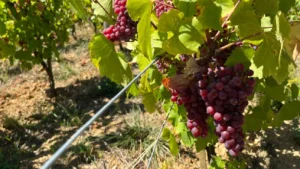
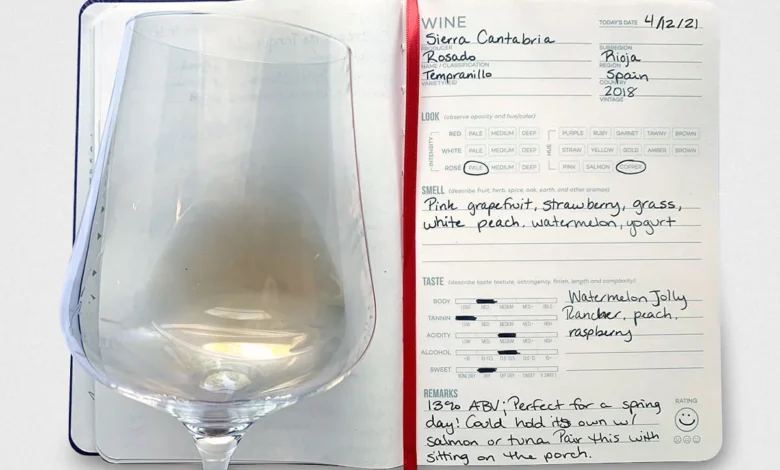
A prime example of this philosophy is found in the Rioja region, widely celebrated for producing some of Spain’s most prestigious and age-worthy red wines. The 2018 Sierra Cantabria Rosado exemplifies this regional identity through an unconventional blend of three quintessentially Spanish grapes: Tempranillo, Garnacha, and Viura.
Rather than relying solely on red wine grapes, winemakers frequently incorporate white grapes into the blend—most notably Viura, also known as Macabeo. Traditionally recognized as the primary blending component in Spain’s sparkling Cava, Viura introduces high natural acidity and bright citrus notes to the wine. When married with the vibrant red fruit characteristics of Garnacha and the structural backbone of Tempranillo, the result is a masterclass in modern wine blending.
Tasting Profile: The 2018 Sierra Cantabria Rosado
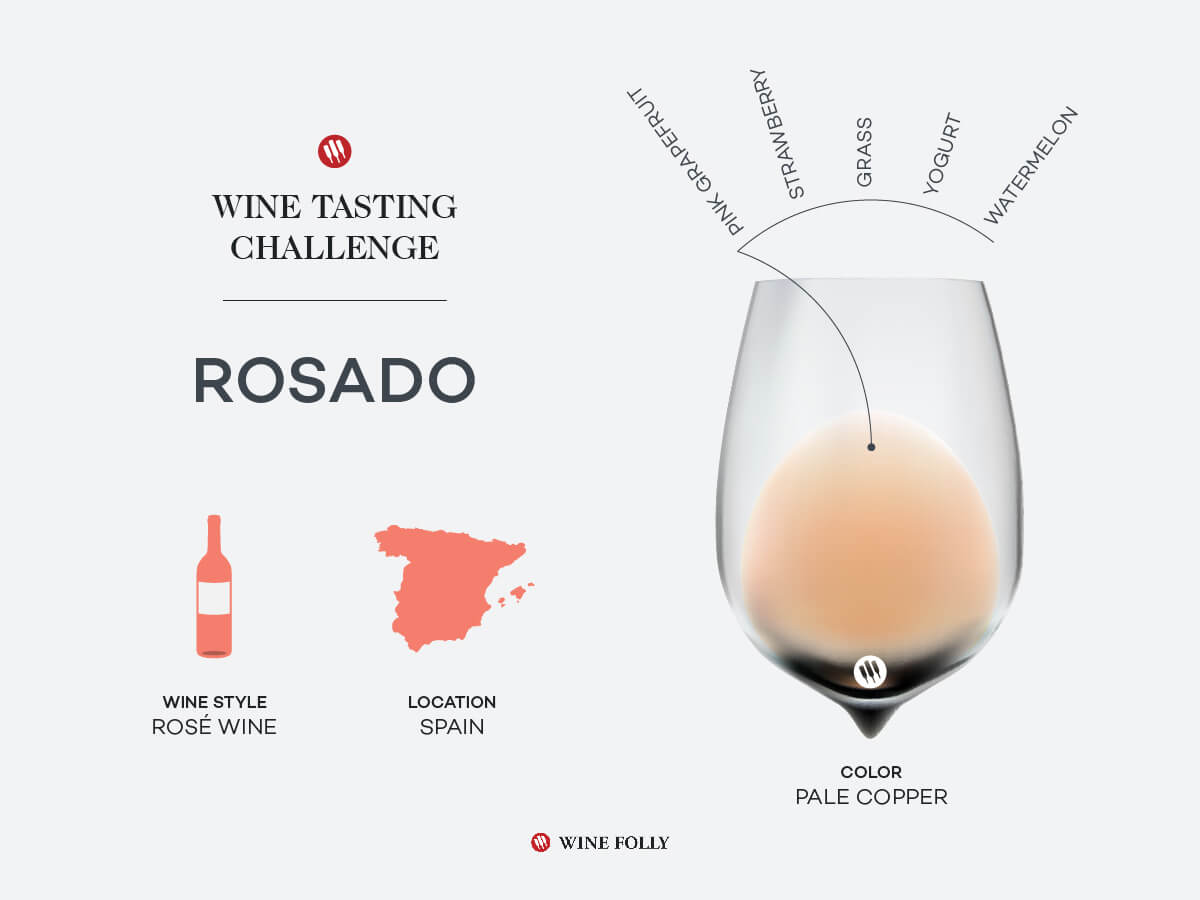
A sensory evaluation of the 2018 Sierra Cantabria Rosado reveals a departure from the ultra-pale aesthetic popularized in southern France. Visually, the wine presents a striking pale copper hue, signaling a richer extraction and deeper phenolic complexity.

Upon opening, the aromatic profile is intensely layered, featuring distinct notes of pink grapefruit, fresh wild strawberry, crushed green grass, white peach, watermelon, and a subtle lactic undertone reminiscent of fresh yogurt. On the palate, the wine delivers vibrant flavors mirroring watermelon confections, ripe peach, and tart raspberry, anchored by a refreshing, herbaceous green finish.
From a culinary perspective, this style of Rosado transcends the casual patio sipper category. While its bright acidity and moderate alcohol make it an ideal pairing for warm-weather outdoor dining, its structural weight allows it to complement delicate seafood such as flounder and shellfish, as well as richer, oilier fish including tuna and salmon. Furthermore, its natural affinity for traditional Spanish tapas underscores its deep cultural integration.
Chronology of the Craft: From Red-Grape Byproduct to Premier Varietal
Historically, pink wines across Europe were often created via the saignée (bleeding) method, a process where juice is drawn off red wine vats early in fermentation to concentrate the remaining red wine. While efficient, this technique historically relegated rosé to a secondary status, treating it as a byproduct rather than an intentional creation.
Over the past two decades, however, Spanish producers have increasingly adopted targeted rosé production methods. Rather than treating pink wine as an afterthought, vineyards began harvesting grapes specifically destined for Rosado, ensuring optimal ripeness, balanced sugar levels, and retained acidity.
During the late 2000s and 2010s, international demand for dry, crisp rosé skyrocketed. While French producers capitalized on this trend through aggressive marketing of pale, fruit-forward styles, Spanish producers leveraged their diverse indigenous varietals to carve out a unique market segment. Regions traditionally known exclusively for bold reds—such as Rioja, Ribera del Duero, and Navarra—began investing heavily in temperature-controlled fermentation and specialized blending trials to elevate the status of Rosado.
Industry Analysis and Market Implications
The ascent of Spanish Rosado reflects broader shifts in consumer behavior within the global wine market. Industry analysts note a growing consumer fatigue with homogenous wine styles and an increasing appetite for regional authenticity.
According to market research data, premium rosé sales have experienced sustained global growth, driven largely by consumers aged 25 to 44 who prioritize terroir, food-friendliness, and narrative transparency over brand recognition. By utilizing indigenous varieties like Viura and Tempranillo, Spanish producers offer a compelling value proposition: higher complexity and distinct regional character at competitive price points.
Wine educators and sommeliers frequently emphasize that consumer perceptions of rosé have historically suffered from condescension, with the category dismissively labeled as simple "summer quaffing wine." However, as blind tastings and structured challenges like the Wine Tasting Challenge demonstrate, expertly crafted rosés require sophisticated agronomic and oenological expertise. Blending a powerhouse red grape like Tempranillo—known for its dark fruit profiles and drying tannins—with aromatic white grapes requires precise balance to avoid heaviness while maintaining refreshing acidity.
Broader Impact on Global Winemaking
The success of Spanish Rosado exerts subtle pressure on traditional stronghold regions like Provence. While French producers continue to command the highest market volume and pricing power, the international acclaim garnered by Spanish, Italian, and Greek rosé expressions proves that consumer loyalty is shifting toward diversity.
For wine merchants, digital retailers such as Wine Access, and independent bottle shops, expanding rosé portfolios beyond the standard French offerings has become a commercial necessity. Curated selections now routinely feature northern Spanish Rosados, dark-skinned Italian Cerasuolos, and Greek Xinomavro rosés, reflecting a more educated and adventurous consumer base.
Looking Forward: The Future of Pink Wine
As climate change alters traditional harvest timelines across Europe, winemakers face ongoing challenges in maintaining acidity and freshness in warm-climate regions. In Spain, the strategic inclusion of high-acid white varieties like Viura in Rosado blends offers a natural adaptive advantage, helping winemakers preserve structural balance without relying heavily on synthetic additives.
For the everyday consumer, the key takeaway is the importance of label literacy. Evaluating a bottle based solely on its color or country of origin often obscures the complex agricultural and oenological decisions happening inside the cellar. By examining the grape composition, regional microclimate, and blending philosophy, wine enthusiasts can unlock a deeper appreciation for styles that transcend borders.
Whether enjoyed alongside a traditional assortment of tapas on a warm spring afternoon or evaluated critically within the framework of a structured tasting challenge, Spanish Rosado stands as a testament to the versatility of Spain’s viticultural heritage. It is a style no longer content to sit in the shadow of its northern neighbors, but rather one demanding a permanent and respected place on the global wine stage.