
Spanish Chorizo And Tomato Scrambled Eggs

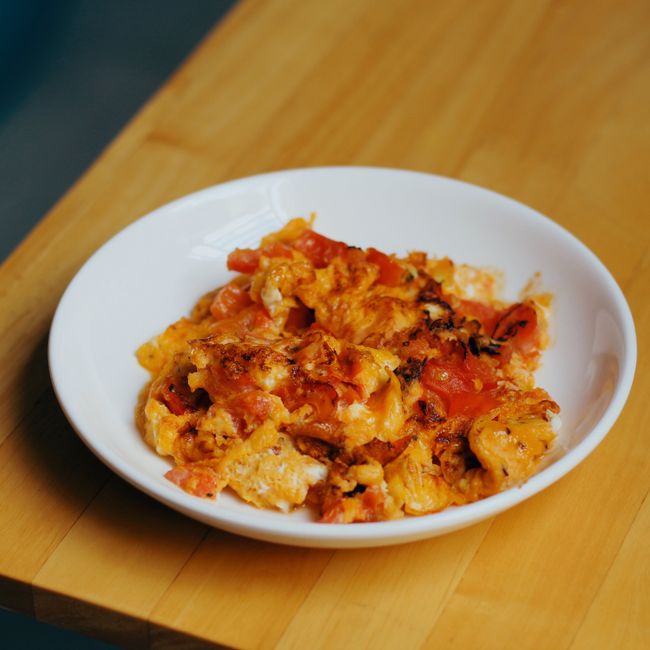
Spanish Chorizo and Tomato Scrambled Eggs: A Flavorful and Versatile Brunch Essential
Spanish chorizo and tomato scrambled eggs represent a culinary fusion that transcends the ordinary breakfast egg. This dish elevates the humble scrambled egg into a robust, flavorful, and satisfying meal, perfect for a leisurely brunch, a quick yet hearty lunch, or even a light dinner. The magic lies in the interplay of key ingredients: the smoky, spicy, and slightly fatty notes of Spanish chorizo, the sweet acidity of ripe tomatoes, and the creamy, custardy texture of perfectly cooked scrambled eggs. This combination is not just about sustenance; it’s a sensory experience, a celebration of simple, high-quality ingredients brought together to create something truly memorable. Understanding the nuances of each component and how they interact is crucial to achieving the optimal flavor profile and texture.
The star of this dish, Spanish chorizo, is a cured pork sausage with a distinctively rich flavor profile, owing to its generous inclusion of smoked paprika (pimentón) and garlic. Unlike its Mexican counterpart, which is typically fresh and cooked through, Spanish chorizo is usually dry-cured, meaning it can be eaten as is, although its flavors are most pronounced when gently rendered in a pan. There are two primary types of Spanish chorizo relevant to this recipe: chorizo picante (spicy) and chorizo dulce (sweet). For scrambled eggs, a chorizo picante will introduce a pleasant warmth and a subtle kick, while chorizo dulce offers a more mellow, smoky sweetness. The fat content of Spanish chorizo is also significant; as it cooks, it renders its vibrant red fat, which then infuses the other ingredients, providing a depth of flavor and a luxurious mouthfeel. The texture of the chorizo itself, once cooked, will be slightly firm and chewy, offering a pleasing contrast to the soft eggs. When selecting chorizo for this recipe, opt for authentic Spanish chorizo, identifiable by its deep red color and the presence of paprika in the ingredients list. Artisanal producers often offer superior quality and flavor. The curing process contributes to its shelf-stability and distinctive taste, setting it apart from other sausages. The smoky aroma that is released as it fries is an integral part of the sensory appeal of this dish.
Tomatoes, the second key player, bring a vital element of freshness, acidity, and sweetness to balance the richness of the chorizo. Ripe, juicy tomatoes are essential. While any tomato can be used, plum tomatoes (Roma) or vine-ripened tomatoes are excellent choices due to their lower water content and concentrated flavor. Cherry or grape tomatoes also work wonderfully, offering bursts of sweetness and a slightly firmer texture when cooked. The acidity of the tomatoes cuts through the fattiness of the chorizo, preventing the dish from becoming too heavy. When tomatoes are gently sautéed, their sugars caramelize, adding another layer of complex flavor. Their natural moisture also helps to steam and cook the eggs gently, contributing to a creamy texture. The vibrant color of the tomatoes also adds visual appeal to the dish, creating an attractive contrast with the red of the chorizo and the yellow of the eggs. For optimal results, dice the tomatoes into small, manageable pieces so they cook evenly and meld into the scrambled eggs. Avoid watery or underripe tomatoes, as they will dilute the flavor and texture. The sweetness of a perfectly ripe tomato is crucial, as it provides a natural counterpoint to the savory and spicy notes of the chorizo.
The eggs themselves are the canvas upon which these flavors are painted. For the best scrambled eggs, use fresh, high-quality eggs. The number of eggs per person can vary based on appetite, but typically 2-3 large eggs per person is a good starting point. The technique for scrambling is paramount. The goal is to achieve a creamy, custardy consistency, not dry, rubbery curds. This is best achieved by cooking the eggs over medium-low heat, stirring constantly, and removing them from the heat just before they are fully cooked, as they will continue to cook from residual heat. Adding a splash of milk, cream, or even a tablespoon of crème fraîche or yogurt towards the end of cooking can further enhance the creaminess and richness. The fat rendered from the chorizo will also contribute to the luxurious texture of the eggs. The specific type of egg can also influence the outcome; free-range eggs often have richer yolks and a more robust flavor. Whisking the eggs thoroughly before cooking is important for an even texture, ensuring the yolks and whites are fully incorporated. Overcrowding the pan with too many eggs can lead to uneven cooking, so it’s best to cook in batches if necessary.
The preparation process for Spanish chorizo and tomato scrambled eggs is relatively straightforward, yet requires attention to detail at each stage. Begin by preparing the chorizo. If using a link of Spanish chorizo, remove the casing and dice it into small, bite-sized pieces. The size of the dice should be proportionate to the other ingredients. Next, prepare the tomatoes. Wash and dice them, removing any tough cores or excess seeds if desired. The size of the tomato dice should be similar to the chorizo dice for aesthetic and textural harmony. In a non-stick skillet, heat a small amount of olive oil over medium heat. Add the diced chorizo and cook, stirring occasionally, until it begins to render its fat and become slightly crispy. This process should take about 5-7 minutes, depending on the thickness of the chorizo. The rendered fat is flavor gold and will be used to cook the tomatoes and then the eggs. Once the chorizo is cooked to your liking, remove it from the skillet with a slotted spoon and set it aside, leaving the rendered fat in the pan. Add the diced tomatoes to the same skillet with the chorizo fat. Sauté the tomatoes over medium heat until they soften and begin to release their juices, about 3-5 minutes. Season the tomatoes with a pinch of salt and freshly ground black pepper. The heat from the pan will start to break down the tomatoes, creating a flavorful base.
While the tomatoes are sautéing, whisk the eggs in a separate bowl. Season them with salt and pepper. For added richness, consider adding a tablespoon of milk or cream to the whisked eggs, along with a pinch of smoked paprika for an extra smoky note that complements the chorizo. Once the tomatoes have softened, return the cooked chorizo to the skillet with the tomatoes. Stir to combine the flavors. Now, pour the whisked eggs into the skillet over the chorizo and tomato mixture. Reduce the heat to medium-low. Gently push and fold the eggs with a spatula as they begin to set. The key is to stir and fold continuously, allowing the uncooked egg to flow to the bottom of the pan and cook evenly. Avoid vigorous stirring, which can break down the curds too much. Continue cooking until the eggs are mostly set but still slightly moist and creamy. Do not overcook, as they will continue to firm up off the heat. The ideal texture is a soft, custardy scramble. The residual heat from the pan will finish the cooking process.
Optional additions can further enhance this already delicious dish. A finely chopped onion or shallot, sautéed with the chorizo, can add another layer of aromatic depth. Garlic, minced and added with the tomatoes, will impart its pungent fragrance. Fresh herbs, such as chopped parsley, chives, or cilantro, can be stirred in at the very end for a burst of freshness and color. A sprinkle of grated cheese, like Manchego or a sharp cheddar, can be added during the last minute of cooking for extra creaminess and savory complexity. A touch of heat can be intensified with a pinch of red pepper flakes added with the tomatoes or chorizo. For a more substantial meal, serve the scrambled eggs alongside crusty bread, a simple green salad, or roasted potatoes. The versatility of this dish allows for endless customization to suit individual preferences and available ingredients. The inclusion of a small amount of onion or bell pepper, finely diced and sautéed before the chorizo, can add a subtle sweetness and texture. Herbs like fresh thyme or rosemary, added during the tomato sautéing stage, can infuse an earthy aroma.
The SEO potential of "Spanish chorizo and tomato scrambled eggs" is significant. This search term is specific and targets individuals actively looking for this particular dish or variations of it. Optimizing content for this keyword involves using it naturally throughout the article, in headings, subheadings, and the body text. Related keywords such as "chorizo breakfast," "spicy scrambled eggs," "brunch recipes," "easy egg dishes," and "Spanish food" can also be incorporated to broaden reach. Providing clear, step-by-step instructions and highlighting the unique qualities of Spanish chorizo are crucial for search engine visibility. High-quality images of the finished dish will also enhance user engagement and attract clicks. The article’s comprehensive nature, covering ingredients, preparation, variations, and the origin of the key flavors, contributes to its authority and desirability for search engines.
The cultural significance of chorizo in Spanish cuisine cannot be overstated. It’s a staple ingredient found in countless dishes, from hearty stews and paellas to tapas and simple appetizers. The smoky paprika, or pimentón, used in its preparation, is a defining characteristic of Spanish cooking, lending its distinctive hue and aroma to many traditional dishes. The cured nature of Spanish chorizo also reflects centuries of food preservation techniques in Spain, a country with a rich culinary history shaped by its diverse geography and historical influences. The simplicity of combining chorizo with eggs and tomatoes speaks to a tradition of making the most of readily available, flavorful ingredients. This dish, while seemingly simple, is a testament to the power of quality ingredients and thoughtful preparation.
Serving Spanish chorizo and tomato scrambled eggs offers a delightful experience. The aroma that wafts from the pan is an immediate indicator of the flavor explosion to come. The visual appeal is equally impressive, with the vibrant red of the chorizo and tomatoes interspersed with the creamy yellow of the eggs. The texture is a symphony of contrasts: the yielding softness of the eggs, the slight chewiness of the chorizo, and the tender bursts of tomato. The flavor profile is a masterful balance of smoky, spicy, savory, and slightly sweet notes. This dish is not just a meal; it’s an invitation to savor the simple pleasures of good food. It’s perfect for a weekend brunch with friends or family, a solo indulgence on a quiet morning, or a quick and satisfying weeknight meal. The inherent robustness of the ingredients means it holds up well, making it suitable for meal prep.
In summary, Spanish chorizo and tomato scrambled eggs are a testament to the art of simple, flavorful cooking. By understanding the role of each component – the smoky depth of the chorizo, the bright acidity of the tomatoes, and the creamy perfection of the eggs – one can recreate this dish with confidence and achieve a truly exceptional culinary result. This dish offers a compelling blend of flavor, texture, and visual appeal, making it a standout option for any meal. Its SEO-friendly nature, coupled with its deliciousness, ensures its enduring popularity.


