Easy Garlic Broiled Chicken
The Ultimate Guide to Easy Garlic Broiled Chicken: Flavorful, Fast, and Foolproof
Garlic broiled chicken offers a fast track to incredibly flavorful, succulent chicken with minimal effort and maximum impact. The intense heat of the broiler caramelizes the chicken’s surface, creating a delightful crust while locking in moisture, and the generous application of garlic infuses every bite with its pungent aroma and savory depth. This method is a weeknight warrior’s dream, transforming simple chicken pieces into a restaurant-quality dish in under 20 minutes. Unlike other cooking methods that require precise temperature control or long marination times, broiling is inherently forgiving and quick. The key to success lies in understanding the broiler’s function and preparing the chicken with complementary flavors that benefit from the concentrated heat. This article will guide you through selecting the right chicken cuts, crafting the perfect garlic-infused marinade or rub, optimizing your broiling technique for consistently delicious results, and exploring versatile serving suggestions that will make this dish a staple in your culinary repertoire. Whether you’re a seasoned home cook or a beginner looking for a reliable and impressive recipe, easy garlic broiled chicken is the answer.
Choosing the right chicken cuts is paramount for achieving optimal results when broiling. The broiler’s high heat can quickly dry out leaner cuts if not managed carefully, while fattier cuts benefit from the intense searing. For broiled chicken, bone-in, skin-on pieces generally yield the most tender and juicy results due to the insulating properties of the bone and the rendering fat from the skin. Chicken thighs, both bone-in and boneless, are exceptionally forgiving and resist drying out, making them a prime candidate for broiling. Their higher fat content contributes to a richer flavor and ensures a moist outcome even with slightly extended broiling times. Bone-in chicken breasts, while leaner, can also be broiled successfully. However, they require more vigilant attention to prevent overcooking. To ensure even cooking and prevent the skin from burning before the meat is cooked through, it’s often beneficial to position the chicken bone-side down initially under the broiler, then flip it to crisp the skin. Boneless, skinless chicken breasts are the leanest option and demand the most careful monitoring. Their tendency to cook quickly means they can go from perfectly cooked to dry and tough in mere moments. For these, thinner cuts or pounding them to an even thickness are highly recommended. Alternatively, marinating boneless, skinless breasts for a period, even just 30 minutes, can help retain moisture. Chicken tenders, due to their small size and uniform thickness, are also excellent for broiling and cook very rapidly. When selecting chicken, opt for fresh, high-quality pieces. The color should be a healthy pink for breasts and thighs, and the skin should be firm and free of bruising. For a truly optimal broil, consider chicken that hasn’t been excessively handled or pre-packaged for extended periods, as this can sometimes affect texture. The size of the chicken pieces also plays a role; larger pieces will require slightly longer broiling times, so adjusting your cooking duration based on the thickness of the chicken is crucial. For consistent results, aim for pieces of similar size and thickness within the same batch.
The heart of easy garlic broiled chicken lies in its potent garlic flavor. This can be achieved through either a flavorful marinade or a robust dry rub. For a marinade, the combination of garlic, oil, and acid is classic and effective. Mince or grate fresh garlic cloves – the finer the garlic, the more readily its flavor will infuse into the chicken. A good starting point is at least 4-6 cloves of garlic per pound of chicken, but don’t hesitate to double this if you’re a true garlic enthusiast. Olive oil serves as the base, helping to distribute the garlic flavor and create a tenderizing effect. An acidic component is crucial for breaking down muscle fibers and further tenderizing the chicken. Lemon juice or lime juice are excellent choices, providing a bright, zesty counterpoint to the richness of the garlic. Red wine vinegar or balsamic vinegar can also be used for a deeper, more complex flavor profile. Beyond the core garlic, oil, and acid, a wealth of other ingredients can elevate the marinade. Soy sauce or tamari adds umami depth and helps with browning. Honey or maple syrup contributes a touch of sweetness that caramelizes beautifully under the broiler, creating a sticky, delicious glaze. Fresh herbs like rosemary, thyme, or oregano complement garlic wonderfully and add an aromatic dimension. A pinch of red pepper flakes introduces a subtle warmth. For a rub, the approach is similar in flavor but drier. Finely minced or powdered garlic is essential. Combine it with salt, black pepper, and any desired dried herbs or spices. Paprika, whether sweet or smoked, adds color and a subtle smokiness. Onion powder is a natural pairing with garlic. A touch of brown sugar or even a tablespoon of cornstarch can help create a crispier exterior when broiled. When applying a marinade, ensure the chicken is fully submerged and allow it to marinate for at least 30 minutes, but no more than 4 hours for chicken breasts (to avoid the acid "cooking" the chicken) and up to 12 hours for thighs. For dry rubs, apply them generously to all surfaces of the chicken, pressing them in to adhere. Allow the rubbed chicken to sit at room temperature for 15-30 minutes before broiling to allow the flavors to penetrate and to ensure the chicken starts cooking at a more even temperature. The beauty of this dish is its adaptability; feel free to experiment with different flavor combinations to suit your palate.
Mastering the broiler is key to achieving perfectly cooked garlic broiled chicken. The broiler element in your oven is essentially an upside-down grill, emitting intense, direct heat. Understanding its power is the first step to success. Position your oven rack so that the chicken will be approximately 4-6 inches away from the broiler element. This distance is crucial; too close and the chicken will burn on the outside before cooking through, too far and it will cook too slowly and lack that characteristic broiled char. Preheat your broiler for at least 5-10 minutes. This ensures the element is glowing hot and ready to impart maximum flavor and color. When placing the chicken under the broiler, always place it on a broiler-safe pan or a baking sheet lined with foil or parchment paper for easy cleanup. Foil is generally preferred for its heat distribution and ability to catch drippings. For bone-in, skin-on chicken, it’s often beneficial to start with the skin-side down for the initial few minutes of broiling. This allows the fat under the skin to render and baste the meat, contributing to moisture and flavor. After 3-5 minutes, flip the chicken to the skin-side up and continue broiling until the skin is golden brown and crispy and the chicken is cooked through. For boneless, skinless chicken breasts or tenders, which cook much faster, you’ll likely only need to broil for 3-4 minutes per side. The most critical aspect of broiling is vigilance. Unlike baking, where you can often set it and forget it, broiling requires constant attention. Open the oven door periodically to check on the chicken. Use tongs to carefully turn the pieces. The cooking time will vary significantly based on the thickness of the chicken, the heat of your broiler, and the distance from the element. A general guideline for bone-in thighs is 8-12 minutes per side, while boneless, skinless breasts might take only 4-6 minutes per side. The best way to ensure doneness is to use an instant-read meat thermometer. Chicken is safely cooked when it reaches an internal temperature of 165°F (74°C) in the thickest part of the meat, avoiding the bone. Once the chicken is cooked, remove it from the oven and let it rest for at least 5-10 minutes. This resting period is non-negotiable, allowing the juices to redistribute throughout the meat, resulting in a more succulent and flavorful chicken. Skipping this step will lead to juices running out onto the plate, resulting in drier chicken.
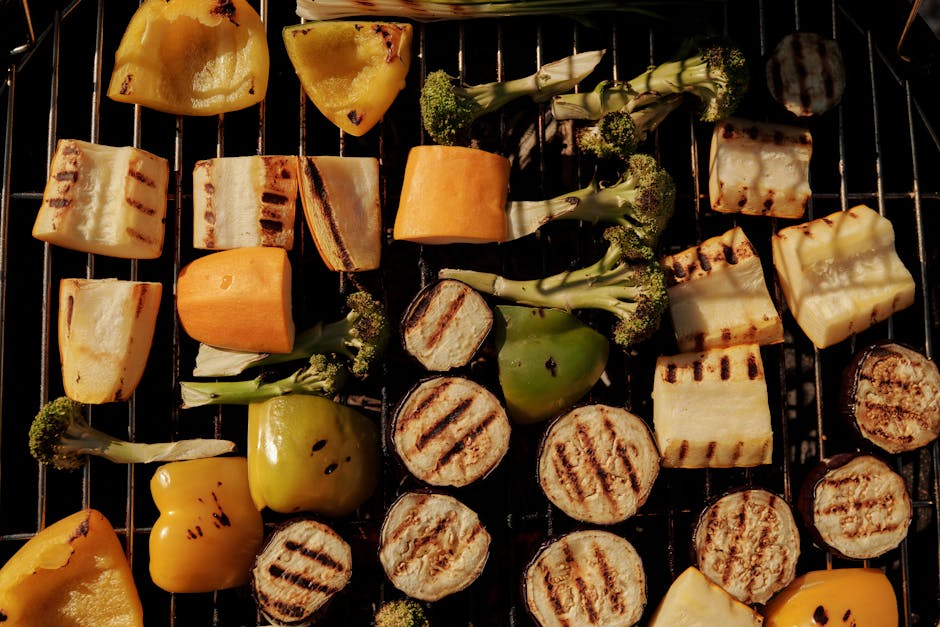
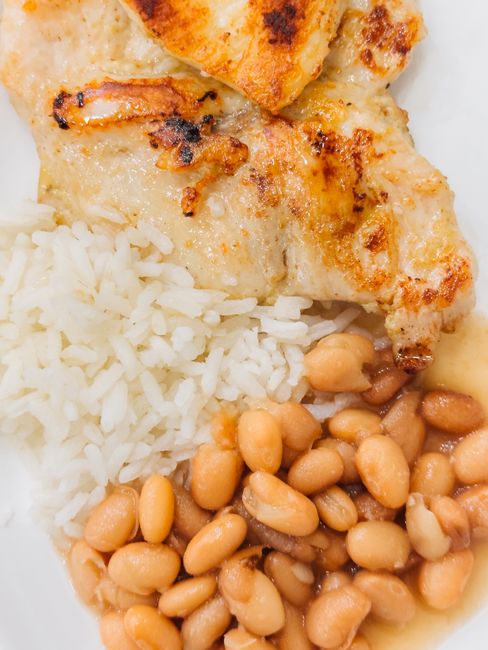
The versatility of easy garlic broiled chicken makes it a go-to for any meal. Its robust flavor profile pairs exceptionally well with a wide array of side dishes, making it suitable for casual weeknight dinners or more sophisticated gatherings. For a classic and simple pairing, consider steamed or roasted vegetables. Broccoli florets, asparagus spears, green beans, or Brussels sprouts can be tossed with a little olive oil, salt, pepper, and a squeeze of lemon juice, and then roasted alongside the chicken (adjusting their cooking time as needed) or steamed separately. The bright, fresh flavors of these vegetables cut through the richness of the chicken beautifully. Rice is another excellent accompaniment. Plain white rice, brown rice, or even a flavorful pilaf will soak up any delicious juices from the chicken. For a lighter option, quinoa or couscous provide a healthy and satisfying base. Potatoes are a perennial favorite. Roasted potato wedges, mashed potatoes, or a simple baked potato all complement garlic broiled chicken wonderfully. Consider seasoning your potatoes with garlic powder, rosemary, or paprika to echo the flavors of the chicken. For a more substantial meal, serve the chicken with a fresh green salad. A simple mixed green salad with a light vinaigrette offers a refreshing contrast. For a heartier salad, consider a Caesar salad, a Greek salad, or a salad featuring grains like farro or barley. Pasta dishes also work well. Toss some spaghetti or linguine with olive oil, garlic, and a sprinkle of Parmesan cheese for a quick and easy pasta side. If you’re aiming for a more elevated presentation, consider serving the garlic broiled chicken with a creamy risotto or a flavorful pasta sauce. The possibilities are truly endless, limited only by your imagination and the ingredients available. Don’t underestimate the power of a simple garnish. A sprinkle of fresh parsley or chives, a wedge of lemon, or a drizzle of balsamic glaze can elevate the visual appeal and add an extra layer of flavor. Leftover garlic broiled chicken is also incredibly versatile. Shred it and use it in sandwiches, wraps, tacos, or salads. Dice it and add it to pasta dishes, stir-fries, or omelets. The intense flavor of the broiled chicken will add a delicious punch to any dish.
To ensure consistent, delicious results with your easy garlic broiled chicken, several practical tips can be implemented. First, always pat your chicken dry thoroughly with paper towels before applying any marinade or rub. Moisture on the surface of the chicken will steam rather than sear, hindering the development of that desirable crispy, browned exterior. When using a marinade, avoid over-marinating, especially with boneless, skinless chicken breasts, as the acid can begin to break down the protein too much, resulting in a mushy texture. Four hours is generally a safe upper limit for chicken breasts. For bone-in cuts like thighs, you can safely marinate for up to 12 hours for deeper flavor penetration. When broiling, it’s advisable to use a broiler pan with a rack. This allows air to circulate around the chicken, promoting even cooking and crisping of the skin on all sides. The rack also elevates the chicken, allowing rendered fat and juices to drip away, preventing the chicken from sitting in its own grease. If you don’t have a broiler pan, a regular baking sheet lined with foil will suffice, but ensure you flip the chicken more frequently for even browning. Invest in a good quality instant-read meat thermometer. This is the single most important tool for ensuring perfectly cooked chicken, preventing both undercooking and overcooking. Remember that chicken will continue to cook slightly after being removed from the heat, so aim to pull it from the broiler when it reaches about 160°F (71°C) and let the residual heat bring it up to the safe temperature of 165°F (74°C) during the resting period. Resting is not optional; it’s crucial for succulent chicken. Tenting the chicken loosely with foil during the resting period can help retain heat and moisture. When cutting into the chicken, always cut against the grain. This shortens the muscle fibers, making the meat more tender and easier to chew. For bone-in chicken, make sure to remove any small bone fragments before serving. If you find your broiler is uneven, meaning one side cooks faster than the other, rotate the pan halfway through the cooking process. If you notice the garlic in your marinade or rub is starting to burn before the chicken is cooked, you can loosely tent the chicken with foil for the remainder of the cooking time. However, this will slightly soften the crispiness of the skin. Finally, always practice good food safety. Wash your hands, utensils, and cutting boards thoroughly after handling raw chicken. Ensure the chicken is cooked to the recommended internal temperature. Easy garlic broiled chicken is a forgiving dish, but these tips will elevate it from good to exceptional.
This easy garlic broiled chicken recipe is the epitome of weeknight efficiency without sacrificing flavor or quality. The simplicity of the ingredients, coupled with the power of the broiler, delivers a dish that is both impressive and accessible for cooks of all levels. The foundation of minced or grated garlic, combined with high-quality olive oil and a touch of acid like lemon juice, creates a marinade that tenderizes and infuses the chicken with a bold, savory profile. This basic formula can be easily customized with herbs, spices, and sweeteners to cater to individual preferences, allowing for endless variations on a theme. Bone-in, skin-on chicken thighs are particularly well-suited to broiling due to their inherent moisture retention and the delicious crispiness the broiler imparts to the skin, but even leaner cuts like boneless breasts can be transformed into juicy, flavorful meals with careful attention to cooking time. The key to mastering this method lies in understanding the broiler’s intense heat and practicing vigilance. Positioning the chicken at the correct distance, preheating the broiler thoroughly, and closely monitoring the cooking process are essential steps to achieving that perfect balance of charred exterior and tender interior. The rapid cooking time, often under 20 minutes from start to finish, makes this dish ideal for busy evenings when time is of the essence. Furthermore, the versatility of easy garlic broiled chicken extends beyond its primary preparation. It serves as a fantastic base for numerous other dishes, from quick lunches to hearty dinners. The rich, garlicky flavor makes it a perfect pairing with a wide range of side dishes, from simple steamed vegetables and fluffy rice to roasted potatoes and vibrant salads. The inherent ease of this recipe, combined with its consistently delicious outcomes, solidifies its place as a culinary workhorse. By focusing on quality ingredients, a well-executed broiling technique, and mindful attention to cooking times, anyone can create a memorable and satisfying meal with this straightforward approach to garlic broiled chicken. It’s a testament to the fact that extraordinary flavor doesn’t always require complex processes or lengthy preparations. The humble chicken, when treated with the intensity of the broiler and the robust embrace of garlic, becomes a star player on any plate.