Fermented Kosher Style Dill Pickles
The Art and Science of Fermented Kosher Style Dill Pickles: A Deep Dive into Flavor, Fermentation, and Health
Fermented kosher style dill pickles represent a culinary tradition steeped in history, flavor, and a touch of scientific magic. Unlike their vinegar-brined counterparts, these pickles undergo lacto-fermentation, a process where naturally occurring lactic acid bacteria convert sugars in the cucumbers into lactic acid, a natural preservative that imparts a distinct tangy, sour, and complex flavor profile. This method not only preserves the cucumbers but also transforms them into a probiotic-rich food, offering potential health benefits. The "kosher style" designation refers not to the religious certification, but to the specific recipe, typically featuring dill, garlic, and other spices, without necessarily using dill seed exclusively. Understanding the intricacies of this fermentation process, the role of specific ingredients, and the resulting nutritional and gustatory outcomes is crucial for both home enthusiasts and commercial producers aiming to craft authentic and delicious fermented pickles.
The foundation of a great fermented kosher style dill pickle lies in the cucumber itself. While many varieties can be used, pickling cucumbers are preferred due to their firm flesh, thin skins, and fewer seeds. Varieties like Kirby, National Pickling, or Boston Pickling are excellent choices. The quality of the cucumber is paramount; they should be fresh, firm, and free of blemishes. Wilting or overripe cucumbers are less ideal as they can lead to a softer, mushier pickle and potentially introduce undesirable microbial activity. Before brining, cucumbers are typically washed thoroughly to remove any surface dirt or pesticides. Some recipes advocate for soaking the cucumbers in ice water for a few hours to further firm them up, ensuring a crisp final product. The size of the cucumber can also influence fermentation time and texture; smaller, younger cucumbers tend to ferment faster and remain crisper. Larger, more mature cucumbers may require longer fermentation and can sometimes develop a softer texture. The choice of cucumber is thus a critical initial step dictating the potential success of the fermentation.
The brine is the heart of the fermentation process, acting as the medium for microbial activity and the carrier of flavor. For kosher style dill pickles, the brine is typically a simple saltwater solution. The salt concentration is a critical factor, playing a dual role: it inhibits the growth of spoilage bacteria while encouraging the proliferation of beneficial lactic acid bacteria. A common salt concentration for pickle fermentation ranges from 2-5% by weight. Too little salt can lead to spoilage, while too much can inhibit fermentation altogether. Non-iodized salt, such as pickling salt, sea salt, or kosher salt (ironically, despite the name), is essential. Iodine and anti-caking agents found in table salt can interfere with the fermentation process and impart an off-flavor. Water quality also matters; chlorinated tap water can hinder the activity of lactic acid bacteria. Using filtered or distilled water is often recommended, or letting tap water sit out for 24 hours to allow chlorine to dissipate.
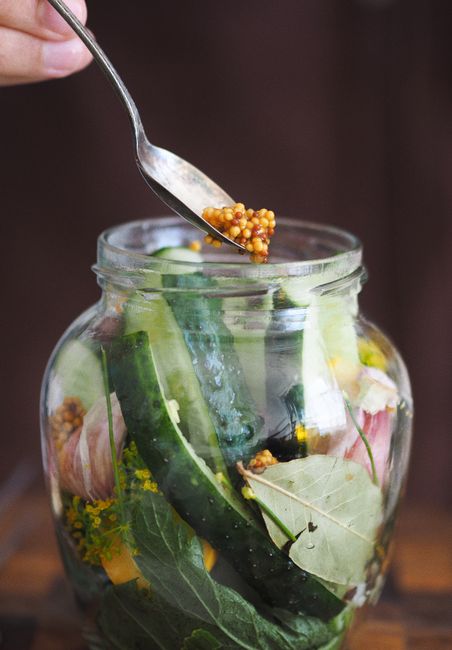
The flavor profile of kosher style dill pickles is defined by its characteristic aromatics. Dill, of course, is central, but its form matters. Fresh dill weed, dill heads, or dill seed can all be used, each contributing a slightly different nuance. Fresh dill offers a brighter, more herbaceous note, while dill heads can impart a more robust flavor. Dill seed provides a more concentrated, almost anise-like undertone. Garlic is another indispensable component, adding pungency and depth. Whole cloves, crushed, or sliced garlic can be employed. Crushed garlic tends to release more flavor and can contribute to cloudiness in the brine. Whole cloves offer a subtler, more gradual infusion. Other spices commonly found in kosher style dill pickle recipes include mustard seeds, coriander seeds, black peppercorns, bay leaves, and red pepper flakes for a touch of heat. These spices are typically added to the brine or directly into the jar with the cucumbers, infusing the pickles with layers of complex flavor as they ferment. The precise combination and quantity of these spices are what differentiate various family recipes and commercial brands.
Lacto-fermentation is a complex biochemical process driven by specific strains of lactic acid bacteria (LAB). These ubiquitous microorganisms are naturally present on the surface of cucumbers and other vegetables. In the absence of oxygen and with the right salt concentration and temperature, LAB begin to multiply. There are two primary types of LAB involved in vegetable fermentation: Lactobacillus species, such as Lactobacillus plantarum, Lactobacillus brevis, and Lactobacillus acidophilus, and Leuconostoc species, such as Leuconostoc mesenteroides. Initially, Leuconostoc species often dominate, producing carbon dioxide and exopolysaccharides, which can contribute to brine cloudiness and a slightly viscous texture. As fermentation progresses and lactic acid levels rise, Lactobacillus species, which are more acid-tolerant, take over. These bacteria consume sugars (glucose, fructose, and sucrose) present in the cucumbers and convert them into lactic acid. This lactic acid lowers the pH of the brine, creating an acidic environment that inhibits the growth of pathogenic bacteria and spoilage organisms. The process also produces other byproducts, such as acetic acid and ethanol, which further contribute to the unique flavor and aroma of fermented pickles. The characteristic tanginess of dill pickles is primarily due to the lactic acid, while the complexity arises from the interplay of these various fermentation byproducts and added spices.
The optimal temperature for lacto-fermentation significantly influences the speed and outcome of the process. Generally, cooler temperatures (around 60-75°F or 15-24°C) promote a slower, more controlled fermentation, resulting in a crisper pickle and a more nuanced flavor profile. Warmer temperatures (above 80°F or 27°C) accelerate fermentation but can lead to a softer texture and a less complex flavor, potentially favoring the growth of undesirable microbes. During the initial stages of fermentation, especially at warmer temperatures, some foaming and bubbling are normal as carbon dioxide is released. This is a sign that the beneficial bacteria are actively working. The fermentation time can vary widely, from a few days to several weeks, depending on the temperature, salt concentration, cucumber size, and desired level of sourness. Experienced fermenters often rely on taste and texture to determine when the pickles are ready. A visual cue can also be the appearance of the brine; it will typically become cloudy due to the presence of bacteria and yeast.
Maintaining an anaerobic (oxygen-free) environment is crucial for successful lacto-fermentation. Exposure to oxygen can lead to the growth of undesirable aerobic bacteria and yeast, which can cause spoilage, mold, and off-flavors, such as a soapy or rancid taste. This is why fermenting vessels are typically sealed to prevent air from entering. For home fermentation, glass jars with airtight lids or crocks with water-sealed lids are commonly used. During fermentation, the cucumbers should remain submerged below the brine level. This can be achieved using fermentation weights, such as specialized glass weights, ceramic weights, or even clean rocks. If the cucumbers float, they are more susceptible to spoilage. The brine level should also be monitored and topped up if necessary with a similar saltwater solution to ensure the cucumbers remain covered.
The "kosher style" aspect of these pickles, while not a strict religious mandate in this context, refers to a specific preparation method that aligns with traditional Ashkenazi Jewish culinary practices. These methods often emphasized simple, natural preservation techniques. The use of dill, garlic, and a basic saltwater brine is characteristic of this style. Historically, these pickles were a staple in Jewish households, providing a readily available source of flavor and a method of preserving the summer harvest of cucumbers. The term "kosher" in this culinary context signifies adherence to a particular set of ingredients and preparation that became synonymous with the pickles commonly found in Jewish delis and homes. It is important to distinguish this from certified kosher food, which undergoes strict rabbinical supervision.
Beyond their delightful taste and satisfying crunch, fermented kosher style dill pickles offer significant nutritional and health advantages due to their probiotic content. Lacto-fermentation is a natural probiotic production process. Probiotics are live microorganisms that, when consumed in adequate amounts, confer a health benefit on the host. The beneficial bacteria present in fermented pickles, primarily Lactobacillus species, can contribute to a healthy gut microbiome. A balanced gut microbiome is increasingly linked to various aspects of health, including improved digestion, enhanced nutrient absorption, a stronger immune system, and even positive impacts on mental well-being. The fermentation process can also increase the bioavailability of certain nutrients in the cucumbers, making them more easily absorbed by the body. Furthermore, the lactic acid produced during fermentation may aid in the digestion of other foods.
When it comes to storing fermented kosher style dill pickles, refrigeration is key once the desired level of fermentation is achieved. Refrigeration significantly slows down the fermentation process, preventing the pickles from becoming overly sour or mushy. Properly fermented and stored pickles can maintain their quality in the refrigerator for several months, even up to a year. However, it is advisable to consume them within a reasonable timeframe to enjoy them at their peak flavor and texture. As the pickles continue to ferment slowly in the refrigerator, their flavor will continue to develop, potentially becoming more intense and sour. For commercial producers, achieving consistent quality and shelf-life involves meticulous control over the fermentation parameters, including salt concentration, temperature, and pH. Pasteurization, which involves heating, is generally avoided in the production of true fermented pickles as it would kill the beneficial probiotic bacteria, rendering them no different from vinegar-brined pickles in terms of their probiotic value.
The versatility of fermented kosher style dill pickles extends far beyond simply eating them straight from the jar. They are a quintessential condiment for sandwiches and burgers, adding a burst of acidity and crunch that cuts through richness. Finely chopped dill pickles can be incorporated into tartar sauce, potato salad, coleslaw, and deviled eggs, lending their unique tang. The brine itself, often referred to as "pickle juice," has a dedicated following. It can be used as a base for marinades, a flavoring agent in dressings, or even consumed directly by some for its electrolytes and probiotic content. Some enthusiasts even use pickle brine in cocktails, such as a Bloody Mary or a pickleback shot. The culinary applications are diverse, highlighting the enduring appeal and adaptability of this fermented delicacy.
In conclusion, the creation of exceptional fermented kosher style dill pickles is a fascinating interplay of natural processes and thoughtful culinary execution. From the careful selection of cucumbers and the precise formulation of the brine to the controlled environment that fosters beneficial bacterial growth, each step contributes to the final product’s characteristic tang, satisfying crunch, and potential health benefits. Understanding the science behind lacto-fermentation unlocks the secrets to crafting pickles that are not only delicious but also a testament to a time-honored tradition of food preservation and culinary artistry, solidifying their place as a beloved staple in kitchens worldwide.