Rock Shrimp Tempura Pan Fried
Rock Shrimp Tempura Pan-Fried: A Culinary Deep Dive for Seafood Aficionados
The delicate sweetness and satisfying chew of rock shrimp, when rendered into perfectly crisp tempura and then expertly pan-fried, create a dish that transcends mere seafood. This method, often overlooked in favor of deep-frying, offers a distinct textural profile and a control over the cooking process that yields exceptional results. Unlike their larger shrimp cousins, rock shrimp are known for their dense, lobster-like meat and a slightly briny flavor that pairs beautifully with the light, airy tempura batter. Achieving restaurant-quality rock shrimp tempura at home, particularly with the pan-frying technique, requires an understanding of the batter’s composition, the nuances of oil temperature management, and the specific properties of rock shrimp. This article will explore these elements in detail, providing a comprehensive guide for home cooks looking to master this sophisticated yet accessible dish. We will delve into the science behind a successful tempura batter, the practicalities of pan-frying for optimal crispness and minimal oil absorption, and offer variations and serving suggestions that elevate this humble crustacean into a culinary star.
Understanding Rock Shrimp: The Foundation of Flavor
Before embarking on the tempura-making journey, it’s crucial to appreciate the unique characteristics of rock shrimp. These small, hard-shelled crustaceans, scientifically known as Sicyonia brevirostris, are abundant in the Atlantic and Gulf of Mexico. Their common name derives from their tough exoskeleton, which requires a more robust preparation method for peeling than standard shrimp. However, once peeled, their meat reveals a firm texture and a flavor profile often likened to lobster, with a subtle sweetness and a pleasant brininess. This density is key to successful tempura; it prevents the shrimp from becoming mushy during the cooking process and provides a satisfying "snap" when bitten into. The smaller size of rock shrimp also means they cook quickly, making them ideal for delicate tempura batter, ensuring the coating crisps before the delicate meat overcooks. Sourcing fresh, high-quality rock shrimp is paramount. Look for plump, firm, and odorless shrimp. If purchasing frozen, ensure they have been properly flash-frozen to preserve their texture and flavor. Thawing should be done gradually in the refrigerator to avoid compromising the meat’s integrity. Properly peeling rock shrimp involves breaking their tough shells, often with kitchen shears, to expose the succulent meat within.
The Art of Tempura Batter: Lightness and Crispness
A truly exceptional tempura batter is a delicate balance of simplicity and technique. The goal is to create a coating that is incredibly light, airy, and shatteringly crisp, while allowing the inherent flavor of the rock shrimp to shine through. The fundamental ingredients are flour, water, and often an egg. However, the magic lies in the how. For optimal results, use a low-gluten flour, such as cake flour or a blend of all-purpose flour and cornstarch. Gluten development is the enemy of light tempura; it leads to a chewy, dense coating. The liquid should be ice-cold. This thermal shock, when it hits the hot oil, causes the water to rapidly vaporize, creating steam pockets within the batter. This steam is what generates the characteristic lightness and crispness. Some chefs advocate for using sparkling water or club soda, as the carbonation further contributes to the airy texture. The egg, if used, should be lightly beaten and added just before frying. Overmixing the batter is a cardinal sin. A lumpy batter is a happy batter when it comes to tempura. The lumps indicate minimal gluten development. A common ratio for a basic tempura batter is one cup of flour, one egg, and approximately 3/4 cup of ice-cold water, adjusted as needed for consistency. The batter should be thin enough to coat the shrimp lightly, but not so thin that it drips off. It should resemble heavy cream in viscosity.
The Pan-Frying Advantage: Control and Texture
While deep-frying is the traditional method for tempura, pan-frying offers distinct advantages, particularly for home cooks. It requires less oil, making it a more economical and less messy option. More importantly, pan-frying allows for greater control over the cooking process. You can more easily monitor the oil temperature, ensuring it remains within the ideal range for achieving perfect crispness without burning the batter. The oil choice is also critical. A neutral-flavored oil with a high smoke point is essential. Canola oil, vegetable oil, or peanut oil are excellent choices. The oil depth for pan-frying should be sufficient to submerge at least half of the shrimp. A good starting point is about 1 to 1.5 inches of oil in a heavy-bottomed skillet. The pan itself should be wide enough to accommodate the shrimp in a single layer, preventing overcrowding, which would lead to steaming rather than frying and a loss of crispness. Preheating the oil to the correct temperature is non-negotiable. For tempura, this is typically between 340°F and 360°F (170°C to 180°C). An instant-read thermometer is an invaluable tool for maintaining this temperature. If the oil is too hot, the batter will burn before the shrimp is cooked. If it’s too cool, the shrimp will absorb excess oil, resulting in a greasy, soggy coating.
The Pan-Frying Technique: Step-by-Step Mastery
Achieving perfect pan-fried rock shrimp tempura involves a systematic approach.
-
Preparation is Key: Ensure your rock shrimp are peeled, deveined, and thoroughly dried. Patting them completely dry with paper towels is essential for the batter to adhere properly. Prepare your tempura batter just before you’re ready to fry. Have a wire rack set over a baking sheet ready for draining the fried shrimp.
-
Batter Application: Lightly dredge each dried rock shrimp in a small amount of dry flour (this acts as a binder for the tempura batter). Then, dip the shrimp into the tempura batter, allowing any excess to drip off. The batter should coat the shrimp thinly.
-
Heating the Oil: Heat your chosen oil in a heavy-bottomed skillet over medium-high heat until it reaches the target temperature of 340°F to 360°F (170°C to 180°C). Use an instant-read thermometer to monitor.
-
The Fry: Carefully place a few battered shrimp into the hot oil, ensuring not to overcrowd the pan. Overcrowding will drop the oil temperature and result in soggy tempura. Fry for 2-3 minutes per side, or until golden brown and puffed up. The rock shrimp will cook quickly.
-
Drain and Season: Using a slotted spoon or spider strainer, remove the fried tempura shrimp from the oil and place them on the prepared wire rack to drain. This allows air to circulate, maintaining crispness. Immediately season with a sprinkle of fine sea salt while they are still hot.
-
Maintain Oil Temperature: As you fry subsequent batches, monitor the oil temperature and adjust the heat as needed. You may need to increase the heat slightly between batches to bring it back up to temperature.
-
Second Fry (Optional for Extra Crispness): For an exceptionally crisp exterior, some chefs advocate for a brief second fry. After draining the first fry, and once the oil has recovered its temperature, briefly re-fry the shrimp for about 30 seconds to a minute until they are an even deeper golden brown. This step requires careful observation to prevent burning.
Optimizing Flavor and Presentation: Beyond the Basics
While the core technique is sound, several elements can elevate your pan-fried rock shrimp tempura from good to extraordinary.
- Dipping Sauces: The classic accompaniment to tempura is a tentsuyu dipping sauce, a light broth made from dashi, soy sauce, mirin, and sometimes kombu and katsuobushi. Other excellent options include a spicy aioli, a lemon-ponzu dressing, or a simple soy-ginger glaze.
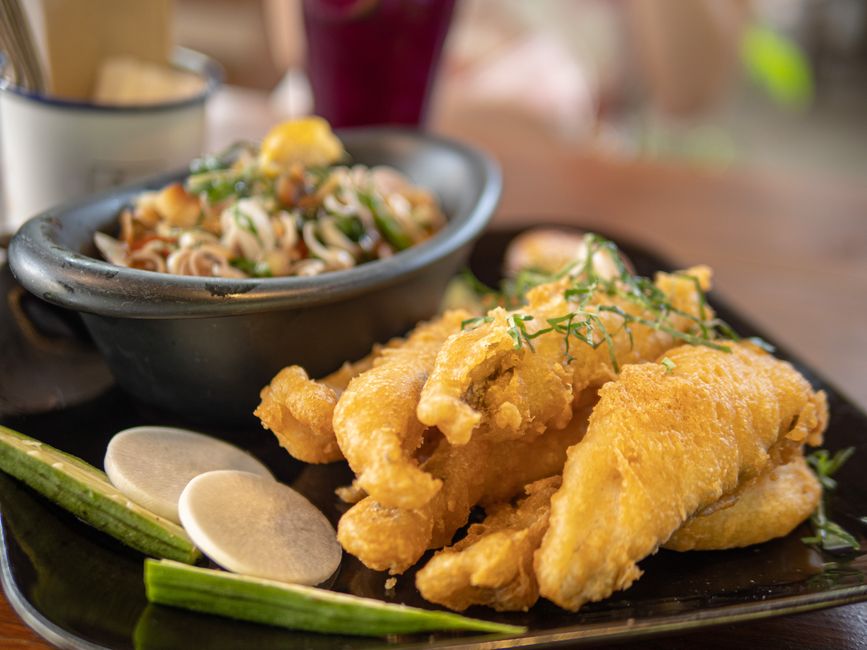
- Garnishes: Freshly grated daikon radish, finely chopped scallions, or a sprinkle of toasted sesame seeds can add visual appeal and complementary flavors. A wedge of fresh lemon or lime is essential for a bright, acidic finish.
- Vegetable Tempura Companions: Rock shrimp tempura is often served alongside vegetable tempura. Common choices include sweet potato, eggplant, zucchini, broccoli, or green beans. These offer textural and flavor contrasts.
- Rice Pairing: Steamed white rice, such as short-grain Japanese rice, is the traditional and ideal accompaniment, providing a neutral base to absorb the flavors of the tempura and dipping sauce.
- Serving Temperature: Tempura is best enjoyed immediately after frying, when it is at its crispiest. Serve it hot, allowing guests to experience the full textural delight.
Troubleshooting Common Issues
Even with careful preparation, occasional issues can arise.
- Soggy Tempura: This is usually due to oil temperature being too low, overcrowding the pan, or insufficient draining. Ensure the oil is at the correct temperature and fry in batches. Drain thoroughly on a wire rack.
- Batter Falling Off: This can happen if the shrimp are not dried sufficiently, or if the batter is too thick. Ensure the shrimp are bone dry and adjust batter consistency as needed.
- Greasy Tempura: Similar to soggy tempura, this indicates oil that is too cool. High oil temperature is crucial for the batter to seal quickly and prevent oil absorption.
- Burnt Batter, Undercooked Shrimp: This signifies oil that is too hot. Lower the heat and cook for slightly longer to ensure the shrimp are cooked through.
The pan-frying method of rock shrimp tempura offers a rewarding culinary experience. It allows for a nuanced approach to a classic dish, emphasizing the inherent sweetness of the shrimp and achieving a delicate, shatteringly crisp exterior. By understanding the principles of batter science, mastering oil temperature control, and employing proper frying techniques, home cooks can consistently produce this sophisticated seafood delicacy. The versatility of rock shrimp tempura, from its simple elegance to its adaptable serving suggestions, makes it a valuable addition to any home cook’s repertoire, a testament to the fact that sometimes, less is indeed more when it comes to achieving culinary perfection.