
Mashed Potatoes With Horseradish
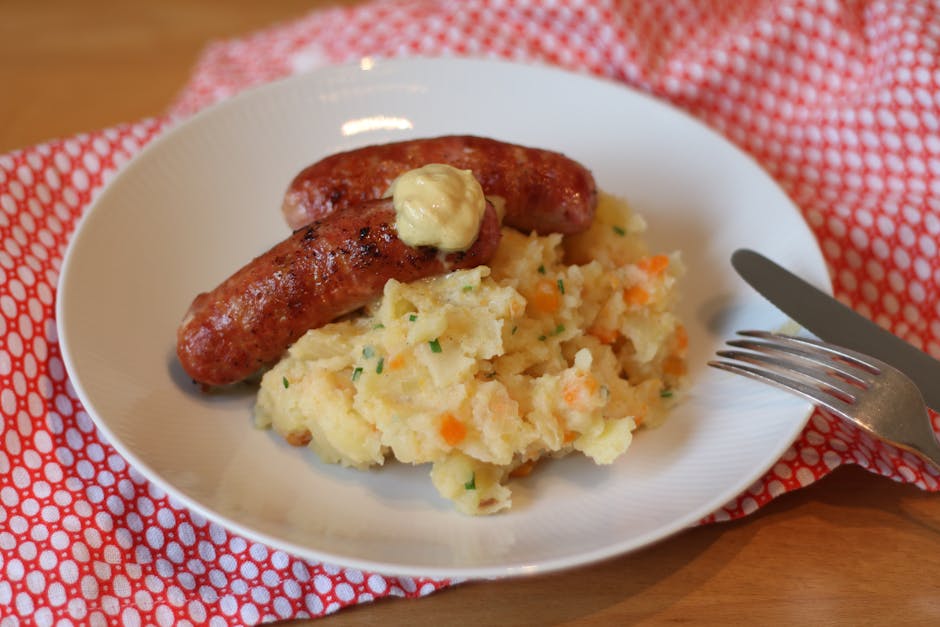
Horseradish Mashed Potatoes: A Fiery Kick to a Comfort Food Classic
Horseradish mashed potatoes elevate a universally beloved comfort food into something truly extraordinary. Far beyond the subtle richness of butter and cream, this dish introduces a vibrant, pungent warmth that cuts through the starch and amplifies the overall flavor profile. The natural heat of horseradish, a root vegetable known for its sinus-clearing properties, transforms a familiar side dish into a culinary statement. This article will delve deep into the creation of exceptional horseradish mashed potatoes, exploring ingredient selection, preparation techniques, variations, serving suggestions, and the science behind its unique appeal. Whether you’re a seasoned home cook or embarking on your first foray into elevated comfort food, understanding the nuances of this dish will unlock its full potential.
The foundation of any great mashed potato, including those with a horseradish infusion, lies in the selection of the right potatoes. Starchy varieties are paramount. Russets, also known as Idaho potatoes, are the gold standard for their high starch content and fluffy texture when mashed. Their inherent dryness allows them to absorb butter and cream beautifully without becoming gummy. Yukon Golds offer a slightly creamier texture and a buttery flavor, making them another excellent choice. Red potatoes and waxy varieties like fingerlings are generally not ideal for mashing as they tend to produce a gluey consistency. When selecting potatoes, look for firm specimens without any green spots or soft blemishes. Thoroughly washing and scrubbing the potatoes is essential to remove any dirt. Peeling is a matter of preference; some enjoy the rustic texture and added nutrients of the skins, while others prefer a smoother, more refined mash. If opting to leave the skins on, ensure they are impeccably clean.
The cooking process for the potatoes is critical. Boiling is the most common and effective method. Cut the potatoes into uniform, roughly equal-sized pieces. This ensures they cook evenly, preventing some pieces from becoming overcooked and mushy while others remain underdone. Submerge the potato pieces in a pot of cold, salted water. Bringing the water to a boil and then simmering allows the potatoes to cook through without disintegrating. The salt in the water seasons the potatoes from the inside out, a crucial step for developing depth of flavor. Cooking time will vary depending on the size of the potato pieces, but generally, they are ready when easily pierced with a fork. Overcooking should be avoided, as this can lead to waterlogged potatoes, which will compromise the final texture of the mash. Once cooked, drain the potatoes thoroughly. Allowing them to steam dry in the colander for a few minutes can help evaporate any excess moisture.
The addition of horseradish is where the magic truly happens. Freshly grated horseradish offers the most intense and vibrant flavor. It’s imperative to grate it just before adding it to the potatoes to preserve its pungent aroma and heat. Pre-grated horseradish from a jar, while convenient, often contains preservatives and vinegar that can alter the flavor profile. If using pre-grated, opt for the highest quality available and be prepared for a slightly less assertive kick. The amount of horseradish is a matter of personal preference and the desired heat level. Start with a moderate amount and taste as you go, adding more until the desired level of pungency is achieved. It’s easier to add more heat than to take it away. Consider the strength of your horseradish; some varieties are naturally hotter than others.
The mashing process itself requires attention. While a potato masher is the traditional tool, an immersion blender or a food mill can also be used for different textures. For a truly lump-free and creamy mash, a ricer is an excellent choice, producing incredibly smooth results. However, over-processing, especially with a food processor or immersion blender, can lead to a gummy texture. The key is to mash until the desired consistency is reached without overworking the potatoes. As the potatoes are mashed, the butter and dairy components are introduced. Unsalted butter is generally preferred, allowing for better control over the salt content. The butter should be softened or melted to incorporate smoothly. For the dairy, heavy cream or half-and-half are ideal for richness and creaminess. Milk can be used, but it will result in a lighter mash. Warm the dairy before adding it to the mashed potatoes to prevent the mash from cooling down and to ensure it emulsifies well. Incorporate the butter and dairy gradually, mashing or stirring until the desired consistency is achieved. Avoid adding too much liquid at once; it’s better to add small amounts and build up to the perfect creaminess.
Seasoning is paramount and extends beyond salt. Beyond the salt used during boiling, adjust seasoning with additional salt and freshly ground black pepper. The horseradish will provide its characteristic heat, but pepper adds another layer of complexity. Consider adding a pinch of nutmeg for a subtle warmth that complements both the potatoes and the horseradish. A touch of garlic, either roasted and mashed or finely minced and sautéed, can further enhance the savory notes.
The type of horseradish used significantly impacts the final dish. Fresh horseradish root, available in well-stocked grocery stores and Asian markets, provides the most potent and purest flavor. To prepare it, scrub the root clean, peel off the tough outer skin, and grate it using a microplane or a fine grater. Wear gloves if you have sensitive skin, as the fumes can be irritating. The grated horseradish should be added immediately to the mashed potatoes. Prepared horseradish, found in jars in the refrigerated section, is a convenient alternative. It’s typically a blend of grated horseradish, vinegar, and salt. The vinegar adds a tangy note, and the preservatives can slightly mute the raw heat. Look for brands with minimal ingredients for the best flavor. Horseradish sauce or cream, which is often a blend of horseradish, sour cream, or mayonnaise, is generally too rich and less suitable for mashed potatoes, as it introduces competing flavors and textures. The goal with horseradish mashed potatoes is to highlight the distinctive bite of the horseradish root itself.
When it comes to crafting the perfect batch of horseradish mashed potatoes, several techniques can elevate the outcome. Starting with hot, fluffy potatoes is crucial. Draining them thoroughly and allowing them to steam dry briefly is a non-negotiable step for achieving a light and airy mash. Mashing while the potatoes are still warm ensures they break down easily and absorb the butter and cream effectively. Gentle mashing is key to avoid releasing excess starch and creating a gummy texture. A potato ricer is an excellent investment for achieving an exceptionally smooth and uniform mash. If using a masher, work quickly and efficiently. Incorporating warm dairy and butter is vital for emulsification and preventing a temperature drop. For an extra layer of flavor, consider infusing the cream with aromatics like a bay leaf or a sprig of thyme while it warms. Strain the cream before adding it to the potatoes.
Variations on the classic horseradish mashed potato theme abound, allowing for customization to individual palates and specific culinary pairings. For a richer, more indulgent version, incorporate a dollop of sour cream or crème fraîche along with the butter and cream. This adds a delightful tang and a velvety texture. Cheese lovers might enjoy the addition of grated Parmesan or sharp white cheddar. These cheeses contribute a salty, nutty, or sharp flavor that harmonizes beautifully with the horseradish. For a touch of freshness and color, finely chopped chives or parsley can be stirred in just before serving. Smoked paprika can add a subtle smokiness and a hint of sweetness, complementing the horseradish’s heat. For a vegan iteration, substitute the dairy with unsweetened plant-based milk (such as cashew or soy) and a good quality vegan butter. Ensure the plant-based milk is warmed and added gradually to achieve the desired creaminess.
Serving horseradish mashed potatoes opens up a world of culinary possibilities. Their robust flavor makes them an ideal accompaniment to a wide array of meats. Roasted or grilled beef, such as prime rib or steak, is a classic pairing where the horseradish’s sharpness cuts through the richness of the meat. Pork dishes, like roasted pork loin or pulled pork, also benefit from the potato’s pungent counterpoint. Lamb, with its distinct flavor, finds a worthy partner in horseradish mashed potatoes. For poultry, a roast chicken or turkey can be wonderfully elevated. Beyond meats, these mashed potatoes are excellent with pan-seared salmon or other rich fish. Their versatility extends to vegetarian mains as well; they can be served alongside hearty mushroom Wellington or a substantial lentil shepherd’s pie. For a truly indulgent meal, consider serving them as a decadent side dish to a rich stew or a flavorful pot roast. The heat of the horseradish can also be a welcome addition to comfort food classics like meatloaf or even as a topping for a loaded baked potato.
The science behind horseradish’s unique flavor and heat lies in its glucosinolates. When the horseradish root is cut or grated, enzymes are released that convert these glucosinolates into isothiocyanates. Allyl isothiocyanate is the primary compound responsible for the characteristic pungent, spicy sensation that is perceived as heat. This heat is different from chili pepper heat, which is caused by capsaicin. Horseradish heat is volatile and dissipates quickly once the root is exposed to air or cooked extensively. This is why adding freshly grated horseradish towards the end of the cooking process, or even at serving, maximizes its impact. The rapid dissipation of the heat also means that while the initial bite is strong, it doesn’t typically linger unpleasantly on the palate, making it a delightful contrast to the creamy potatoes. The vinegar often found in prepared horseradish also plays a role in stabilizing the flavor and preserving its potency.
In conclusion, horseradish mashed potatoes are a testament to the power of a single, bold ingredient to transform a humble dish. From the careful selection of starchy potatoes to the precise moment of horseradish incorporation, each step contributes to a harmonious balance of creamy comfort and exhilarating zest. Understanding the science behind the horseradish’s pungency and exploring the myriad of variations and serving suggestions allows home cooks to master this elevated side dish, making it a staple for any discerning palate seeking to add a fiery kick to their culinary repertoire. The enduring appeal of mashed potatoes, amplified by the singular character of horseradish, ensures its place as a beloved and sophisticated comfort food.





