
The Best Banana Pudding

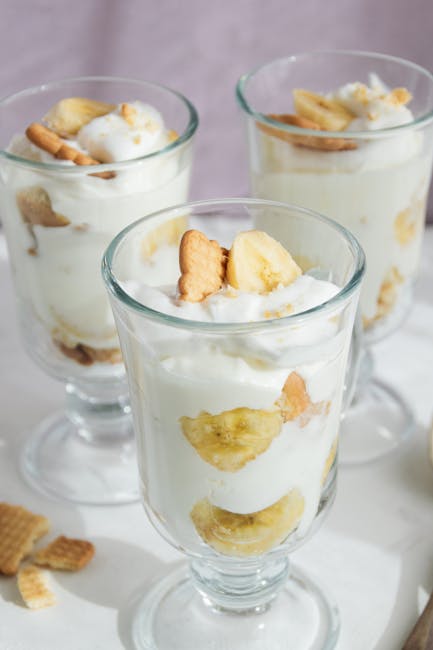
The Ultimate Guide to Crafting the Best Banana Pudding
Banana pudding, a cornerstone of Southern comfort food, transcends mere dessert; it’s an experience. The symphony of creamy vanilla custard, sweet, yielding banana slices, and the delightful crunch of vanilla wafers creates a textural and flavor profile that’s both nostalgic and utterly irresistible. Achieving the “best” banana pudding is a quest for perfection, a careful balance of ingredients and technique that transforms simple components into culinary magic. This comprehensive guide will dissect the anatomy of an exemplary banana pudding, from selecting the ideal bananas to mastering the custard, and finally, assembling a masterpiece that will have everyone begging for seconds.
Deconstructing the Perfect Banana Pudding: Key Components
At its heart, exceptional banana pudding relies on four fundamental pillars: the custard, the bananas, the wafers, and the topping. Each element plays a crucial role, and compromising on any one can detract from the overall experience.
The Custard: The Creamy Soul of Banana Pudding
The vanilla custard is arguably the most critical component. It’s the luscious, velvety base that binds everything together. A truly superior custard is rich, smooth, and infused with a deep, authentic vanilla flavor. Avoid shortcuts that result in a bland, starchy, or watery consistency.
-
The Importance of High-Quality Ingredients:
- Whole Milk and Heavy Cream: While some recipes opt for lower fat alternatives, the richness and mouthfeel of a truly exceptional banana pudding demand the use of whole milk and, ideally, a generous portion of heavy cream. This fat content is essential for a velvety texture and prevents the custard from becoming watery or icy. A common ratio might be 2 parts whole milk to 1 part heavy cream, but experimentation can yield personalized results.
- Egg Yolks: Egg yolks are the emulsifiers and thickeners that create the luxurious creaminess. For the best results, use fresh, large egg yolks. The number of yolks will directly impact the richness and color of the custard. A good starting point is 4-6 large egg yolks for a standard 9×13 inch pan.
- Sugar: Granulated sugar provides sweetness, but also contributes to the custard’s texture by interfering with the starch’s ability to form a rigid gel. The amount of sugar can be adjusted to personal preference, but it should be balanced to complement, not overpower, the other flavors.
- Cornstarch: Cornstarch is the primary thickener. It creates a smooth, stable custard without the grainy texture that can sometimes occur with flour. The amount of cornstarch is crucial; too little and the custard will be too thin, too much and it will be gluey. A common ratio is about 1/4 cup of cornstarch per 2 cups of liquid (milk + cream).
- Vanilla Extract: This is where the “vanilla” in banana pudding truly shines. Opt for pure vanilla extract, not imitation. For an even more profound vanilla flavor, consider incorporating a vanilla bean. Split a vanilla bean lengthwise, scrape out the seeds, and add both the seeds and the pod to the milk and cream mixture as it heats. Remove the pod before tempering the eggs. The quality of your vanilla will directly translate to the quality of your pudding.
- Salt: A pinch of salt, even in a sweet dish, is vital. It enhances the sweetness and balances the flavors, preventing the custard from tasting one-dimensionally sweet.
-
Mastering the Custard Technique:
- Tempering the Eggs: This is a non-negotiable step to prevent scrambled eggs in your custard. Whisk the egg yolks with the sugar and cornstarch until smooth and pale yellow. While the milk and cream mixture is heating (see below), slowly ladle about a cup of the hot liquid, a little at a time, into the egg yolk mixture while whisking constantly. This gradually raises the temperature of the egg yolks, tempering them. Once about half the hot liquid has been incorporated, pour the tempered egg mixture back into the saucepan with the remaining liquid.
- Gentle Heating and Constant Stirring: The custard must be cooked over medium-low heat, stirring constantly with a whisk. Use a heavy-bottomed saucepan to ensure even heat distribution and prevent scorching. Stir in a figure-eight motion, ensuring you reach the bottom and sides of the pan. The custard is ready when it thickens enough to coat the back of a spoon. You should be able to draw a line through the coated spoon with your finger, and the line should hold its shape.
- Do Not Boil: Boiling the custard can cause it to break and become grainy. The goal is to reach a gentle simmer that activates the cornstarch and cooks the eggs sufficiently to thicken.
- Straining for Ultimate Smoothness: For an absolutely perfect, silky-smooth custard, strain it through a fine-mesh sieve into a clean bowl immediately after cooking. This removes any potential lumps or bits of cooked egg.
The Bananas: Sweet, Ripe, and Perfectly Sliced
The bananas are the star players that give banana pudding its name. Their sweetness and soft texture are essential, but their ripeness and how they are prepared are critical to avoid a mushy or bland outcome.
-
Ripeness is Paramount:
- The Ideal Banana: The perfect banana for pudding is not overly green or overly brown. Look for bananas that are mostly yellow with a few small, brown speckles. These bananas offer the optimal balance of sweetness and firmness. Bananas that are too green will be starchy and not sweet enough. Overly ripe, mushy bananas will disintegrate in the pudding and can make it overly sweet and watery.
- Slicing Technique: Slice the bananas uniformly, about 1/4 to 1/2 inch thick. Uniformity ensures even distribution and a consistent texture in every bite. Avoid mashing the bananas; this will lead to a mushy, undefined layer.
-
Strategic Placement:
- Layering is Key: Bananas are typically layered at the bottom of the dish and/or between layers of pudding and wafers. This allows them to soften slightly from the warmth of the custard without becoming completely disintegrated. Some purists prefer to place all the bananas at the bottom, while others opt for multiple layers. Experiment to find your preference.
- The Lemon Juice Debate: Some cooks advocate for tossing banana slices with a touch of lemon juice to prevent browning. While this can be effective, for a truly exceptional banana pudding, where the pudding is consumed relatively quickly, this step is often unnecessary and can slightly alter the delicate banana flavor. If you are making the pudding well in advance, a very light drizzle might be considered.
The Vanilla Wafers: The Crucial Crunch and Flavor Enhancer
Vanilla wafers are the unsung heroes of banana pudding. They provide the essential textural contrast to the creamy custard and bananas, and their subtle sweetness complements the other flavors.
-
Choosing the Right Wafer:
- Classic Vanilla Wafers: Stick to the classic, crisp vanilla wafer cookies. Avoid wafer cookies with excessive sugar coating or strong artificial flavors. The goal is a neutral, slightly sweet base that absorbs the custard without becoming completely soggy too quickly.
- The Soggy Wafer Conundrum: A common pitfall of banana pudding is the dreaded soggy wafer. This occurs when the pudding is assembled too far in advance, or the custard is too thin. The goal is a delicate balance: the wafers should soften just enough to be tender but retain a pleasant chew, not dissolve into a paste.
-
Strategic Layering and Absorption:
- Layering with Custard: When layering, ensure the wafers are in direct contact with the custard. This allows them to absorb the creamy goodness. Some recipes call for dipping the wafers briefly in milk, but this often leads to over-saturation and a mushy texture. Let the custard do the work.
- The Ideal Set Time: The amount of time the pudding sits before serving is crucial for wafer texture. A pudding that sits for only 30 minutes will have crisper wafers, while one that sits for several hours will have softer, more integrated wafers. The “best” is subjective, but aim for a point where the wafers are tender but still offer a subtle resistance.
The Topping: Crown Jewel of Banana Pudding
The topping is the crowning glory, adding another layer of texture and flavor. While meringue is traditional, whipped cream offers a lighter, more modern alternative.
-
Traditional Meringue:
- The Art of Meringue: A well-executed meringue topping is light, airy, and toasted to a golden brown. It adds a delicate sweetness and a visual appeal that is undeniably classic.
- Ingredients: Meringue typically consists of egg whites, sugar, and cream of tartar (for stability).
- Technique: Beat egg whites with cream of tartar until soft peaks form. Gradually add sugar, beating until stiff, glossy peaks form. Spread the meringue over the warm custard, ensuring it touches the edges of the dish to prevent shrinking. Brown the meringue under the broiler or in a hot oven until golden. Be vigilant, as meringue can burn quickly.
-
Modern Whipped Cream:
- Simplicity and Freshness: Whipped cream offers a lighter, fresher counterpoint to the rich custard. It’s also considerably easier to make and less prone to collapse than meringue.
- Ingredients: Heavy cream, a touch of powdered sugar, and vanilla extract.
- Technique: Whip cold heavy cream until soft peaks form. Add powdered sugar and vanilla and continue whipping until stiff peaks form. Dollop or pipe the whipped cream over the cooled pudding.
Assembling the Perfect Banana Pudding: A Step-by-Step Blueprint
-
Prepare the Custard: Follow the detailed instructions above for creating a rich, velvety vanilla custard. Cook until thickened, then strain and let it cool slightly, but not completely, before assembly. It should still be warm enough to soften the wafers but not so hot that it aggressively cooks them.
-
Prepare the Bananas: Peel and uniformly slice ripe, yellow bananas.
-
Assemble the Layers:
- Begin with a layer of vanilla wafers at the bottom of your chosen baking dish (a 9×13 inch or similar-sized dish is standard).
- Add a layer of sliced bananas over the wafers.
- Pour a generous amount of the warm custard over the banana and wafer layers, ensuring good coverage.
- Repeat the layers: wafers, bananas, custard. Continue until your ingredients are used, typically ending with a layer of custard. Some recipes call for the final layer to be wafers, then topping, while others have custard as the final layer before the topping.
-
Add the Topping:
- For Meringue: Carefully spread the prepared meringue over the warm custard, sealing the edges. Brown as directed.
- For Whipped Cream: Allow the pudding to cool completely before topping with freshly whipped cream. This prevents the whipped cream from melting.
-
Chill and Serve: This is a critical step for flavor and texture integration. Refrigerate the banana pudding for at least 4-6 hours, or ideally overnight. This allows the wafers to soften beautifully, the flavors to meld, and the custard to set fully.
Tips for Elevating Your Banana Pudding to Legendary Status:
- Use Vanilla Bean Paste: For an even more intense vanilla flavor and visually appealing flecks of vanilla, consider using vanilla bean paste in addition to or in place of vanilla extract.
- Experiment with Toppings: While meringue and whipped cream are classics, consider a sprinkle of crushed cookies, toasted nuts, or a drizzle of caramel for a unique twist.
- Portion Control: Individual ramekins or serving glasses create elegant, single-serving banana puddings that are perfect for special occasions.
- Make Ahead: Banana pudding often tastes even better the next day, as the flavors have had more time to meld. However, for optimal wafer texture, consider assembling the custard, bananas, and wafers and topping with whipped cream just before serving if you’re concerned about sogginess.
- Listen to Your Palate: The “best” banana pudding is ultimately the one that appeals most to your personal taste. Don’t be afraid to adjust the sugar, the custard thickness, or the amount of each component to create your ideal version.
By understanding the fundamental principles and mastering the techniques, you can consistently create a banana pudding that is not merely good, but truly exceptional – a dessert that embodies comfort, nostalgia, and pure deliciousness.


