Country Fried Steaks With Sweet Onion Gravy
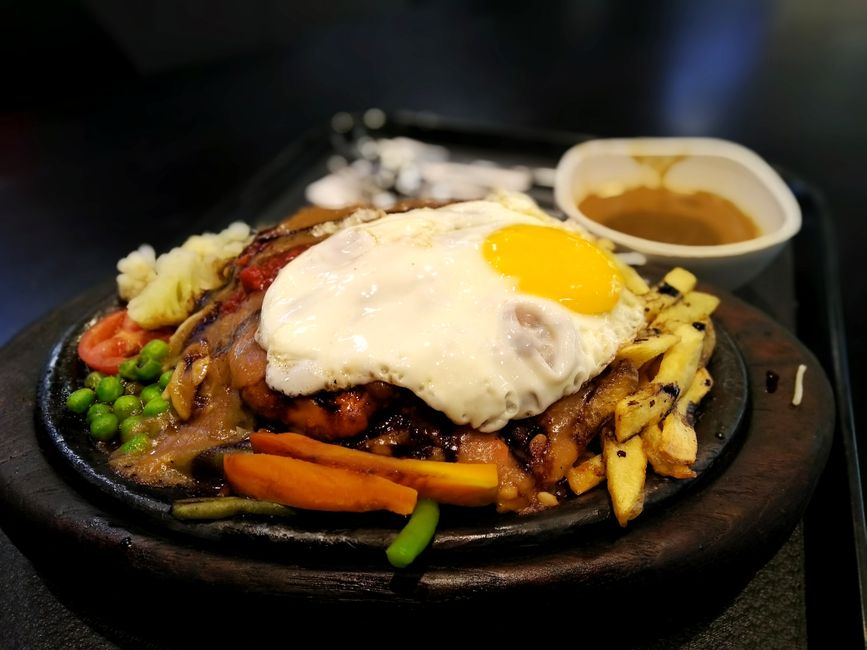
Country Fried Steak with Sweet Onion Gravy: The Ultimate Comfort Food Recipe and Guide
Country fried steak, a cornerstone of Southern cuisine and a beloved comfort food across America, exemplifies the art of transforming humble ingredients into an extraordinary culinary experience. This dish, characterized by its crispy, golden-brown exterior and tender, succulent interior, is elevated to new heights by a rich, savory sweet onion gravy. The interplay of textures and flavors – the satisfying crunch of the fried steak against the smooth, subtly sweet and pungent gravy – creates a symphony on the palate. Mastering country fried steak with sweet onion gravy involves understanding the nuances of tenderizing the beef, achieving the perfect dredge and fry, and crafting a balanced, deeply flavorful gravy. This comprehensive guide will delve into every aspect, from selecting the right cut of meat and preparing it for optimal tenderness to achieving that iconic crispiness and simmering the perfect sweet onion gravy. We will explore ingredient choices, essential techniques, troubleshooting common issues, and variations that allow for personalization while adhering to the core principles of this classic dish. Whether you’re a seasoned home cook seeking to perfect your recipe or a novice embarking on this culinary adventure, this guide aims to provide the knowledge and inspiration to create an unforgettable country fried steak with sweet onion gravy.
The foundational element of exceptional country fried steak lies in the choice and preparation of the beef. Traditionally, cube steak, also known as beefbräken steak, is the go-to cut. Its inherent tenderness, achieved through mechanical tenderizing (pounding or needling), makes it ideal for quick frying without becoming tough. Alternatively, tenderized round steak or even thinly sliced sirloin can be utilized, provided they are pounded to approximately ¼-inch thickness. The goal is to create a canvas that will absorb the flavorful coatings and cook quickly and evenly. Before breading, it is crucial to properly season the steak. A liberal application of salt and freshly ground black pepper on both sides is paramount. This initial seasoning penetrates the meat, enhancing its natural flavor. Some cooks also opt to lightly tenderize the steak further with a meat mallet, especially if using a cut that isn’t pre-tenderized. This step ensures a melt-in-your-mouth texture, a hallmark of truly great country fried steak. For those seeking an extra layer of flavor infusion, a brief marinade in buttermilk for at least 30 minutes, or even overnight, can significantly enhance tenderness and add a subtle tang that complements the richness of the dish. The acidity in the buttermilk helps to break down the muscle fibers, resulting in a more tender steak. Ensure the steaks are patted dry thoroughly after any buttermilk marination, as excess moisture will hinder the crispiness of the breading.
The dredging and breading process is where the magic of the crispy exterior begins. A classic and effective dredge involves a two-stage approach. First, the seasoned and dried steak is lightly dredged in all-purpose flour. This initial coating acts as a base, helping the subsequent wet layer adhere. Then, the floured steak is dipped into a wet mixture. The most common and highly recommended wet mixture is an egg wash, typically consisting of beaten eggs mixed with a splash of milk or buttermilk. This creates a sticky surface for the final breading. Following the egg wash, the steak is thoroughly coated in a seasoned flour mixture. This final flour coating is where much of the flavor and texture development occurs. The seasoned flour should include salt, black pepper, and often paprika for color and a hint of warmth. Some variations include garlic powder, onion powder, or even a pinch of cayenne pepper for a subtle kick. For an exceptionally crispy crust, a mixture of flour and finely crushed cornflakes or panko breadcrumbs can be employed. The key is to ensure each steak is completely and evenly coated in this final flour mixture, pressing gently to help it adhere. Excess flour should be gently shaken off before frying to prevent it from burning and creating a bitter taste. The breading should be robust enough to withstand the frying process without falling off, yet light enough to become perfectly golden brown and crispy.
The frying technique is critical for achieving the signature crispy texture of country fried steak. A medium-high heat is essential for quick, even cooking. The choice of frying fat significantly impacts the flavor and crispiness. Lard is the traditional and arguably superior choice, imparting a rich, authentic flavor and contributing to a wonderfully crisp crust. However, vegetable oil, canola oil, or peanut oil are also viable options, offering higher smoke points and neutral flavors. It is imperative to use enough fat to allow the steaks to fry freely, ideally about ½ inch deep in a heavy-bottomed skillet, such as cast iron. Overcrowding the skillet is a common mistake that leads to steaming rather than frying, resulting in a soggy crust. Fry the steaks in batches, ensuring each piece has ample space. The oil should be heated to approximately 350°F (175°C). Once the oil reaches temperature, carefully place the breaded steaks into the hot oil, presentation-side down first. Fry for approximately 3-5 minutes per side, or until a deep golden brown and crisp. The internal temperature should reach 160°F (71°C). Use tongs to carefully turn the steaks, avoiding piercing them, which can allow juices to escape. Once fried to perfection, remove the steaks from the skillet and place them on a wire rack set over a baking sheet to drain any excess oil. This allows air to circulate, maintaining their crispiness. Frying on a wire rack is far superior to draining on paper towels, which can trap steam and lead to a less desirable texture.
The soul of this dish, however, is the sweet onion gravy. The foundation of a remarkable gravy begins with rendered drippings from the fried steak, often supplemented with butter or oil if insufficient. This fat is the flavor base. Finely chopped sweet onions are then sautéed in this fat until they are deeply caramelized and translucent, releasing their natural sugars and creating a foundational sweetness. This caramelization process is crucial, as it develops a rich, complex flavor that sets this gravy apart. The sweetness of the onion is balanced by the savory elements. Once the onions are softened and slightly browned, a flour-to-fat ratio of approximately 1:1 is introduced to create a roux. The flour is stirred into the hot fat and cooked for a minute or two, ensuring the raw flour taste is eliminated. This roux acts as a thickener for the gravy. Gradually, cold or room-temperature liquid is whisked in to create a smooth emulsion. Milk, half-and-half, or a combination of milk and chicken or beef broth are commonly used. The liquid is added in stages, whisking continuously to prevent lumps. As the gravy simmers, it will begin to thicken. Seasoning is paramount at this stage. Salt and freshly ground black pepper are essential. Many recipes also call for a touch of sugar to further enhance the sweetness of the onions, a pinch of nutmeg for warmth and complexity, and sometimes a dash of Worcestershire sauce or a splash of white wine vinegar for a subtle tang to cut through the richness. The gravy should be simmered gently until it reaches the desired consistency, coating the back of a spoon. The onions should remain slightly tender, not mushy, contributing textural interest to the smooth gravy.
To maximize search engine visibility, incorporating relevant keywords throughout the article is essential. Terms like "country fried steak recipe," "sweet onion gravy," "homemade gravy," "fried steak," "comfort food," "Southern cooking," "best fried steak," "easy country fried steak," and "how to make gravy" should be strategically placed within headings, subheadings, and the body of the text. Descriptions of the cooking process, ingredient benefits, and serving suggestions naturally lend themselves to these keywords. For example, when discussing the tenderness of the meat, phrases like "tender country fried steak" or "how to make tender fried steak" can be used. When describing the gravy, "creamy sweet onion gravy" or "savory onion gravy" are effective. High-quality images, optimized with relevant alt text, will also contribute to SEO and user engagement.
Variations and enhancements can elevate this classic dish. For an extra layer of flavor in the breading, consider adding dried herbs like thyme or sage, or a pinch of garlic powder and onion powder directly into the seasoned flour. Some cooks opt for a spicier gravy by incorporating a pinch of cayenne pepper or a few dashes of hot sauce into the onion mixture before adding the flour. For a richer gravy, consider using heavy cream instead of milk or half-and-half. A splash of bourbon or whiskey added during the caramelization of the onions can impart a sophisticated depth of flavor. For those seeking a gluten-free option, rice flour or a gluten-free all-purpose blend can be substituted for wheat flour in both the breading and the gravy, though the texture may vary slightly. The cooking fat can also be diversified. Bacon fat, when available, adds an incredible smoky depth to the gravy. When it comes to serving, mashed potatoes are the quintessential accompaniment, soaking up the delicious gravy. Green beans, collard greens, or a simple side salad provide a fresh counterpoint to the richness of the dish. Cornbread or buttermilk biscuits are also excellent choices for sopping up every last drop of that sweet onion gravy.
Troubleshooting common issues ensures a successful outcome. If your fried steak isn’t crispy, the oil may not have been hot enough, or the steaks were overcrowded in the pan. Overworking the dough or not allowing the roux to cook properly can result in a gummy gravy. If the gravy is too thin, simmer it longer or create a slurry of cornstarch and water (1 tablespoon cornstarch to 2 tablespoons water) and whisk it in, simmering until thickened. If the gravy is too thick, thin it with a little extra milk or broth. Blandness is often remedied by a more generous hand with salt and pepper, or the addition of other seasonings. Tough steak usually indicates either an improper cut or insufficient tenderizing. Remember that consistent temperature control for both frying and simmering is key to achieving optimal results. Don’t be afraid to taste and adjust seasonings throughout the gravy-making process. The sweetness of the onions will vary, so the amount of added sugar may need to be adjusted accordingly.
The cultural significance of country fried steak with sweet onion gravy cannot be overstated. It represents a culinary heritage deeply rooted in resourcefulness and flavor. It’s a dish that evokes nostalgia, family gatherings, and the comforting embrace of home-cooked meals. Its popularity transcends regional boundaries, solidifying its status as an American classic. The simplicity of its core ingredients belies the complexity of flavor and texture that can be achieved through careful preparation and technique. This dish is a testament to the fact that some of the most satisfying meals come from humble beginnings, transformed by culinary skill and a love for good food. The practice of pounding and breading tougher cuts of meat originated as a way to make them more palatable and tender, a culinary innovation born out of necessity that has since become a beloved tradition. The addition of sweet onions to the gravy is a Southern twist that adds a unique sweetness and depth, distinguishing it from other gravy preparations. It’s a dish that continues to be celebrated and enjoyed by generations, a true icon of American comfort food, best experienced when served piping hot and generously doused in its signature sweet onion gravy.
In conclusion, country fried steak with sweet onion gravy is a culinary masterpiece that combines simple ingredients with expert technique to create an unforgettable dining experience. From the careful selection and tenderizing of the beef to the artful dredging, precise frying, and the slow simmering of a rich, sweet onion gravy, every step contributes to the final symphony of flavors and textures. This comprehensive guide has provided an in-depth look at the essential elements, offering practical advice and variations to empower home cooks of all levels to achieve perfection. By understanding the fundamental principles of this beloved dish and paying attention to the details, you can recreate this iconic comfort food in your own kitchen, delighting family and friends with a taste of true American culinary heritage. The enduring appeal of country fried steak with sweet onion gravy lies in its ability to satisfy not only the appetite but also the soul, offering a comforting and deeply flavorful experience that resonates with the heart of home cooking.