Category Pennsylvania Dutch Cuisine
Pennsylvania Dutch Cuisine: A Culinary Heritage of Hearty Flavors and Enduring Traditions
Pennsylvania Dutch cuisine, a distinctive and deeply rooted culinary tradition, represents the enduring legacy of German-speaking immigrants who settled in southeastern Pennsylvania beginning in the late 17th century. Far from being a monolithic entity, this cuisine is a vibrant tapestry woven from threads of various German dialects and regional influences, adapted and refined over centuries to suit the agricultural bounty and practical needs of the region. The term "Dutch" itself is a misnomer, stemming from the Anglicization of "Deutsch," the German word for German. These Anabaptist groups, including Mennonites, Amish, and others, brought with them a profound connection to the land and a dedication to simple, yet flavorful, food preparation. Their culinary philosophy centered on utilizing locally sourced ingredients, maximizing preservation techniques, and creating dishes that were both nourishing and comforting, designed to sustain a hardworking agricultural lifestyle. This commitment to freshness, seasonality, and resourcefulness continues to define Pennsylvania Dutch cooking, making it a beloved and influential part of American culinary heritage.
At its core, Pennsylvania Dutch cuisine is characterized by its emphasis on simple, wholesome ingredients and straightforward preparation methods. The agricultural landscape of southeastern Pennsylvania, often referred to as the "garden spot of America," provided an abundant larder for these early settlers. Root vegetables like potatoes, carrots, and turnips were staples, easily cultivated and stored for the winter months. Cabbage, a cornerstone of many dishes, was not only readily grown but also a versatile ingredient, forming the basis for sauerkraut, cole slaw, and stuffed cabbage. Pork, in its myriad forms, played a central role. Hogs were raised extensively, and every part of the animal was utilized, leading to the development of cured hams, bacons, sausages, and rich pork fats that added depth and flavor to countless recipes. Dairy products, including milk, butter, and cheese, were also readily available, contributing to the creamy textures and rich flavors found in many baked goods and savory dishes. The changing seasons dictated the availability of produce, meaning meals were inherently seasonal, emphasizing fresh fruits and vegetables in the summer and relying on preserved goods and heartier fare during colder months. This adaptability and reliance on what the land provided is a defining characteristic that has allowed Pennsylvania Dutch cuisine to endure and adapt.
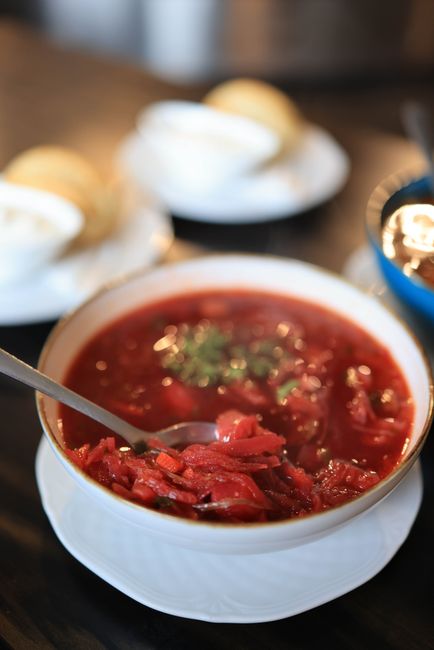
A hallmark of Pennsylvania Dutch cooking is its reliance on one-pot meals and slow-cooking methods, a testament to the practicality and efficiency valued by the communities. Dishes like "Scrapple," a loaf made from pork scraps, cornmeal, and seasonings, often served fried for breakfast, exemplify this no-waste philosophy. "Brunswick Stew," a hearty and thick stew typically made with chicken or game, corn, tomatoes, and lima beans, is another classic that evolved from the need to utilize available ingredients and create a substantial meal that could feed a family. "Red Flannel Hash," a colorful and flavorful dish composed of diced cooked beets, potatoes, and often corned beef or pork, demonstrates the ingenious use of root vegetables. The slow simmering of these ingredients allowed for the melding of flavors and the tenderization of tougher cuts of meat, resulting in deeply satisfying and comforting dishes. These meals were not just about sustenance; they were about bringing families together around the table, sharing the fruits of their labor and fostering a sense of community. The preparation itself was often a communal activity, especially during harvest seasons, further solidifying the social importance of food.
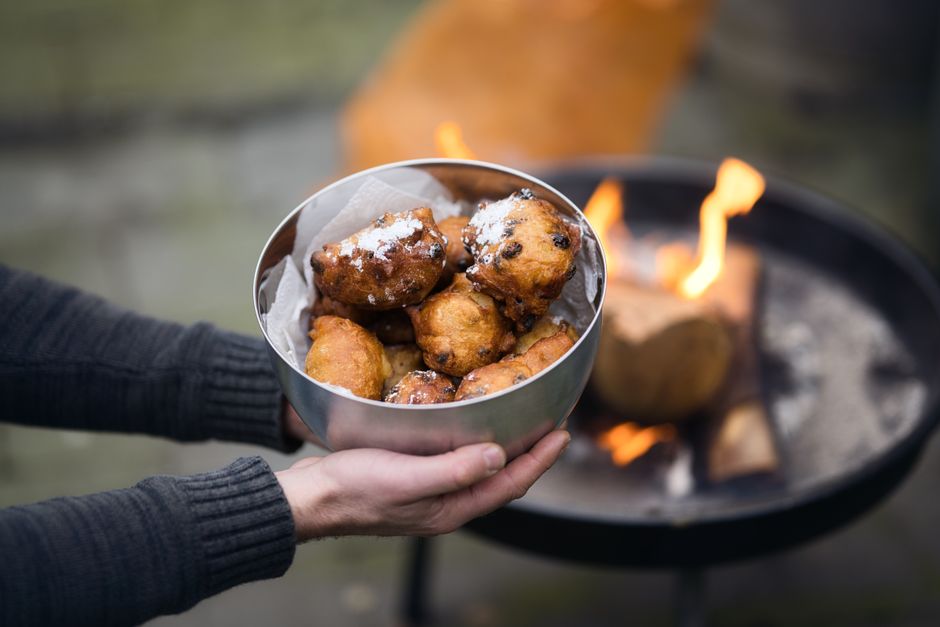
Baking is another vital component of Pennsylvania Dutch culinary identity. Their baked goods are renowned for their richness, comforting textures, and often surprisingly simple yet intensely flavorful profiles. "Shoofly Pie," arguably the most iconic Pennsylvania Dutch dessert, is a molasses-sweetened, cake-topped pie that derives its name from the tendency for flies to be attracted to its sweet, sticky surface. The distinctive crumb topping, made from flour, butter, and brown sugar, provides a delightful textural contrast to the soft, cake-like bottom layer. "Fastnachts," a type of doughnut traditionally made and consumed before Lent, are another beloved baked good. These can be sweet or savory, and their hearty texture is a far cry from the airy doughnuts common elsewhere. "Applesauce Cake," a moist and flavorful cake infused with the sweetness and tartness of applesauce, showcases the region’s abundant apple orchards. "Cinnamon Rolls," often made with a rich dough and generously spiced, are a breakfast and dessert staple. The baking traditions were passed down through generations, with recipes often memorized rather than written, contributing to the unique and often subtly varied interpretations of classic dishes. The use of lard as a primary fat in many baked goods contributes to their distinctive flakiness and richness, a practice rooted in the readily available pork products.
The influence of preserving techniques is deeply embedded in Pennsylvania Dutch cuisine. With long winters and the need to make the most of harvest yields, pickling, canning, and curing were essential skills. "Pickled Beets," "Pickled Eggs," and various "Relishes" and "Chow-Chows" are common accompaniments to meals, providing a tangy contrast to richer dishes. Sauerkraut, fermented cabbage, is a staple, served as a side dish or incorporated into other recipes, offering a dose of probiotics and a distinctive sharp flavor. "Scrapple" itself can be considered a preserved food, as its initial cooking and subsequent chilling allowed for longer storage. The practice of rendering lard and preserving it was also crucial, providing a versatile cooking fat throughout the year. These preservation methods were not just about practicality; they were about ensuring food security and maintaining dietary variety even when fresh ingredients were scarce. The art of canning extended to fruits and vegetables, allowing the flavors of summer to be enjoyed well into the colder months.
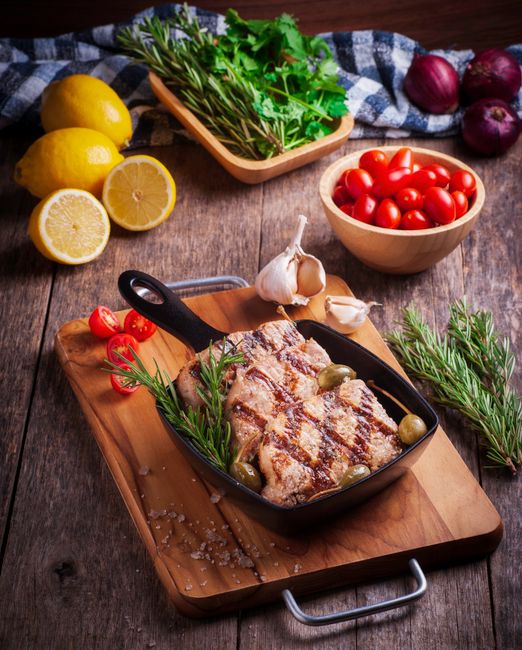
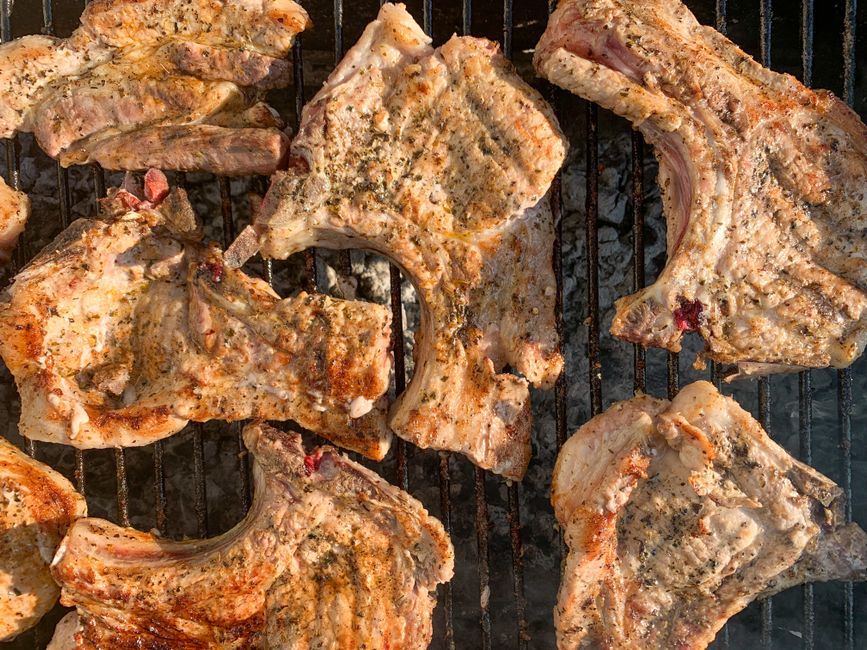
Beyond the signature dishes, the everyday meals of Pennsylvania Dutch families reveal a commitment to hearty, flavorful, and economical cooking. "Chicken Pot Pie," a comforting and filling dish featuring tender chicken and vegetables in a rich gravy, often topped with a flaky pastry or dropped dumplings, is a quintessential example. "Roast Chicken" or "Roast Pork" with classic accompaniments like mashed potatoes, gravy, and seasonal vegetables were common Sunday dinners. "Goose" was also a popular fowl, particularly during holidays. "Sausage" in its various forms – from bratwurst to kielbasa-style – was a versatile protein, enjoyed grilled, fried, or incorporated into casseroles. The use of herbs like parsley, dill, and thyme, along with spices like black pepper and nutmeg, added complexity to simple ingredients. The humble potato, prepared in countless ways – mashed, fried, roasted, scalloped – remained a constant presence on the table. This emphasis on accessible ingredients and satisfying flavors laid the foundation for a culinary tradition that continues to resonate today.
The Pennsylvania Dutch culinary landscape extends to its beverages as well. "Root Beer," often homemade, was a popular non-alcoholic option, with its distinct spiced flavor. "Cider," made from freshly pressed apples, was a seasonal delight, and hard cider also played a role. Coffee and tea were also common, providing warmth and comfort. The simplicity of these beverages mirrors the overall ethos of the cuisine – straightforward, refreshing, and made with readily available ingredients. The focus was on pure, unadulterated flavors that complemented the food rather than overpowering it.
In contemporary times, Pennsylvania Dutch cuisine has experienced a resurgence of interest, appreciated not only for its historical significance but also for its delicious and satisfying flavors. While some modern interpretations may incorporate contemporary ingredients or techniques, the core principles of fresh, seasonal produce, quality meats, and comforting preparation methods remain intact. Restaurants and farm stands across Pennsylvania continue to serve these time-honored dishes, introducing new generations to the unique tastes of this enduring culinary heritage. The rise of the farm-to-table movement has also found a natural ally in Pennsylvania Dutch cooking, highlighting the inherent connection to local agriculture that has always been a cornerstone of this tradition. The emphasis on resourcefulness, flavor, and community continues to make Pennsylvania Dutch cuisine a relevant and celebrated part of the American culinary identity. The enduring appeal lies in its authenticity and its ability to evoke a sense of comfort and nostalgia, a testament to the resilience and ingenuity of the people who created it. Exploring this cuisine is not just about tasting food; it’s about experiencing a living history, a culinary narrative that continues to nourish and delight.