Tag Navajo Fry Bread
Navajo Fry Bread: A Staple of Indigenous Cuisine and a Culinary Icon
Navajo fry bread, or "Taa’dín" in the Navajo language, is far more than just a food item; it is a deeply ingrained cultural symbol and a cornerstone of Indigenous cuisine, particularly within the Navajo Nation. Its origins are rooted in hardship and resilience, a testament to the ingenuity and adaptability of the Diné people. Today, fry bread holds a prominent place at community gatherings, cultural events, powwows, and in the homes of Navajo families, representing not only sustenance but also heritage and identity. Understanding Navajo fry bread involves delving into its historical context, its evolution as a culinary staple, the diverse ways it is prepared and served, and its significant cultural and economic impact.
The historical narrative of Navajo fry bread is intrinsically linked to the Trail of Tears and the subsequent forced relocation of Native American tribes, including the Navajo, to reservations. Following the Long Walk of the Navajo in 1864, where they were forcibly marched hundreds of miles from their ancestral lands in Arizona and New Mexico to a reservation in eastern New Mexico, the Diné people were subjected to extreme poverty and starvation. The U.S. government provided rations, which often consisted of basic staples like flour, lard, and salt. It was from these limited ingredients, distributed by the government, that the resourceful Navajo people developed fry bread. The ability to fry dough in lard, a common cooking fat available at the time, transformed these basic provisions into a nourishing and adaptable food source. This act of culinary innovation, born out of necessity, allowed the Navajo to sustain themselves and their families during a profoundly challenging period. The creation of fry bread is a powerful symbol of their ability to adapt and thrive in the face of adversity, transforming scarcity into a culinary tradition.
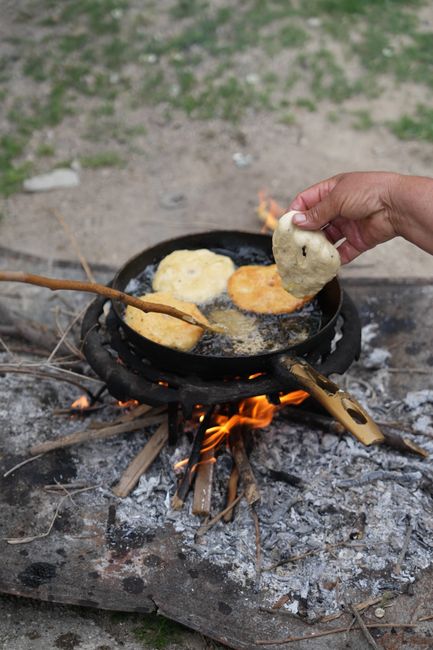
The fundamental recipe for Navajo fry bread is deceptively simple, typically comprising only a few core ingredients: flour, water, salt, and some form of leavening, though some traditional recipes omit leavening for a denser result. The type of flour used can vary, with all-purpose flour being the most common. Baking powder is often added to achieve a lighter, fluffier texture, though some purists adhere to a leavening-free version that results in a chewier fry bread. Water is mixed with the dry ingredients to form a dough, which is then kneaded until smooth and elastic. The dough is then typically portioned, flattened, and sometimes a small slit is made in the center to prevent it from puffing up unevenly during frying. The crucial step is the frying process itself. The dough is carefully placed into hot lard or shortening, and fried until golden brown and puffy on both sides. The precise temperature of the oil and the frying time are critical to achieving the desired texture – a crispy exterior with a soft, slightly chewy interior. Lard was historically the preferred frying medium due to its availability and flavor, contributing to the distinct taste of authentic Navajo fry bread. Modern variations may utilize vegetable oil or shortening for health or availability reasons, but the essence of the cooking method remains the same.
Navajo fry bread is incredibly versatile, serving as a base for a wide array of toppings and preparations, both savory and sweet. The most iconic and widely recognized serving style is as a "Navajo Taco" or "Indian Taco." This involves a piece of hot, freshly fried fry bread topped with seasoned ground meat (often beef), beans (refried or whole), lettuce, tomatoes, cheese, salsa, and sour cream. The combination of the warm, crispy bread with the flavorful toppings creates a satisfying and hearty meal. Beyond the Navajo Taco, fry bread can be enjoyed in simpler forms. It is often served as a side dish, accompanying stews, chilis, or other main courses, its neutral flavor profile complementing a variety of dishes. For a sweet treat, fry bread can be dusted with powdered sugar, drizzled with honey or syrup, or topped with fruit preserves. These sweet variations are popular for breakfast or as a dessert, showcasing the adaptability of this culinary staple. Some regions and families also incorporate unique regional ingredients or personal touches, further diversifying the fry bread experience.
The cultural significance of Navajo fry bread extends far beyond its culinary appeal. It is a powerful symbol of cultural identity and a tangible connection to ancestral traditions. For many Navajo people, the aroma and taste of fry bread evoke memories of childhood, family gatherings, and community events. It is a food that brings people together, fostering a sense of belonging and shared heritage. At powwows, festivals, and ceremonial gatherings, fry bread stands are ubiquitous, serving not only as a food source but as a gathering point and a symbol of cultural continuity. The act of preparing and sharing fry bread is often a communal activity, with families and friends coming together to make large batches, further strengthening social bonds. The sale of fry bread at these events also represents a vital source of income for many Navajo artisans and entrepreneurs, contributing to the economic well-being of the community.
In contemporary times, Navajo fry bread has transcended its regional origins to gain wider recognition and appreciation. It is celebrated at Indigenous food festivals, featured in cookbooks, and enjoyed by people from diverse backgrounds. While its popularity has grown, there is also an ongoing dialogue within the Navajo Nation and among Indigenous communities about its place in modern Indigenous cuisine. Some advocate for its continued prominence as a symbol of resilience and cultural heritage, while others encourage the exploration and promotion of more traditional, pre-contact Indigenous foods. This discussion highlights the dynamic nature of cultural traditions and the ongoing evolution of Indigenous foodways. Despite these conversations, the enduring appeal of Navajo fry bread is undeniable, continuing to hold a special place in the hearts and palates of many.
The preparation of Navajo fry bread requires attention to detail and a mastery of specific techniques. The quality of the ingredients is paramount. Fresh flour, good quality lard or shortening, and pure water are essential for optimal results. The consistency of the dough is crucial; it should be pliable and not too sticky, nor too dry. Kneading develops the gluten, contributing to the chewy texture of the finished product. When frying, maintaining the correct oil temperature is vital. If the oil is too cool, the fry bread will absorb too much grease and become heavy and soggy. If the oil is too hot, the exterior will brown too quickly before the interior is cooked through. Experienced fry bread makers often possess an intuitive understanding of these factors, honed through years of practice. The visual cue of the dough puffing up and developing golden-brown bubbles is a key indicator of successful frying. The "puffy" aspect is particularly prized, as it signifies a light and airy interior.
Navajo fry bread is not merely a recipe; it is a living testament to the enduring spirit and culinary ingenuity of the Navajo people. Its journey from a survival food to a beloved cultural icon underscores its deep significance. The simple act of frying dough has become a profound expression of identity, resilience, and community. As food trends evolve and dietary landscapes shift, Navajo fry bread remains a constant, a comforting and delicious reminder of a rich heritage. Its adaptability allows it to be enjoyed in countless ways, from a hearty meal to a sweet indulgence, ensuring its continued relevance. The economic contributions of fry bread vendors at cultural events and gatherings also highlight its practical importance in supporting Navajo communities.
The narrative surrounding Navajo fry bread is one of transformation. It transformed a basic government ration into a nourishing and culturally significant food. It transformed hardship into a source of pride and identity. Today, it continues to transform simple ingredients into a culinary experience that connects people to their roots and to each other. The global appreciation for Indigenous cuisines continues to grow, and Navajo fry bread stands as a shining example of the depth and richness of these culinary traditions. Its story is a compelling one, resonating with themes of survival, adaptation, and the enduring power of food to preserve and celebrate culture.
Further exploration into the nuances of Navajo fry bread reveals regional variations and personal preferences that contribute to its rich tapestry. While the core ingredients remain consistent, slight modifications in dough consistency, frying temperature, or the addition of subtle flavorings can create distinct experiences. For instance, some recipes might call for a touch of sugar in the dough to achieve a slightly sweeter profile, while others might emphasize the savory aspects through the choice of toppings. The way the dough is shaped and fried also plays a role. Some prefer a flatter, crisper fry bread, while others favor a puffier, more bread-like texture. These variations are not simply differences in execution but often reflect the passed-down knowledge and traditions of individual families and communities within the Navajo Nation. This decentralized approach to culinary tradition allows for a vibrant and diverse expression of fry bread, making each encounter a unique exploration of Navajo culinary heritage.
The economic impact of Navajo fry bread is a significant, often overlooked, aspect of its cultural importance. At powwows, festivals, and local markets across the Navajo Nation and beyond, fry bread vendors are a common sight. For many individuals and families, operating a fry bread stand represents a vital source of income, providing a livelihood and contributing to the local economy. The demand for authentic Navajo fry bread at these events is consistently high, allowing entrepreneurs to generate revenue, support their families, and reinvest in their businesses. This economic activity is not merely transactional; it is deeply intertwined with the cultural fabric of the community. The success of fry bread vendors often enables them to participate more fully in cultural events, support community initiatives, and pass down entrepreneurial skills to future generations. In essence, Navajo fry bread is not just a food item; it is an economic engine that sustains and empowers Navajo communities.
The evolution of fry bread preparation methods also speaks to its adaptability. While traditional methods relied on open fires and lard-rendered over campfires, modern kitchens utilize gas stoves, electric fryers, and a variety of cooking oils. Despite these technological advancements, the core principles of creating a well-cooked fry bread remain the same: controlled heat, proper dough consistency, and careful frying technique. The advent of pre-packaged fry bread mixes has also made it more accessible to a wider audience, though many still prefer the authenticity and control that comes with making fry bread from scratch. This ongoing adaptation ensures that fry bread remains relevant and accessible in a changing world, while still honoring its historical roots. The continued practice of making fry bread by hand, by individuals and families, is a powerful act of cultural preservation and a commitment to keeping the tradition alive.
In conclusion, Navajo fry bread is a complex and multifaceted culinary tradition with profound historical, cultural, and economic significance. Its origins in adversity have blossomed into a symbol of resilience, identity, and community. The simple yet artful preparation of this staple food continues to bring people together, fostering connections to heritage and to one another. Whether enjoyed as a savory Navajo Taco or a sweet treat, fry bread remains an enduring and beloved icon of Indigenous cuisine, a testament to the strength and ingenuity of the Navajo people. Its story is one of survival, adaptation, and the powerful role that food plays in preserving and celebrating culture for generations to come. The continued popularity and appreciation for Navajo fry bread ensure its place as a vital component of Indigenous foodways for the foreseeable future.