Easy Baked Beef Brisket
Easy Baked Beef Brisket: A Step-by-Step Guide to Tender, Flavorful Perfection
This guide demystifies the process of achieving exceptionally tender and flavorful beef brisket through simple oven baking techniques. Forget the complexities of smoking or slow-cooking; this method prioritizes ease without sacrificing the rich, melt-in-your-mouth texture that makes brisket a beloved cut. We will cover everything from selecting the right cut of meat to achieving that coveted smoky essence without a smoker, ensuring a consistently delicious outcome for both novice and experienced home cooks. The key to a successful baked brisket lies in understanding the meat’s properties and employing a few straightforward techniques that enhance its natural flavors and break down connective tissues effectively.
Choosing the Right Brisket Cut: Flat vs. Point
The first crucial step in creating an outstanding baked beef brisket is selecting the appropriate cut. Beef brisket is a notoriously tough cut, coming from the chest or breast of the cow. Its toughness is due to the abundance of connective tissue and fat. For baking, we are generally looking at two primary sections: the flat (also known as the first cut or lean) and the point (also known as the second cut or fatty). Each has its own characteristics that lend themselves to different results.
The brisket flat is leaner, with a more uniform thickness. It is often preferred for slicing into uniform, presentable pieces. However, due to its lower fat content, it can be more prone to drying out if not cooked properly. For baking, especially for those new to brisket, the flat can be a forgiving option if you pay close attention to internal temperature. It will still yield a tender result, but the marbling within the point contributes significantly to moisture and flavor.
The brisket point, on the other hand, is significantly fattier and more marbled. It often has a thicker, more irregular shape. This abundant fat renders beautifully during the slow cooking process, basting the meat and contributing to an incredibly moist and flavorful outcome. The point is often used for shredded or chopped brisket, like in barbecue sandwiches, but it can also be sliced, albeit with a more rustic appearance. For a truly melt-in-your-mouth experience, especially for an easy baked brisket, the point is often the superior choice due to its inherent moisture and fat content.
When purchasing your brisket, look for a USDA Prime or Choice grade if possible. The higher the grade, the more marbling (intramuscular fat) the cut will have, which is essential for tenderness and moisture. A good starting point for size is typically 3-5 pounds. Don’t be afraid to trim some of the excess hard fat from the exterior – usually leaving about ¼ to ½ inch of the softer fat cap is ideal. This fat cap will render down and baste the meat during the baking process. The underside of the brisket should also have a nice layer of fat.
The Power of the Rub: Building Flavor Layers
A well-crafted rub is paramount to infusing the brisket with deep, complex flavors. For an easy baked brisket, the goal is to create a savory crust that complements the richness of the beef. While many barbecue rubs exist, a simple yet effective foundation can be achieved with common pantry staples.
The core components of a classic brisket rub include:
- Salt: Kosher salt is preferred for its larger, flakier crystals that adhere well to the meat and provide even seasoning. It also acts as a crucial element in tenderizing the meat by breaking down proteins.
- Black Pepper: Coarsely ground black pepper is essential for its pungent, slightly spicy kick. The grind size is important; finely ground pepper can become bitter during long cooking times.
- Garlic Powder: Adds a fundamental savory and aromatic layer.
- Onion Powder: Provides a sweet, savory depth that complements the beef.
- Paprika: Smoked paprika is highly recommended for adding a subtle smoky aroma and a beautiful reddish hue to the finished crust. Sweet paprika can also be used, but smoked paprika offers an advantage in replicating a barbecue-like flavor without a smoker.
- Brown Sugar (Optional): A small amount of brown sugar can help with caramelization and create a slightly sweet and savory balance. Use sparingly if you prefer a less sweet profile.
A basic, yet highly effective rub ratio often involves equal parts salt and black pepper, with smaller proportions of garlic powder, onion powder, and paprika. For a 4-pound brisket, you might start with 2 tablespoons of kosher salt, 2 tablespoons of coarse black pepper, 1 tablespoon of garlic powder, 1 tablespoon of onion powder, and 1 tablespoon of smoked paprika. Adjust these proportions to your personal taste.
Before applying the rub, it’s beneficial to pat the brisket dry with paper towels. This allows the rub to adhere better and promotes the formation of a nice crust. Generously coat all surfaces of the brisket, pressing the rub into the meat. For even better flavor penetration, you can apply the rub several hours in advance, or even the night before, and refrigerate the brisket uncovered. This allows the salt to begin its work of drawing out moisture and then reabsorbing it, carrying the rub’s flavors deeper into the meat. This dry brining technique significantly enhances the overall taste and texture.
The Braising Liquid: Moisture and Flavor Infusion
While the rub provides the exterior flavor, the braising liquid plays a vital role in keeping the brisket moist and tender during the long, slow bake. This liquid will create steam within the covered pan, essentially creating a moist environment that prevents the meat from drying out and helps to break down the tough connective tissues.
A simple yet effective braising liquid can be made with a combination of:
- Beef Broth: Provides a savory base that complements the beef. Low-sodium broth is a good choice, allowing you to control the saltiness of the final dish.
- Worcestershire Sauce: Adds a layer of umami, tang, and subtle spice. It’s a classic accompaniment to beef dishes.
- Liquid Smoke (Optional but Recommended): This is your secret weapon for achieving a smoky flavor without a smoker. A little goes a long way. Start with 1-2 teaspoons and adjust to your preference. It genuinely elevates the baked brisket to a new level, mimicking the results of traditional barbecue.
- Vinegar (Apple Cider or Red Wine): A touch of acidity helps to tenderize the meat and balances the richness of the beef.
- Aromatics (Optional): Sliced onions, garlic cloves, and bay leaves can be added to the braising liquid for an extra layer of fragrance and flavor.
For a 4-pound brisket, a good starting point for the braising liquid would be approximately 2 cups of beef broth, ¼ cup of Worcestershire sauce, 1-2 teaspoons of liquid smoke, and 2 tablespoons of apple cider vinegar. If using aromatics, scatter them around the brisket in the pan.
The Baking Process: Low and Slow for Ultimate Tenderness
The key to a successful baked brisket is cooking it at a low temperature for an extended period. This allows the connective tissues to break down gradually, transforming a tough cut into a succulent, fork-tender masterpiece.
-
Preheat the Oven: Preheat your oven to 300°F (150°C). A low and consistent temperature is crucial for slow cooking.
-
Prepare the Pan: Select a heavy-duty roasting pan or a Dutch oven that is large enough to accommodate the brisket comfortably. Place the rubbed brisket in the pan, fat-side up. This allows the rendering fat to baste the meat as it cooks.
-
Add the Braising Liquid: Pour the prepared braising liquid around the brisket in the pan. Ensure the liquid comes up about one-third to halfway up the sides of the brisket.
-
Cover Tightly: This is a critical step for retaining moisture. Tightly cover the roasting pan with a double layer of heavy-duty aluminum foil, ensuring a good seal. If using a Dutch oven, ensure the lid is on securely.
-
The Long Bake: Place the covered pan in the preheated oven. The cooking time will vary depending on the size and thickness of your brisket, but a general guideline is approximately 1.5 to 2 hours per pound. For a 4-pound brisket, expect it to take between 6 to 8 hours.
-
Internal Temperature is Key: The true indicator of doneness for brisket is its internal temperature, not just the cooking time. You are aiming for an internal temperature of 195°F to 205°F (90°C to 96°C) in the thickest part of the brisket. Using an instant-read meat thermometer is essential. Don’t be tempted to cut into it before it reaches this temperature range. The meat will still feel firm at lower temperatures.
-
Resting is Non-Negotiable: Once the brisket reaches the target internal temperature, remove the pan from the oven. Crucially, do not slice it immediately. Allow the brisket to rest, still covered, for at least 30 minutes, and ideally for 1 to 2 hours, at room temperature or in a warming oven at a very low temperature (around 150°F/65°C). Resting allows the juices, which have been pushed to the center during cooking, to redistribute throughout the meat. Skipping this step will result in a dry brisket, as all those precious juices will escape onto the cutting board.
Enhancing Smokiness Without a Smoker: The Liquid Smoke Advantage
For many, the allure of brisket lies in its smoky flavor. Achieving this without a smoker might seem challenging, but liquid smoke is a remarkably effective and accessible solution for home cooks. Liquid smoke is produced by condensing the smoke from burning hardwoods. It’s a concentrated flavoring agent that can impart a distinct smoky aroma and taste to foods.
When incorporating liquid smoke into your baked brisket, it’s important to use it judiciously. Too much can result in an artificial or overpowering smoky flavor. Start with a small amount, as suggested in the braising liquid section (1-2 teaspoons for a 4-pound brisket), and then adjust in future attempts if you desire a more pronounced smoky profile. The long, slow cooking process allows the liquid smoke to meld beautifully with the other flavors of the rub and braising liquid, creating a complex and satisfying smoky essence that is surprisingly close to traditionally smoked brisket.
Another subtle way to enhance smokiness, though less impactful than liquid smoke, is by using smoked paprika in your rub. This paprika, made from peppers that have been smoked, contributes a gentle smoky undertone that complements the overall flavor profile.
Troubleshooting Common Brisket Baking Issues
Even with straightforward methods, occasional challenges can arise. Here’s how to address them:
- Dry Brisket: This is the most common issue. It’s usually a result of overcooking, not resting long enough, or not using enough moisture in the braising liquid. Ensure you’re monitoring internal temperature closely and allowing ample resting time. If it’s already cooked and seems dry, you can try shredding it and returning it to the pan with some of the rendered juices or a bit more broth to rehydrate it.
- Tough Brisket: This indicates insufficient cooking time. Brisket requires time for the collagen to break down. Continue cooking until the target internal temperature is reached and the meat probes with a fork with very little resistance.
- Rub Not Sticking: Ensure the brisket is patted dry before applying the rub. The slight moisture on the surface of the meat is crucial for the rub to adhere properly.
- Uneven Cooking: Brisket can have uneven thickness. If one end seems to be cooking much faster than the other, you can loosely tent that end with foil to slow down its cooking while the rest catches up.
Serving Your Easy Baked Brisket
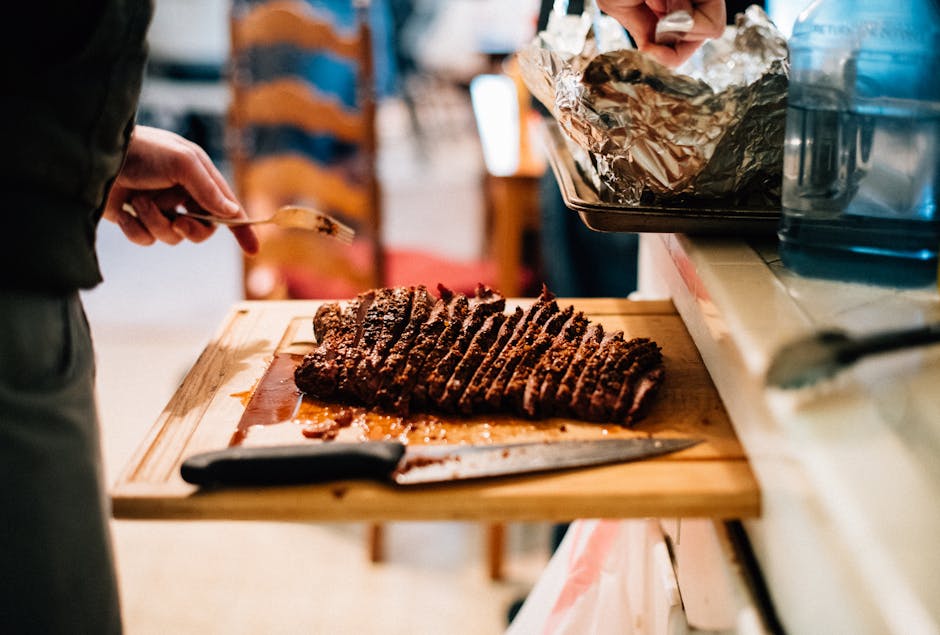
Once your brisket has rested sufficiently, it’s time to slice and serve. Using a sharp, long slicing knife is crucial for clean cuts. Slice the brisket against the grain. Identifying the grain can be tricky, as brisket has grain running in multiple directions due to its musculature. Look for the direction of the muscle fibers and cut perpendicularly across them. This is vital for achieving tenderness. If you’ve used a point cut, you might find areas with a different grain direction, and you’ll need to adjust your slicing accordingly.
Serve your tender, flavorful baked brisket with classic barbecue sides such as coleslaw, potato salad, mac and cheese, or cornbread. The rich, savory juices from the pan can be strained and used as a delicious au jus or drizzled over the sliced brisket. This easy baked beef brisket recipe provides a foundation for a truly impressive meal that is surprisingly accessible for any home cook.