
The Best Steak Marinade

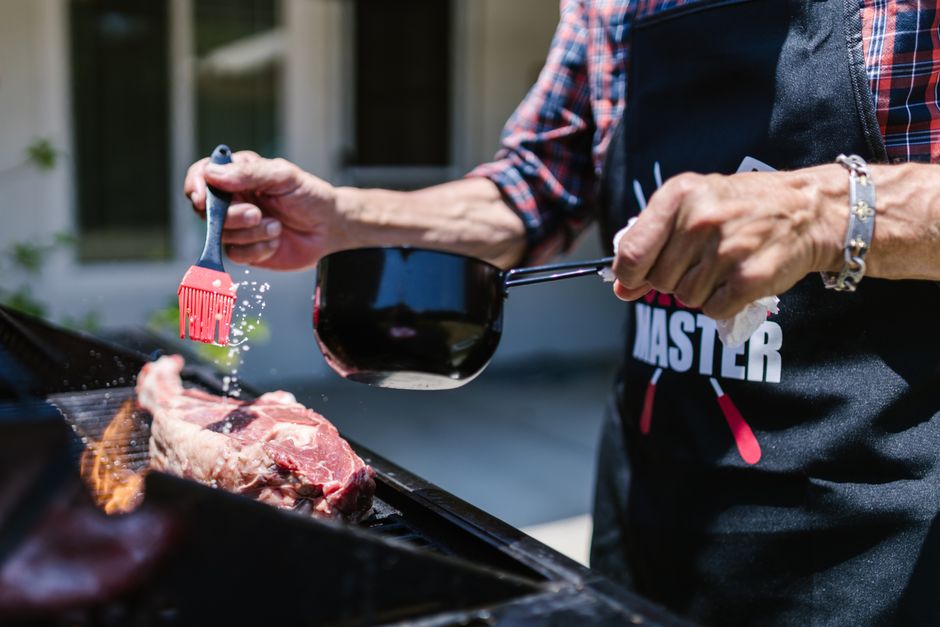
The Ultimate Steak Marinade: Unlocking Unparalleled Flavor and Tenderness
Marinades are a culinary alchemist’s secret weapon, transforming ordinary cuts of beef into extraordinary dining experiences. The right steak marinade doesn’t just add flavor; it actively tenderizes the meat, allowing seasonings to penetrate deep into the muscle fibers, resulting in a more succulent and enjoyable steak. Understanding the fundamental components of a successful marinade is key to mastering this technique. These components typically fall into three main categories: an acidic element, an oil, and flavorings. The acidic component, such as vinegar, citrus juice, or even yogurt, breaks down tough connective tissues in the steak, making it more tender. However, it’s crucial to strike a balance; too much acid for too long can "cook" the exterior of the steak, resulting in a mushy texture. The oil, often olive oil, vegetable oil, or sesame oil, helps to carry fat-soluble flavors and prevents the steak from sticking to the grill or pan. Finally, the flavorings are where culinary creativity truly shines. These can range from simple herbs and spices to complex pastes and sauces, each contributing a unique dimension to the final dish.
The science behind steak marinades involves enzymatic reactions and molecular interactions. Acids, as mentioned, work by denaturing proteins. For instance, the citric acid in lemon juice or the acetic acid in vinegar initiate this process. Other acidic ingredients like buttermilk or yogurt contain lactic acid, which is generally gentler and can contribute to a creamier texture. Enzymes found in certain ingredients, like pineapple (bromelain) or papaya (papain), are even more potent tenderizers. However, these require very careful application, as they can quickly render the steak to an unappealing mush if overused. The oil component acts as a solvent for fat-soluble flavor compounds, enhancing their diffusion into the meat. It also creates a barrier that helps retain moisture during cooking, preventing the steak from drying out. Salt, an often overlooked but essential element, plays a dual role. It draws out moisture initially, but then allows the marinade to rehydrate the meat, carrying the dissolved flavors deeper into the steak. This process, known as osmosis, is fundamental to effective marination.
Exploring the core components of a versatile steak marinade reveals the building blocks for countless flavor profiles. At its heart, a good marinade needs an acid to tenderize. Common choices include balsamic vinegar, red wine vinegar, apple cider vinegar, lime juice, lemon juice, and even Worcestershire sauce, which contains vinegar as a primary ingredient. The strength of the acid dictates marinating time; more potent acids require shorter marination periods to avoid textural degradation. Olive oil is a classic choice for its robust flavor and healthy fat profile, but other oils like grapeseed oil (neutral), avocado oil (high smoke point), or sesame oil (distinct nutty flavor) can be employed depending on the desired taste. Flavorings are where personalization takes center stage. Garlic, in its various forms – minced, crushed, or powdered – is almost universally beloved for its pungent aroma and taste. Onions, whether finely diced, grated, or in powder form, offer a sweet and savory depth. Herbs, both fresh and dried, add aromatic complexity. Rosemary, thyme, oregano, and parsley are perennial favorites for steak, but consider adventurous additions like cilantro or mint for a global twist. Spices like black pepper, red pepper flakes, paprika, and cumin provide warmth and heat. Soy sauce or tamari introduces umami, a savory fifth taste that amplifies meaty flavors. Dijon mustard or honey can add tang and sweetness respectively, balancing the acidic and savory notes.
When constructing a steak marinade, proportions are as critical as ingredient selection. A general guideline for a balanced marinade is a 3:1 ratio of oil to acid. This ratio ensures that the tenderizing effect of the acid is tempered by the lubricating and flavor-carrying properties of the oil, preventing the meat from becoming mushy. For example, for every quarter cup of vinegar or citrus juice, use three-quarters of a cup of olive oil. The amount of salt can vary significantly based on personal preference and the presence of salty ingredients like soy sauce, but a good starting point is around one teaspoon of kosher salt per pound of steak. Garlic and onion typically form the aromatic base, with two to three cloves of minced garlic and half a small onion (finely minced or grated) per pound of steak being a common and effective measure. Fresh herbs can be used in larger quantities than dried; for instance, two tablespoons of chopped fresh rosemary can be substituted with one teaspoon of dried rosemary. Spices are potent and should be added judiciously; a quarter to half a teaspoon of ground spices like cumin or paprika per pound of steak is usually sufficient.
The marinating process itself is a nuanced art. The choice of container is important. Glass or ceramic bowls are ideal as they are non-reactive and won’t impart any metallic flavors. For acidic marinades, avoid aluminum or copper. Plastic resealable bags are also a popular and convenient option, especially for smaller cuts or when space is limited. The key is to ensure the steak is fully submerged or coated in the marinade. Once the steak is in the marinade, refrigeration is paramount. Raw meat left at room temperature, even in a marinade, is a breeding ground for bacteria. The U.S. Department of Agriculture (USDA) recommends refrigerating marinating meat at 40°F (4°C) or below. The duration of marination is a critical factor influenced by the cut of steak, its thickness, and the potency of the marinade’s acidic components. Thinner, more tender cuts like flank steak or skirt steak benefit from shorter marination times, typically 30 minutes to 2 hours. Thicker, tougher cuts like sirloin or ribeye can handle longer marination periods, from 4 hours up to 24 hours. However, it’s essential to monitor the steak, especially with highly acidic marinades, to prevent over-tenderization. As a general rule, avoid marinating steak for more than 24 hours, as this can negatively impact the texture.
Moving beyond fundamental principles, let’s explore specific, highly effective steak marinade recipes that cater to diverse palates and culinary goals.
The Classic Steakhouse Marinade: This timeless recipe is designed to evoke the rich, savory flavors of a high-end steakhouse.
- Ingredients:
- ½ cup olive oil
- ¼ cup Worcestershire sauce
- 2 tablespoons balsamic vinegar
- 3 cloves garlic, minced
- 1 tablespoon Dijon mustard
- 1 teaspoon dried thyme
- ½ teaspoon black pepper, freshly ground
- ½ teaspoon kosher salt
- Method: Whisk all ingredients together in a bowl until well combined. Place steak in a resealable bag or shallow dish, pour marinade over, and coat evenly. Marinate for 2 to 6 hours in the refrigerator. This marinade is excellent for sirloin, ribeye, and New York strip. The Worcestershire sauce provides umami, balsamic vinegar offers a subtle sweetness and tang, and thyme adds a classic herbaceous note. The Dijon mustard acts as an emulsifier and adds a gentle piquant flavor.
The Zesty Citrus-Herb Marinade: Perfect for leaner cuts like flank steak or skirt steak, this marinade infuses bright, refreshing flavors that complement the natural beefiness without overpowering it.
- Ingredients:
- ½ cup olive oil
- ¼ cup fresh lime juice (about 2 limes)
- 2 tablespoons chopped fresh cilantro
- 1 tablespoon chopped fresh oregano
- 1 clove garlic, minced
- ½ teaspoon chili powder
- ¼ teaspoon red pepper flakes (optional)
- Salt and black pepper to taste
- Method: Combine all ingredients in a bowl. Place steak in a resealable bag or shallow dish, pour marinade over, and ensure good coverage. Marinate for at least 30 minutes and up to 4 hours. This marinade is particularly effective for cuts that benefit from a quicker tenderization due to their natural tenderness. The citrus breaks down proteins efficiently, while the herbs and chili powder add vibrant layers of flavor.
The Umami-Rich Soy-Ginger Marinade: Drawing inspiration from Asian culinary traditions, this marinade delivers an explosion of savory, sweet, and slightly spicy notes, ideal for grilled or pan-seared steaks.
- Ingredients:
- ⅓ cup soy sauce (or tamari for gluten-free)
- 3 tablespoons rice vinegar
- 2 tablespoons honey or maple syrup
- 1 tablespoon sesame oil
- 1 tablespoon grated fresh ginger
- 2 cloves garlic, minced
- ½ teaspoon Sriracha or other hot sauce (optional)
- Method: In a bowl, whisk together soy sauce, rice vinegar, honey, sesame oil, grated ginger, minced garlic, and hot sauce (if using). Place steak in a resealable bag or shallow dish and pour the marinade over. Marinate for 1 to 4 hours. This marinade excels with a variety of cuts, including sirloin, flank, and even tenderloin. The soy sauce provides a deep, savory base, while ginger and garlic add pungent warmth. Honey balances the saltiness and rice vinegar contributes a mild acidity.
The Garlic-Parmesan Marinade: This rich and aromatic marinade is a decadent choice for heartier steaks like ribeye or porterhouse, adding a savory depth and a hint of nutty complexity.
- Ingredients:
- ½ cup olive oil
- ¼ cup grated Parmesan cheese
- 3 tablespoons red wine vinegar
- 4 cloves garlic, minced
- 1 teaspoon dried rosemary
- ½ teaspoon black pepper, freshly ground
- Salt to taste
- Method: Combine all ingredients in a bowl, whisking to emulsify the oil and vinegar. Place steak in a resealable bag or shallow dish and pour marinade over, ensuring the steak is well coated. Marinate for 4 to 12 hours. The Parmesan cheese melts into the marinade, infusing the steak with a delightful salty, umami flavor. Rosemary and garlic are classic pairings that enhance the richness of the beef.
The Spicy Southwest Marinade: For those who enjoy a kick, this marinade incorporates smoky and spicy elements for a truly memorable steak.
- Ingredients:
- ½ cup olive oil
- ¼ cup fresh lime juice
- 2 tablespoons adobo sauce from canned chipotle peppers
- 1 tablespoon chili powder
- 1 teaspoon cumin
- 1 teaspoon smoked paprika
- 2 cloves garlic, minced
- ½ teaspoon dried oregano
- Salt and black pepper to taste
- Method: Whisk all ingredients together until well combined. Marinate steak for 2 to 8 hours. The adobo sauce from chipotle peppers provides smoky heat, while chili powder, cumin, and paprika add layers of robust flavor. Lime juice offers a bright counterpoint to the spice. This marinade is excellent for grilling thicker cuts like ribeye or sirloin.
Tips for Optimal Marinating and Cooking:
- Pat Dry Before Cooking: After removing steak from the marinade, thoroughly pat it dry with paper towels. Excess marinade can steam the steak rather than sear it, hindering the development of a desirable crust.
- Room Temperature Steak: Allow marinated steak to come to room temperature for about 20-30 minutes before cooking. This ensures more even cooking throughout.
- High Heat is Key: When cooking marinated steak, especially on the grill or in a cast-iron skillet, high heat is essential for achieving a beautiful sear.
- Don’t Overcrowd the Pan/Grill: Cook steaks in batches if necessary to avoid overcrowding. Overcrowding lowers the cooking temperature and prevents proper searing.
- Rest Your Steak: After cooking, allow the steak to rest for 5-10 minutes before slicing. This allows the juices to redistribute throughout the meat, resulting in a more succulent and tender bite.
The journey of creating the perfect steak marinade is one of flavor exploration and textural enhancement. By understanding the interplay of acids, oils, and aromatics, and by employing thoughtful marinating techniques, you can elevate your steak dishes from simple to spectacular. Whether you prefer the classic elegance of a steakhouse marinade, the vibrant zest of citrus and herbs, the deep savoriness of Asian-inspired flavors, or the bold heat of a Southwest blend, there’s a marinade waiting to unlock the full potential of your chosen cut of beef. Experiment with these recipes, adjust them to your personal taste, and discover the transformative power of a well-crafted steak marinade.


