Bone In Prime Rib Recipes
The Ultimate Guide to Bone-In Prime Rib: Perfect Roasts, Unforgettable Flavors
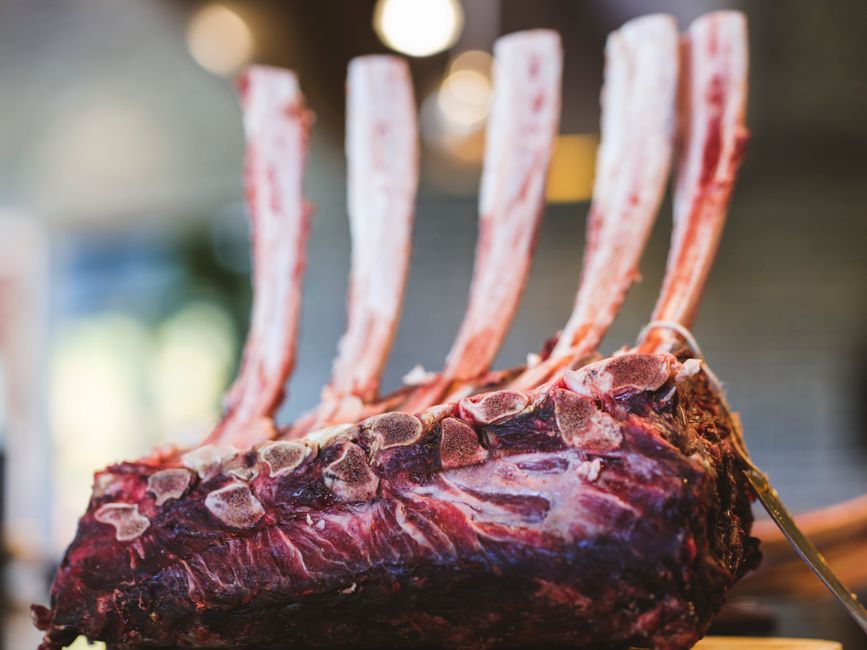
Bone-in prime rib, also known as a standing rib roast, is the undisputed king of holiday roasts and a centerpiece for any special occasion. Its rich marbling, inherent tenderness, and the added flavor imparted by the bone make it a superior cut that, when prepared correctly, yields an incredibly juicy and flavorful result. This comprehensive guide delves into everything you need to know to achieve a perfect bone-in prime rib, from selecting the ideal roast to mastering various cooking techniques and crafting complementary accompaniments. Understanding the nuances of this prime cut elevates your culinary prowess and ensures a dining experience that will be remembered.
Understanding the Cut: Why Bone-In Prime Rib Reigns Supreme
Prime rib is a section of the beef rib primal, typically comprising ribs six through twelve. The "prime" in prime rib refers to its high quality, characterized by abundant intramuscular fat (marbling) and a tender texture. Opting for a bone-in roast offers distinct advantages over its boneless counterpart. The bones, primarily the rib bones, act as natural insulation during the cooking process, protecting the meat closest to them from overcooking and drying out. This results in a more evenly cooked roast with a larger proportion of perfectly medium-rare to medium meat. Furthermore, the bones contribute significant flavor to the roast through gelatin and connective tissue that renders during cooking, basting the meat and enriching its taste profile. When choosing a bone-in prime rib, look for a roast with a uniform thickness, good marbling, and a bright red color. A roast with a "rib cap" – the outer layer of fat and muscle – is also highly desirable for its added richness and flavor. The butcher can tie the bones back to the roast, making it easier to handle and present, or leave them separated. For optimal results, aim for a roast that weighs between 4-7 pounds, which typically serves 6-10 people, allowing for approximately one to two ribs per person.
Seasoning Strategies: Elevating the Natural Flavors
The beauty of bone-in prime rib lies in its inherent deliciousness, and the best seasoning allows these natural flavors to shine. Simplicity is often key. A generous application of coarse kosher salt and freshly cracked black pepper is the foundation for most successful prime rib preparations. The salt draws out moisture, which then reabsorbs, seasoning the meat more deeply. The pepper adds a pungent counterpoint to the richness of the beef. Beyond this fundamental duo, several other seasonings can be incorporated to add layers of complexity. Garlic is a classic pairing. You can rub minced fresh garlic directly onto the roast, or create a garlic paste by combining minced garlic with olive oil, salt, and pepper. Fresh herbs like rosemary and thyme are also excellent choices. Sprigs of these herbs can be tucked around the roast or finely chopped and mixed into the rub. Other popular additions include onion powder, paprika (for color and a subtle sweetness), and a pinch of cayenne pepper for a hint of heat. For a more robust flavor profile, consider a rub that includes brown sugar, which will caramelize during cooking, creating a beautiful crust. The key is to avoid overpowering the beef; the seasonings should enhance, not mask, the prime rib’s natural taste. Apply the rub liberally to all surfaces of the roast, including the ends. For best results, season the roast several hours, or even a day, in advance and refrigerate it uncovered. This allows the salt to penetrate the meat more effectively and the surface to dry out, promoting better searing and crust formation.
Mastering the Cooking Process: Temperature is King
Achieving the perfect internal temperature is paramount for a mouthwatering bone-in prime rib. The most reliable method involves using a reliable meat thermometer. Two common approaches dominate prime rib cooking: the high-heat sear followed by low-temperature roasting, and the consistent low-temperature roasting.
Method 1: High-Heat Sear and Low-Temperature Roasting
This method begins by searing the roast at a high temperature to develop a flavorful, caramelized crust. Preheat your oven to a high temperature, typically 450-500°F (230-260°C). Place the seasoned prime rib, fat-side up, on a rack in a sturdy roasting pan. Sear for 15-20 minutes, or until the exterior is deeply browned. Then, reduce the oven temperature to a lower setting, usually 300-325°F (150-160°C), and continue roasting. The total cooking time will vary significantly based on the size of the roast and your desired doneness. A general guideline is approximately 13-15 minutes per pound for medium-rare at this lower temperature, but always rely on your thermometer.
Method 2: Consistent Low-Temperature Roasting
This method involves roasting the prime rib at a consistent, lower temperature from the outset. Preheat your oven to 250-275°F (120-135°C). Place the seasoned prime rib, fat-side up, on a rack in a roasting pan. This method requires a longer cooking time, typically 20-25 minutes per pound, but it often yields an incredibly evenly cooked roast with a more subtle crust. Some chefs advocate for finishing this roast at a higher temperature for the last 15-20 minutes to achieve a better crust.
Temperature Guidelines for Doneness:
Regardless of the cooking method, the final internal temperature is the most critical indicator of doneness. Always insert the thermometer into the thickest part of the roast, avoiding any bones.
- Rare: 110-115°F (43-46°C)
- Medium-Rare: 120-125°F (49-52°C) – The ideal temperature for most prime rib enthusiasts, offering a tender, juicy, and flavorful experience.
- Medium: 130-135°F (54-57°C) – Still moist and flavorful, with a more cooked center.
- Medium-Well: 140-145°F (60-63°C) – Approaching the drier end of the spectrum, but still acceptable for some.
- Well-Done: 150°F (65°C) and above – Generally not recommended for prime rib, as it will be significantly drier and less tender.
Crucial Resting Period: The Secret to Juiciness
Once your bone-in prime rib reaches its target internal temperature, the most vital step before carving is the resting period. Remove the roast from the oven and tent it loosely with aluminum foil. This allows the internal juices, which have been driven to the center of the roast during cooking, to redistribute throughout the meat. Skipping this step will result in all those precious juices running out onto the cutting board, leaving you with a dry roast. Aim for a minimum resting period of 20-30 minutes for a typical 4-7 pound roast. For larger roasts, you may need to rest them for up to 45 minutes. The internal temperature will continue to rise a few degrees during the rest, so pull the roast from the oven when it’s a few degrees below your desired final temperature.
Carving Your Masterpiece: Technique Matters
Carving a bone-in prime rib can seem intimidating, but with a few simple techniques, you can achieve beautiful, even slices. First, ensure your roast has rested sufficiently. Place the roast on a sturdy cutting board, with the bones facing upwards. Using a sharp carving knife, carefully slice between the bones and the meat. You can then remove the individual bones if desired, making it easier to slice the remaining roast into uniform portions. For the most aesthetically pleasing slices, cut against the grain of the meat. Observe the direction of the muscle fibers and slice perpendicular to them. Aim for slices that are about ¼ to ½ inch thick. You can also serve the roast with the bones still attached, which adds a rustic and impressive presentation.
Classic and Creative Accompaniments: Completing the Feast
No prime rib feast is complete without carefully chosen side dishes that complement the richness of the beef.
Au Jus: The Quintessential Sauce
Au jus, the natural juices from the roast, is the classic accompaniment. To make it, simply degrease the drippings from the roasting pan. You can do this by skimming off the excess fat with a spoon or by letting the drippings cool and then spooning off the solidified fat. You can then heat these juices gently, perhaps with a splash of beef broth or red wine, to create a flavorful au jus for dipping.
Creamy Horseradish Sauce: A Zesty Counterpoint
A creamy horseradish sauce provides a welcome zesty and pungent counterpoint to the rich beef. Typically made with grated horseradish, sour cream, mayonnaise, Dijon mustard, and a touch of lemon juice or vinegar, this sauce is a crowd-pleaser. You can also add finely chopped chives or parsley for added freshness.
Yorkshire Puddings: A Timeless Tradition
The airy, savory Yorkshire puddings are a traditional and beloved pairing for roast beef. Made from a simple batter of flour, eggs, milk, and salt, they puff up dramatically in hot fat during baking, creating a crisp exterior and a tender, slightly eggy interior. Ensure you use the rendered beef fat from the prime rib for the most authentic flavor.
Roasted Vegetables: Earthy and Satisfying
Hearty roasted root vegetables like potatoes, carrots, parsnips, and Brussels sprouts are excellent companions. Toss them with olive oil, salt, pepper, and herbs, and roast them alongside the prime rib or in a separate pan. The natural sweetness of roasted vegetables balances the richness of the meat.
Other Delicious Sides:
Consider creamy mashed potatoes, a classic green bean casserole, a fresh Waldorf salad, or a robust mushroom ragout. The key is to select sides that offer a variety of textures and flavors without competing with the star of the show – the bone-in prime rib.
Troubleshooting Common Prime Rib Pitfalls
Even with careful preparation, occasional issues can arise.
- Dry Prime Rib: This is almost always a result of overcooking. Ensure you are using a reliable meat thermometer and pulling the roast at the correct temperature. Don’t forget the resting period.
- Uneven Cooking: A thicker roast or an oven with hot spots can lead to uneven cooking. Rotating the roast halfway through the cooking process can help mitigate this. Ensure the roast is placed on a rack to allow for even heat circulation.
- Lack of Crust: Insufficient searing or a moist surface before cooking can prevent a good crust. Ensure the roast is well-seasoned and patted dry before searing. High initial oven temperature is crucial for developing a good crust.
- Tough Meat: While prime rib is inherently tender, toughness can result from overcooking or cutting against the grain. Always rest the meat and slice against the grain.
By understanding the characteristics of bone-in prime rib, mastering temperature control, embracing the crucial resting period, and pairing it with complementary accompaniments, you can consistently create a show-stopping roast that will impress your guests and elevate any meal into a memorable culinary event. This magnificent cut, with its inherent richness and the bonus flavor from the bone, deserves attention to detail, and the rewards are a truly exceptional dining experience.