Category Middle Eastern Recipes
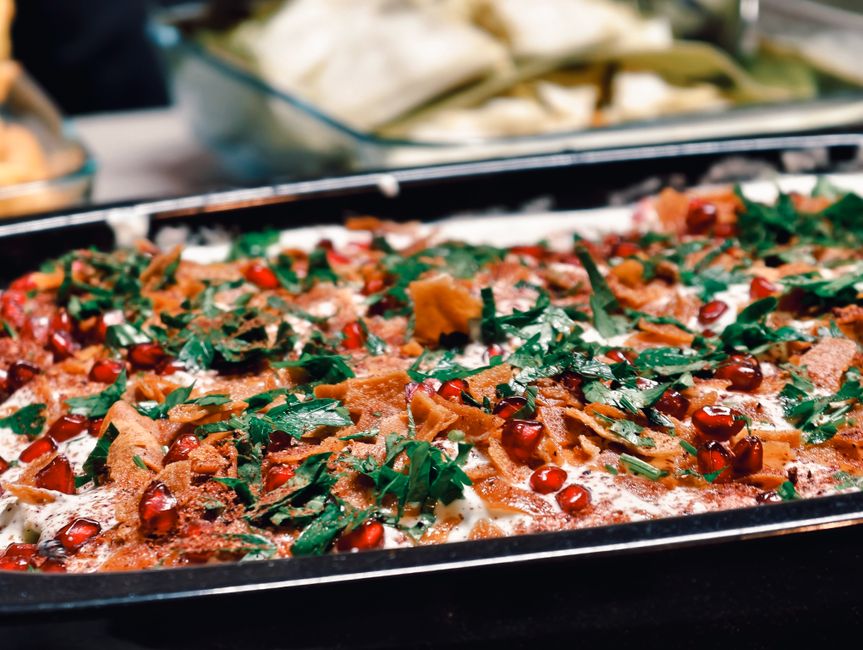
Middle Eastern Recipes: A Culinary Journey Through Ancient Flavors and Modern Delights
The vast and vibrant culinary landscape of the Middle East offers a breathtaking array of flavors, aromas, and textures, deeply rooted in centuries of history and cultural exchange. From the sun-drenched shores of the Mediterranean to the spice-laden bazaars of the Levant and the Persian Gulf, Middle Eastern cuisine is characterized by its emphasis on fresh, seasonal ingredients, aromatic spices, and communal dining. This article delves into the heart of this rich gastronomic tradition, exploring key ingredients, foundational techniques, iconic dishes, and the overarching philosophy that makes Middle Eastern recipes so universally appealing and enduring. Understanding the core elements of this cuisine is essential for anyone looking to recreate these authentic tastes in their own kitchen, whether for a weeknight meal or a festive gathering. We will navigate through the distinct regional variations, highlighting the common threads that bind this diverse culinary heritage together, and provide insights into how to source ingredients and execute recipes with confidence.
The foundation of most Middle Eastern recipes lies in a specific pantry of ingredients, each playing a crucial role in building depth and complexity of flavor. Olive oil, particularly extra virgin, is a ubiquitous staple, used for sautéing, dressing, and finishing dishes. It’s the lifeblood of many Mediterranean-influenced dishes, lending a fruity and sometimes peppery note. Tahini, a paste made from ground sesame seeds, is another cornerstone, providing a creamy, nutty richness to dips like hummus, sauces, and even some baked goods. Legumes, such as chickpeas, lentils, and fava beans, are fundamental sources of protein and fiber, appearing in hearty stews, salads, and of course, the beloved hummus and falafel. Rice, often Basmati or Jasmine, serves as a versatile base for many meals, prepared plain, pilaf-style with aromatics, or incorporated into more complex dishes.
The spice palette is arguably the most defining characteristic of Middle Eastern cooking. Cumin, coriander, and cinnamon are indispensable, offering warmth and earthiness. Turmeric provides vibrant color and a subtle bitter note, while sumac, with its tangy, lemony flavor, adds a bright counterpoint to rich dishes. Cardamom and cloves are used judiciously to infuse aromatic sweetness, particularly in desserts and beverages. Za’atar, a dried herb blend typically featuring thyme, sumac, and sesame seeds, is a versatile seasoning used on everything from bread to grilled meats. The skillful layering and balancing of these spices are what transform simple ingredients into extraordinary culinary experiences. Beyond dried spices, fresh herbs like parsley, mint, cilantro, and dill are used in abundance, adding freshness and vibrancy to salads, dips, and as garnishes.
Techniques common across Middle Eastern recipes often prioritize simplicity and the enhancement of natural flavors. Grilling and roasting are popular methods, particularly for meats and vegetables, allowing for caramelization and a smoky char. Slow braising is also frequently employed for tougher cuts of meat, rendering them incredibly tender and infusing them with the flavors of the braising liquid and aromatics. Stir-frying, while less prevalent than in some East Asian cuisines, is used for quick-cooking vegetables and meat dishes. The art of making flatbreads – from the airy pita to the chewy laffa – is central, with many households having traditional methods for preparing these essential accompaniments to every meal. Marinating meats, often with yogurt, lemon juice, and spices, tenderizes them and imparts deep flavor before cooking.
The Middle Eastern culinary tapestry is woven with a multitude of iconic dishes, each with its own story and regional variations. Hummus, perhaps the most globally recognized, is a creamy dip made from mashed chickpeas, tahini, lemon juice, and garlic. Its simplicity belies its addictive nature, and variations abound with toppings like spiced lamb, pine nuts, or roasted vegetables. Falafel, crispy deep-fried balls or patties made from ground chickpeas or fava beans, herbs, and spices, are a popular street food and appetizer, often served in pita bread with tahini sauce and salad.
Kebabs, in their myriad forms, represent a significant portion of Middle Eastern meat dishes. Shish taouk, marinated chicken skewers, are a classic, as are kofta kebabs, made from ground lamb or beef mixed with onions, parsley, and spices. Grilled to perfection, these offer a satisfyingly savory experience. Shawarma, thinly sliced meat (lamb, chicken, or beef) slow-cooked on a vertical rotisserie and then shaved off, is another beloved street food, typically served in flatbread with various accompaniments.
For those seeking vegetarian and vegan options, Middle Eastern cuisine excels. Mujaddara, a humble yet delicious dish of lentils and rice often topped with caramelized onions, provides a hearty and flavorful plant-based meal. Stuffed vegetables, such as dolmades (grape leaves stuffed with rice and herbs) or stuffed bell peppers and zucchini with rice and spiced meat or vegetables, showcase the region’s love for transforming simple ingredients into elaborate meals. Tabbouleh, a refreshing salad of finely chopped parsley, mint, tomatoes, onion, and bulgur wheat, dressed with olive oil and lemon juice, is a quintessential example of how fresh herbs and grains can create a vibrant and healthy dish.
Rice dishes are central to many Middle Eastern meals. Biryani, a fragrant rice dish cooked with spices, rice, and meat or vegetables, is a festive staple, with elaborate versions found across the region. Mansaf, the national dish of Jordan, features lamb cooked in a fermented dried yogurt sauce (jameed) and served over rice, representing a rich cultural heritage. Maqluba, meaning "upside down" in Arabic, is a layered dish of rice, fried vegetables, and meat, flipped onto a serving platter to reveal its visually appealing construction.
The world of Middle Eastern desserts is as enchanting as its savory offerings. Baklava, with its delicate layers of filo pastry, chopped nuts, and sweet syrup, is a testament to pastry mastery. Kunafa, a cheesy pastry soaked in a sugar syrup, often made with semolina dough or shredded phyllo, is a decadent treat that delights the senses. Halva, a confection made from tahini or flour and sugar, comes in numerous varieties, often infused with nuts or flavorings. Fresh fruits, like dates, figs, and pomegranates, are also enjoyed as simple yet satisfying desserts, often drizzled with honey or rosewater.
Regional variations within the broader Middle Eastern culinary umbrella are significant and contribute to its rich diversity. Levantine cuisine (Syria, Lebanon, Jordan, Palestine) is known for its emphasis on fresh vegetables, herbs, and dips, with dishes like fattoush, tabbouleh, and various mezze platters being hallmarks. Egyptian cuisine often incorporates more spices and bolder flavors, with dishes like Koshari (a carb-heavy mixture of rice, lentils, pasta, and chickpeas) and Molokhia (a stew made from jute leaves) being prominent. Persian cuisine (Iran) is renowned for its use of saffron, dried fruits, and nuts, creating complex and aromatic dishes like Fesenjan (a walnut and pomegranate stew) and Ghormeh Sabzi (a herb stew). Gulf cuisine (Saudi Arabia, UAE, Kuwait, Qatar, Bahrain, Oman) often features rice, lamb, and seafood, with dishes like Kabsa and Mandi showcasing these ingredients. Turkish cuisine, while a distinct entity, shares many overlapping ingredients and techniques with its Middle Eastern neighbors, particularly in its use of kebabs, pilafs, and savory pastries.
For home cooks looking to explore Middle Eastern recipes, sourcing quality ingredients is key. Many ethnic grocery stores offer a wide selection of spices, legumes, grains, and specialty products like rosewater, orange blossom water, and preserved lemons. Online retailers have also made these ingredients more accessible. When it comes to spices, buying whole spices and grinding them fresh can significantly elevate the flavor profile of your dishes. Understanding the nuances of spice blending is an ongoing journey, and many recipes offer guidance on classic combinations.
The communal aspect of eating is deeply ingrained in Middle Eastern culture, and this is reflected in the preparation and serving of food. Mezze, a selection of small dishes served as appetizers, is a perfect example of this philosophy, encouraging sharing and a diverse culinary experience. Many Middle Eastern recipes are designed to be prepared in advance, making them ideal for entertaining. The aroma of spices, the sizzle of grilling meats, and the warmth of freshly baked bread all contribute to an inviting and convivial atmosphere.
In conclusion, the world of Middle Eastern recipes offers a profound and rewarding culinary adventure. From its foundational ingredients and masterful spice blends to its diverse regional dishes and emphasis on communal dining, this cuisine continues to captivate palates worldwide. Whether you are a seasoned cook or a novice in the kitchen, exploring the vibrant flavors and time-honored techniques of Middle Eastern cooking promises to enrich your culinary repertoire and provide countless delicious meals, steeped in history and tradition. The accessibility of many of these recipes, combined with the increasing availability of authentic ingredients, makes it easier than ever to bring the magic of the Middle East to your table.