
Slow Cooker Baby Back Ribs

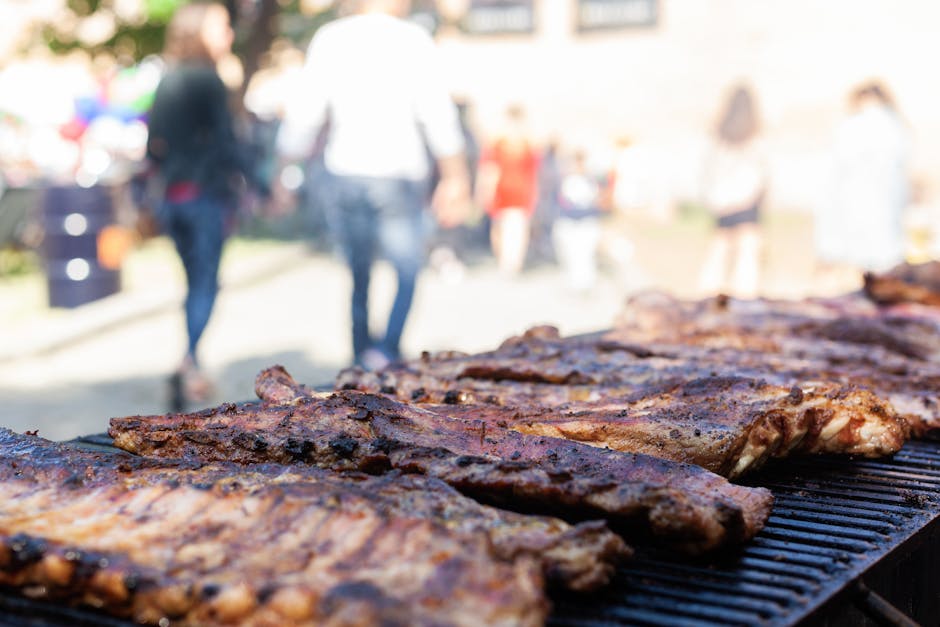
Slow Cooker Baby Back Ribs: The Ultimate Guide to Fork-Tender Perfection
Achieving incredibly tender, fall-off-the-bone baby back ribs doesn’t require hours of standing over a grill or complex oven techniques. The slow cooker is your secret weapon, transforming tough cuts of meat into succulent, flavor-packed masterpieces with minimal effort. This comprehensive guide delves into the science and art of slow cooker baby back ribs, covering everything from selecting the best ribs to achieving that coveted caramelized finish. We’ll explore optimal cooking times, essential flavor-building ingredients, and troubleshooting tips to ensure your ribs are consistently delicious. Whether you’re a seasoned home cook or a beginner, mastering this method will elevate your BBQ game and impress your guests with minimal stress.
Selecting the Perfect Baby Back Ribs
The foundation of exceptional slow cooker ribs lies in choosing high-quality baby back ribs. These ribs, also known as pork loin ribs, are leaner and more tender than spare ribs, making them ideal for slow cooking. Look for racks that are uniformly thick, with a good amount of marbling – those thin streaks of fat interspersed within the meat. Marbling is crucial for moisture and flavor; as the fat renders during the slow cooking process, it bastes the meat, keeping it incredibly juicy and adding a rich depth of flavor. Avoid racks with excessive amounts of bone showing or thin, wispy sections, as these indicate older or less desirable cuts.
Inspect the meat itself for a bright pink to light red color. A grayish hue can sometimes indicate oxidation or a longer time in storage. The membrane on the bone side of the ribs is a thin, papery layer that can become tough and chewy if not removed. Most butchers will remove this for you, but if not, it’s a simple step to tackle at home. To remove the membrane, slide a dull knife or the tip of a spatula under the membrane at one end. Once you have a small section lifted, grasp it firmly with a paper towel (for better grip) and pull it away from the bones. This step is optional but highly recommended for a superior texture.
Prepping Your Ribs for the Slow Cooker: The Flavor Foundation
Proper preparation is paramount for infusing maximum flavor into your slow cooker baby back ribs. This begins with a dry rub, a concentrated blend of spices that penetrates the meat and creates a flavorful crust. The beauty of a dry rub is its versatility; you can customize it to your palate. A classic rub typically includes brown sugar (for sweetness and caramelization), paprika (for color and smoky notes), garlic powder, onion powder, chili powder (for a touch of heat), salt, and black pepper. Some popular additions include cumin, cayenne pepper, mustard powder, and even a hint of ground coffee for an earthy depth.
When applying the dry rub, be generous. Massage it thoroughly into all surfaces of the ribs, ensuring an even coating. This creates the initial layer of flavor and begins the process of drawing out moisture from the meat, which will then reabsorb the seasoned liquid. For even deeper flavor penetration, you can prepare the ribs with the rub a few hours in advance, or even overnight, by placing them in an airtight container or zip-top bag in the refrigerator. This "dry brining" or pre-seasoning allows the salt and spices to work their magic, tenderizing the meat and intensifying the overall taste.
The Liquid Component: Moisture and Flavor Infusion
While the dry rub builds flavor on the exterior, the liquid in the slow cooker plays a crucial role in tenderizing the meat and creating a moist cooking environment. This liquid isn’t just about preventing dryness; it’s another opportunity to layer in flavor. Common liquid bases include:
- BBQ Sauce: A classic choice for a reason. Use your favorite store-bought sauce or a homemade concoction. This will create a saucier rib, perfect for soaking up the juices.
- Broth: Beef broth, chicken broth, or vegetable broth adds a savory depth without overpowering the rib flavor.
- Apple Cider or Beer: The acidity in apple cider or the maltiness of beer can help tenderize the meat and contribute unique flavor notes.
- Water: While the simplest option, it’s less flavorful. If using water, rely more heavily on your dry rub and other flavor enhancers.
The amount of liquid is also important. You don’t want to drown the ribs; a few tablespoons to a half cup is generally sufficient. The ribs will release their own juices, and the goal is to create a steamy environment for tenderization, not to boil them. Position the ribs in the slow cooker in a way that maximizes surface area exposure to the heat and steam. Often, this means arranging them in a U-shape or even cutting them into smaller sections if your slow cooker is crowded.
Essential Flavor Enhancers for Slow Cooker Ribs
Beyond the dry rub and liquid base, a few strategic additions can elevate your slow cooker ribs from good to extraordinary:
- Aromatics: Slices of onion and garlic cloves can be placed at the bottom of the slow cooker, adding a fragrant base.
- Liquid Smoke: A few drops of liquid smoke can impart a genuine smoky flavor, replicating what you’d achieve on a smoker or grill. Use sparingly, as it’s potent.
- Worcestershire Sauce: This umami-rich sauce adds a complex savory note that complements pork beautifully.
- A Touch of Sweetness: A drizzle of honey or maple syrup can enhance the caramelization process when you finish the ribs.
Timing is Key: The Art of Slow Cooking Baby Back Ribs
The beauty of the slow cooker is its set-it-and-forget-it nature, but understanding cooking times is crucial for achieving that perfect texture. For baby back ribs, the ideal cooking time will vary depending on your slow cooker’s wattage and the thickness of the ribs, but generally falls within these parameters:
- Low Setting: 6-8 hours. This is the preferred method for maximum tenderness. The slow, gentle heat allows the connective tissues to break down completely, resulting in fall-off-the-bone ribs.
- High Setting: 3-4 hours. While faster, the high setting can sometimes result in slightly less tender ribs or a greater risk of them drying out if not monitored carefully.
The most reliable indicator of doneness is visual and tactile. The meat should have shrunk back from the ends of the bones, and when gently probed with a fork, it should yield easily. You should be able to easily pull a rib bone away from the meat. Overcooking can lead to mushy, disintegrated ribs, so err on the side of caution and start checking for doneness around the lower end of the suggested cooking time.
Finishing for that Perfect Finish: Achieving the Char and Caramelization
While slow cooker ribs are delicious right out of the pot, a final step is essential to achieve that coveted BBQ restaurant-quality char and caramelization. This typically involves a quick trip to the broiler, grill, or under the oven’s broiler.
- Drain and Glaze: Once cooked, carefully remove the ribs from the slow cooker. You can drain off most of the cooking liquid, reserving some if you want to make a quick pan sauce or thin glaze. Brush the ribs generously with your favorite BBQ sauce.
- Broiler Method: Preheat your oven’s broiler. Place the glazed ribs on a baking sheet lined with foil (for easy cleanup). Broil for 2-5 minutes per side, watching them very closely. The sugars in the BBQ sauce will caramelize and char quickly, so don’t walk away! This step imparts a beautiful sticky, smoky finish.
- Grill Method: If you prefer the grill, preheat your grill to medium-high heat. Grill the glazed ribs for a few minutes per side, just long enough to achieve char marks and caramelization. This method offers a slightly different smoky flavor profile.
- Oven Method: Alternatively, you can place the glazed ribs on a baking sheet in a preheated oven (around 400-425°F / 200-220°C) for 5-10 minutes, flipping once, until caramelized.
This finishing step is crucial for texture and visual appeal, transforming the tender meat into something truly irresistible.
Troubleshooting Common Slow Cooker Rib Issues
Even with the best intentions, you might encounter a few hiccups. Here’s how to troubleshoot:
- Ribs are Tough: This is usually due to insufficient cooking time or not enough liquid. Extend the cooking time on the low setting. Ensure you have at least 1/4 to 1/2 cup of liquid in the slow cooker.
- Ribs are Dry: This can happen on the high setting or if there wasn’t enough liquid. Next time, add a bit more liquid and cook on low. If they’re already dry, you can try basting them with extra BBQ sauce during the finishing stage.
- Sauce is Too Thin: After removing the ribs, you can simmer the remaining cooking liquid in a saucepan on the stovetop to reduce and thicken it into a glaze. You can also whisk in a cornstarch slurry (1 tablespoon cornstarch mixed with 2 tablespoons cold water).
- Ribs are Falling Apart Too Much: This indicates overcooking. While still edible, they won’t hold their shape well. Cook for less time in the future, and check for doneness earlier.
Serving Your Slow Cooker Baby Back Ribs
Serve your magnificent slow cooker baby back ribs hot, with extra BBQ sauce on the side for dipping. They pair perfectly with classic BBQ sides such as coleslaw, potato salad, corn on the cob, baked beans, and macaroni and cheese. A simple side salad or some crusty bread also complements the richness of the ribs.
Conclusion
The slow cooker baby back ribs method offers an unparalleled combination of ease, convenience, and delicious results. By understanding the principles of selecting quality ribs, mastering the dry rub and liquid components, and executing the finishing steps, you can consistently produce fork-tender, flavorful ribs that will become a staple in your culinary repertoire. Embrace the magic of slow cooking and enjoy the satisfaction of creating restaurant-quality BBQ in your own home with minimal fuss. This technique demystifies the process, making gourmet ribs accessible to everyone.


