Refreshing Summer Appetizers The Rise of Watermelon Salsa as a Seasonal Staple

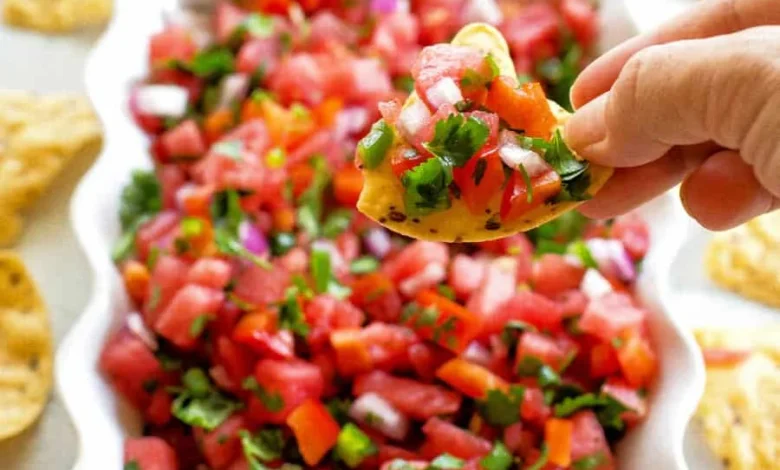
The landscape of American outdoor dining is undergoing a notable shift as traditional condiments make way for innovative, fruit-forward alternatives. Among the most prominent of these culinary evolutions is the emergence of watermelon salsa, a dish that bridges the gap between the heat of late-spring celebrations and the peak of summer harvest. As home cooks and professional chefs alike look for ways to revitalize classic barbecue menus, this sweet and spicy variation on Mexican pico de gallo has moved from a niche specialty to a centerpiece of the seasonal table. This transition reflects broader trends in the culinary world, where the boundaries between sweet and savory are increasingly blurred to create more complex flavor profiles.
The foundation of this movement is rooted in the accessibility and versatility of the watermelon, particularly in regions like Florida, where early harvests signal the beginning of the national barbecue season. While traditional tomato-based salsas remain a staple of the American diet, the watermelon variant offers a distinct advantage for those seeking a lighter, more hydrating option that avoids the acidity of nightshades. For many culinary enthusiasts, the recipe popularized by Christy Denney of "The Girl Who Ate Everything" serves as a benchmark for this trend, emphasizing a balance of fresh produce and simple preparation that caters to the demands of modern potluck culture.
The Evolution of Fruit-Based Salsas in American Gastronomy
The history of salsa in the United States is one of constant adaptation. Originally derived from the Spanish word for "sauce," salsa has traditionally relied on a base of tomatoes, chilies, and onions. However, as the American palate has become more adventurous, the inclusion of fruits such as mango, pineapple, and now watermelon has redefined the category. This evolution is not merely a matter of taste but also a response to the agricultural calendar.

Watermelon salsa represents a specific intersection of cultural traditions. It captures the spirit of Mexican-inspired cuisine—often celebrated during early May—and carries it through the hottest months of the year. The move away from tomatoes is often driven by dietary preferences or seasonal availability. In many parts of the country, high-quality tomatoes may not be available until later in the summer, whereas watermelons begin their peak production cycles much earlier in southern climates. This chronological advantage makes watermelon salsa the logical successor to the heavier dips and sauces of the early spring.
Nutritional Profile and Agricultural Context
From a nutritional standpoint, the shift toward watermelon-based dishes aligns with a growing public interest in "functional foods." Watermelon is composed of approximately 92% water, making it an ideal ingredient for maintaining hydration during high-temperature outdoor events. Furthermore, it is a significant source of lycopene, an antioxidant also found in tomatoes but present in higher concentrations in certain varieties of watermelon.
The agricultural data supporting this trend is substantial. In the United States, watermelon production is a multi-billion dollar industry, with states like Florida, Texas, California, and Georgia leading the output. According to the United States Department of Agriculture (USDA), the seasonal availability of watermelon peaks between May and August, perfectly aligning with the period when barbecue activity is at its highest. The versatility of the fruit allows it to be used in everything from salads to grilled entrees, but its application in salsa is perhaps its most transformative role, as it utilizes the fruit’s structural integrity to mimic the texture of a diced tomato while providing a radically different flavor experience.
Technical Preparation and Flavor Dynamics
The construction of a high-quality watermelon salsa requires an understanding of flavor balancing—specifically the relationship between sweetness, acidity, and heat. The standard preparation involves a meticulous dicing of the fruit to ensure a consistent mouthfeel. Unlike tomatoes, which can become mushy when over-processed, watermelon maintains a crisp, crunchier texture that stands up well to the addition of lime juice and salt.
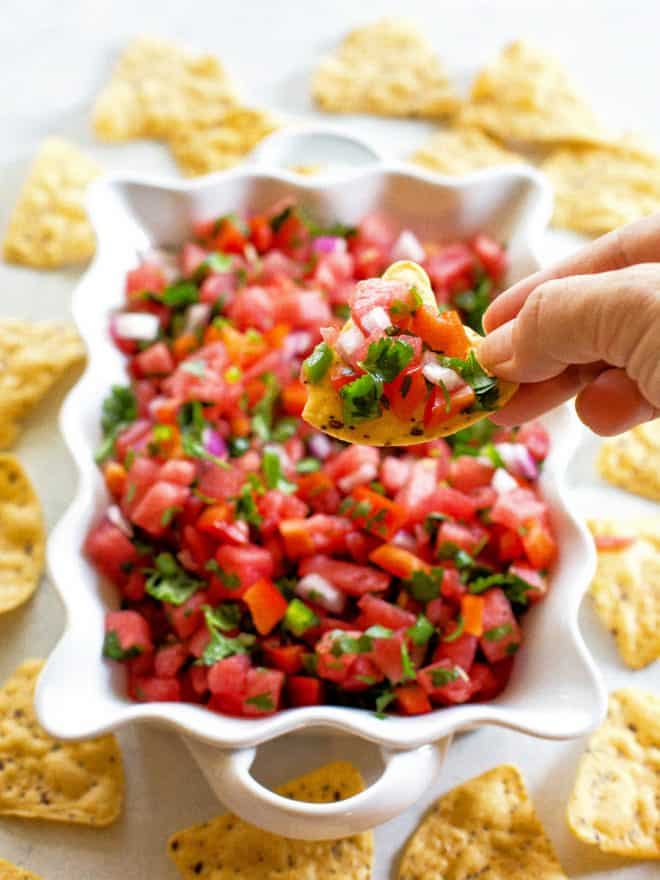
The core components of the recipe include:
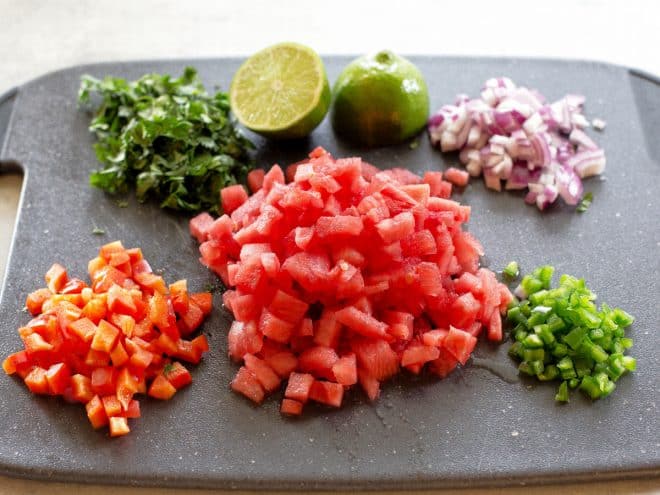
- Base: Freshly diced watermelon, which provides the primary sweetness and volume.
- Aromatics: Red onion or green onions, offering a sharp, savory contrast to the sugar in the fruit.
- Heat: Fresh jalapeños, with seeds removed for a mild kick or retained for those seeking a more aggressive spice profile.
- Texture: Bell peppers—often in vibrant colors like yellow or orange—add a non-spicy crunch and visual appeal.
- Acidity: Freshly squeezed lime juice, which serves as a preservative and a flavor brightener, preventing the fruit from tasting overly cloying.
- Herbs: Fresh cilantro, which provides the classic "salsa" aroma that consumers expect from Mexican-style condiments.
Culinary experts note that the addition of salt is a critical step in the process. Salt acts as a flavor enhancer that draws out the sweetness of the watermelon while simultaneously tempering the heat of the peppers. This chemical reaction is what creates the "addictive" quality often associated with sweet-and-savory snacks.
Culinary Versatility and Serving Suggestions
While the most common vessel for watermelon salsa is the traditional tortilla chip, its utility in the kitchen extends far beyond the appetizer tray. Professional chefs have increasingly begun to use fruit salsas as a "relish" or "topping" for lean proteins. The high water content and bright acidity of the salsa make it an excellent foil for the char of grilled meats.
- Seafood Pairings: The salsa is particularly effective when served over white fish, such as tilapia, cod, or mahi-mahi. The sweetness of the watermelon complements the delicate flavor of the fish without overpowering it.
- Poultry Applications: Grilled chicken breasts or thighs benefit from the cooling effect of the salsa, especially if the meat has been seasoned with a spicy dry rub.
- Vegetarian Options: The salsa can be incorporated into grain bowls or used as a topping for avocado toast, providing a refreshing contrast to creamy textures.
The adaptability of the recipe also allows for regional variations. In some parts of the Southwest, chefs might add jicama for extra crunch or a dust of tajín (a chili-lime seasoning) to lean into the traditional Mexican street fruit aesthetic.
Economic and Social Impact of the "Potluck Economy"
The rise of recipes like watermelon salsa is also a reflection of the "potluck economy." As inflation affects grocery prices, consumers are looking for high-impact, low-cost dishes to bring to social gatherings. A single large watermelon can produce a significant volume of salsa at a relatively low price point compared to buying bulk quantities of out-of-season tomatoes or prepared store-bought dips.
Furthermore, the social media "shareability" of the dish cannot be ignored. The vibrant reds, greens, and yellows of the salsa make it a visually striking addition to any table, driving its popularity on platforms like Pinterest and Instagram. This digital word-of-mouth has turned simple home recipes into national trends, influencing what appears on the shelves of major grocery chains. Many retailers now offer pre-cut "salsa kits" or pre-made fruit salsas in their produce departments, a direct response to the demand generated by home-cooking influencers.
Broader Implications for Seasonal Dining
As we look toward the future of seasonal dining, the popularity of watermelon salsa suggests a move toward more "fluid" menus. Consumers are no longer bound by the rigid definitions of what constitutes a "side dish" or a "dessert." Instead, there is a growing appreciation for dishes that can fulfill multiple roles on the plate.
The transition from the Cinco de Mayo holiday into the core summer months represents a period of culinary fluidity. By taking the structural elements of a Mexican staple and applying them to the quintessential American summer fruit, cooks are creating a new tradition that honors both influences. This trend also highlights a broader shift toward plant-based, fresh-forward eating habits that prioritize raw ingredients over processed alternatives.
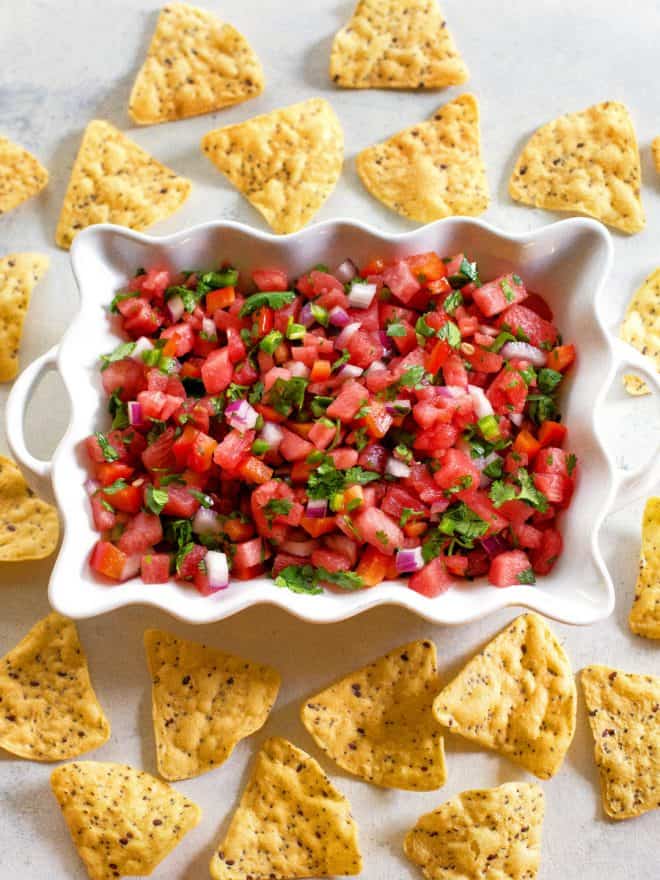
In conclusion, watermelon salsa is more than just a fleeting food trend; it is a manifestation of agricultural timing, nutritional awareness, and culinary innovation. By offering a spicy and sweet twist on a classic, it provides a refreshing alternative for the modern BBQ, proving that even the most established traditions are ripe for reinvention. As long as the summers remain hot and the watermelons remain plentiful, this dish is likely to remain a permanent fixture of the American seasonal repertoire.