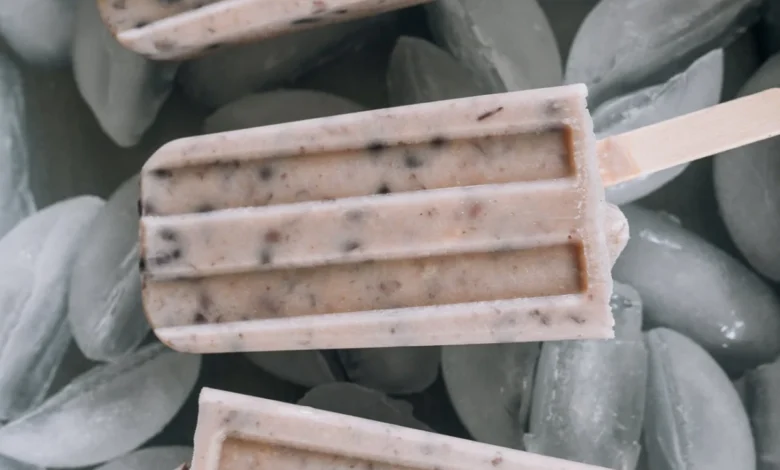
The humble red bean popsicle, a nostalgic summer staple across Asia, is experiencing a revival with a new recipe that promises a creamy, decadent texture far surpassing childhood memories. This updated rendition, developed by culinary enthusiasts, aims to bridge the gap between traditional icy treats and the richer mouthfeel of Western ice cream bars, proving to be a hit with younger generations and seasoned dessert lovers alike.
Originating from a desire to recreate the cooling comfort of street-side snacks enjoyed during scorching Beijing summers, this recipe delves into the beloved red bean popsicle, a treat cherished by Chinese, Korean, and Japanese communities. The development process involved a thoughtful exploration of ingredient ratios and preparation techniques, aiming to achieve a delightful balance of sweetness and creaminess. Early iterations of the popsicle leaned towards a more icy consistency, characteristic of traditional Asian frozen desserts like mung bean popsicles. However, through iterative testing and refinement, the current recipe has emerged, offering a velvety smooth texture that has quickly become a family favorite.
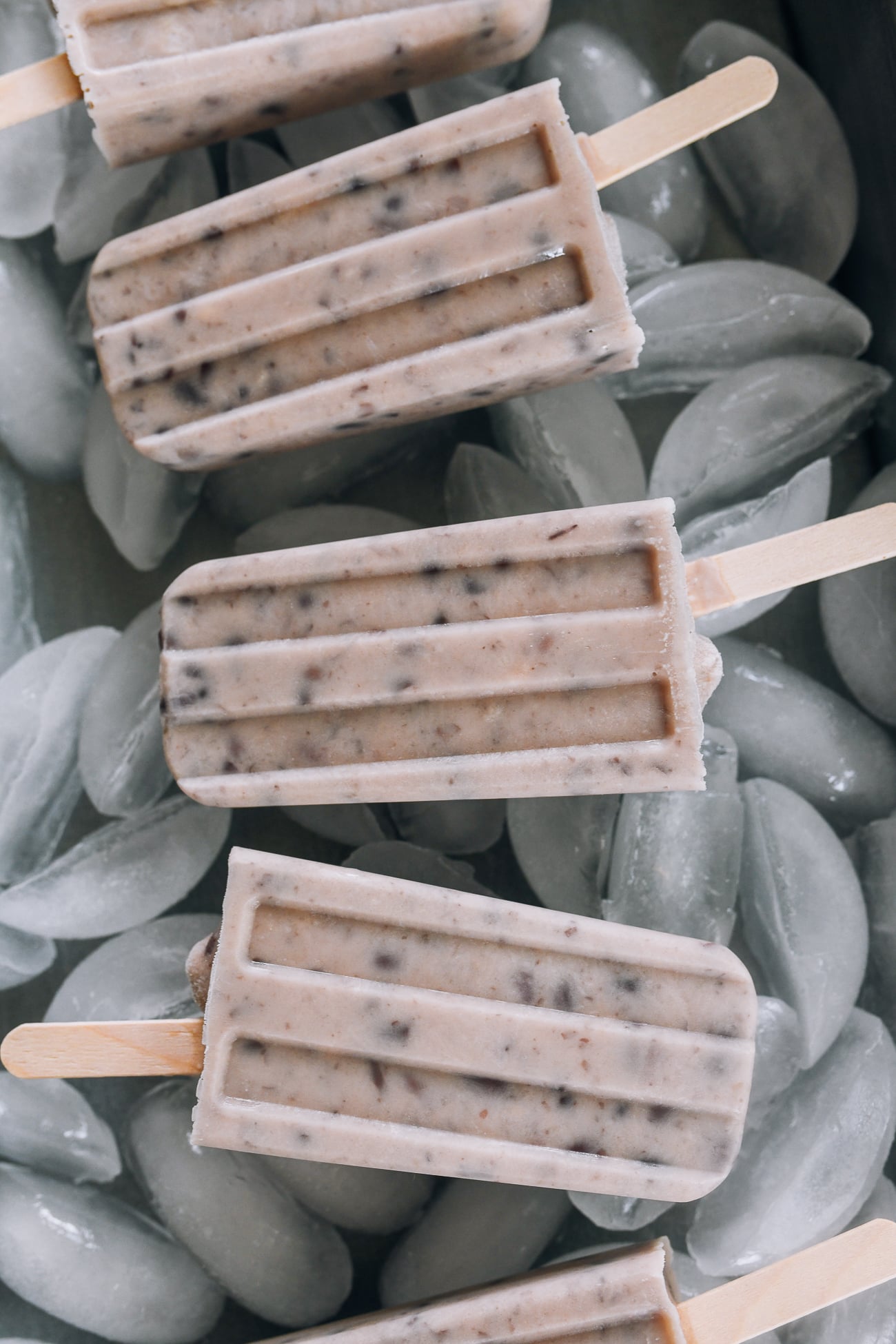
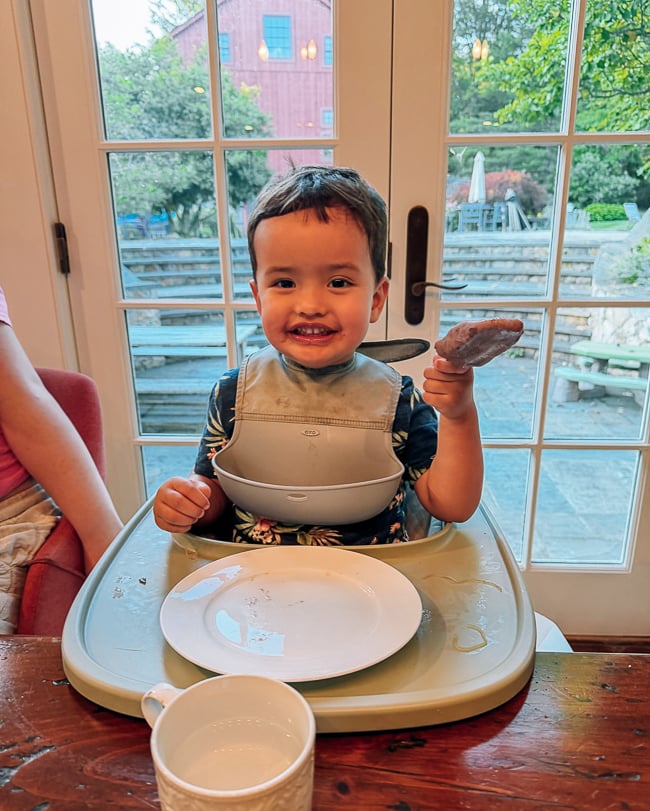
The transformation from a simple icy treat to a dessert akin to ice cream is attributed to the careful incorporation of whole milk and heavy cream, alongside a generous amount of mashed red beans. These ingredients, combined with a touch of vanilla extract, create a richer, more satisfying frozen confection. The recipe’s success is evidenced by its widespread appeal, with even young family members eagerly requesting these homemade delights after dinner.
Achieving the Perfect Creamy Texture
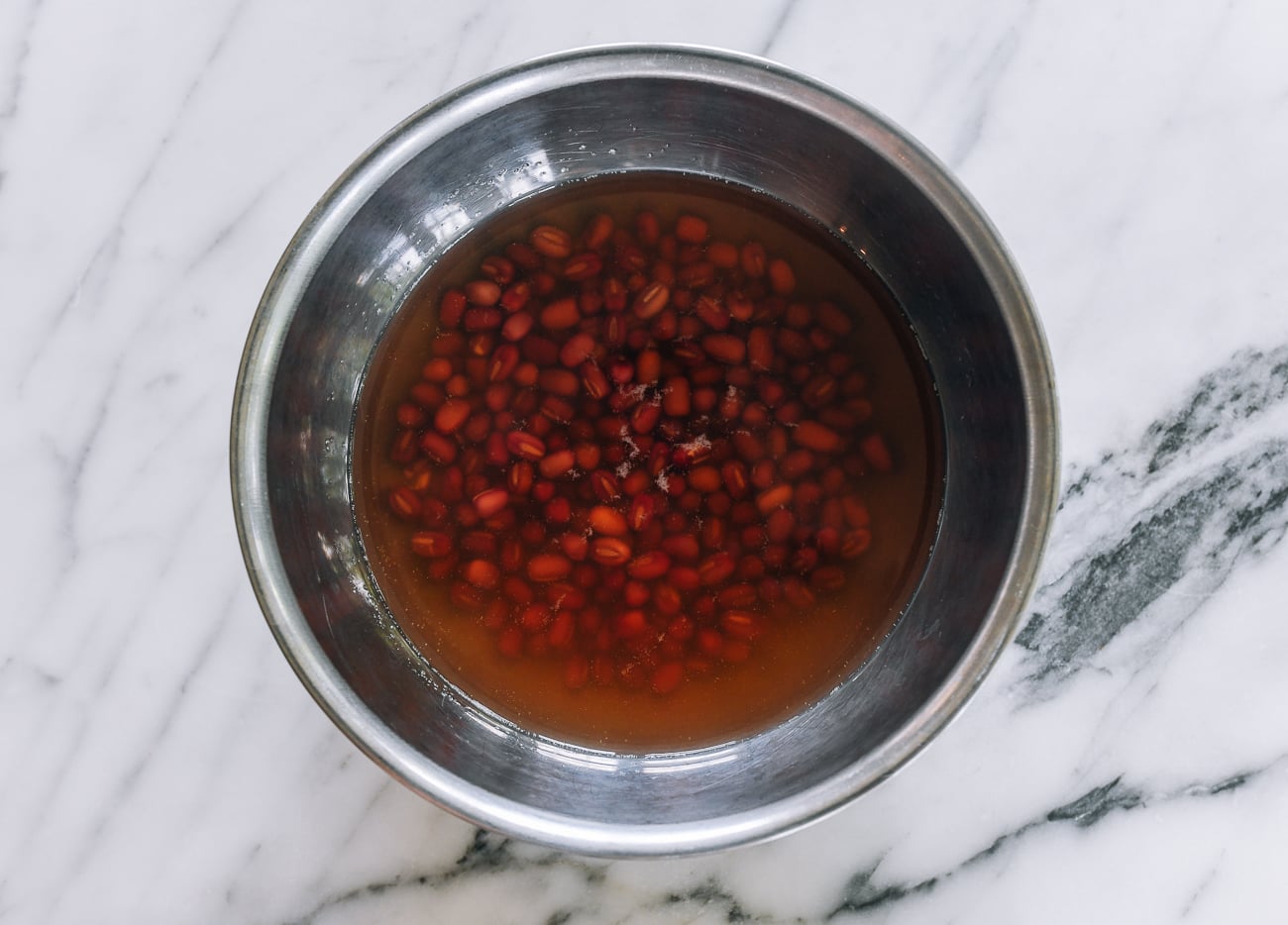
The creation of this enhanced red bean popsicle recipe involved a nuanced understanding of ingredient interactions and texture development. The base of the popsicle begins with high-quality dried red beans, which are soaked overnight to ensure even cooking and optimal softness. The soaking process is crucial, allowing the beans to absorb sufficient water, which contributes to their tenderness and ability to break down into a smooth paste.
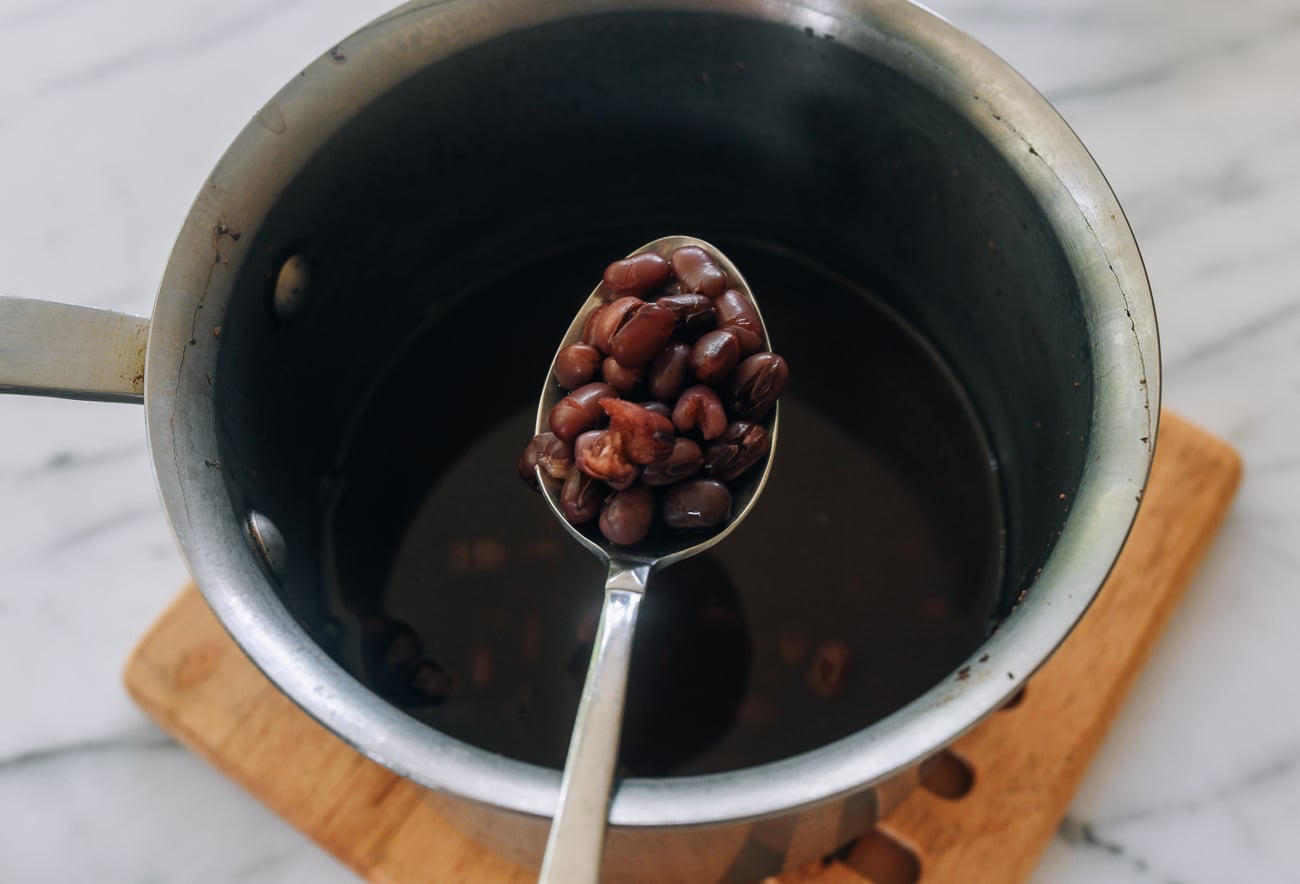
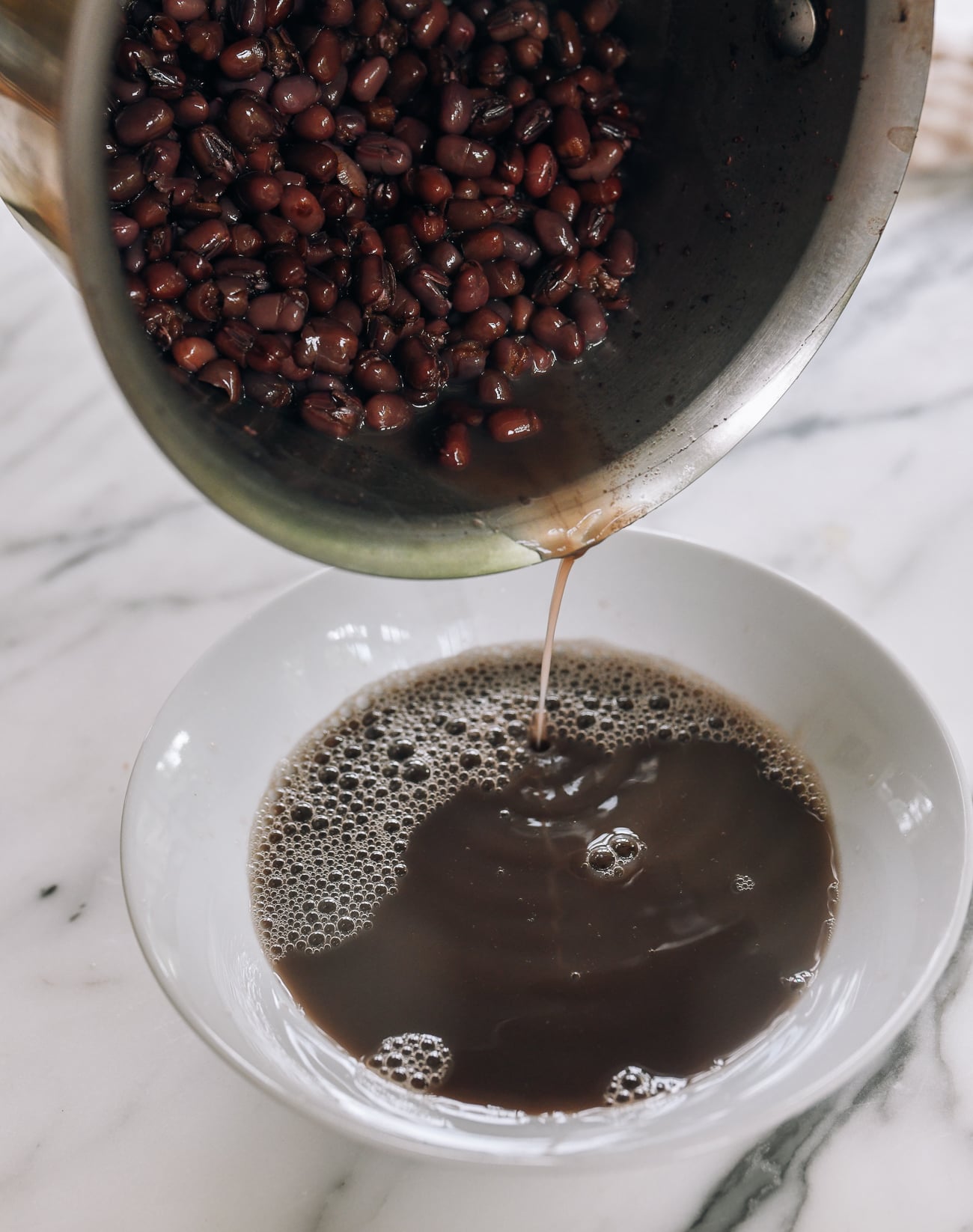
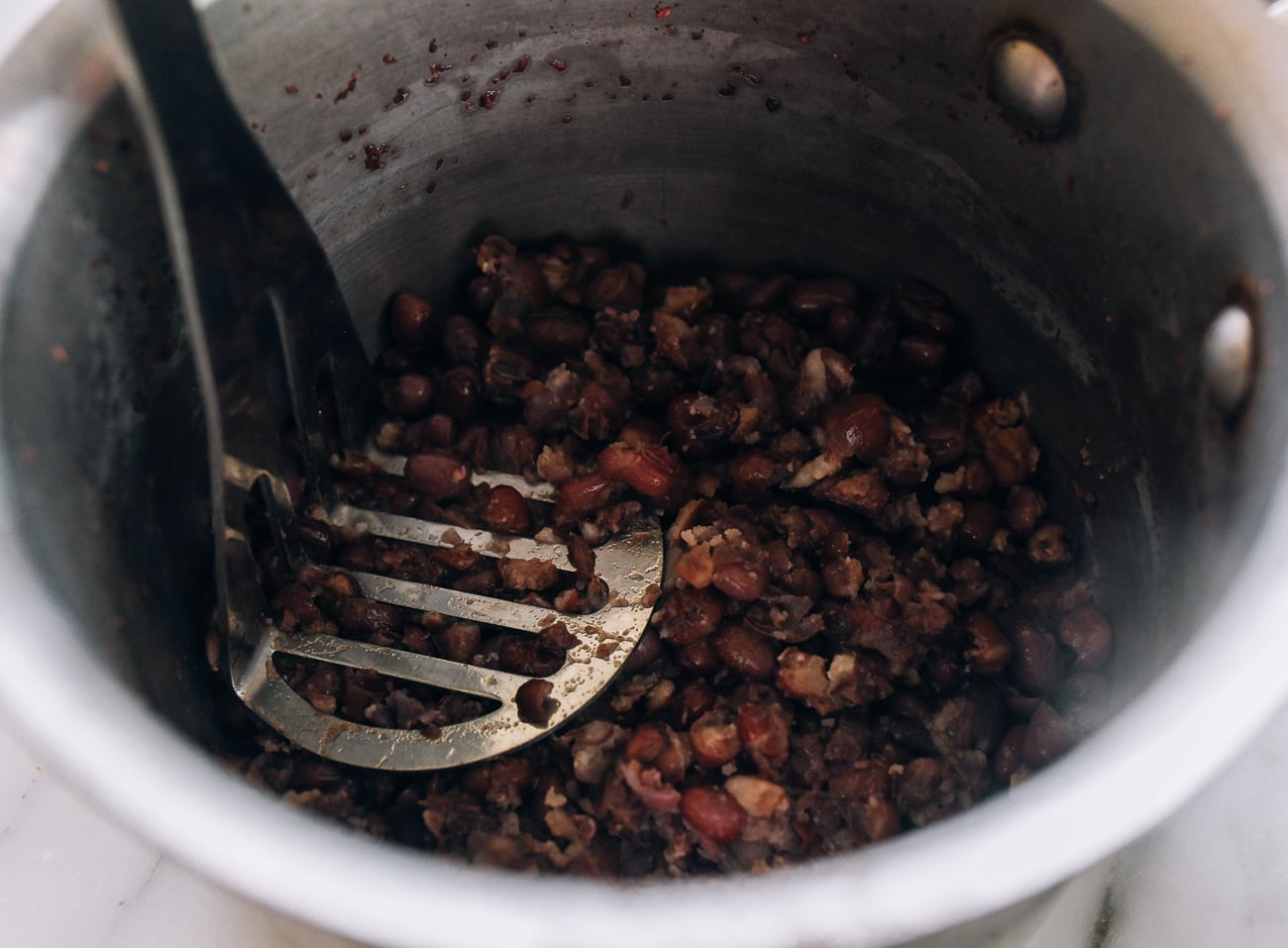
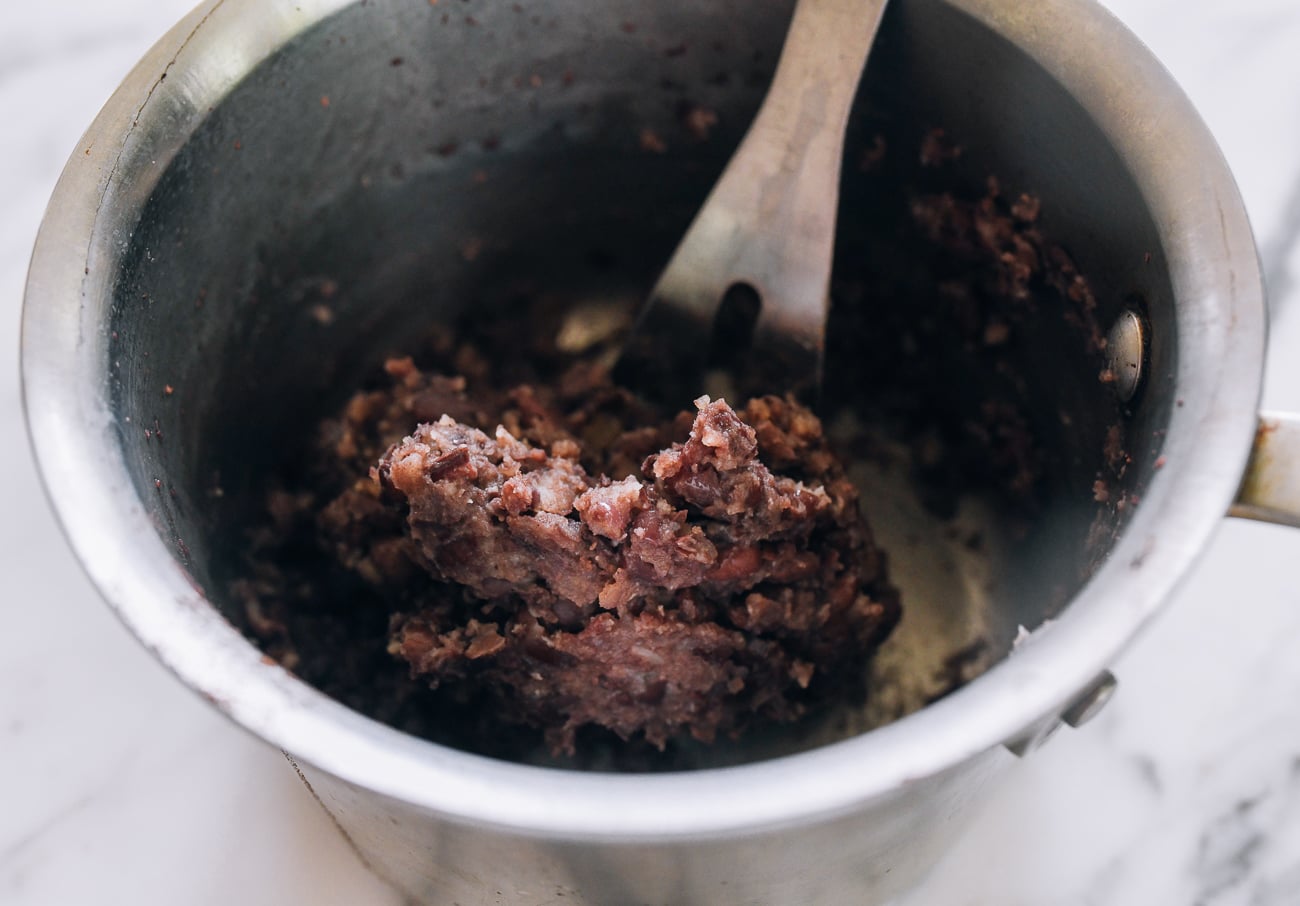
Following the overnight soak, the beans are simmered in fresh water until they are exceptionally soft, with their skins beginning to unfurl. This cooking phase is critical for extracting the characteristic flavor and creamy components of the red bean. The liquid is then drained and can be reserved for other culinary uses or enjoyed as a healthful beverage, rich in antioxidants and nutrients. The cooked beans are then mashed, forming the flavorful foundation of the popsicle mixture. While some recipes opt for a food processor for a perfectly smooth paste, the current iteration emphasizes the effectiveness of a traditional potato masher, which still yields a satisfyingly creamy texture. For those who prefer an ultra-smooth consistency, a food processor can be employed to further break down the bean skins.
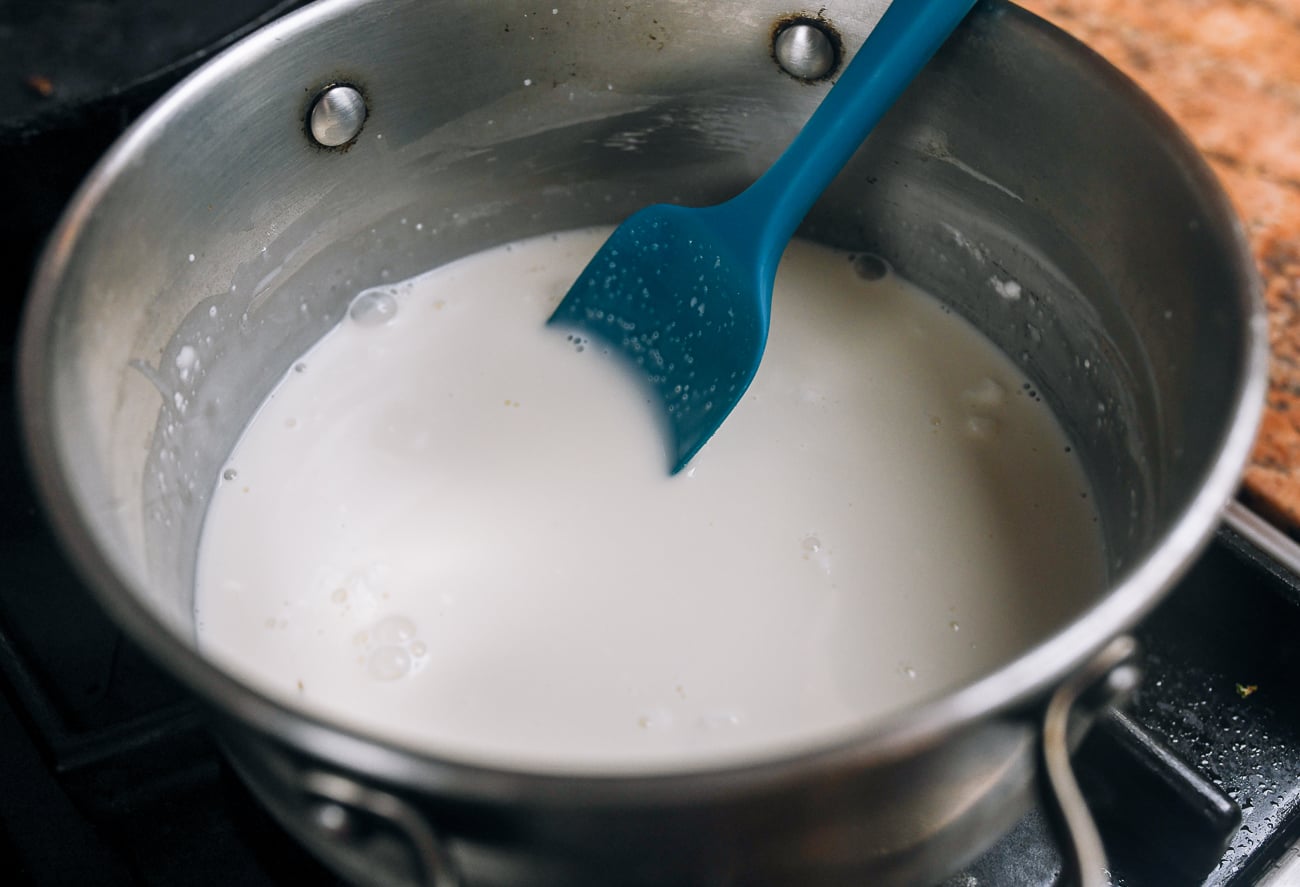
The next stage involves combining the mashed red beans with dairy components to achieve the desired creamy mouthfeel. Whole milk and heavy cream are gently heated, with cornstarch dissolved in the milk to act as a natural thickener. This process prevents the formation of large ice crystals, a common issue in homemade frozen treats, and contributes to the luxurious texture. Sugar and vanilla extract are then incorporated to balance the earthy notes of the red bean and enhance the overall sweetness. The mixture is cooked until it thickens slightly, ensuring all ingredients are thoroughly integrated.
Customizing Sweetness and Flavor
A key aspect of this recipe is its adaptability to individual taste preferences, particularly concerning sweetness. The recipe provides a range of sugar quantities, allowing consumers to tailor the sweetness level to their liking. For those seeking a sweetness comparable to commercially produced desserts, a higher sugar content is recommended. Conversely, individuals who prefer less sweet options can reduce the sugar amount. It is important to note that frozen desserts often taste less sweet than their liquid counterparts due to the numbing effect of cold temperatures on the palate. Therefore, the recipe suggests using at least a half cup of sugar to achieve a balanced flavor profile once frozen.
Beyond sweetness, the inherent flavor of the red bean is a significant draw. Red beans are known for their subtly sweet, earthy flavor and creamy texture when cooked. This recipe leverages these qualities, creating a popsicle that is both familiar and uniquely satisfying. The inclusion of vanilla extract serves to complement and enhance the red bean flavor, adding a layer of aromatic complexity.
The Freezing Process and Enjoyment
Once the creamy red bean mixture has cooled to room temperature, it is ready to be poured into popsicle molds. The mixture is filled to about 95% capacity to allow for expansion during freezing. Wooden popsicle sticks are then inserted, and the molds are placed in the freezer overnight. For optimal results, it is advised to ensure the popsicle mold lid is properly aligned to prevent crooked sticks.
After the freezing period, the red bean popsicles are ready to be enjoyed. For long-term storage, they can be removed from the molds and kept in a freezer bag. It is recommended to consume them within two months for the best quality. The resulting popsicles offer a delightful balance of creamy texture and sweet, earthy red bean flavor, making them an ideal summer treat for all ages. The appeal of this recipe lies not only in its delicious outcome but also in its ability to evoke nostalgic memories while simultaneously offering a refined dessert experience. The accessibility of the ingredients and the straightforward preparation method make it a practical option for home cooks looking to create a unique and satisfying frozen treat. The broader implication of such recipes is the continued appreciation and innovation of traditional ethnic desserts, bringing them to a wider audience and ensuring their cultural relevance in contemporary culinary landscapes.