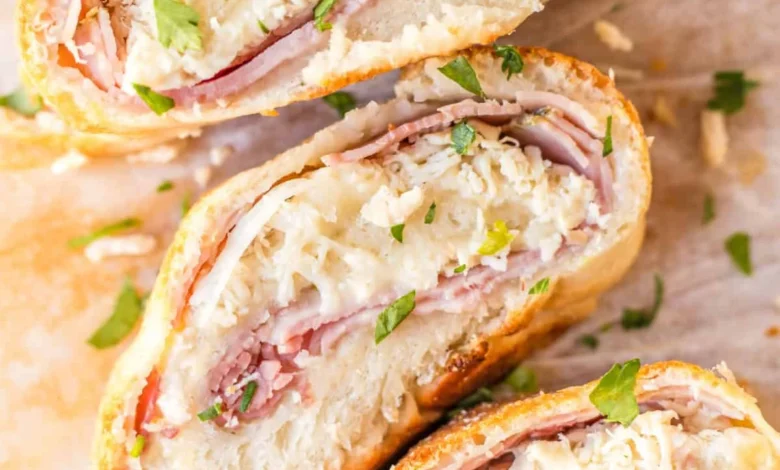
The culinary landscape of the modern American household is increasingly defined by the intersection of gourmet tradition and logistical efficiency. As domestic schedules become more constrained, the demand for "speed scratch" cooking—a method utilizing pre-prepared components to create high-quality meals—has reached an all-time high. A prominent example of this trend is the Chicken Cordon Bleu Stromboli, a dish that reconfigures the complex, multi-stage preparation of a mid-century European classic into a streamlined, handheld format suitable for contemporary weeknight dining. By synthesizing the flavor profile of the French-inspired Chicken Cordon Bleu with the structural integrity of the Italian-American stromboli, this dish represents a significant evolution in fusion-based convenience cooking.

The Historical Convergence of Two Culinary Traditions
To understand the significance of the Chicken Cordon Bleu Stromboli, one must examine the lineage of its two primary influences. Chicken Cordon Bleu, despite its French name meaning "Blue Ribbon," has origins that are frequently debated by food historians. While the term "Cordon Bleu" was established as a mark of culinary excellence in 16th-century France, the specific dish involving breaded meat stuffed with ham and cheese likely emerged in Switzerland in the 1940s. It gained widespread popularity in the United States during the 1960s, appearing in the New York Times as a symbol of sophisticated continental cuisine. Traditionally, it requires pounding chicken breasts thin, meticulously rolling them around Gruyère or Swiss cheese and lean ham, breading the exterior, and either pan-frying or baking the assembly.
Conversely, the stromboli is a distinctly American innovation. Originating in the early 1950s in Essington, Pennsylvania, just outside Philadelphia, the stromboli was reportedly invented by Nazzareno Romano at Romano’s Pizzeria. Unlike the calzone, which is an Italian turnover made from pizza dough and typically contains ricotta cheese, the stromboli is a rolled or folded loaf containing various meats, cheeses, and vegetables. The name was inspired by the 1950 Roberto Rossellini film Stromboli, starring Ingrid Bergman.
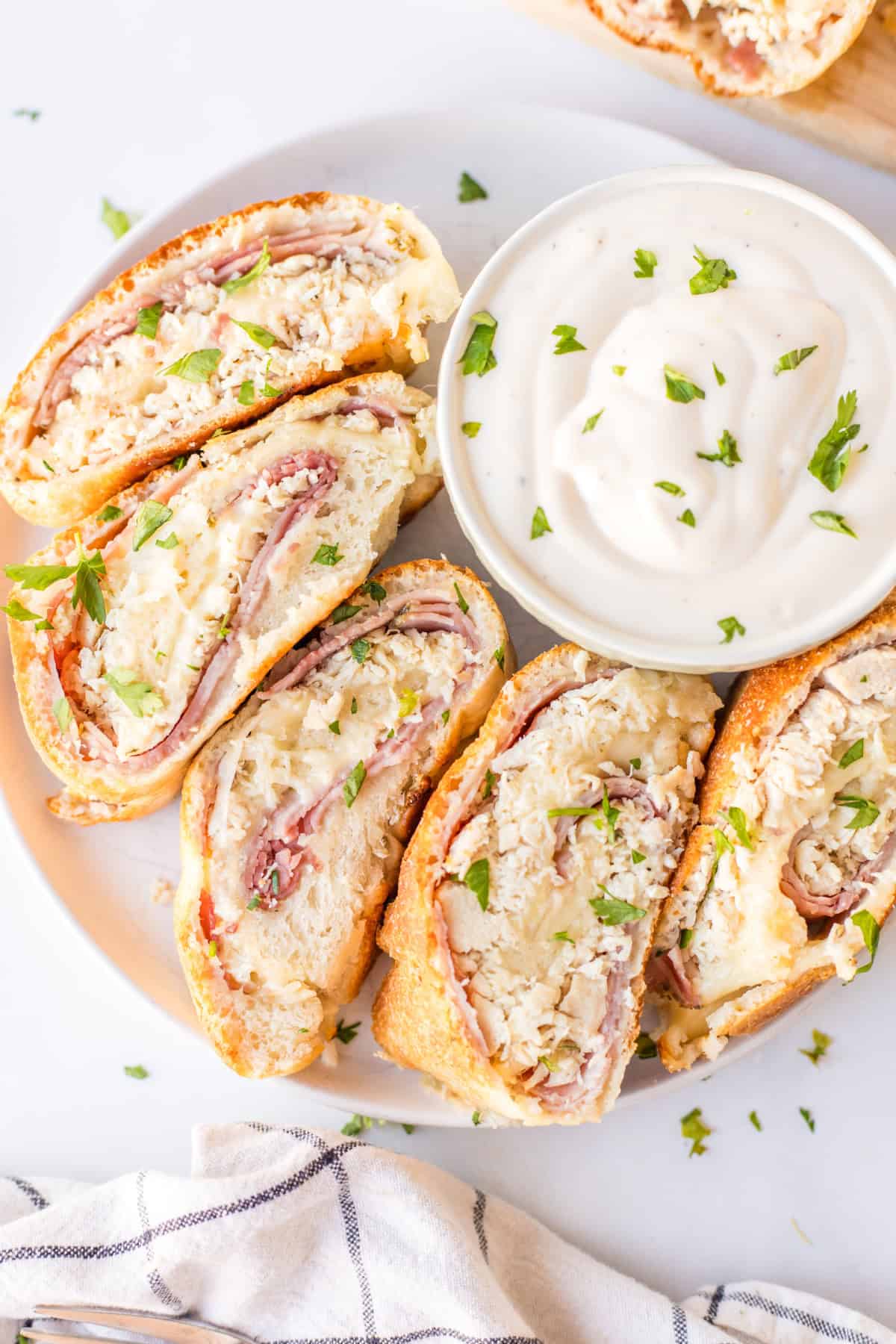
The integration of these two styles—the refined stuffing of the Cordon Bleu and the utilitarian crust of the stromboli—marks a transition from formal "plated" dining to the "handheld" convenience preferred by modern consumers.
Market Drivers and the Rise of Shortcut Gastronomy
The popularity of recipes like the Chicken Cordon Bleu Stromboli is supported by broader economic and consumer trends. According to market research, the "prepared foods" sector of the grocery industry has seen consistent growth, with rotisserie chicken alone accounting for over $1 billion in annual sales in the United States. This stromboli leverages the ubiquity of rotisserie chicken and refrigerated pizza dough, two staples of the modern pantry.
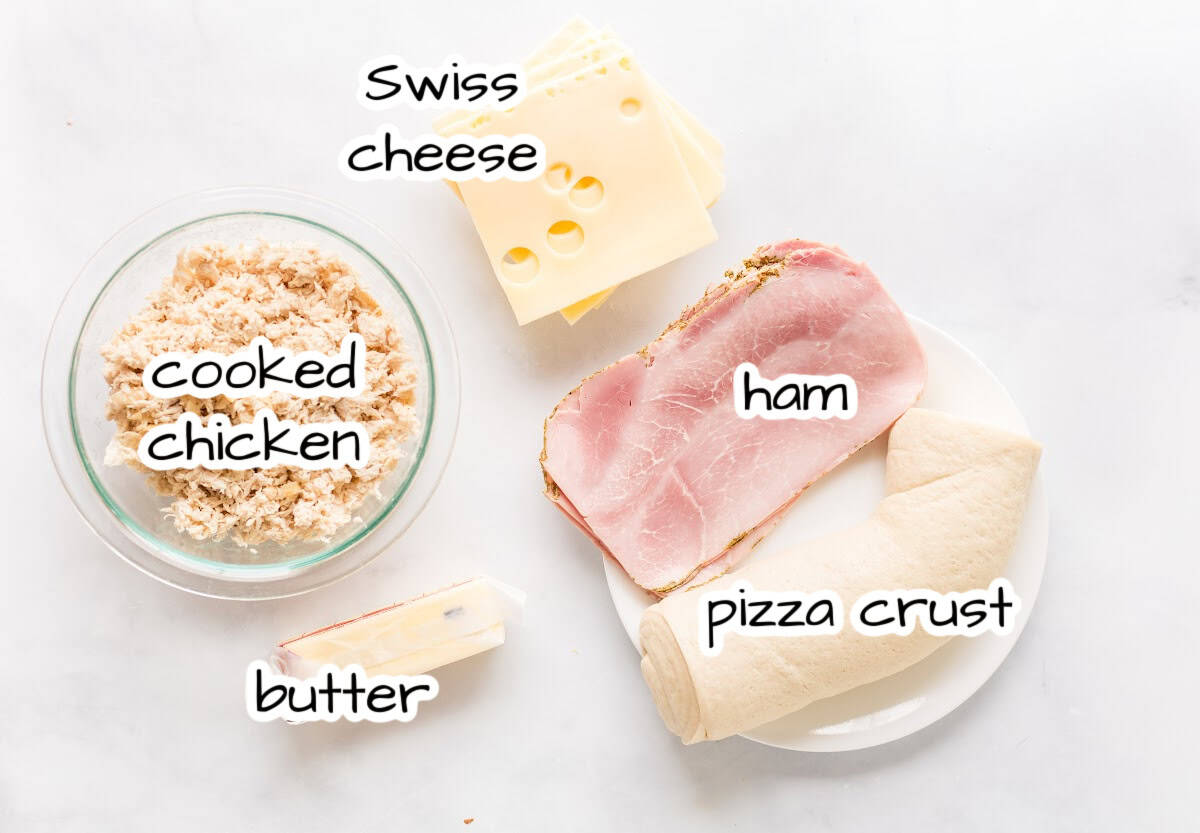
The use of refrigerated pizza dough represents a significant reduction in labor. Traditional yeast-leavened dough requires hours of fermentation and proofing to achieve the necessary elasticity and flavor. Industrial advances in dough stabilization allow home cooks to achieve a consistent, buttery crust in under 20 minutes of baking time. Furthermore, the substitution of rotisserie chicken or leftover poultry for raw chicken breasts eliminates the risks associated with handling raw meat and the time-intensive process of "pounding and rolling" required in the original French preparation.
Technical Composition and Procedural Methodology
The Chicken Cordon Bleu Stromboli is engineered for both structural stability and flavor balance. The preparation follows a specific sequence designed to optimize the Maillard reaction—the chemical reaction between amino acids and reducing sugars that gives browned food its distinctive flavor.
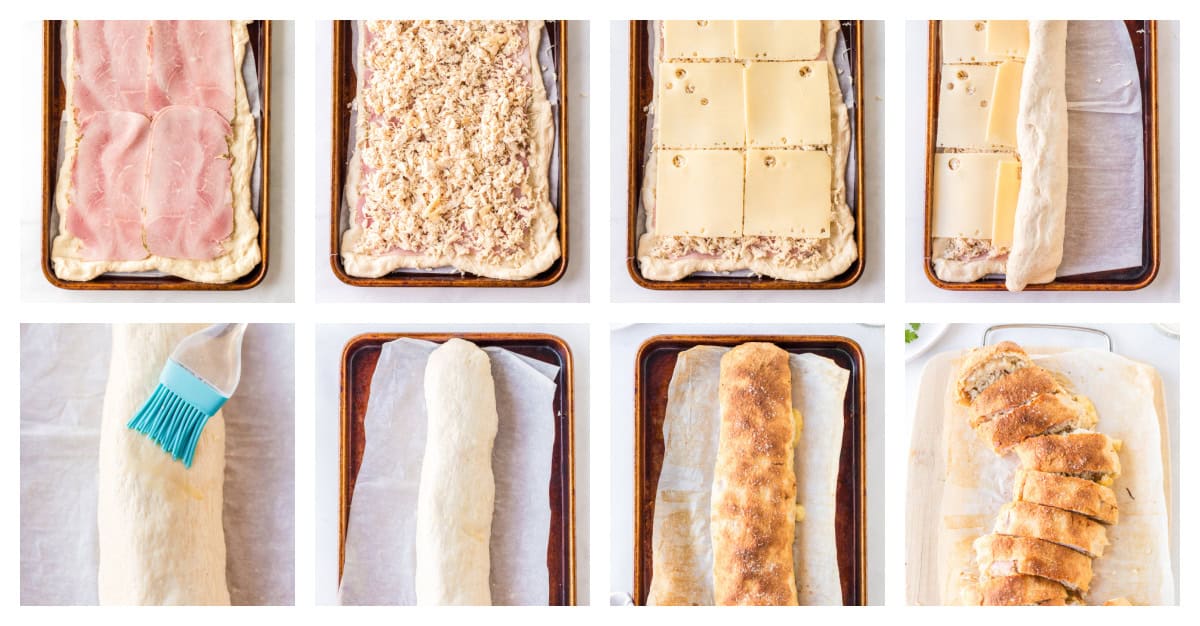
- Structural Foundation: The process begins with the deployment of a rectangular sheet of pizza dough. This provides the gluten network necessary to encase the high-moisture ingredients (cheese and ham) without rupturing during the expansion phase of baking.
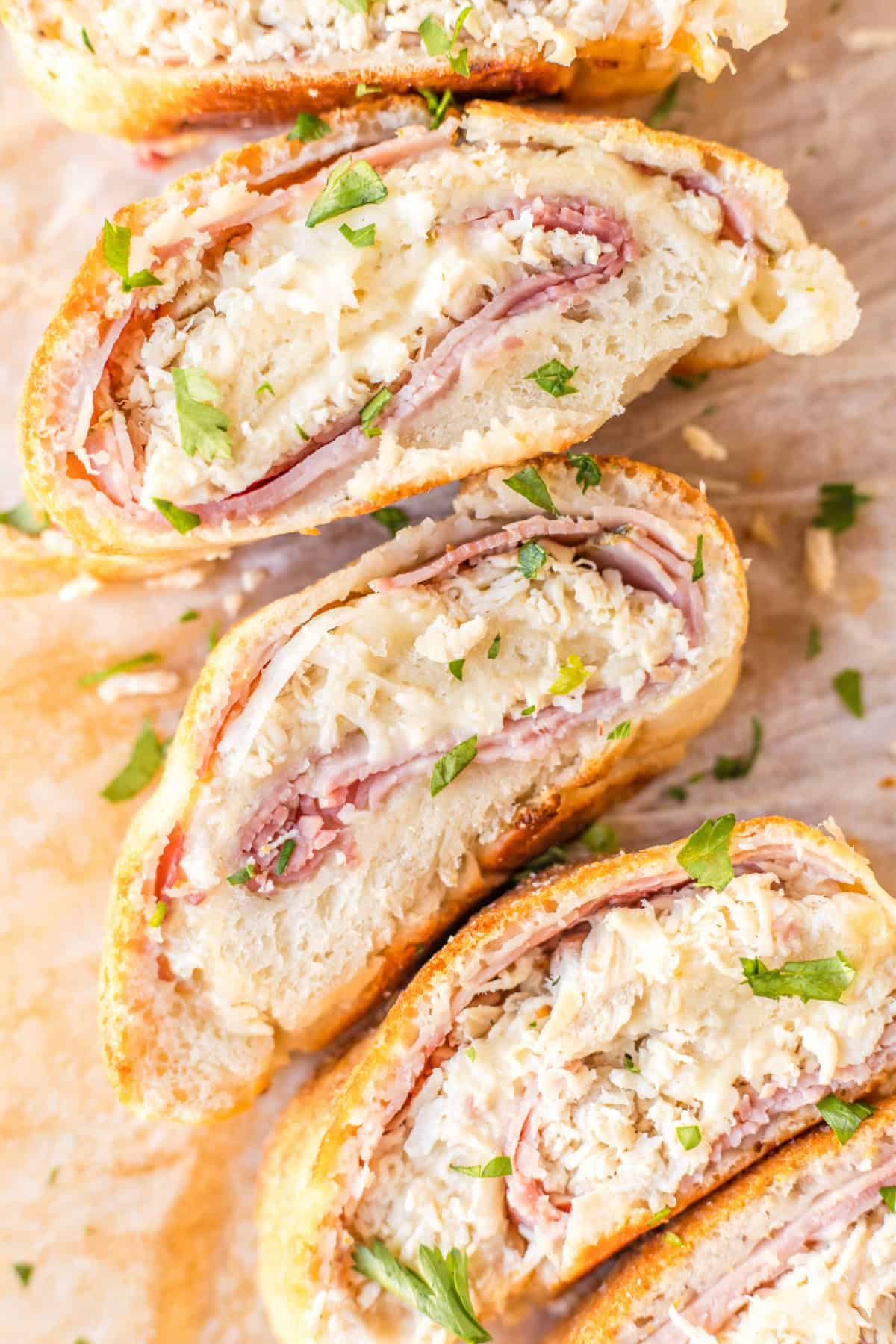
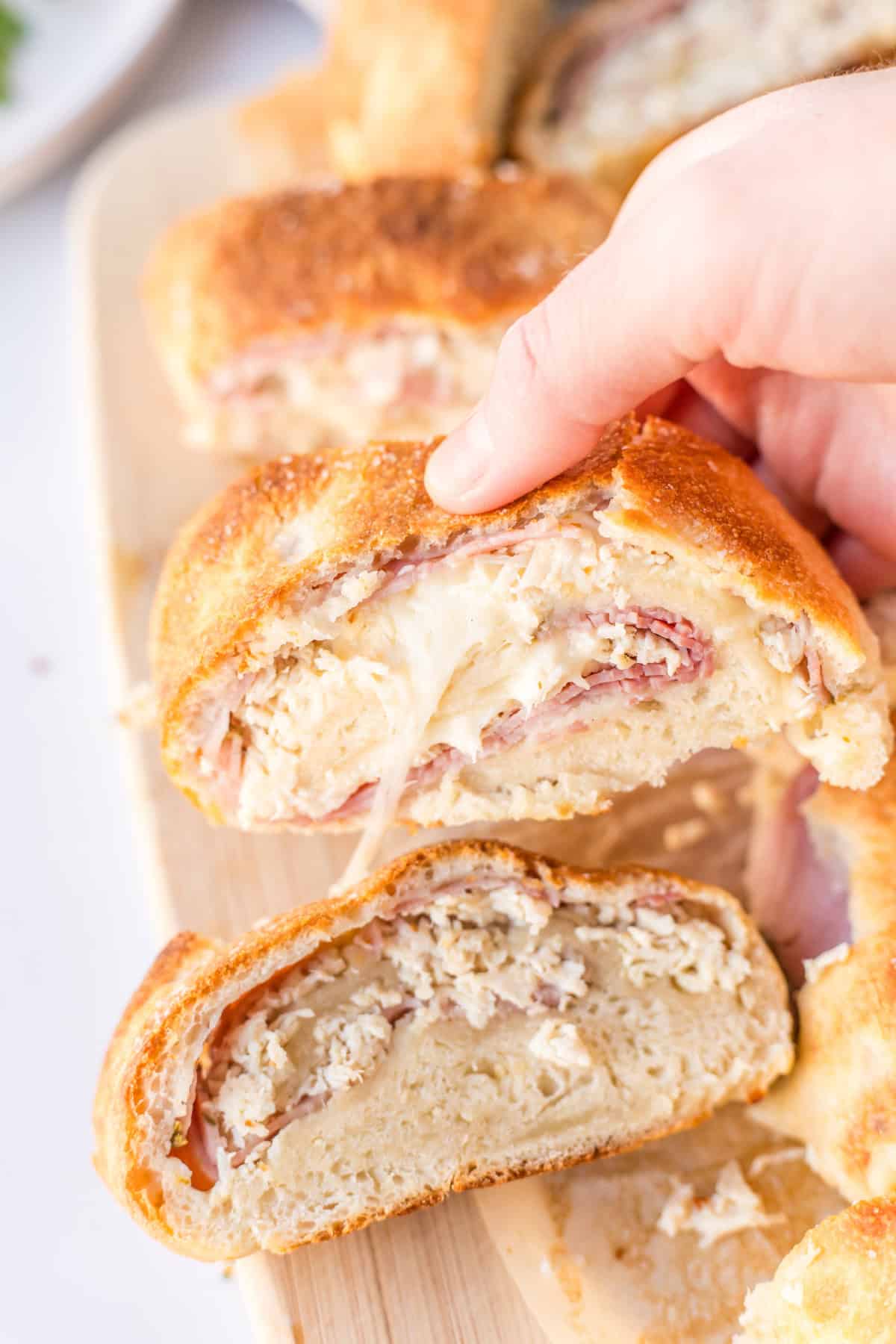
- Layering Strategy: The internal components are layered systematically. A base of Swiss cheese is typically followed by thin-sliced deli ham and shredded cooked chicken. The choice of Swiss cheese is functional as well as flavorful; its melting point and elasticity ensure a cohesive interior that does not become overly greasy.
- Encapsulation: The dough is rolled tightly, similar to a jelly roll, and the seams are pinched to create a hermetic seal. This "steam-chamber" effect inside the dough allows the cheese to melt uniformly while the chicken and ham are heated through.
- Surface Treatment: A final application of melted butter or an egg wash, often supplemented with Italian seasonings or garlic powder, facilitates the golden-brown finish and adds a layer of fat that enhances the mouthfeel of the crust.
The entire procedure, from assembly to extraction from the oven, is completed in approximately 35 minutes—15 minutes for preparation and 20 minutes for baking. This efficiency is a primary factor in the dish’s high adoption rate among working professionals and families.
Nutritional Analysis and Dietary Impact
From a nutritional standpoint, the Chicken Cordon Bleu Stromboli offers a dense profile of macronutrients, though it remains a dish that should be consumed with an awareness of its caloric and sodium content. A standard serving (one-sixth of the loaf) contains approximately 393 calories.
- Protein: With 26 grams of protein per serving, the dish is highly satiating. This is largely due to the combination of lean chicken and ham, complemented by the protein content in the Swiss cheese.
- Fats: The recipe contains 18 grams of total fat, with 9 grams being saturated. The use of butter for the crust and the natural fats in the cheese contribute to this metric.
- Sodium: A significant consideration for this dish is its sodium content, which averages 789 milligrams per serving. This is primarily derived from the processed deli ham and the refrigerated pizza dough, both of which use salt as a preservative and flavor enhancer.
- Carbohydrates: The pizza dough provides 32 grams of carbohydrates, making it a significant energy source.
When compared to the traditional deep-fried Chicken Cordon Bleu, the stromboli version often represents a lower-fat alternative, as it is baked rather than submerged in oil. However, the inclusion of the dough wrap adds a carbohydrate load not present in the original flour-dredged version.
Expert Perspectives and Culinary Adaptations
Culinary analysts note that the success of "hybridized" meals like the stromboli version of Cordon Bleu lies in their versatility. While the core recipe is standardized, it allows for several "upgrades" that cater to different palate preferences.
"The move toward deconstructed or reconstructed classics is a response to the ‘decision fatigue’ of modern meal planning," states one culinary trend report. "By taking a flavor profile that consumers already trust—like ham, Swiss, and chicken—and applying it to a familiar format like pizza or stromboli, you remove the barrier to entry for picky eaters and busy cooks alike."
Common adaptations identified by home chefs include:
- The Smoked Variant: Utilizing smoked Swiss or Gruyère to add depth to the flavor profile.
- The Mustard Swipe: Applying a thin layer of Dijon mustard to the dough before layering ingredients, which more closely mimics the traditional French preparation.
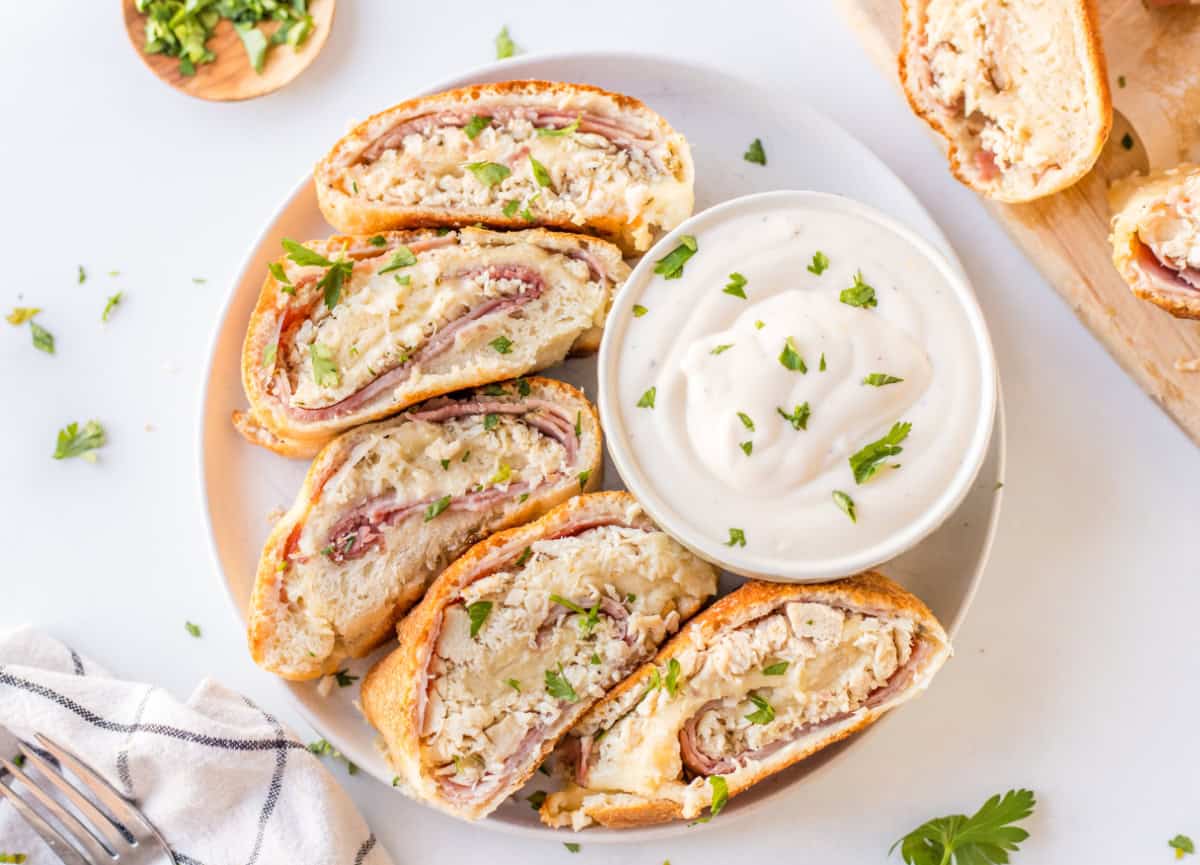
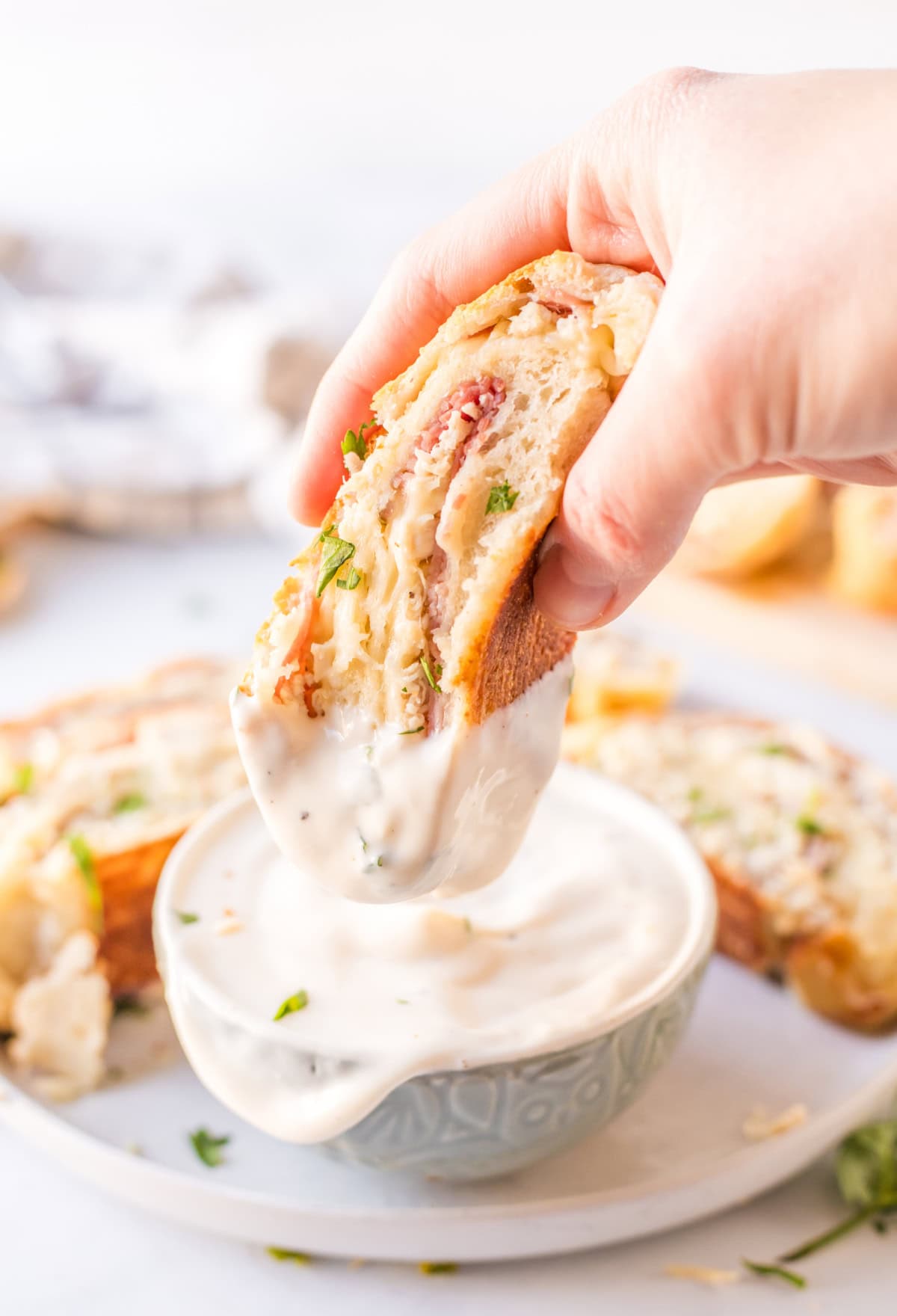
- The Alfredo Dip: Serving the stromboli with a side of Alfredo or a creamy white wine sauce, providing the moisture and richness traditionally offered by the sauce served over plated Chicken Cordon Bleu.
Chronology of Preparation and Service
The workflow for the Chicken Cordon Bleu Stromboli is optimized for a "one-pan" cleanup, which is a critical metric for contemporary kitchen efficiency.
- 0-10 Minutes: Preheating the oven to 400°F (200°C) and preparing the baking surface with parchment paper or non-stick spray.
- 10-15 Minutes: Stretching the dough and layering the ham, chicken, and cheese. Rolling and sealing the loaf.
- 15-35 Minutes: Baking. During this window, the internal temperature of the meats reaches safety standards, and the dough undergoes leavening and browning.
- 35-40 Minutes: The "rest" period. Allowing the stromboli to sit for five minutes before slicing is essential to prevent the melted cheese from escaping the crust prematurely.
Broader Implications for the Food Industry
The emergence of the Chicken Cordon Bleu Stromboli is indicative of a broader shift in the food industry toward "intentional leftovers" and "component cooking." As inflation impacts grocery budgets, the ability to repurpose a rotisserie chicken from a Sunday meal into a gourmet-style stromboli on a Tuesday is an essential skill for economic household management.
Furthermore, this dish highlights the role of the "middle-aisle" grocery products—refrigerated doughs and pre-sliced cheeses—in bridging the gap between high-effort culinary art and low-effort fast food. It suggests a future where the definition of "home-cooked" continues to expand, encompassing recipes that prioritize assembly and thermal processing over raw-ingredient preparation.
In conclusion, the Chicken Cordon Bleu Stromboli is more than a simple weeknight dinner; it is a manifestation of 21st-century culinary pragmatism. It respects the flavor legacy of its European roots while embracing the structural and temporal demands of the modern American lifestyle. For the food industry and the home cook alike, it serves as a blueprint for how traditional flavors can be preserved through innovative, efficient formatting.
Related posts: