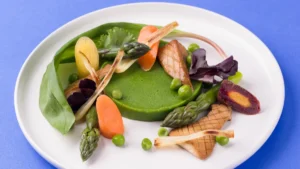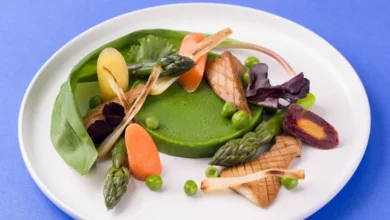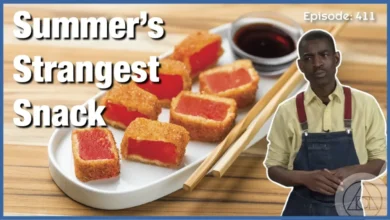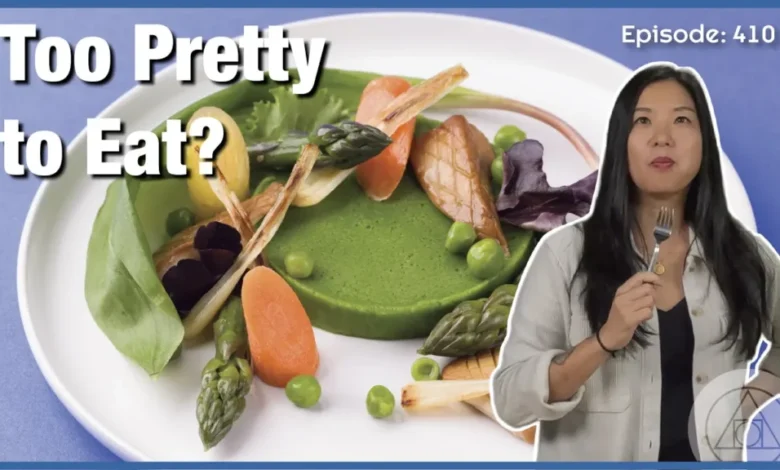
Modernist Pantry, a prominent purveyor of innovative culinary tools and ingredients, recently unveiled episode 410 of its acclaimed "We Transform Food" (WTF) series, showcasing a radical reinterpretation of the classic Italian dessert: a Spring Pea Panna Cotta Salad. This particular installment has garnered attention for its ingenious blending of savory and sweet elements, presenting a silky, entirely vegan panna cotta infused with the delicate sweetness of spring peas, elegantly plated alongside crisp, vibrant seasonal vegetables such as mushrooms and asparagus, potentially accented by tender herbs. The creation challenges conventional perceptions of both panna cotta and salad, positioning itself as a sophisticated, composed ode to the spring season, emphasizing texture, flavor, and visual artistry over traditional leafy greens.
The Evolution of "We Transform Food": A Platform for Culinary Innovation
The "We Transform Food" series, produced by Modernist Pantry, has established itself as a vital resource for chefs, culinary professionals, and enthusiastic home cooks seeking to push the boundaries of gastronomic creativity. For over 400 episodes, the weekly series has systematically explored advanced ingredients, cutting-edge kitchen gadgets, and experimental techniques that facilitate the transformation of food into novel and memorable experiences. Modernist Pantry, the parent organization, is known for democratizing access to ingredients and equipment once exclusive to high-end modernist kitchens, making molecular gastronomy and other innovative culinary disciplines accessible to a broader audience.
The series typically features detailed demonstrations, explanations of scientific principles behind culinary transformations, and practical applications of often complex methods. Its longevity, reaching episode 410, underscores its consistent popularity and its role in charting the evolving landscape of contemporary cuisine. The content frequently delves into topics such as spherification, gelation, emulsification, and temperature control, utilizing products like agar-agar, gellan gum, lecithin, and various hydrocolloids. By providing both inspiration and instruction, "We Transform Food" empowers its viewers to experiment with textures, flavors, and presentations that elevate their culinary endeavors beyond traditional paradigms. The series’ presence on YouTube, coupled with direct subscription options, ensures wide dissemination and engagement within the global culinary community.
Deconstructing the Spring Pea Panna Cotta Salad: A Masterclass in Modernist Composition
Episode 410’s focus on the Spring Pea Panna Cotta Salad exemplifies the series’ commitment to innovative food transformation. The dish represents a profound departure from the conventional sweet, dairy-based panna cotta, traditionally served as a dessert. Here, panna cotta is reimagined as a savory, vegan centerpiece for a "salad," a term itself recontextualized to denote a meticulously arranged composition rather than a loose mixture of ingredients.
The core of the dish lies in its vegan panna cotta. Achieving a "silky" texture without dairy requires precise application of plant-based gelling agents. Common alternatives to gelatin in modernist vegan cuisine include agar-agar, derived from seaweed, known for its firm, brittle gel; carrageenan, also seaweed-derived, offering a range of textures from soft to firm; or gellan gum, a microbial polysaccharide capable of producing gels with varying degrees of elasticity and stability. The infusion of sweet spring peas into this vegan base is crucial. This likely involves blending fresh peas into a liquid base (such as plant-based milk or vegetable broth), straining for a smooth consistency, and then incorporating the chosen gelling agent. The sweetness of the peas would provide a natural counterpoint to the savory elements, creating a balanced flavor profile that defies simple categorization as either sweet or savory.
The accompanying elements are equally critical to the dish’s success. The description mentions "crisp, vibrant vegetables—think mushrooms, asparagus, maybe a tender herb or two." This selection is intentional, designed to provide textural contrast to the smooth panna cotta and introduce complementary flavors. Asparagus, a quintessential spring vegetable, offers a slightly bitter, earthy note and a satisfying snap. Mushrooms, depending on the variety (e.g., thinly sliced raw cremini, sautéed wild mushrooms), can contribute umami depth and varied textures. Tender herbs like mint, chervil, or dill would introduce aromatic freshness and a delicate visual appeal. The term "composed" is key here, indicating that each component is individually prepared and then artfully arranged on the plate, rather than simply tossed together. This meticulous approach to plating is a hallmark of modernist cuisine, where visual aesthetics are as important as taste and texture.
Chronology of Culinary Innovation and the Rise of Plant-Based Gastronomy
The emergence of dishes like the Spring Pea Panna Cotta Salad is not an isolated event but rather a culmination of several significant trends in the culinary world over the past few decades. Modernist cuisine, pioneered by chefs like Ferran Adrià of elBulli in the late 20th and early 21st centuries, emphasized scientific understanding of ingredients and techniques, leading to deconstructed dishes, new textures, and unexpected flavor combinations. This movement paved the way for a more experimental approach to traditional recipes.
Concurrently, the global shift towards plant-based diets has accelerated dramatically. According to market research, the global plant-based food market was valued at over $40 billion in 2022 and is projected to grow substantially, driven by increasing consumer awareness of health, environmental sustainability, and animal welfare. This surge in demand has spurred immense innovation in vegan cooking, moving beyond simple meat substitutes to sophisticated, chef-driven creations that celebrate the inherent qualities of vegetables, fruits, grains, and legumes. Dishes like the Spring Pea Panna Cotta Salad directly address this demand by offering a refined, aesthetically pleasing, and flavor-forward vegan option that appeals to a broad spectrum of diners, including those who are not strictly vegan but appreciate innovative vegetable-centric cuisine.
The "We Transform Food" series, by consistently showcasing such innovations, acts as a real-time chronicle of these culinary developments. Episode 410, released during the spring season, aligns perfectly with the dish’s emphasis on seasonal ingredients, further integrating the concept with the broader farm-to-table movement that prioritizes fresh, locally sourced produce. The timing of its release on YouTube ensures maximum engagement during the peak availability of its key ingredient: spring peas.
Implications and Broader Impact on the Culinary Landscape
The Spring Pea Panna Cotta Salad, as presented in WTF Ep 410, carries several important implications for the future of food. Firstly, it further blurs the traditional lines between courses. By re-imagining a classic dessert as a savory appetizer or light main, it encourages diners and chefs alike to reconsider conventional meal structures and embrace greater flexibility in menu design. This trend of "savory desserts" or "dessert-like savories" reflects a broader culinary playfulness and a desire to surprise and delight the palate.
Secondly, it underscores the increasing sophistication of vegan cuisine. No longer confined to niche markets or simple substitutions, plant-based cooking is evolving into an art form capable of producing dishes that rival, and in many cases surpass, their traditional counterparts in complexity and elegance. This episode serves as a powerful testament to the versatility of plant-based ingredients and the ingenuity of chefs working within this space. It also highlights the role of specialized ingredients, like the hydrocolloids offered by Modernist Pantry, in enabling these advanced vegan transformations.
Thirdly, the dish exemplifies the importance of textural contrast in modern gastronomy. The description explicitly mentions "texture and tone," indicating a conscious effort to create a multi-sensory experience. The juxtaposition of the "silky" panna cotta with "crisp, vibrant vegetables" provides a dynamic mouthfeel that enhances the overall enjoyment of the dish. This focus on texture is a key characteristic of contemporary cooking, moving beyond mere flavor to encompass the full spectrum of sensory engagement.
Finally, the continued success and influence of series like "We Transform Food" demonstrate the power of digital media in disseminating culinary knowledge and inspiring experimentation. By making advanced techniques accessible through visual demonstrations, Modernist Pantry contributes to a more informed and adventurous global culinary community. The "subscribe on YouTube" call to action integrated within the content highlights the direct channel for this ongoing education, fostering a dedicated audience eager to explore the next frontier of food transformation.
In a broader context, the Spring Pea Panna Cotta Salad positions Modernist Pantry and the "We Transform Food" series as leaders in interpreting and shaping contemporary culinary trends. Their commitment to exploring and explaining innovative techniques, coupled with their focus on ingredients that facilitate these transformations, ensures their continued relevance in an ever-evolving food world. As the culinary landscape continues to embrace health, sustainability, and unparalleled creativity, such pioneering dishes will undoubtedly serve as benchmarks for future innovations.