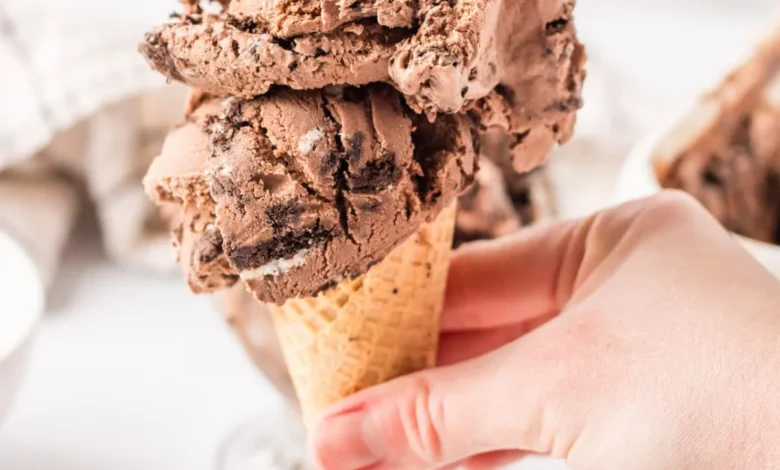
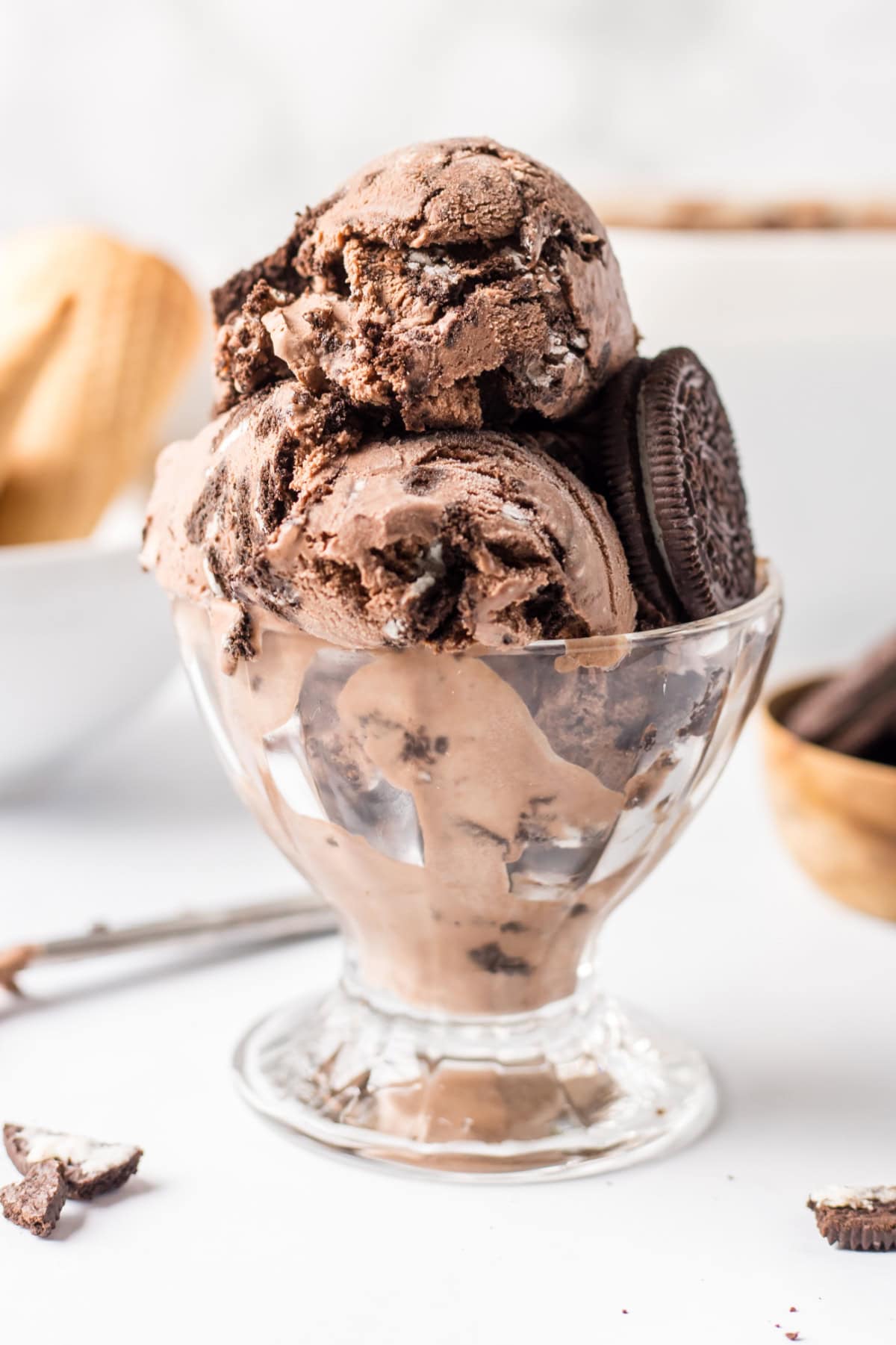
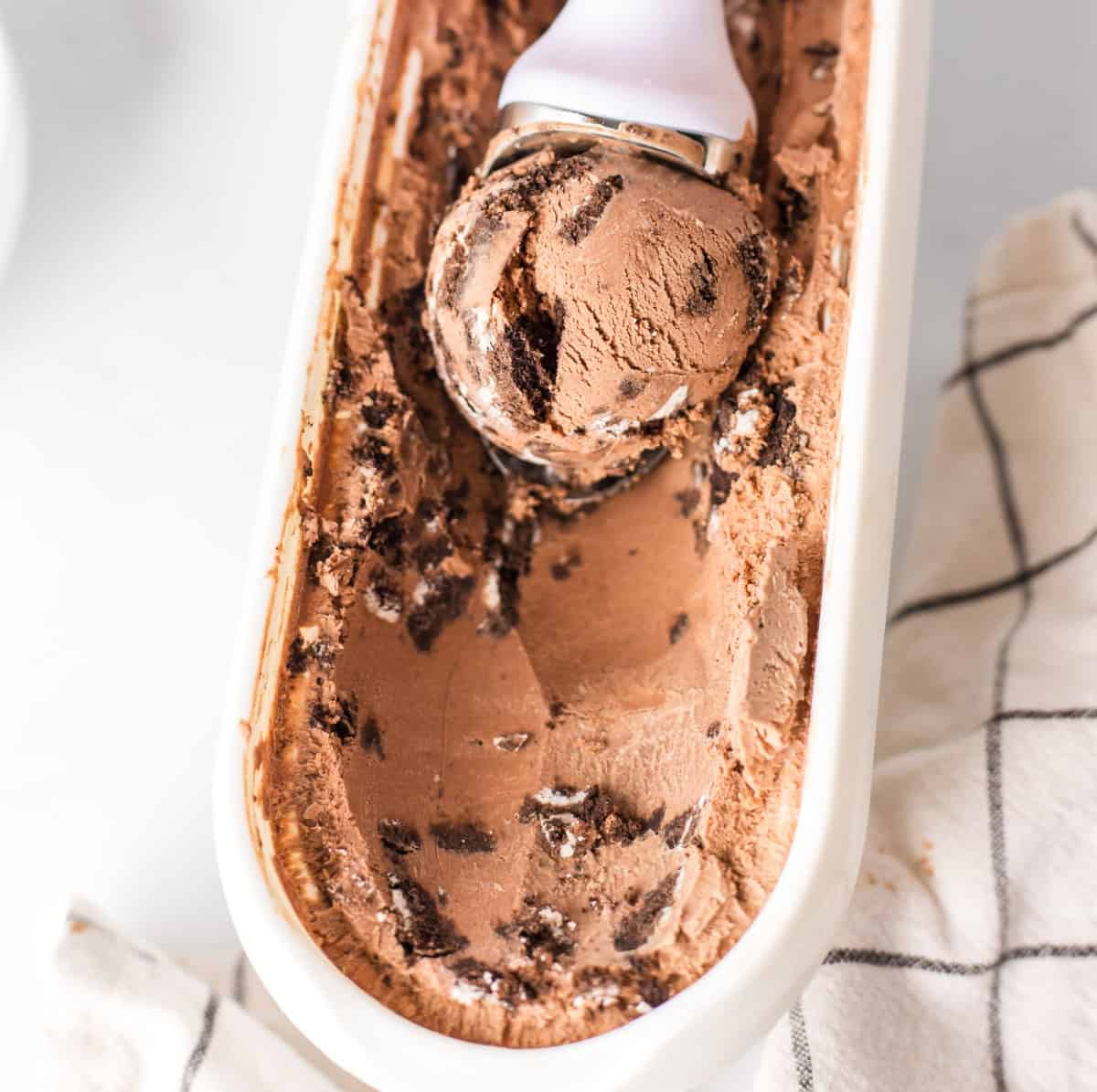
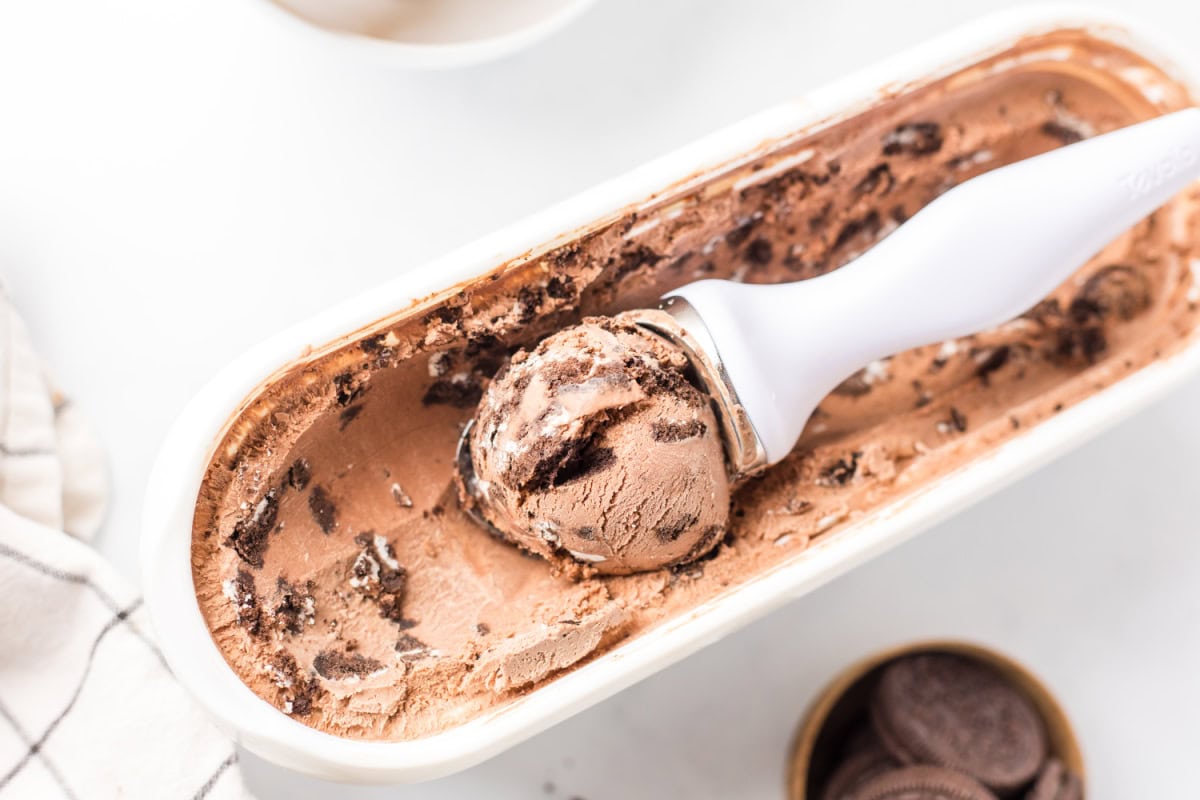
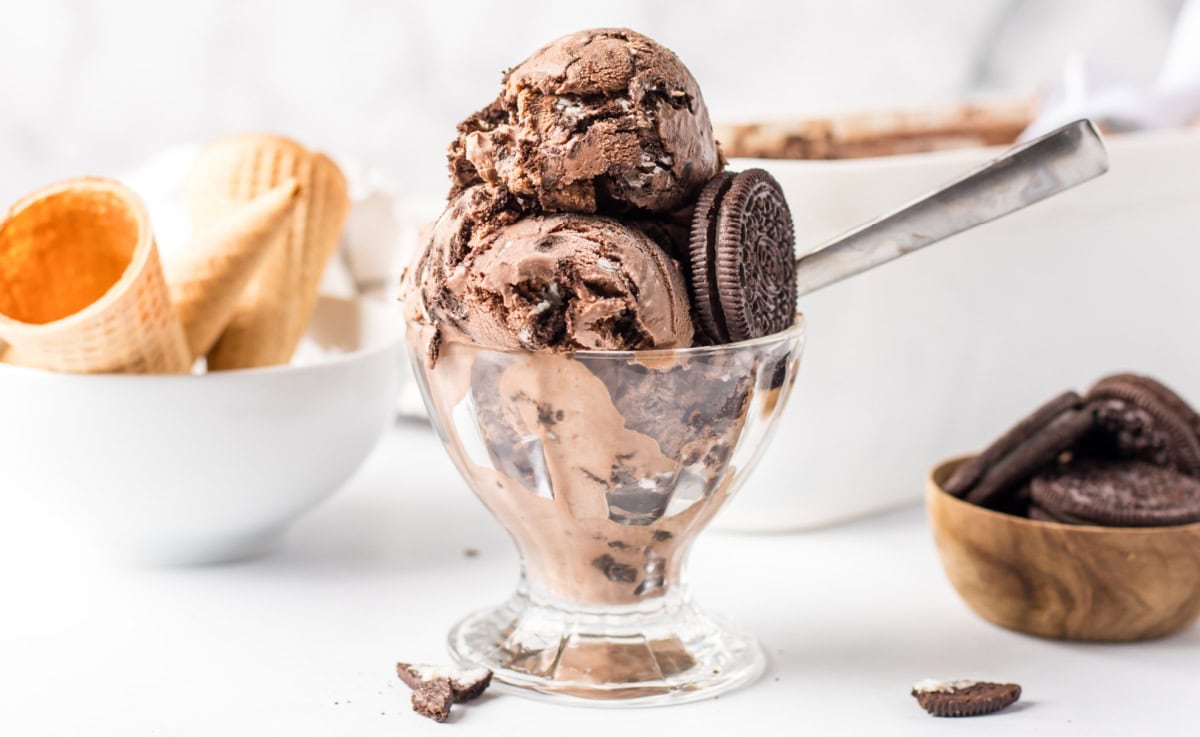
The culinary landscape of frozen desserts has seen a significant shift toward flavor intensification, as evidenced by the emergence of a sophisticated Chocolate Cookies and Cream Ice Cream recipe that challenges the traditional vanilla-based standards of the industry. This specific iteration, characterized by its "triple chocolate" profile, utilizes a rich cocoa-infused base paired with dark chocolate cookie inclusions, marking a departure from the classic Cookies and Cream format popularized in the late 20th century. By replacing the standard sweet cream or vanilla foundation with a dense cocoa-forward matrix, the recipe caters to a growing demographic of consumers seeking "super-premium" ice cream experiences characterized by lower overrun and higher flavor complexity.
The Historical Context and Evolution of Cookies and Cream
To understand the significance of a chocolate-based cookies and cream variant, one must look at the origin of the flavor profile. While several entities claim the invention of the original Cookies and Cream—including South Dakota State University, Blue Bell Creameries, and Dreyer’s/Edy’s—the flavor rose to national prominence in the late 1970s and early 1980s. Historically, the industry standard relied on the contrast between a bright white vanilla base and black cocoa-based sandwich cookies.
The transition to a chocolate base represents what food historians call "flavor layering." In recent years, artisanal creameries have moved away from single-note profiles toward integrated experiences. The Chocolate Cookies and Cream Ice Cream model aligns with this trend, providing a cohesive flavor palette where the cookie and the ice cream base share a common cocoa lineage, rather than serving as stark contrasts to one another.
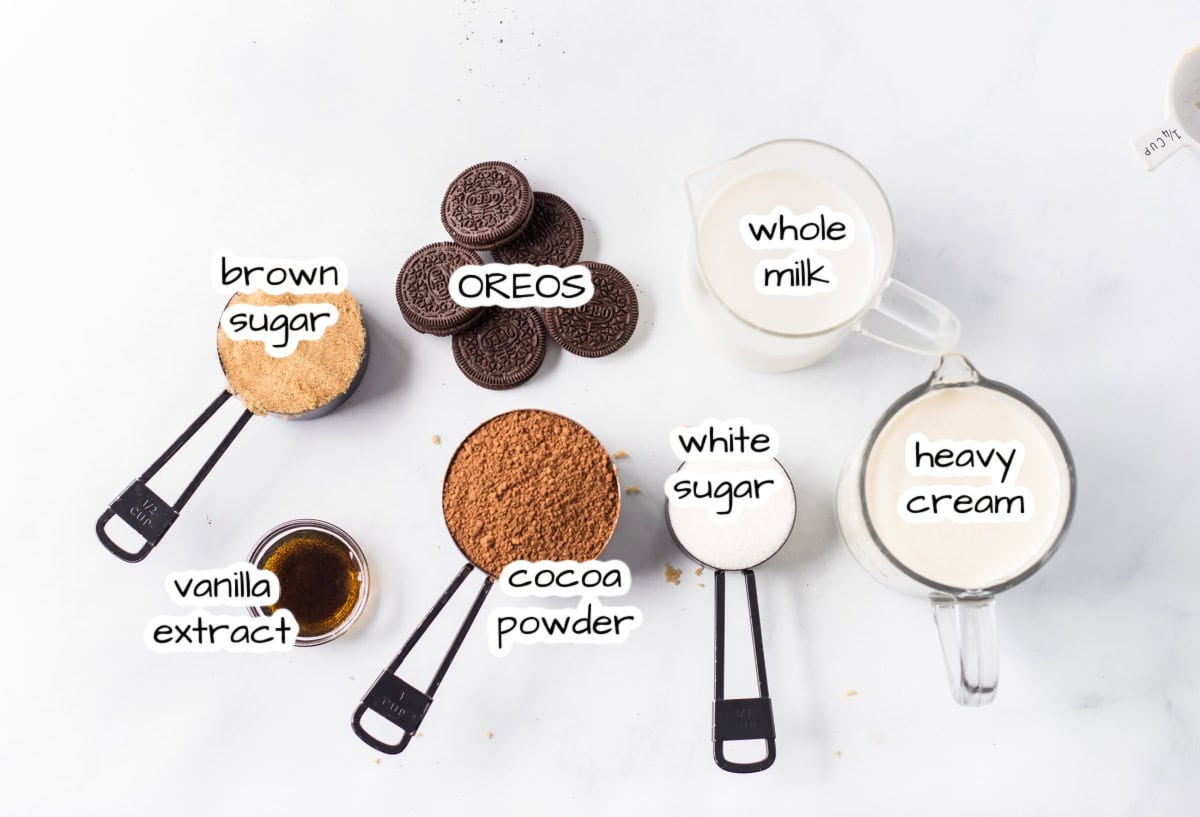
Technical Specifications and Ingredient Analysis
The chemical composition of this ice cream is engineered to balance sweetness with the inherent bitterness of alkalized cocoa. The recipe yields approximately 16 servings, with each half-cup serving containing an estimated 323 kilocalories. The nutritional breakdown reveals a profile consistent with premium frozen desserts: 22 grams of total fat, 13 grams of saturated fat, and 32 grams of carbohydrates, including 24 grams of sugar.
The choice of cocoa powder over melted chocolate as the primary flavoring agent is a strategic technical decision. Cocoa powder provides a more intense chocolate flavor without the added fats and waxes found in bar chocolate, which can sometimes result in a waxy mouthfeel when frozen. Furthermore, the use of cocoa powder contributes to a "fudgy" texture, as the fine particles of cocoa solids increase the viscosity of the unfrozen liquid base.
The inclusion of Oreo cookies—or similar chocolate sandwich cookies—serves both a structural and a sensory purpose. The cookies provide a "mix-in" density that varies between soft, moisture-absorbed pieces and larger, crunchier chunks. To maintain this textural diversity, culinary experts recommend folding the cookie pieces into the churned ice cream at the "soft-serve" stage, just before the final hardening process in the freezer.
Chronology of Production: From Base to Basin
The creation of Chocolate Cookies and Cream Ice Cream follows a rigorous chronological sequence designed to ensure microbial safety and optimal crystal formation.
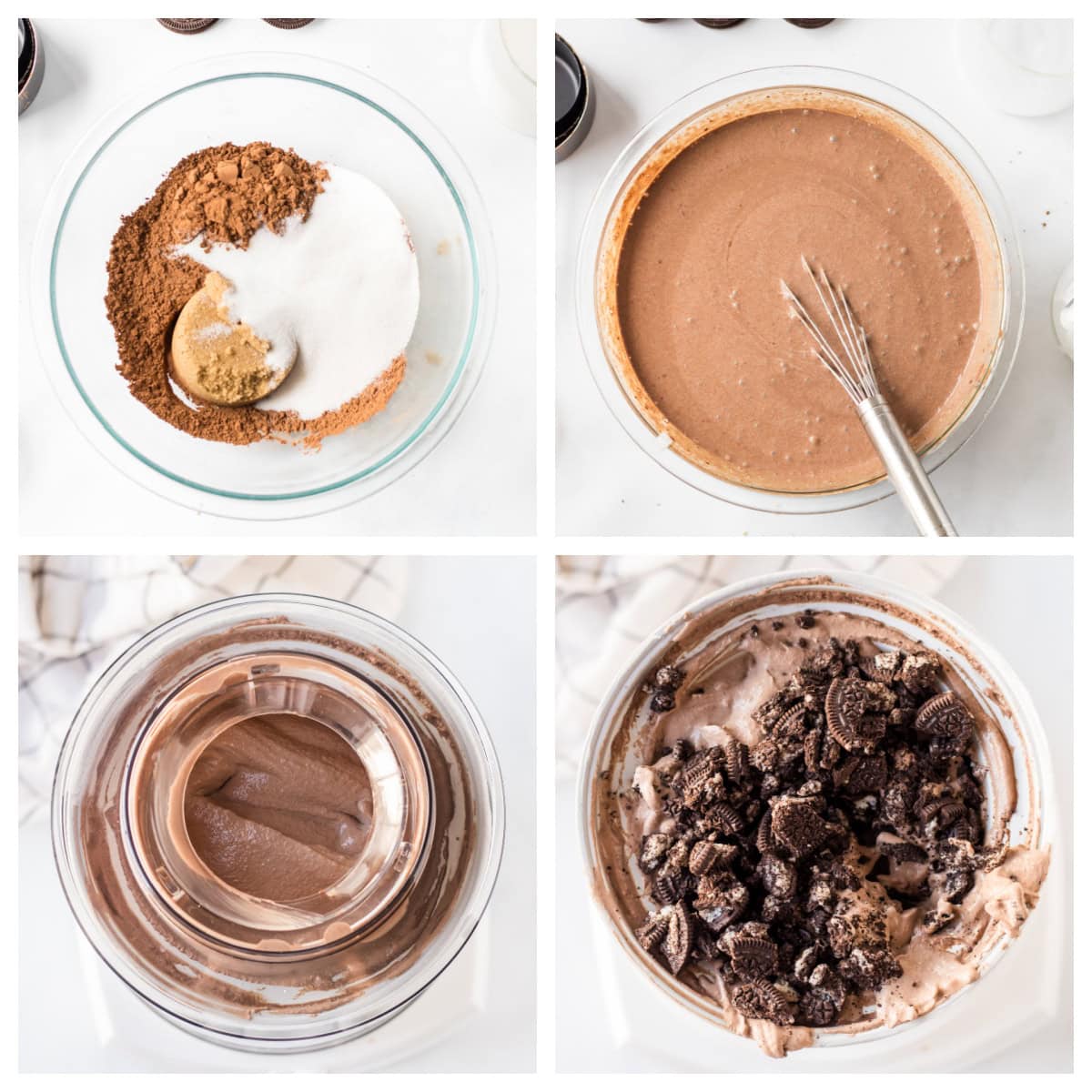
- Preparation of the Base: The process begins with the homogenization of the liquid dairy (typically a combination of heavy cream and whole milk) with sugars and cocoa powder. This mixture is often heated to ensure the cocoa is fully hydrated and the sugars are dissolved.
- The Aging Phase: Once the base is prepared, it must undergo a chilling period. Professional guidelines suggest a minimum of four hours, though 12 to 24 hours is preferred. This "aging" allows the milk proteins to hydrate and the fat globules to partially crystallize, which results in a smoother texture and better air incorporation during churning.
- The Churning Process: The chilled base is transferred to an ice cream maker. During this phase, the mixture is simultaneously cooled and agitated. The goal is to incorporate air (overrun) while keeping ice crystals as small as possible. Smaller ice crystals result in a creamier mouthfeel.
- Inclusion Integration: When the ice cream reaches its maximum volume and a semi-solid state, the crushed cookies are introduced. This timing is critical; adding them too early can lead to the cookies disintegrating into a gray slush, while adding them too late prevents even distribution.
- Hardening: The final stage involves transferring the ice cream to a storage container for deep freezing. This stage, which takes several hours, stabilizes the structure and prepares the product for service.
Market Trends and Consumer Behavior
The rise of recipes like Chocolate Cookies and Cream reflects broader trends in the $70 billion global ice cream market. Data from the International Dairy Foods Association (IDFA) suggests that while vanilla remains the most popular flavor overall, "indulgent" categories—those featuring multiple textures and chocolate-heavy profiles—are the fastest-growing segment among younger consumers.
Market analysts note that "home-made" or "artisanal-style" ice creams have gained traction as consumers seek transparency in ingredients. The ability to control the quality of the cocoa and the size of the cookie chunks provides a level of customization that mass-produced commercial brands often lack. Furthermore, the "chocolate on chocolate" trend taps into the psychological concept of "sensory-specific satiety," where the complexity of the flavor prevents the palate from becoming bored, potentially leading to higher consumption rates.
Culinary Perspectives and Expert Reactions
While no official statement has been released by major dairy conglomerates regarding this specific home-recipe variant, pastry chefs have long advocated for the "double chocolate" approach. "The industry is moving away from the idea that cookies and cream must be a binary of black and white," says one independent culinary consultant. "By utilizing a chocolate base, you create a more sophisticated flavor profile that appeals to an adult palate, moving the dessert from a childhood staple to a gourmet offering."
Critics of the chocolate-on-chocolate method argue that the nuance of the cookie’s cream filling can be lost in a dark cocoa base. However, proponents argue that the cream filling actually serves to temper the intensity of the chocolate ice cream, providing small "pockets" of vanilla sweetness that emerge sporadically during consumption.
Broader Implications for the Frozen Dessert Industry
The popularity of Chocolate Cookies and Cream Ice Cream has implications for both the supply chain and future product development. As more consumers experiment with high-end homemade recipes, demand for premium Dutch-processed cocoa and high-fat dairy products is expected to remain robust.
Additionally, this trend highlights the "brand-pairing" phenomenon. The use of Oreos—a brand owned by Mondelēz International—in a homemade context demonstrates the powerful cultural footprint of specific snack foods. It suggests that for many consumers, the "Cookies and Cream" identity is inextricably linked to the specific flavor profile of the Oreo, regardless of whether the base is vanilla or chocolate.
Conclusion and Future Outlook
As the culinary world continues to prioritize bold flavors and textural complexity, the Chocolate Cookies and Cream Ice Cream stands as a definitive example of the "upgrade culture" in modern desserts. By taking a recognized classic and intensifying its core components, the recipe meets the modern demand for indulgence and craft.
Looking forward, the industry may see further variations on this theme, including the integration of sea salt to enhance the cocoa notes or the use of alternative dairy bases like oat or coconut milk to cater to the burgeoning vegan market. For now, the chocolate-based cookies and cream remains a benchmark for home-made excellence, proving that even the most established classics are ripe for reinvention. The success of such recipes underscores a fundamental truth in the food industry: in the realm of dessert, chocolate remains the most versatile and enduringly popular foundation for innovation.