The culinary landscape of North America has undergone a significant transformation over the past several decades, with Mexican and Tex-Mex influences moving from niche regional specialties to dominant mainstream staples. Central to this gastronomic shift is the ubiquitous presence of salsa, a condiment that has arguably surpassed ketchup as the preferred table accompaniment in the United States. Among the various iterations of this sauce, the "restaurant style" variant—characterized by its smooth texture, vibrant acidity, and subtle smokiness—remains the gold standard for consumers. Achieving this specific profile at home involves a strategic combination of fresh produce, controlled heat application through broiling, and precise blending techniques to replicate the complex flavors typically found in professional Mexican kitchens.
The Historical and Cultural Evolution of Salsa
The word "salsa" is derived from the Latin term for "salted," a nod to the ancient Roman tradition of seasoned sauces. However, the modern incarnation of the dish finds its roots in the pre-Columbian civilizations of Mesoamerica. The Aztecs, Mayans, and Incas utilized a combination of chilies, tomatoes, and ground squash seeds to create condiments that were traditionally prepared using a molcajete, a basalt stone mortar and pestle. Following the Spanish conquest in the 16th century, the introduction of ingredients such as onions, garlic, and cilantro further refined these recipes, leading to the diverse array of salsas known today.
The transition of salsa into the American mainstream began in earnest in the mid-20th century, particularly in the border regions of Texas, New Mexico, and Arizona. By the early 1990s, market analysts noted a historic shift: salsa sales began to outpace ketchup in dollar volume within the U.S. retail sector. This "Salsa Revolution" reflected a broader cultural trend toward bolder flavors and a growing appreciation for the health benefits associated with fresh, vegetable-based condiments.
Defining the "Restaurant Style" Profile
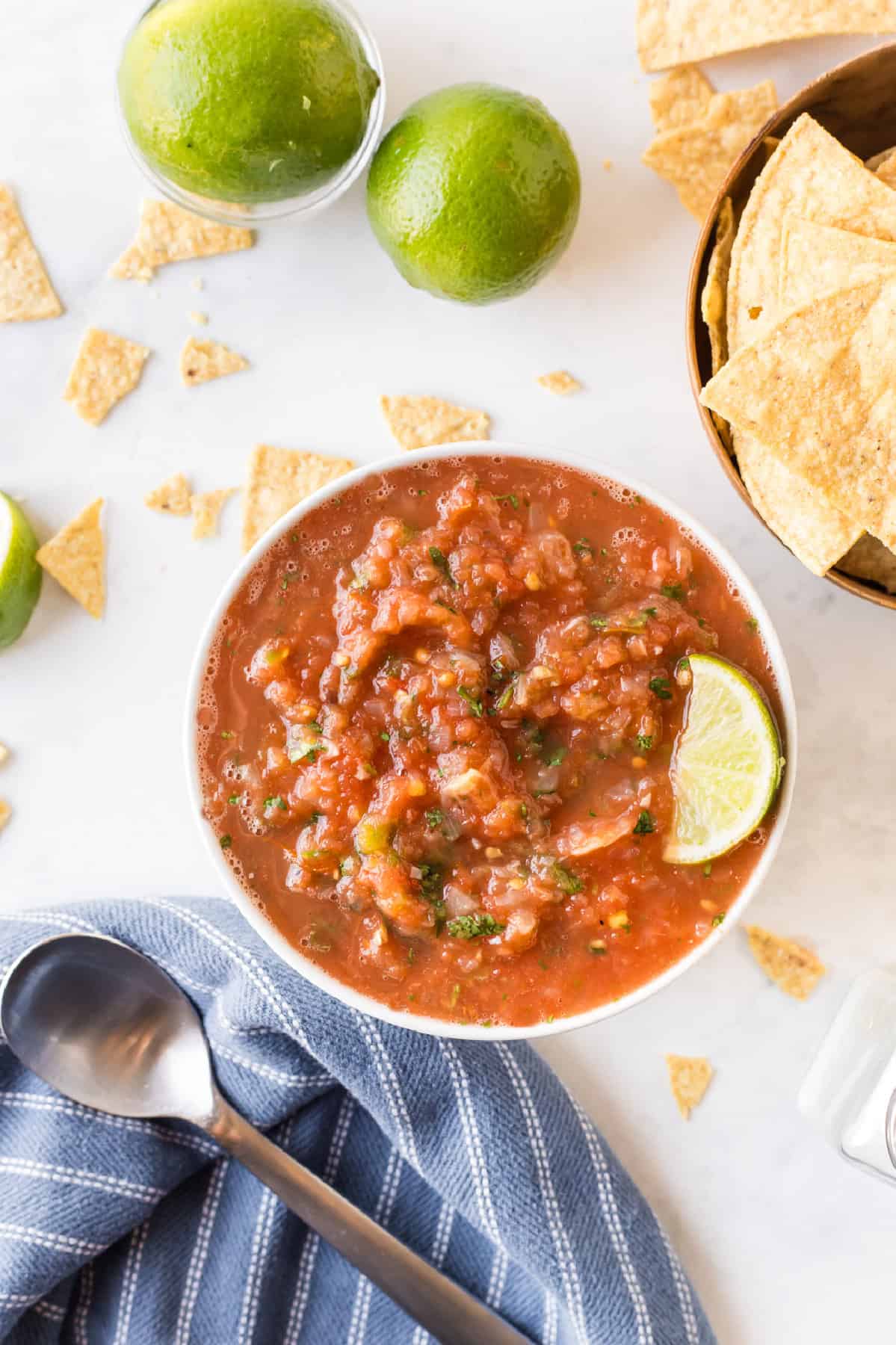
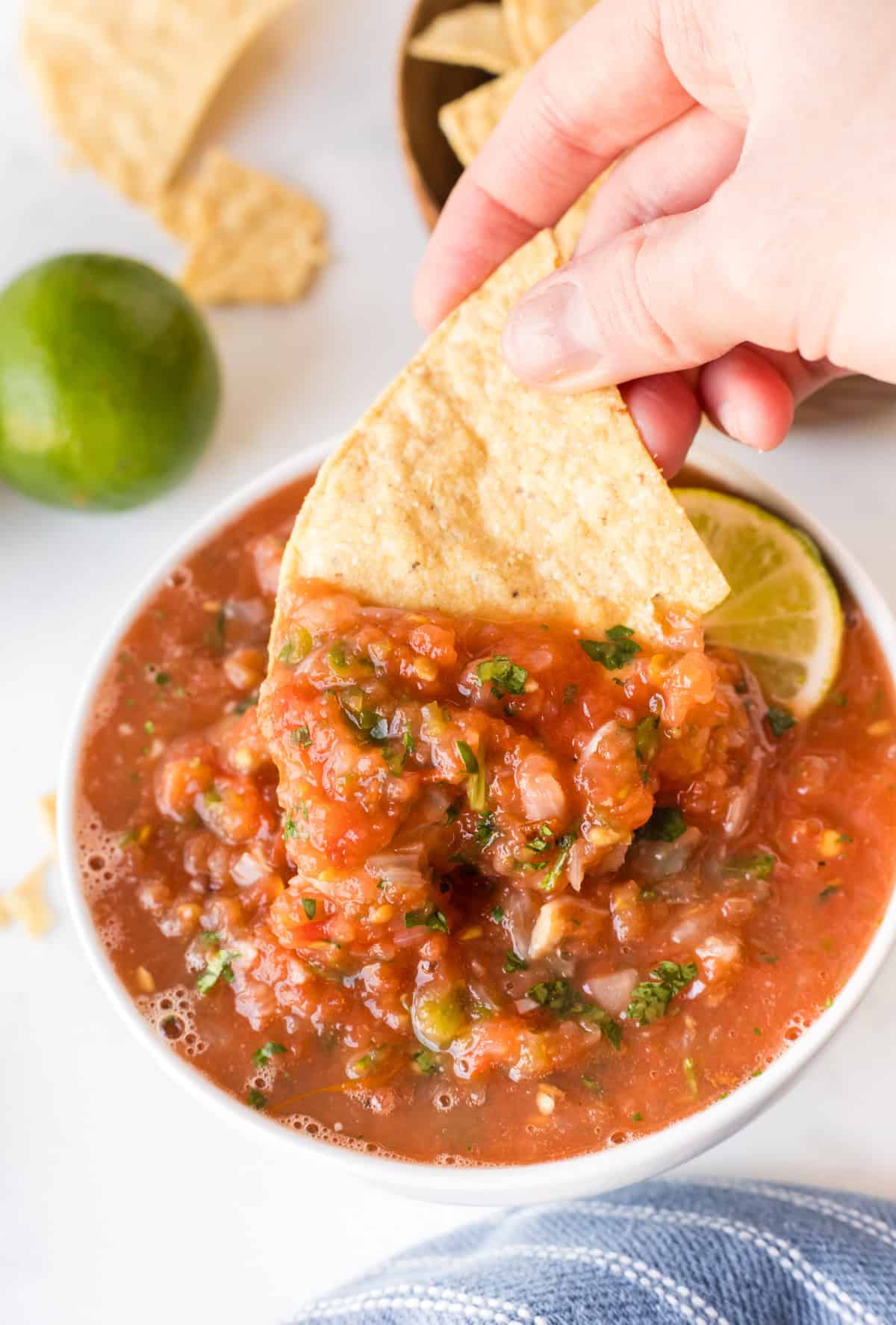
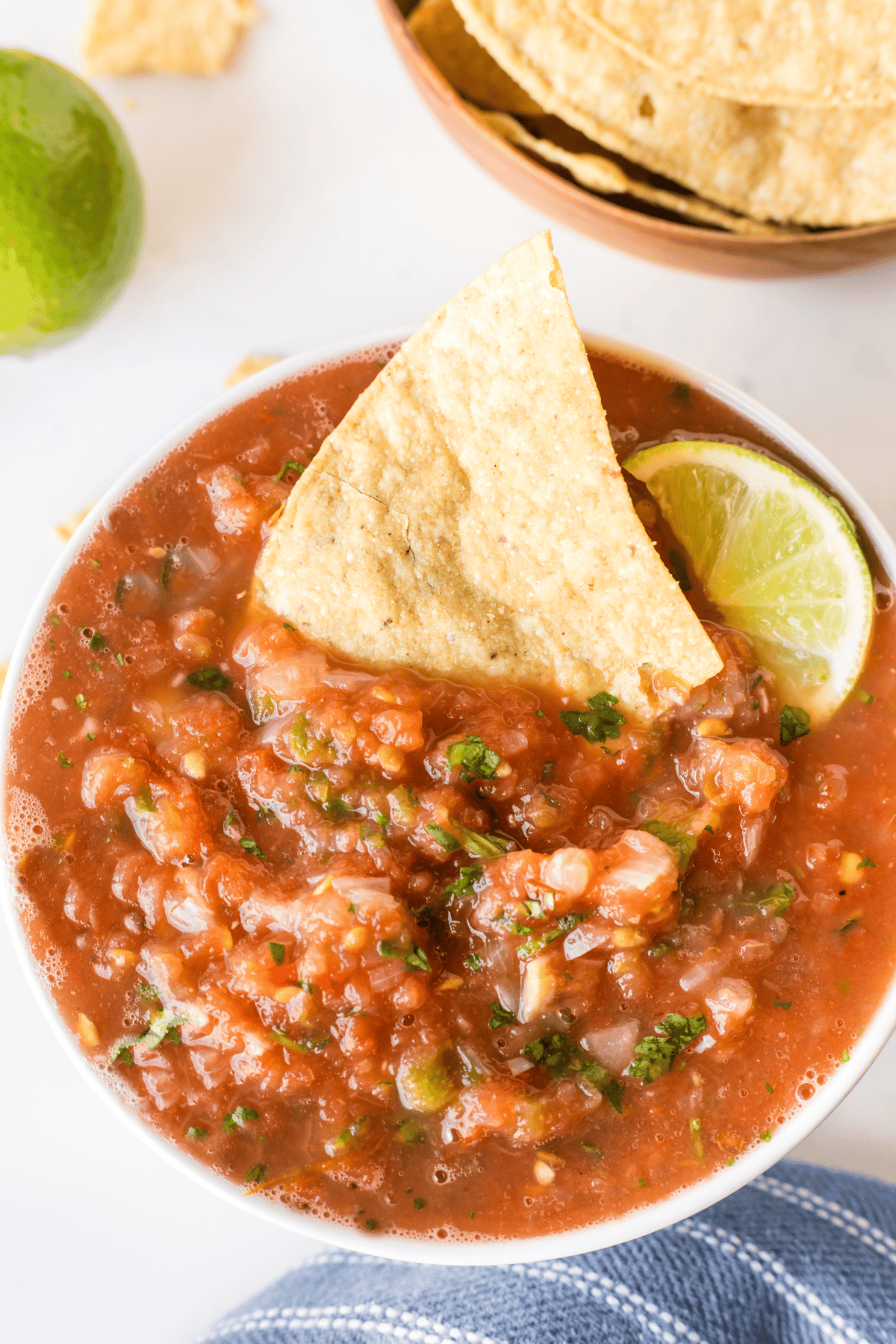
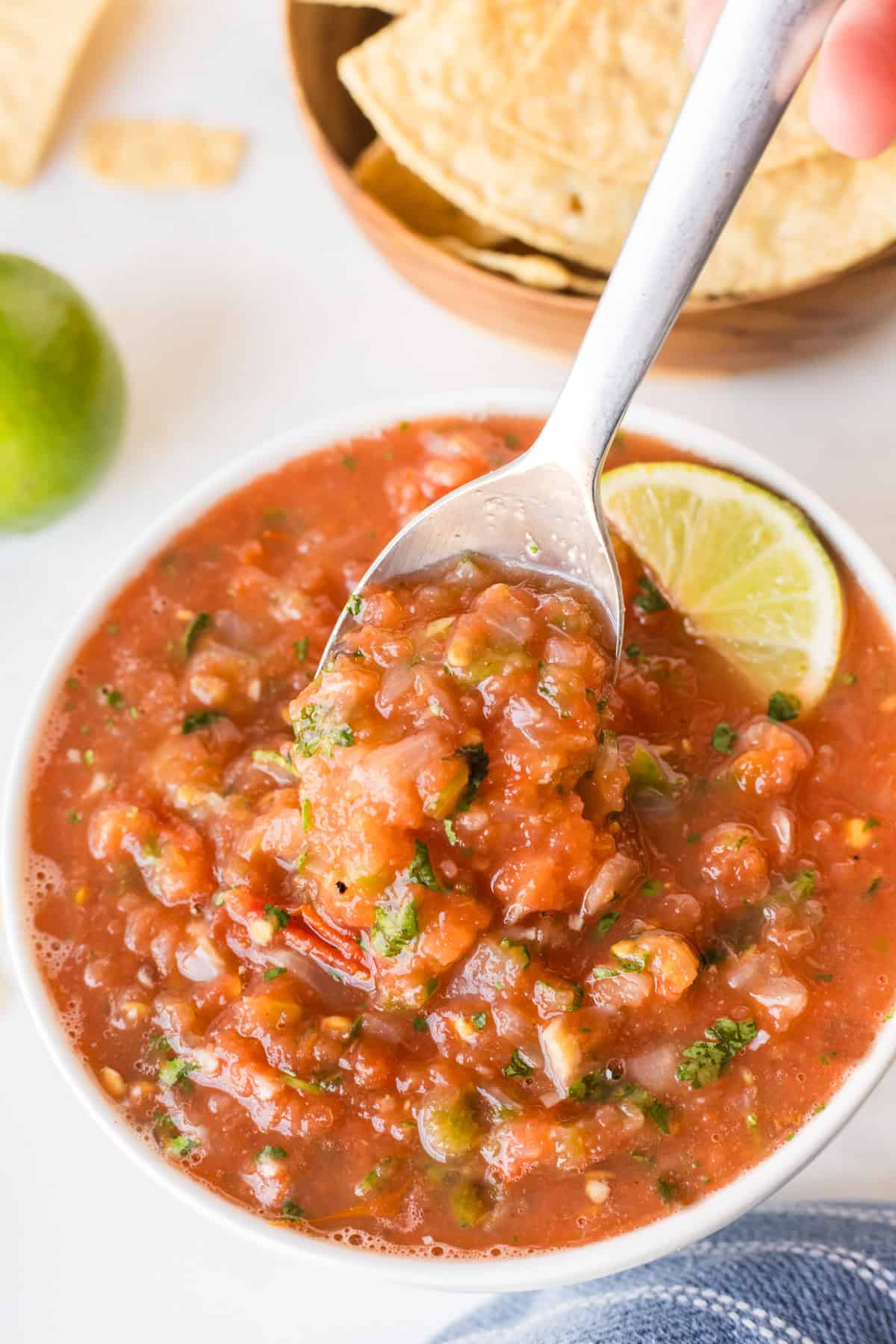
Unlike Pico de Gallo, which is a "salsa fresca" defined by its chunky, hand-diced raw vegetables, restaurant-style salsa is distinguished by its cohesive, semi-liquid consistency. The primary objective of this style is to provide a uniform flavor experience in every bite, allowing the sauce to cling effectively to thin, crispy tortilla chips.
The secret to this specific flavor profile lies in the interplay between fresh and canned ingredients. While fresh Roma tomatoes provide a seasonal brightness, many professional recipes incorporate high-quality canned tomatoes or products like Rotel—a blend of diced tomatoes and green chilies—to ensure year-round consistency in acidity and sugar content. This hybrid approach allows the home cook to maintain a professional standard regardless of the season.
The Science of the Sear: Why Broiling Matters
A defining characteristic of high-quality restaurant salsa is a deep, underlying smokiness that cannot be achieved with raw ingredients alone. This is accomplished through the process of broiling. When fresh tomatoes, jalapeños, and garlic cloves are subjected to intense overhead heat, they undergo the Maillard reaction—a chemical reaction between amino acids and reducing sugars that gives browned food its distinctive flavor.
As the skins of the vegetables blister and blacken, the natural sugars within the pulp caramelize, tempering the raw acidity of the tomatoes and the sharp bite of the onions and garlic. This charring process introduces a complex "umami" profile. In a professional setting, this might be achieved over a wood-fired grill or a flat-top comal, but the domestic broiler serves as an efficient substitute, delivering the necessary high-temperature exposure in under ten minutes.
Technical Methodology and Preparation Chronology
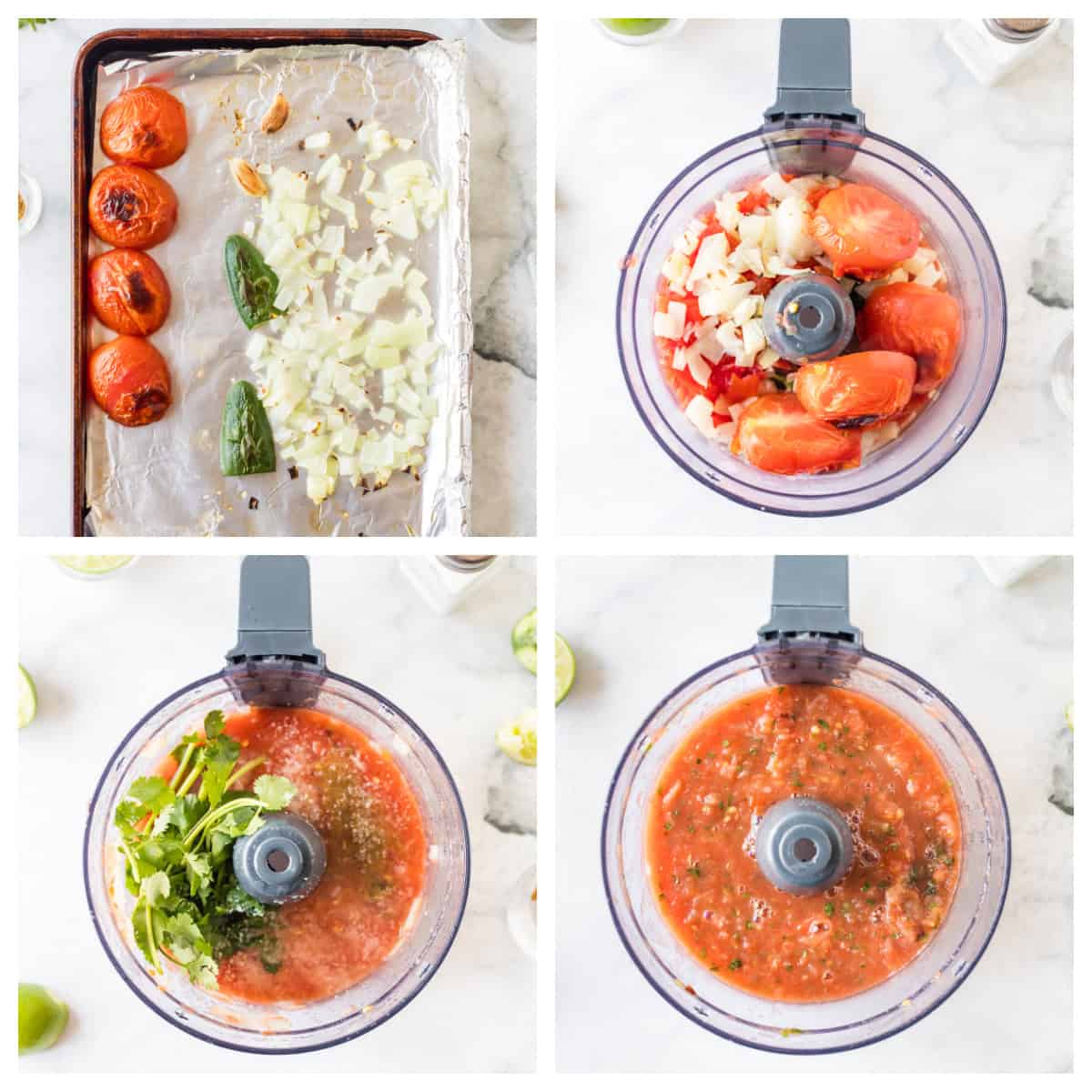
The preparation of Restaurant Style Salsa is a streamlined process that prioritizes flavor extraction through temperature control. The following chronology outlines the standard procedure for achieving an authentic result:
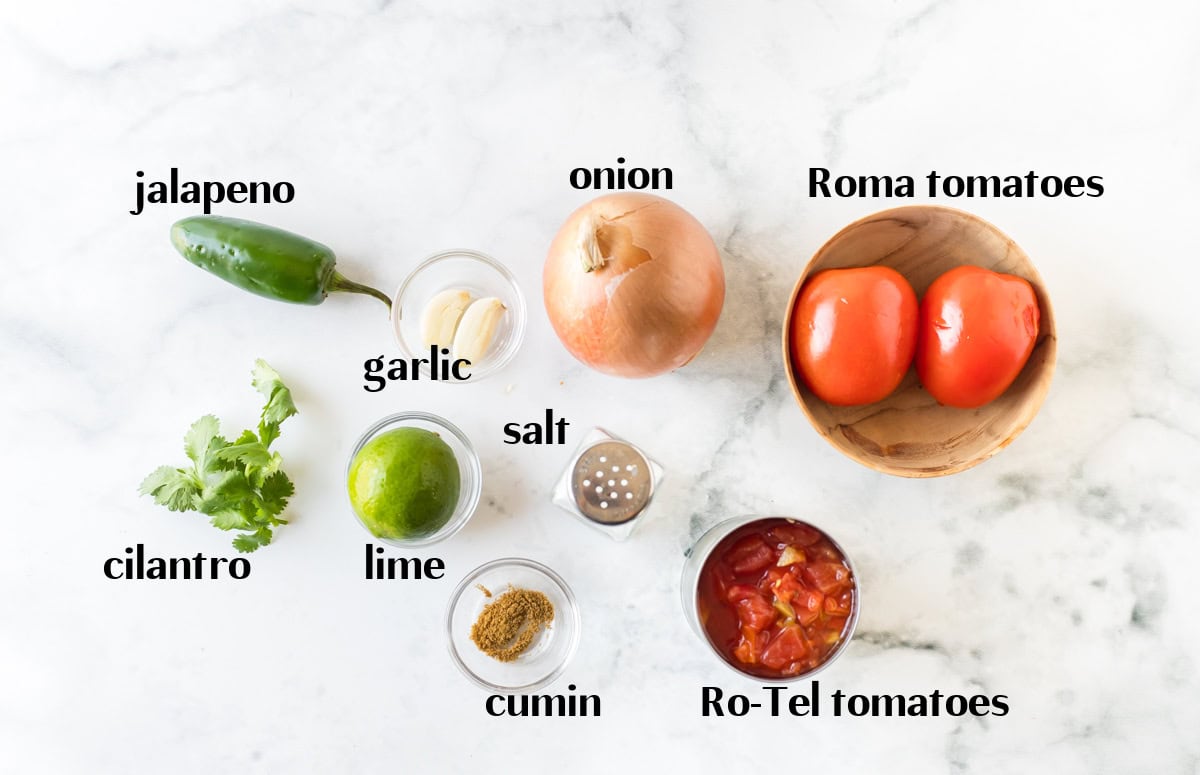
- Preparation and Charring: The oven broiler is preheated to high. Fresh Roma tomatoes are halved, and jalapeños are de-stemmed (and de-seeded if a milder heat profile is desired). These are placed on a baking sheet alongside peeled garlic cloves and onion wedges.
- The Broiling Phase: The vegetables are placed under the broiler for approximately 5 to 7 minutes. The objective is to achieve significant charring on the skins. This step is critical for developing the "roasted" flavor profile central to the restaurant experience.
- Integration of Ingredients: The charred vegetables are transferred to a food processor or high-speed blender. To this base, canned tomatoes (such as Rotel), fresh cilantro, lime juice, salt, and ground cumin are added.
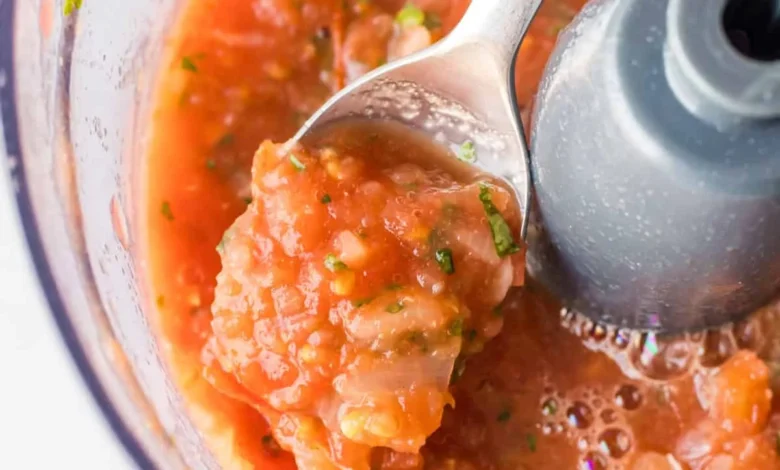
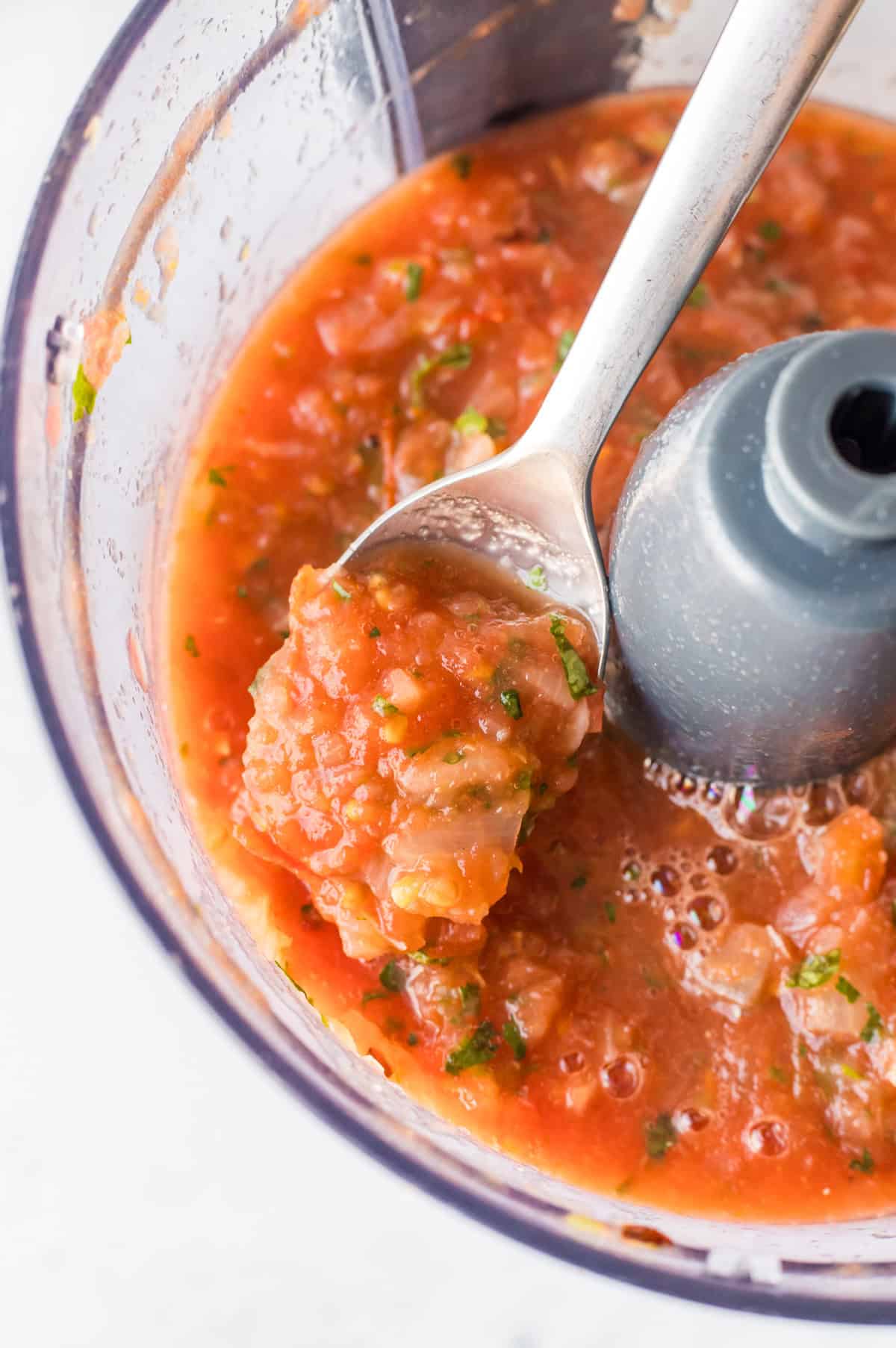
- Emulsification: The mixture is pulsed rather than continuously blended. For a traditional restaurant texture, the goal is a mostly smooth consistency that retains a slight particulate texture. Over-blending can lead to an aerated, foamy sauce, which is generally avoided.
- The Maturation Period: While the salsa is edible immediately, a cooling and resting period in the refrigerator for at least two hours is recommended. This allows the volatile oils from the cilantro and the heat from the capsaicin in the peppers to distribute evenly throughout the sauce.
Nutritional Data and Market Analysis
From a nutritional standpoint, Restaurant Style Salsa is a high-density, low-calorie food. A standard serving (approximately two tablespoons) contains roughly 10 calories, making it an ideal alternative to oil-based dressings or high-sugar condiments.
Nutritional Breakdown (Per Serving):
- Calories: 10 kcal
- Carbohydrates: 2g
- Fiber: 1g
- Vitamin C: 6mg (approx. 10% of Daily Value)
- Lycopene: High (enhanced by the cooking/broiling of tomatoes)
The global salsa market continues to see robust growth. Industry reports suggest that the market is projected to reach a valuation of several billion dollars by 2030, driven by the increasing popularity of Mexican cuisine in Europe and Asia. The "clean label" movement has also benefited homemade salsa recipes, as consumers increasingly seek out condiments free from artificial preservatives, high-fructose corn syrup, and thickeners like xanthan gum—all of which are absent in traditional restaurant-style preparations.
Component Analysis: The Role of Key Ingredients
To understand the success of this recipe, one must examine the functional role of its individual components:
- Roma Tomatoes: Chosen for their low moisture content and firm flesh, Romas provide the necessary body without making the salsa overly watery.
- Jalapeños: These peppers provide a manageable heat level (2,500 to 8,000 Scoville Heat Units). The heat is concentrated in the pith and seeds; removing them allows the floral flavor of the pepper to shine without overwhelming the palate.
- Cilantro: This herb provides a necessary top-note of freshness. While a small percentage of the population perceives cilantro as "soapy" due to the OR6A2 aldehyde-sensing gene, it remains an essential aromatic in authentic Mexican profiles.
- Lime Juice: The citric acid acts as a flavor enhancer, "brightening" the other ingredients and providing a necessary counterbalance to the smoky charred notes.
- Cumin: Often considered the "secret ingredient" in Tex-Mex restaurant salsa, cumin provides an earthy, warm undertone that bridges the gap between the fresh vegetables and the roasted elements.
Implications and Consumer Trends
The rise of the "home chef" during the early 2020s has led to a surge in demand for "copycat" recipes that allow individuals to replicate professional dining experiences in a domestic setting. The Restaurant Style Salsa recipe addresses this demand by utilizing accessible supermarket ingredients and standard kitchen equipment to produce a result that is often superior to mass-produced jarred alternatives.
Furthermore, the versatility of this salsa extends beyond the chip basket. Culinary analysts note that as consumers move toward "bowl-based" meals (such as grain bowls or taco bowls), high-quality salsas are increasingly used as a primary sauce or dressing. This shift highlights the condiment’s role as a foundational element of modern healthy eating, rather than just an occasional appetizer.
Storage and Food Safety Protocols
Because this recipe utilizes fresh ingredients and lacks the heavy preservatives found in commercial jars, proper storage is paramount. The USDA and FDA recommend that homemade salsa be stored in airtight containers and kept refrigerated at or below 40°F (4°C).
Under these conditions, the salsa will maintain its peak flavor and safety for up to five days. It is natural for some liquid separation to occur as the cell walls of the vegetables break down over time; a simple stir before serving restores the intended consistency. For those interested in long-term preservation, the acidity levels must be carefully monitored (typically requiring a pH of 4.6 or lower) to ensure safety during the water-bath canning process.
In conclusion, Restaurant Style Salsa represents the perfect intersection of ancient tradition and modern culinary technique. By leveraging the science of the broiler and the convenience of modern blending technology, home cooks can produce a condiment that captures the vibrant, smoky, and addictive qualities of the world’s most beloved Mexican restaurant appetizers. This dish stands as a testament to the enduring appeal of Mexican flavors and the continued evolution of the global pantry.